
Can Rhizo Logic® Really Restore Dead Topsoil? 5 Success Stories and Your Top FAQs Answered
By Jeremy Standring
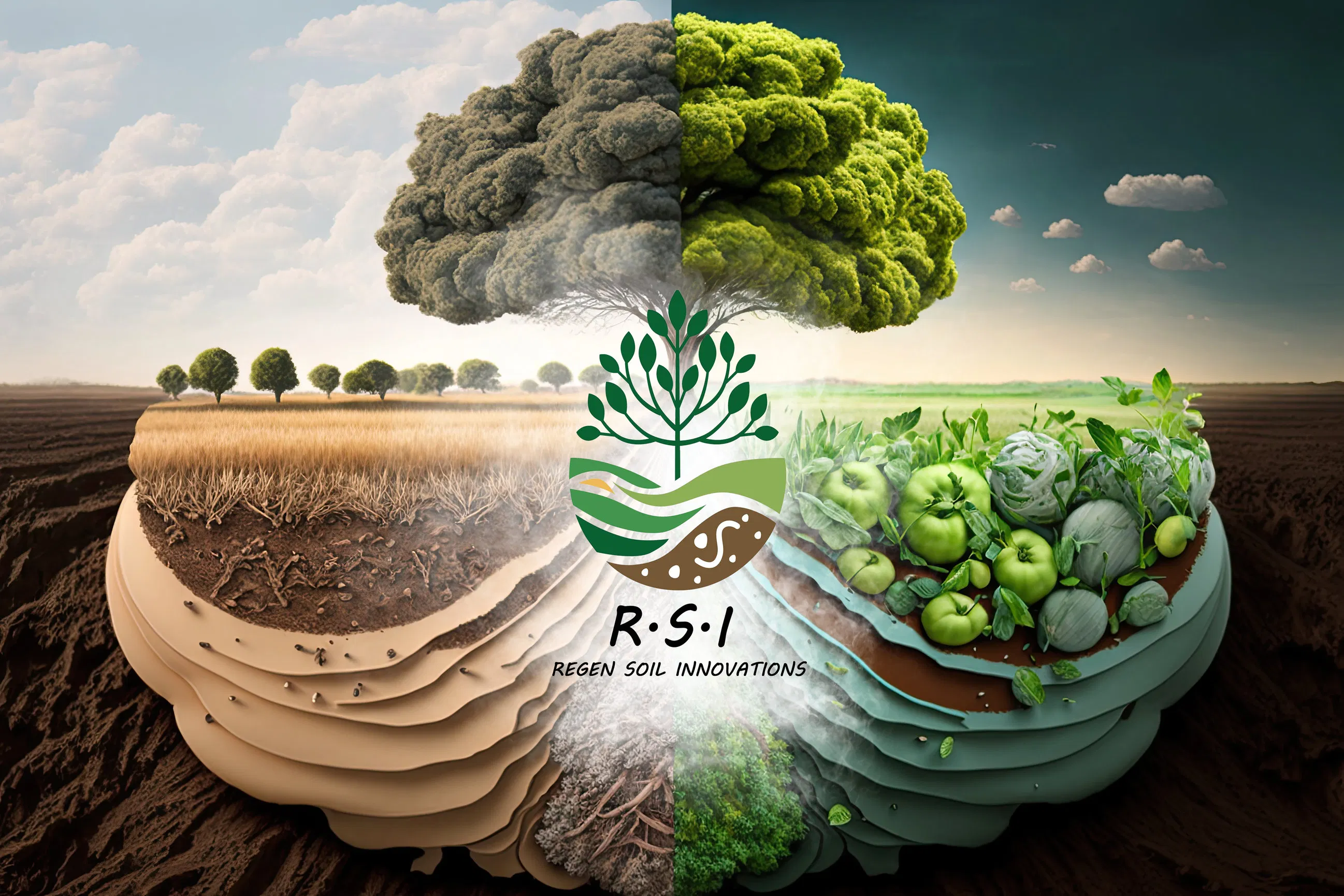
For decades, modern agriculture and conventional landscaping have treated soil like an empty vessel, a sterile medium designed only to hold plants upright while we pump them full of synthetic salts. This "input-output" model has led to a global crisis: the death of our topsoil. When soil loses its biological engine, it becomes "dirt", a compacted, hydrophobic, and nutrient-void material that requires ever-increasing amounts of chemicals just to produce a meager yield.
At Regen Soil, we approach this problem through the lens of systems-thinking. We don’t just want to "feed the plant"; we want to rebuild the biological infrastructure that allows the soil to feed itself. This is where Rhizo Logic®, our flagship approach to Living Soil, comes into play. But a common question we receive from skeptical farmers and backyard gardeners alike is: Can it really bring "dead" soil back to life?
The short answer is yes. But the long answer involves a fundamental shift in how you view the underground economy of your garden.
The Science of Soil Resurrection: Understanding Living Soil
Before we dive into the success stories, we must define what "dead" soil actually is. In a regenerative context, dead soil is soil that has suffered a total collapse of its microbial populations. Without a thriving community of bacteria, fungi, protozoa, and nematodes, the nutrient cycling process stops.
Rhizo Logic® is designed to jumpstart this biological engine. By introducing a complex diversity of microorganisms and the carbon-based food sources they need to thrive, we move soil through four critical stages: BUILD, RESTORE, REMEDIATE, and REGENERATE.
The Role of Mycorrhizal Fungi
In dead topsoil, the "highways" of the soil are broken. Mycorrhizal fungi act as the internet of the underworld, extending the reach of plant roots by up to 1,000 times. These fungi mine for phosphorus and water in deep layers that the plant could never reach on its own. Rhizo Logic® prioritizes the establishment of these fungal networks to ensure long-term resilience rather than a short-term chemical "high."
5 Real-World Success Stories: From Sterile Dirt to Thriving Ecosystems
We have documented numerous transitions where land that appeared beyond repair was transformed using Rhizo Logic® principles. Here are five standout examples of soil restoration in action.
1. The "Sterile Sand" Transformation
In one of our most dramatic case studies, a coastal property owner was struggling with soil that was essentially construction-grade sand. It held no moisture and had zero organic matter.
- The Approach: We implemented a Rhizo Logic® inoculation protocol combined with specific cover crops to begin the carbon sequestration process.
- The Result: Within two growing seasons, the "sand" had darkened into a rich, chocolatey loam. The return of soil protozoa: the "three musketeers" of the underground economy: allowed for natural nitrogen mineralization, eliminating the need for synthetic fertilizers.
2. Rehabilitating the "Chemical Burn" Commercial Plot
A mid-sized farm had relied on heavy tilling and high-nitrogen synthetic inputs for 20 years. The soil had become a hard, clay-like crust that repelled water.
- The Approach: We transitioned the operation using our 5-step regenerative guide. This involved ceasing all tilling and applying Rhizo Logic® to restore the fungal-to-bacterial ratio.
- The Result: Water infiltration increased by 400% in the first year. The farmer reported that their "dead" fields were suddenly full of earthworms: a primary indicator of restored biological health.
3. The Urban Patio Miracle
Many of our clients think they can't participate in regenerative agriculture because they only have a balcony.
- The Approach: Using a Full Living Soil Patio Kit, a client in a high-rise apartment used Rhizo Logic® to maintain a closed-loop system in fabric pots.
- The Result: While neighbors' plants struggled with the heat and "crunchy water" nutrient deficiencies, this patio garden produced nutrient-dense vegetables that tasted significantly better than supermarket alternatives.
4. Reclaiming an Eroded Hillside
A property owner was losing several inches of topsoil every year due to runoff. The ground was so compacted that even weeds wouldn't grow.
- The Approach: We used Rhizo Logic® to establish a biological "glue" (glomalin) produced by fungi to aggregate the soil particles.
- The Result: The soil structure improved so rapidly that the hillside stabilized. By the second year, indigenous grasses had returned, naturally anchored by deep, healthy root systems.
5. The Fungus Gnat Turnaround
A commercial indoor grower was about to dump thousands of dollars of soil due to a massive fungus gnat infestation and "dead" anaerobic spots in their beds.
- The Approach: Instead of using pesticides, we introduced an organic battle plan focusing on predatory biology within the Rhizo Logic® framework.
- The Result: By balancing the ecosystem, the pests were naturally suppressed, and the "dead" soil was re-aerated by the microbes themselves, saving the grower from the massive cost of soil replacement.
Technical Deep Dive: Why "Dirt" Isn't Just "Poor Quality Soil"
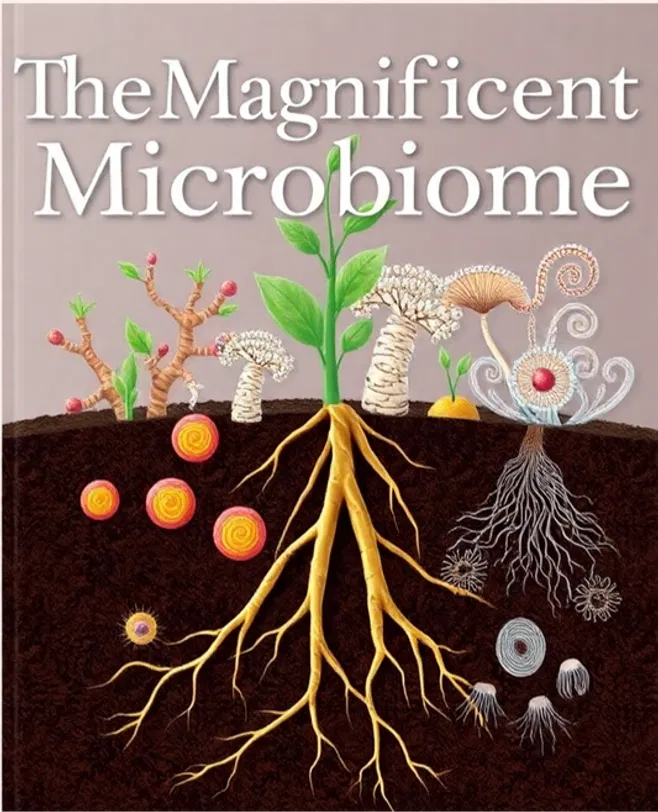
In our consulting work, we emphasize that Living Soil is a distinct technology compared to traditional "Super Soil." While Super Soil is often heavily amended with minerals that eventually wash away, Rhizo Logic® focuses on the biology that makes those minerals bioavailable.
Nutrient Cycling vs. Nutrient Feeding
When you use synthetic fertilizer, you are bypassing the plant's natural systems. This makes the plant "lazy" and weak. In a Living Soil system:
- Plants release exudates (sugars) into the soil.
- Bacteria and fungi consume these sugars.
- Protozoa and nematodes eat the bacteria/fungi.
- The waste produced by these predators is the exact form of nitrogen the plant needs.
This is the "Underground Economy." If your soil is dead, the economy has crashed. Rhizo Logic® is the stimulus package that gets the workers back on the job.
Rhizo Logic® vs. Traditional Soil Amendments
| Feature | Rhizo Logic® (Living Soil) | Traditional Fertilizers/Amendments |
|---|---|---|
| Sustainability | Self-sustaining ecosystem | Requires constant re-application |
| Soil Structure | Builds aggregates and aeration | Often leads to compaction/salts |
| Water Retention | Increases via organic matter | No effect or negative effect |
| Nutrient Density | High (full spectrum) | Limited to N-P-K |
| Environmental Impact | Carbon Sequestration | Often results in runoff/pollution |
Your Top FAQs Answered
1. How long does it take to see results with Rhizo Logic®?
While some biological effects happen within days (like improved water penetration), a full restoration of "dead" soil typically takes one full growing season to show significant structural changes. By the second year, the system usually becomes self-maintaining.
2. Is Rhizo Logic® the same as Bio-boost?
No. Rhizo Logic® is our brand for Living Soil products focused on the foundational biology of the soil itself. Bio-boost is a Terrabiotics product: think of it as a biological supercharger that complements your soil management but serves a different functional role in the plant's lifecycle.
3. Can I use Rhizo Logic® in cold climates?
Absolutely. In fact, for those in Zone 6, we often emphasize that patience is the secret to success. Applying our biological protocols in late fall or early spring allows the microbes to establish themselves as the soil warms up.
4. Do I need to keep buying it every year?
Unlike synthetic programs, our goal is to teach you how to maintain a living system. While "re-vaccinating" the soil with a microbial boost after a harsh winter or a crop harvest is recommended, you won't be "addicted" to the product the way you are with NPK fertilizers.
5. How do I know if it's working?
You don't have to guess. We recommend monitoring tools like the Regen Soil Pulse to track moisture, temperature, and EC levels. You will see the soil's ability to hold nutrients (EC) stabilize as the biology takes over.

Taking the First Step Toward Regeneration
The degradation of our topsoil is a serious threat, but it is not an irreversible one. Whether you are dealing with a backyard that has been treated with chemicals for years or a commercial field that has lost its vitality, the solution lies in restoring the living ecosystem.
We believe that by shifting from a mindset of "killing pests" to "supporting life," we can restore the health of our planet, one acre: or one patio pot: at a time.
Are you ready to stop gardening in dirt and start growing in Living Soil? We recommend starting with our Quick Start Guide or exploring our deep dives on biochar secrets to see how you can further enhance your soil's capacity.
What’s the biggest challenge you’re facing with your soil right now? Leave a comment below or reach out to us for a consultation. Let’s get your soil back to work.


