Patience in Zone 6: Why Waiting Until May is the Secret to Garden Success
We have all been there. It is a crisp Tuesday in mid-April in Massachusetts. The sun is out, the birds are back, and the local big-box store has pallets of tomato starts sitting in the parking lot. It feels like spring, it looks like spring, and your "planting itch" is becoming unbearable.
However, if you are growing in USDA Hardiness Zone 6, putting those plants in the ground right now is one of the riskiest moves you can make.
At Regen Soil, we focus on the science of the soil, the complex biological systems that actually drive plant health. When we look at the calendar, we aren't just looking at the weather forecast; we are looking at microbial activity, soil temperature, and the long-term vitality of your ecosystem. In Zone 6, rushing the season often leads to stunted growth, nutrient deficiencies, and the potential for a total crop loss.
Here is why patience is your most valuable tool this spring and why waiting until May is the secret to a high-yielding, regenerative garden.
Understanding the Zone 6 Reality: The Mother’s Day Rule
USDA Hardiness Zone 6 (which covers a huge swath of New England, including our backyard in the 508 and 617 area codes) is a transition zone. Our winters are cold enough to go dormant, but our summers are hot and humid. The "average" last frost date for our region generally falls between May 1st and May 15th.
While we might have a string of 65-degree days in April, the threat of a "killing frost" remains high until mid-May. This is why the old-timers always talk about the Mother’s Day Rule.
The Risk of the Late-Night Dip
In Zone 6, we often see extreme temperature fluctuations. A sunny afternoon can quickly turn into a 32-degree night. For warm-weather crops like tomatoes, peppers, and basil, even a non-freezing night in the high 30s can cause physiological stress. This stress slows down the plant’s metabolism, making it more susceptible to pests and diseases later in the season.
Soil Temperature vs. Air Temperature: The Invisible Barrier
One of the most common misconceptions we encounter in soil health consulting is the belief that if the air is warm, the ground is ready. In reality, soil has a massive thermal mass. It takes significantly longer to warm up than the atmosphere.

For most vegetable crops, the "magic number" for soil temperature is 60°F (15°C). If you transplant into soil that is still 45°F or 50°F, several things happen:
- Root Stunting: Roots simply stop growing in cold soil. They sit in a state of suspended animation, making them vulnerable to rot.
- Nutrient Lockout: Even if your soil is rich in minerals, plants cannot uptake those nutrients if the soil is too cold. This is why many "early" plants look purple (a sign of phosphorus deficiency) or pale yellow.
- Inactivity of the Soil Food Web: This is the most critical point for regenerative growers.
Protecting Your Soil Microbiology from Cold Shocks
At the heart of our RSI Method is the preservation of soil microbiology. When we use a high-quality living soil like our Rhizo Logic® Organic Living Soil, we are dealing with a community of living organisms: fungi, bacteria, protozoa, and beneficial nematodes.
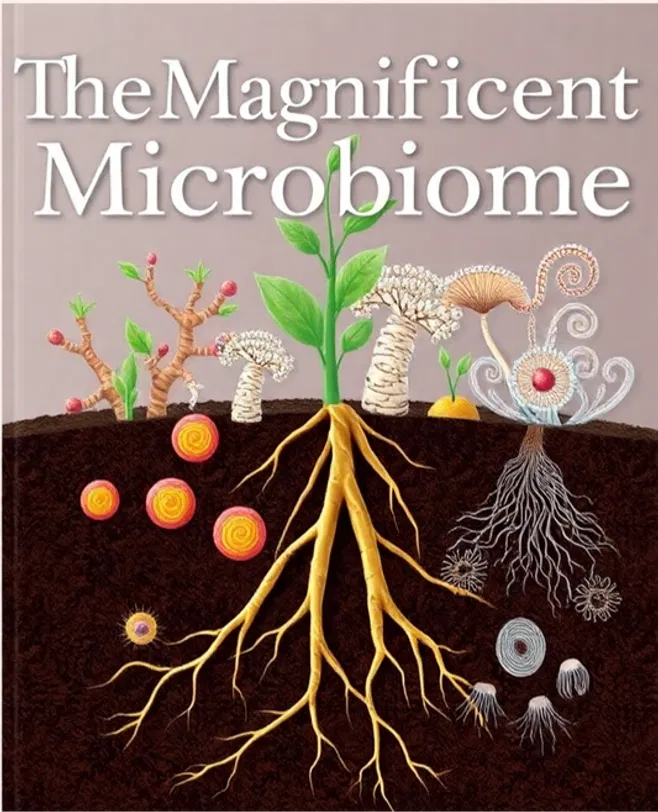
These microbes are temperature-dependent. When the soil is cold, they are dormant. When you put a young, greenhouse-raised plant into cold ground, you are dropping it into an environment where its "support staff" (the microbes) isn't awake yet. This lack of microbial interaction means the plant is essentially starving and unprotected until the soil warms up enough for the biology to kick in.
The Consequences of Rushing: Why Early Planting Often Backfires
It is tempting to think that getting plants in two weeks early gives you a two-week head start on the harvest. In Zone 6, the opposite is usually true.
We have found that a tomato plant put in the ground on April 20th will often be overtaken by a tomato plant put in on May 20th. Why? Because the May plant never experiences the "cold shock" and can immediately establish its root system in active, biological soil. The April plant spent its first month struggling to survive, damaging its cellular structure and losing its competitive edge.
Common issues with early planting in Zone 6:
- Seed Rot: If you sow seeds in cold, wet April soil, they often rot before they can germinate.
- Damping Off: Fungal pathogens thrive in cool, damp conditions, often killing seedlings at the soil line.
- Poor Nutrient Density: As we’ve discussed in our look at the empty plate problem, nutrient-dense food requires a thriving soil ecosystem. If the plant is stressed from day one, it will never reach its full nutritional potential.
What You CAN Do in the Meantime (The April Action Plan)
Just because you shouldn't be planting in the ground doesn't mean you should be sitting on your hands. April is the perfect time for preparation and regenerative farming practices that set the stage for a blockbuster May.
1. Soil Testing and Assessment
Before you plant, you need to know what you’re working with. This is the ideal time for an Initial Soil Health Assessment (ISH). By analyzing your soil biology now, we can help you create a plan to bridge the gap between "dirt" and "living soil."
2. Start Seeds Indoors
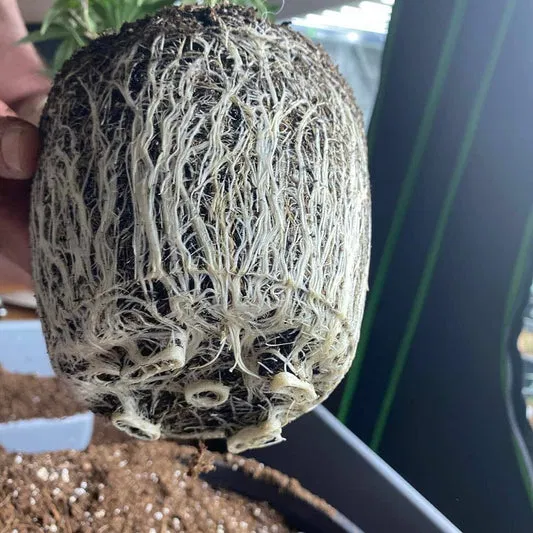
If you want that head start, use your indoor space. Start your heat-loving crops under lights where you can control the temperature. This allows the plants to develop a robust healthy root ball that will be ready to thrive once moved outside.
3. Prep Your Containers
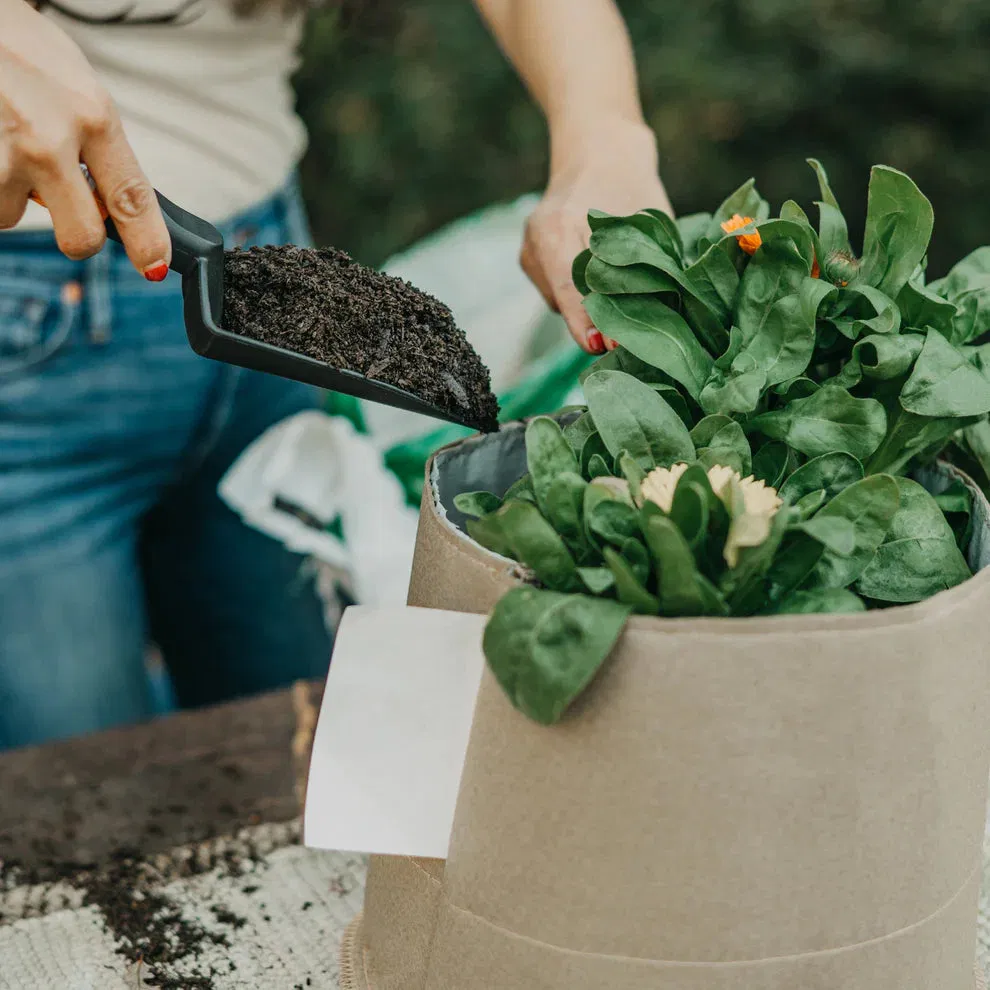
If you absolutely must plant something early, look toward regenerative patio container growing. Because containers are above ground, they warm up significantly faster than the earth. You can also move them inside if a surprise frost hits. Our 5-Gallon Living Soil bags are perfect for this.
4. Amend with Biochar and Microbes
April is the perfect time to incorporate biochar into your beds. When you use a product like Terrabiotics Bio-boost, you are creating a "microbial reef", a permanent home for the bacteria and fungi you’ll be adding later. Learn more about how to use this in our Complete Guide to Biochar.
A Systems-Thinking Approach to Your Spring
At Regen Soil, we advocate for systems-thinking. Your garden is not a collection of isolated plants; it is a single, interconnected living organism.
When you wait until May to plant in Zone 6, you are acting in harmony with that system. You are waiting for the sun to charge the soil's battery, for the soil protozoa to wake up and begin mineralizing nutrients, and for the environment to become hospitable for life.
For Beginners:
Focus on cool-weather crops in April. Peas, spinach, radishes, and kale actually like the cold. These can go in now. Save the tomatoes and peppers for the second or third week of May.
For Experienced Growers:
Use this time to monitor your soil temperatures with a probe. Don't guess, measure. If you see your soil hitting a consistent 60°F at a 4-inch depth, you have the green light.
For Commercial Operations:
April is for infrastructure. Finalize your irrigation, check your soil restoration projects, and ensure your microbial inoculants are ready for the May surge.
FAQ: Zone 6 Planting Questions
Q: Can I use a "Wall o' Water" or cold frame to plant earlier?
A: Yes! These tools can help warm the soil and protect against frost. However, they don't replace the need for active soil biology. Even with protection, if the ground under the plant is cold, growth will be slow.
Q: What if I’ve already planted?
A: Don't panic. If a frost is predicted, cover your plants with a frost blanket or burlap. Avoid plastic, as it can transfer the cold directly to the leaves. You might also consider a microbial drench once the weather warms to help the "scared" plants recover.
Q: Is there any benefit to planting in April?
A: Only for "cool-season" crops. For everything else, the risks of stunting and disease far outweigh the benefits.
Conclusion: Trust the Process
Regenerative gardening is about working with nature, not trying to outsmart it. In Zone 6, nature tells us that May is the month of true beginning. By exercising a little bit of patience now, you are ensuring that your plants have the strongest possible start in a thriving, living soil environment.
If you’re ready to stop guessing and start growing with a scientific edge, we’re here to help. From our Rhizo Logic® products to our personalized soil health assessments, we provide the tools you need to build a resilient, nutrient-dense garden that thrives year after year.
Ready to get your soil prepped for the May rush? Check out our full range of soil health solutions or meet Jeremy to learn more about our mission to restore the earth, one yard at a time.