5 Steps How to Improve Soil Health and Restore Your Backyard Ecosystem (Easy Guide for Homeowners)
By Jeremy Standring
Most homeowners view their backyard as a collection of individual plants, a lawn, some shrubs, perhaps a vegetable patch. However, at Regen Soil, we look at it through the lens of a complete ecosystem. The foundation of that ecosystem isn't the plants themselves, but the soil beneath them.
Unfortunately, much of the "dirt" in suburban backyards is biologically dead. Years of synthetic fertilizers, heavy tilling, and chemical pesticides have decimated the microbial populations required for a thriving landscape. This leads to a cycle of dependency: your plants need more chemicals to survive because the soil can no longer provide nutrients naturally.
We are here to help you break that cycle. By implementing regenerative agriculture principles on a residential scale, you can transform "dead dirt" into Living Soil. Here is our easy five-step guide to restoring your backyard ecosystem.
Step 1: Minimize Soil Disturbance (Stop Tilling)
The traditional approach to gardening often starts with a rototiller. We’ve been taught that we need to "fluff up" the soil to help roots grow. In reality, mechanical tilling is one of the most destructive things you can do to a living ecosystem.
The Problem with Tilling
When you till, you physically tear apart the delicate networks of mycorrhizal fungi. These fungi act as an extension of a plant's root system, scavenging for water and phosphorus in exchange for carbon. Tilling also introduces a massive flush of oxygen that causes soil microbes to burn through organic matter too quickly, releasing CO2 into the atmosphere and leaving the soil depleted.
The No-Till Alternative
Instead of tilling, we recommend a "no-dig" approach. By leaving the soil structure intact, you allow natural "biological tillers", like earthworms and deep-rooted plants, to do the work for you. This preserves the soil aggregates (the small clumps that allow air and water to move through the ground).
Comparison: Tilling vs. No-Till
| Feature | Tilling | No-Till (Regenerative) |
|---|---|---|
| Soil Structure | Destroyed; prone to compaction | Preserved; improves over time |
| Microbial Life | Decimated by UV and oxygen exposure | Thrives in a stable environment |
| Weed Pressure | High (brings dormant seeds to surface) | Low (weed seeds remain buried) |
| Water Retention | Poor; prone to runoff | High; acts like a sponge |
Step 2: Keep the Soil Covered (Soil Armor)
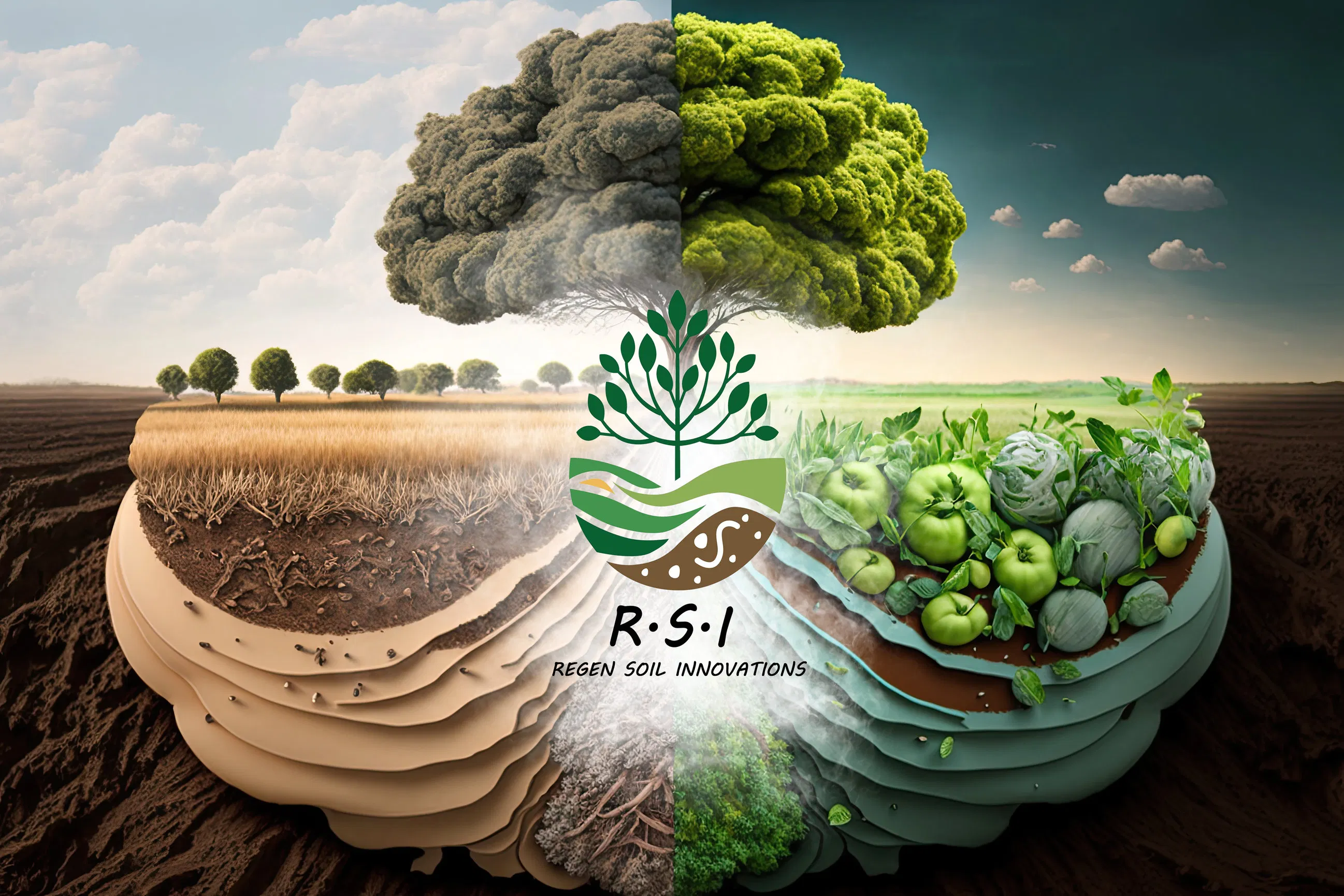
Nature abhors a vacuum, and it hates bare soil even more. If you see bare ground in your garden, you are seeing an ecosystem in distress. Bare soil is subject to extreme temperature swings, erosion from wind and rain, and the death of surface-level microbes.
Implementing "Soil Armor"
We advocate for keeping your soil covered 365 days a year. This can be achieved through:
- Mulching: Use organic materials like wood chips, straw, or shredded leaves. As these break down, they provide a slow-release food source for the Living Soil community.
- Living Mulch: Use low-growing ground covers (like clover or creeping thyme) to shade the soil while providing habitat for beneficial insects.
By keeping the soil covered, you regulate the "micro-climate" of the rhizosphere. This prevents the soil from baking in the summer sun, which would otherwise kill the beneficial bacteria provided by products like Rhizo Logic®.
Step 3: Add Biology and Organic Matter
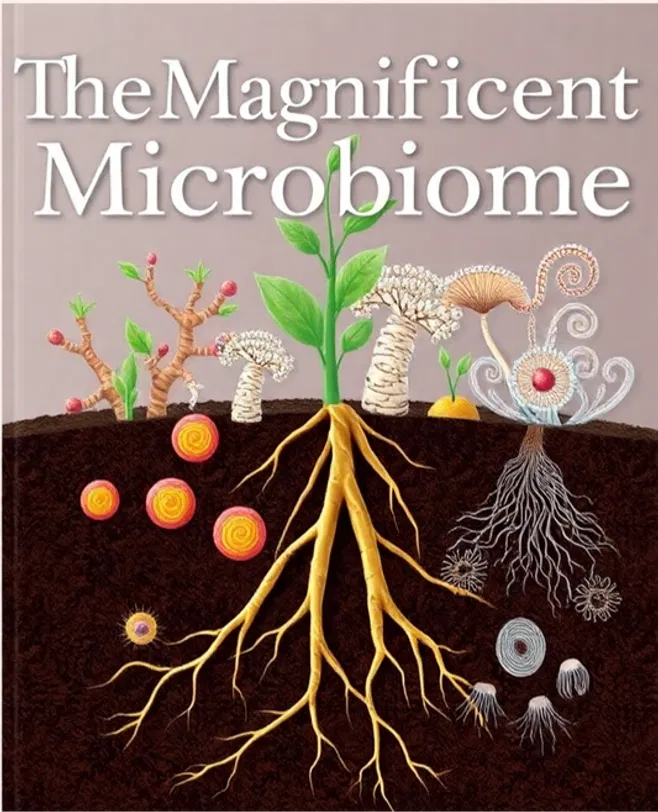
You cannot have a healthy ecosystem without a diverse microbiome. If your soil has been treated with chemicals for years, the beneficial biology is likely gone. You need to reintroduce these "engineers" of the soil.
Infusing Biology with Rhizo Logic® and Terrabiotics
At Regen Soil, we distinguish between the foundation and the recharge.
- Rhizo Logic®: This is our flagship Living Soil brand. It isn't just dirt; it’s a pre-colonized ecosystem of beneficial fungi, bacteria, and protozoa. Using Rhizo Logic® Living Soil in your planters or garden beds ensures your plants have an immediate symbiotic partnership with microbes.
- Bio-boost (Terrabiotics): If you already have established garden beds that are underperforming, you need a "recharge." Our Bio-boost (a Terrabiotics product) is designed to deliver a concentrated dose of microorganisms and biostimulants to wake up dormant soil.
The Role of Compost
While microbial inoculants provide the "workforce," organic matter (compost) provides the "housing and food." We suggest adding a 1-2 inch layer of high-quality compost to the surface of your soil annually. Don't mix it in, let the rain and the worms pull those nutrients down.
Step 4: Increase Plant Diversity
In a natural forest or meadow, you never see a monoculture. Different plants exude different types of carbohydrates (exudates) through their roots, which in turn attract different species of microbes.
Why Diversity Matters
- Nutrient Cycling: Some plants are "dynamic accumulators" that pull minerals from deep in the subsoil, making them available to others.
- Pest Management: A diverse backyard attracts a diverse range of predatory insects, reducing the need for pesticides.
- Resilience: If a specific disease hits one plant species, a diverse garden ensures the entire ecosystem doesn't collapse.
For homeowners, this means mixing your vegetables with flowers, herbs, and native shrubs. If you are working with limited space, our Living Soil Patio Pro Kit is an excellent way to start a diverse, high-density microbial garden in containers.
Step 5: Maintain Living Roots Year-Round
One of the most overlooked aspects of soil restoration is the importance of living roots. Microbes and fungi depend on the "Liquid Carbon Pathway." This is the process where plants take sunlight and CO2 and turn them into sugars, up to 40% of which are pumped out through the roots specifically to feed the soil microbiome.
The Year-Round Strategy
When a plant dies and the roots rot away, the microbial colony around those roots starves. To keep your soil "alive," you need living roots in the ground as long as possible.
- Cover Crops: In the vegetable garden, instead of leaving the bed empty for winter, plant a cover crop like cereal rye or crimson clover.
- Perennials: Integrate more perennial plants into your landscape. Their deep, permanent root systems provide a year-round "buffet" for the Rhizo Logic microbial community.
Measuring Your Success: The ISH Assessment
How do you know if your restoration efforts are working? You can't manage what you don't measure. We recommend starting with an Initial Soil Health (ISH) Assessment.
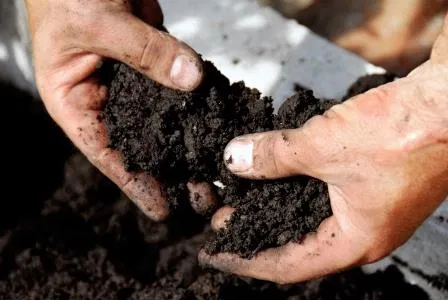
Unlike a standard N-P-K test from a big-box store, an ISH Assessment looks at the biological activity and structural integrity of your soil. We analyze the microbial biomass and nutrient availability to give you a roadmap for restoration.

Frequently Asked Questions (FAQ)
Q: How long does it take to restore soil health?
A: You will see improvements in plant vigor and water retention within one season. However, building significant topsoil and a fully matured microbial network usually takes 2-3 years of consistent regenerative practices.
Q: Can I use Bio-boost with synthetic fertilizers?
A: We strongly advise against it. Synthetic salts can dehydrate and kill the very microbes found in Terrabiotics products. To get the most out of Ultra Bio-boost, transition toward organic inputs.
Q: Is "Living Soil" just expensive compost?
A: No. While compost contains organic matter, Rhizo Logic® Living Soil is a scientifically formulated medium balanced for air-to-water ratios and inoculated with specific microbial consortia that focus on plant-growth-promoting rhizobacteria (PGPR).
Q: Do I need to buy new soil every year?
A: Not if you manage it correctly! With a regenerative approach, your soil becomes a permanent asset that gets better and more fertile every year, rather than a consumable product you throw away.
Start Your Restoration Journey Today
Restoring your backyard ecosystem isn't just about growing better tomatoes; it's about participating in a global movement toward regenerative agriculture. By choosing to foster life in your soil rather than suppressing it with chemicals, you are sequestering carbon, supporting local pollinators, and creating a more resilient home environment.
If you are unsure where your soil stands, contact us today or check out our About Page to learn more about the RSI Method.
Have you tried transitioning to a no-till garden? What was the biggest challenge you faced? Let us know in the comments below: we’d love to help you troubleshoot your soil health journey!