5 Steps How to Transition to Regenerative Farming and Restore Your Land (Easy Guide for Farmers)
At Regen Soil, we believe that the future of agriculture doesn’t lie in more chemistry, but in better biology. For decades, conventional farming has viewed soil as a static medium, a mere holding tank for synthetic inputs. We are here to help you shift that perspective. Regenerative farming is a holistic "systems-thinking" approach that focuses on restoring soil organic matter and rebuilding degraded soil biodiversity.
This transition is not just an environmental choice; it is a financial one. By restoring your land’s natural rhythm, you reduce reliance on expensive external inputs, increase water retention, and create a resilient operation that can withstand climate volatility. Whether you are a small-scale gardener or managing a large commercial operation, this guide provides the roadmap to transition toward Living Soil.
The Core Philosophy: Moving from Extraction to Regeneration
Before we dive into the steps, we must understand the "why." Conventional agriculture is often extractive, it takes nutrients from the soil and replaces them with salts and synthetic fertilizers. This eventually leads to the collapse of the microbial populations necessary for natural nutrient cycling.
Regenerative agriculture, specifically through the use of Rhizo Logic® (our standard for Living Soil), focuses on the Rhizosphere. This is the area of soil immediately surrounding plant roots where complex biological interactions occur. When we restore this zone, we restore the land.
Step 1: Conduct an Initial Soil Health Assessment (ISH)
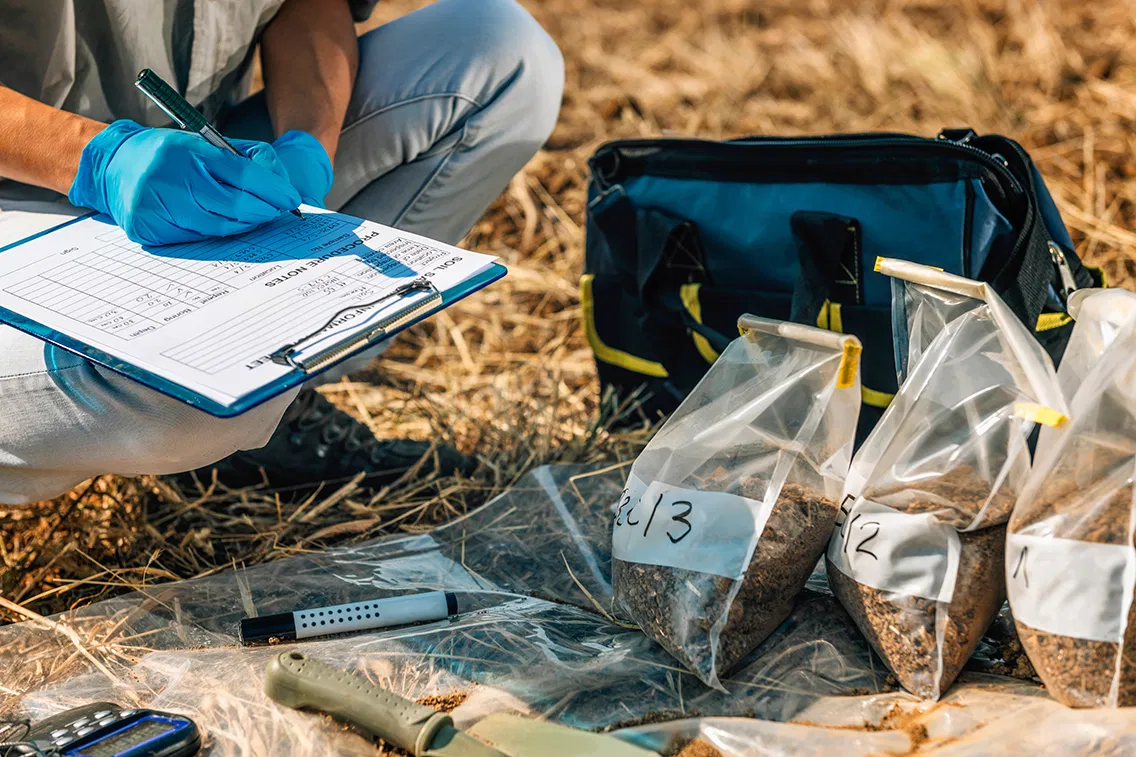
You cannot manage what you do not measure. Most farmers are used to standard NPK tests, which tell you which chemicals are present but say nothing about whether those nutrients are actually "available" to the plant. At Regen Soil, we recommend starting with a comprehensive Initial Soil Health Assessment (ISH).
What to Look For in Your Assessment:
- Microbial Diversity: Are there active fungal and bacterial colonies? We look for specific fungal:bacteria ratios that indicate soil maturity.
- Soil Structure: Is your soil compacted, or does it have the "cottage cheese" texture of healthy aggregates?
- Organic Matter (SOM): This is your soil’s "battery." Increasing SOM by even 1% can significantly boost water-holding capacity.
- Biological Functionality: Are the microbes actually cycling nutrients, or are they dormant due to high salt loads?
We provide professional guidance on this process through our ISH Assessment service. Establishing this baseline allows us to create a tailored restoration strategy rather than relying on guesswork.
Step 2: Understand Your Regional Context and Climate Risks
Regenerative farming is not a "one size fits all" solution. A strategy that works for a vineyard in Northern California may not work for a corn producer in the Midwest. We must evaluate:
- Water Scarcity vs. Saturation: If you are in a drought-prone area, your focus should be on increasing sequestration of carbon to hold moisture.
- Temperature Extremes: Soil biology is sensitive to heat. Using mulch or cover crops to keep the soil "armored" and cool is essential for microbial survival.
- Local Pests: Often, pest pressure is a symptom of a mineral deficiency or biological imbalance. For example, we often see fungus gnats as a primary issue in imbalanced systems. You can read more about tackling fungus gnats here.

Step 3: Implement Regenerative Management Strategies
Once we have the data and context, we move to implementation. We often categorize these into the "Five Pillars of Soil Health." To help you decide where to start, let's look at a comparative analysis of conventional vs. regenerative practices.
Comparison: Conventional vs. Regenerative Practices
| Feature | Conventional Farming | Regenerative (Rhizo Logic®) |
|---|---|---|
| Tillage | Heavy/Annual (Destroys fungal hyphae) | No-till or Minimal (Preserves soil structure) |
| Fertility | Synthetic NPK (Salt-based) | Biological Cycling & Organic Amendments |
| Diversity | Monoculture (High risk) | Polyculture & Cover Crops (High resilience) |
| Soil Covering | Fallow/Bare Soil (Erosion risk) | Always Covered (Living roots/Mulch) |
| Pest Control | Chemical Pesticides | Integrated Pest Management (IPM) & Biology |
The Role of Cover Crops
For those transitioning, cover crops are the most effective tool for "pumping" liquid carbon into the soil. They provide a food source for the microbes during the off-season. For specialized growers, we have developed a complete guide on cover crops that applies to many high-value crops.
Step 4: Building Your "Living Soil" Ecosystem
This is where we integrate Rhizo Logic®. Transitioning to a Living Soil system means you are no longer just growing plants; you are managing a subterranean livestock of microbes.
Why Rhizo Logic®?
Rhizo Logic represents our specialized approach to Living Soil. It involves inoculating the soil with beneficial biology and providing the structural components: like high-quality compost, biochar, and minerals: needed for that biology to thrive.
For Beginners: Start by amending a small plot with our 5-gallon Living Soil to see the difference in plant vigor and root development.
For Commercial Operations: We focus on the RSI Method, a systematic way to scale biological farming without losing efficiency. You can learn more about our RSI Method here.
Step 5: Accelerate Recovery with Bio-boost (Terrabiotics)
One of the biggest hurdles in transitioning is the "transition lag": the period where soil biology hasn't fully woken up, but synthetic inputs have been reduced. To bridge this gap, we utilize Bio-boost, a core product from the Terrabiotics line.
Bio-boost acts as a microbial catalyst. It doesn't just add microbes; it feeds the existing populations and stimulates root exudates. This ensures that the nutrient cycling process happens fast enough to support your crop’s yield requirements while the soil is still healing.

Monitoring Your Success
As you implement these changes, monitoring becomes a daily habit. We look for:
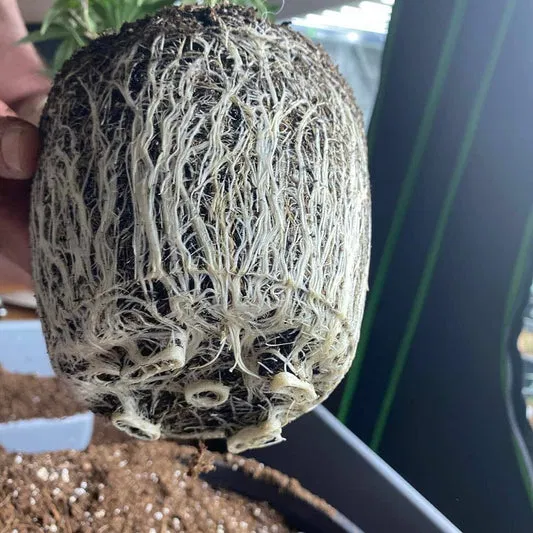
- Root Health: Pull a plant and look at the roots. They should be white, fuzzy (covered in root hairs), and have soil sticking to them (the "Rhizosheath").
- Brix Levels: Using a refractometer to measure plant sugars can give you an instant read on how well the biology is supporting the plant.
- Earthworm Counts: A simple but effective indicator of soil health restoration.
Frequently Asked Questions (FAQ)
How long does the transition take?
While you will see immediate improvements in soil structure and water retention within the first season, a full biological restoration usually takes 3 to 5 years. Using Bio-boost (Terrabiotics) can often shorten this window by accelerating microbial colonization.
Will my yields drop?
In some cases, there is a minor dip in the first year as the system recalibrates. However, our goal at Regen Soil is to maintain "functional yield" while significantly lowering your "cost per unit" by reducing fertilizer expenses.
Is regenerative farming only for organic growers?
No. Regenerative practices can be integrated into any operation. Many of our clients are conventional farmers looking to reduce their chemical footprint and improve their "bottom line" through better soil health.
What is the difference between Living Soil and Super Soil?
This is a common point of confusion. Living Soil (Rhizo Logic®) is an active ecosystem that regenerates itself, whereas "Super Soil" is often just a heavily pre-amended mix that can burn out over time. For a deep dive, check out our article on Living Soil vs. Super Soil.
Start Your Journey Today
Transitioning to regenerative farming is the most rewarding shift a land steward can make. It moves us away from the "war" against nature and into a partnership with it. By focusing on soil restoration, we aren't just growing better crops; we are building a legacy of fertile land for the next generation.
If you are ready to stop guessing and start growing, we invite you to Meet Jeremy and the team to discuss how we can tailor a plan for your specific acreage. Whether you need a full ISH Assessment or just want to start with some Bio-boost, we are here to mentor you every step of the way.
What is the biggest challenge you face on your farm today? Let us know in the comments below, and let’s grow together!