
Soil Restoration Case Study: From Sterile Sand to a Thriving Living Ecosystem
At Regen Soil, we don't just see "dirt." We see the potential for a thriving, underground metropolis. But what happens when that metropolis is a ghost town? We’re talking about sterile sand, the kind of ground that’s been so over-worked, chemically treated, or neglected that it’s effectively dead.
In this case study, we’re breaking down a major soil restoration project where we took a plot of lifeless, "beach-quality" sand and transformed it into a biologically dense, carbon-sequestering ecosystem. This isn't just about making things green; it’s about rebuilding the biological foundation of the Earth.
The Challenge: When "Dirt" Isn't Soil
When we first stepped onto the site for this project, the conditions were grim. The ground was 96% sand, with almost zero silt or clay, and, most importantly, less than 0.5% organic matter. In the world of agriculture, this is what we call "sterile."
Sterile sand lacks the structure to hold water and the biology to process nutrients. It’s a vicious cycle: plants can’t grow because there’s no food, and because there are no plants, there’s no "root exudates" to feed the beneficial soil microbes. Without those microbes, the soil stays dead.
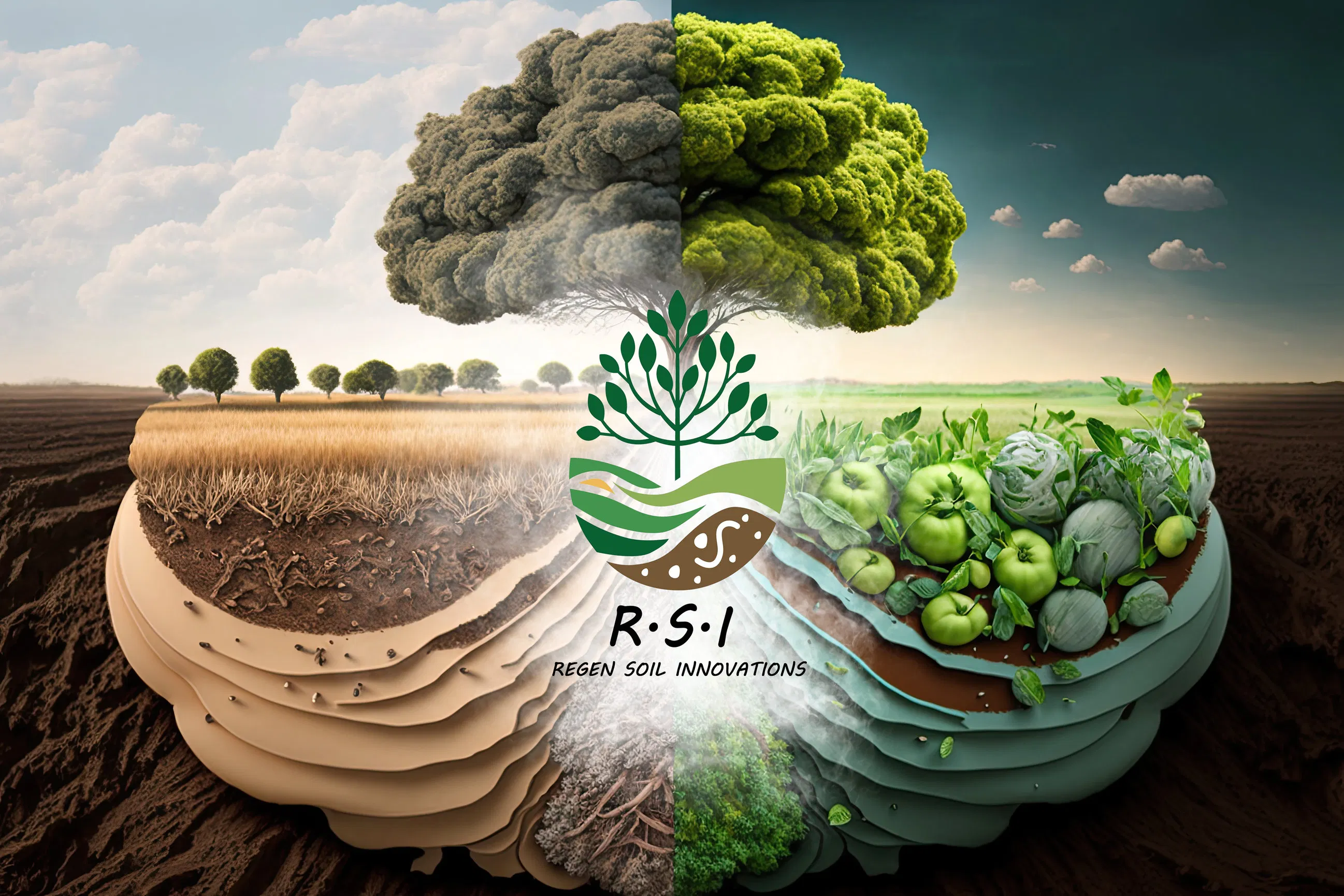
Many growers try to fix this with synthetic fertilizers. But on sterile sand, those chemicals just wash straight through into the groundwater, creating a "leaky" system that costs a fortune and does nothing for long-term health. We knew we needed a different approach, the RSI (Regen Soil Innovations) Method.
The Initial Soil Health Assessment: Diagnosing the Dead Zone
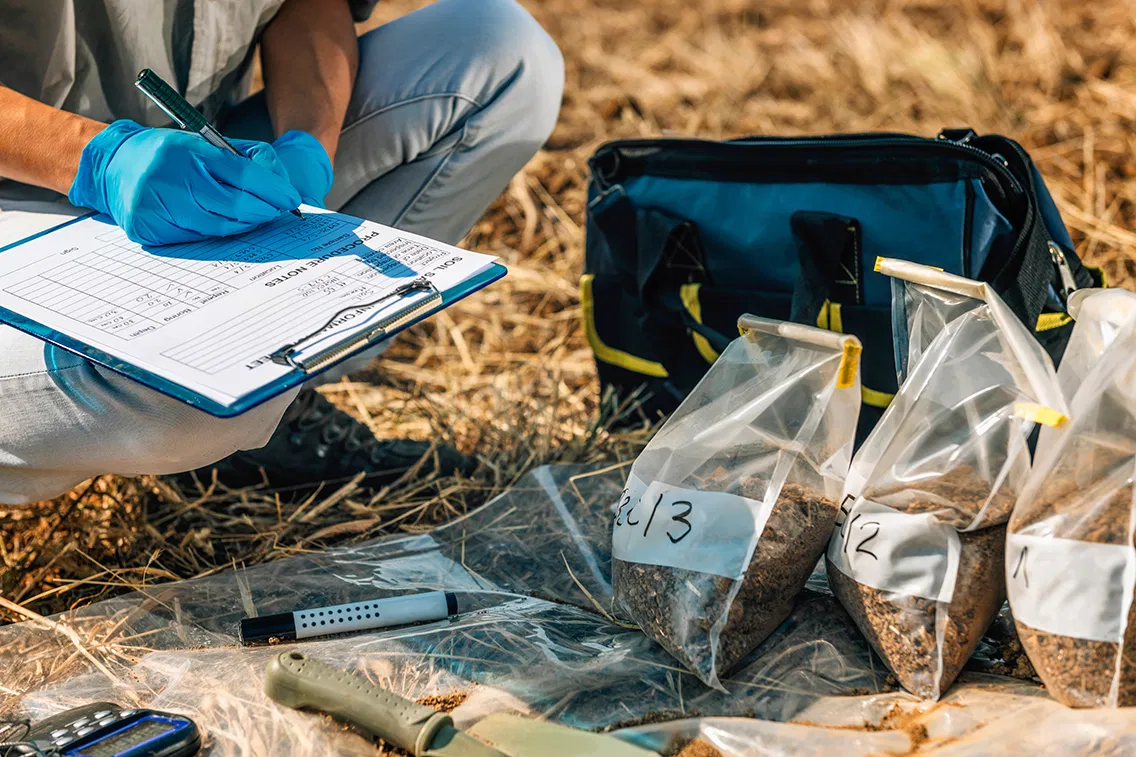
You can’t fix what you don’t understand. The first step in any soil restoration project is a comprehensive soil health assessment.
We performed our Initial Soil Health (ISH) Assessment to get a baseline. This isn't your standard N-P-K test from the local hardware store. We look at the "Big Three":
- Chemical: Nutrient availability and pH.
- Physical: Compaction, aeration, and water-holding capacity.
- Biological: The presence (or absence) of bacteria, fungi, protozoa, and nematodes.
Our assessment confirmed our fears: the biological activity was nearly non-existent. There were no "Microscopic Architects" (protozoa) to cycle nitrogen, and the fungal-to-bacterial ratio was heavily skewed toward "nothing at all."
The Science of Soil Restoration: Biology Over Chemistry
To turn sand into soil, you have to invite life back to the party. How to improve soil health isn't a mystery; it’s a biological process. We focused on three core pillars for this restoration:
1. Reintroducing Beneficial Soil Microbes
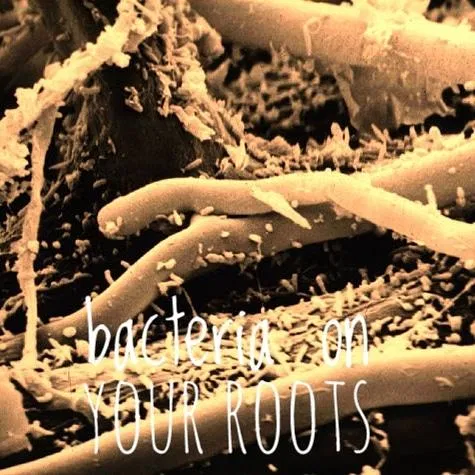
Soil is a living digestive system. In this project, we used our proprietary Rhizo Logic® products to jumpstart the microbiome. These products are packed with high-diversity microbes designed to colonize the root zone (the rhizosphere). By introducing these beneficial soil microbes, we essentially "installed" the labor force needed to mine nutrients from the sand particles and deliver them to the plants.
2. Carbon Sequestration and Organic Matter
Sand doesn't hold onto anything. To change the physical structure, we introduced Biochar. Think of biochar as a "coral reef" for microbes. It provides a permanent, porous home where bacteria and fungi can hide from predators and droughts.
3. Native Seed Interventions
Drawing inspiration from large-scale restoration projects (like the Zoige Plateau dunes), we utilized indigenous grass species. Native plants have spent thousands of years adapting to local stresses. Their deep root systems are the primary way we pump carbon back into the ground.
Step-by-Step: The RSI Restoration Process
If you’re wondering how to improve soil health on your own property, here is the simplified version of the workflow we used for this case study:
- Stabilization: On sterile sand, erosion is a major threat. We used organic barriers to prevent the sand from shifting while our seeds took root.
- Inoculation: We applied Ultra Bio Boost by Terrabiotics to the seeds and the soil, alongside Rhizo Logic® inputs designed to support the living soil. This ensured that the very first roots to emerge were immediately "plugged in" to a microbial network.
- Moisture Management: Sterile sand dries out in minutes. By increasing microbial biomass, we naturally increased the soil's ability to hold water. Microbes produce "glues" (bio-polymers) that stick sand particles together, creating aggregates that trap moisture.
- Nutrient Cycling: We moved away from synthetic salts and focused on organic amendments that feed the microbes, not just the plants. This is the hallmark of Regenerative Agriculture.
The Role of Rhizo Logic® in Biological Foundations
The "secret sauce" in this transformation was the targeted use of Rhizo Logic® to build and support the living soil, paired with Ultra Bio Boost by Terrabiotics as part of the broader biological restoration strategy. Most off-the-shelf microbial products are "dormant" or contain very few species. Rhizo Logic® is different because it focuses on a diverse consortium of microbes that work together.
When we apply these beneficial soil microbes, they go to work immediately:
- Bacteria break down organic matter and create bio-glues.
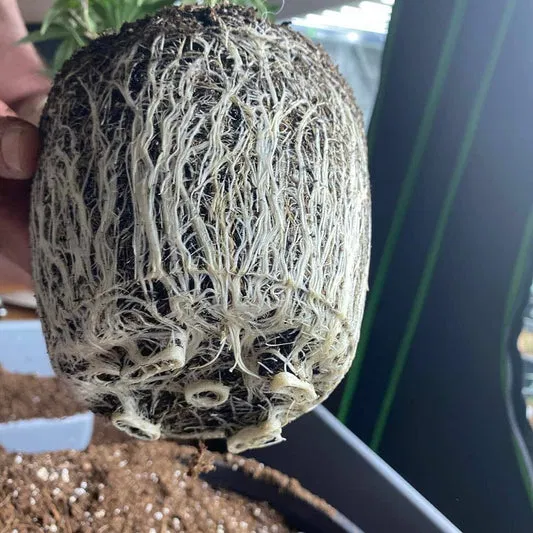
- Fungi (Mycorrhizae) extend the root system by hundreds of times, reaching deep into the sand for water.
- Protozoa eat the bacteria and "poop" out plant-available nitrogen right where the plant needs it.
This "poop cycle" is the engine of a healthy ecosystem. Without it, you’re just pouring expensive liquid fertilizer into a sandbox.
Results: Measuring Success in a Living Ecosystem
After 12 months of following the RSI Method, the results were staggering. We performed a follow-up soil health assessment, and the data told a beautiful story:
- Organic Matter: Increased from <0.5% to 2.4%. While that sounds small, it represents a massive shift in the soil's ability to support life and sequester carbon.
- Water Retention: The soil could now hold 20% more moisture than the untreated control plots.
- Nutrient Density: The plants grown in the restored soil showed significantly higher brix levels (sugar content) and mineral density. We're talking about food that actually nourishes you, solving the "Empty Plate Problem."
- Biodiversity: We saw a 300% increase in microbial richness. The "sterile sand" was now a "thriving living ecosystem."
Restoration Tips for Beginners and Pros
Whether you’re a commercial farmer or a backyard gardener dealing with "bad dirt," these principles apply to you:
- Stop Tilling: Tilling is like a hurricane for soil microbes. It destroys the fungal networks we work so hard to build. Learn more about No-Till Farming here.
- Keep it Covered: Bare soil is dying soil. Use mulch or cover crops to protect your microbes from the sun's UV rays.
- Bio-Inoculate: Don't just plant a seed; plant an ecosystem. Use Rhizo Logic® to give your plants the biological edge from day one.
- Focus on Diversity: Don't just grow one thing. Diverse plants above ground lead to diverse microbes below ground.
Frequently Asked Questions
How long does soil restoration take?
Nature doesn't hurry, but with the right biological inputs like Rhizo Logic®, you can see significant improvements in a single growing season. Total restoration of sterile land usually takes 2-3 years of consistent regenerative practices.
Can I do this in containers?
Absolutely! In fact, it’s often easier to build a living ecosystem in a controlled environment. Check out our guide on Regenerative Patio Gardening to see how we apply these same principles to fabric pots.
Is sterile sand common?
More than you’d think. Modern industrial agriculture and heavy chemical use have turned vast swaths of fertile land into "functional sand", soil that looks like soil but has no biological activity.
Do I need a soil health assessment?
If you’re serious about soil restoration, yes. An ISH Assessment saves you money in the long run by telling you exactly what’s missing, so you don't waste money on amendments you don't need.
Join the Regeneration Movement
Soil is the skin of the Earth, and it’s our job to heal it. This case study proves that even the most "hopeless" sterile sand can be brought back to life with a science-backed, biology-first approach.
Are you ready to stop treating your soil like dirt and start treating it like a living ecosystem? We’re here to help. Whether you need a professional assessment or the best microbial products on the market, Regen Soil has your back.
What’s your biggest struggle with your soil? Drop a comment below or reach out to us( let’s get your dirt living again!)


