
Why Everyone Is Talking About Soil Restoration (And Your Garden Needs It Too)
If you’ve spent any time on social media or in environmental circles lately, you’ve probably noticed that "soil" is having a major moment. It’s no longer just the stuff you wash off your boots; it’s being hailed as the secret weapon against climate change, the foundation of food security, and the key to a thriving, low-maintenance garden.
At Regen Soil, we’ve been banging this drum for years. But why is everyone else suddenly catching on? And more importantly, why should you, a home gardener or craft cultivator, care about soil restoration?
The short answer: because your soil is likely "dead," and dead soil makes for expensive, frustrating gardening. The long answer involves a fascinating journey into the rhizosphere, the power of carbon sequestration, and the revolutionary world of Rhizo Logic®.
The Global "Dirt" Crisis (And Why Restoration is the Solution)
To understand why we need restoration, we have to look at what we’ve lost. Over the last century, industrial agriculture and urban development have treated soil like an inert substrate, a mere "anchor" for plants to sit in while we pump them full of synthetic salts.
This approach has led to massive topsoil degradation. When soil loses its biological life, it loses its structure. It becomes "dirt", a dusty, compacted, or clay-heavy mess that can’t hold water or nutrients.

Why Soil Restoration is a Global Priority:
- Climate Change Mitigation: Healthy soils act as a massive carbon sink. Through carbon sequestration, plants pull CO2 from the atmosphere and pump it into the soil as liquid carbon (exudates) to feed microbes. Restoring soil on a global scale could offset a significant portion of annual emissions.
- Water Management: Restored soil acts like a sponge. For every 1% increase in organic matter, an acre of soil can hold an additional 20,000 gallons of water. This prevents runoff, flooding, and the need for constant irrigation.
- Nutrient Density: We are what our plants eat. If the soil is depleted of minerals and microbial life, our food is less nutritious. Regenerative agriculture aims to fix the nutrient cycle from the ground up.
Why Your Garden Needs a Microbial Makeover
You might think, "I’m just growing a few tomatoes and some high-quality herbs; do I really need to worry about global soil restoration?"
Absolutely. Most backyard gardens, especially in urban or suburban areas, suffer from the same degradation seen on industrial farms. Whether it’s compaction from construction, the over-application of synthetic "Miracle" products, or the lack of biodiversity, your garden is likely struggling to reach its genetic potential.
Signs Your Soil Needs Restoration:
- Compaction: Your soil is hard as a rock when dry and a swamp when wet.
- Pest Pressure: You’re constantly fighting fungus gnats, aphids, or spider mites.
- Nutrient Lockout: Your plants look yellow or stunted despite you adding "food."
- Lack of Life: You don’t see any earthworms, and the soil smells "sour" or has no smell at all.
When we talk about soil restoration at the garden level, we aren’t just adding fertilizer. We are rebuilding a living soil ecosystem. This means shifting your focus from feeding the plant to feeding the soil microbiome.
The Secret Sauce: The Rhizosphere and Rhizo Logic®
In a healthy ecosystem, plants don't just sit there. They are active participants in a complex trade agreement with microorganisms. This happens in the rhizosphere, the narrow region of soil directly influenced by root secretions.
This is where our proprietary line, Rhizo Logic®, comes into play. We’ve spent years studying the microscopic architects of soil health, fungi, bacteria, and protozoa, to develop products that jumpstart this natural process.
Understanding the Players:
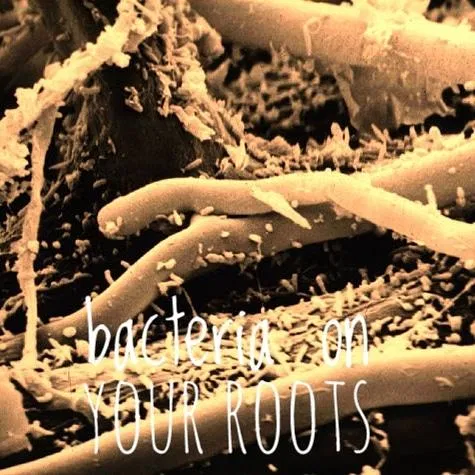
- Fungi: These are the "internet" of the soil. They form mycorrhizal networks that extend the reach of roots, bringing in phosphorus and water from far away.
- Bacteria: These tiny powerhouses break down organic matter and "fix" nitrogen so plants can use it.
- Protozoa: These are the predators. By eating bacteria, they release a concentrated burst of nitrogen right at the root zone.
By utilizing Rhizo Logic®, you aren't just adding nutrients; you're installing a self-sustaining workforce that manages nutrient cycling for you. This is the difference between a "Super Soil" (which is often just a hot mix of fertilizers) and a true Living Soil. You can learn more about this distinction in our guide on Living Soil vs. Super Soil.
How to Restore Your Garden Soil: A Step-by-Step Guide
We believe in making regenerative organic living systems accessible to everyone. Here is how we recommend you begin the restoration process in your own backyard or grow room.
1. Stop the Tilling
Every time you turn the soil over, you destroy the delicate fungal hyphae and collapse the soil structure. Think of it like a hurricane hitting a city. Instead, embrace "no-till" or "minimal-till" practices.
2. Cover Your Soil
Nature hates being naked. Bare soil is subject to erosion, temperature spikes, and microbial death. Use high-quality mulch or, even better, cover crops. For those growing specific high-value crops, check out our complete guide on cover crops for cannabis.
3. Add Microbial Diversity
You can't have a party if nobody shows up. Use science-backed amendments to reintroduce the biology. We suggest an ISH Assessment (In-Situ Hybridization) to see exactly what your soil is missing. You can book an ISH Assessment here to get a laboratory-grade look at your soil’s microbial population.
4. Feed the Microbes
Once the biology is there, you need to keep them fed. We recommend using products like Bio-boost (a Terrabiotics product) to provide the complex carbohydrates and minerals that microbes crave. This ensures the "underground economy" stays booming.
Beginners vs. Experienced Growers: Tailoring Your Restoration
We work with everyone from first-time gardeners to large-scale commercial operations. The principles of soil restoration remain the same, but the application varies.
For the Beginner:
Focus on the basics. Get a high-quality 5-gallon living soil setup and observe the difference. Stop using "blue water" synthetic fertilizers immediately. Your goal is to see your first earthworm or a "fuzzy" white layer of beneficial fungus (mycelium) on the soil surface.
For the Experienced / Commercial Grower:
It’s all about the Fungal/Bacteria (F:B) ratios. Different plants prefer different ratios. For example, cannabis and most garden vegetables thrive in a balanced or slightly fungal-dominant environment. We dive deep into this in our article on understanding fungal/bacteria ratios. At this level, precision and data from an ISH Assessment are your best friends.
The Payoff: Why This Matters for Your Harvest
Restoring your soil isn't just an altruistic act for the planet; it’s a win for your wallet and your harvest.
- Resilience: Healthy soil buffers against pH swings and temperature changes. If you miss a watering, your plants won't immediately wilt because the living soil structure retains moisture.
- Pest Resistance: A plant with a healthy microbiome has a "shield." Many beneficial microbes actually produce compounds that repel pests or trigger the plant’s own immune system. (Struggling with pests now? Check our guide on fungus gnats).
- Flavor and Potency: Terpenes and flavonoids are the result of complex biological interactions. You simply cannot replicate the "soul" of a sun-grown, living-soil plant in a sterile, salt-fed environment.
Frequently Asked Questions (FAQ)
Q: How long does soil restoration take?
A: You will see biological activity within days of adding Rhizo Logic® products, but true soil structure restoration (turning clay or sand into rich loam) usually takes 1–3 growing seasons of consistent regenerative practices.
Q: Can I restore soil in containers?
A: Absolutely! In fact, it’s often easier because you have a controlled environment. Living soil thrives in large containers (15+ gallons) but can be managed in smaller ones with the right amendments.
Q: Is "Living Soil" the same as organic gardening?
A: Living soil is a type of organic gardening, but it goes further. While many organic fertilizers still rely on the gardener "feeding" the plant, living soil relies on the microbes feeding the plant.
Q: Do I still need to use Bio-boost if I have Rhizo Logic?
A: Yes. Think of Rhizo Logic as the workers and Bio-boost (by Terrabiotics) as their lunch. One provides the life, the other provides the sustained energy to keep that life working for your plants.
Join the Regeneration Movement
We are at a crossroads in history. We can continue to deplete our land until nothing grows, or we can partner with the incredible biological systems that have evolved over millions of years.
At Regen Soil, we are here to guide you through that transition. Whether you’re looking to heal a backyard patch or scale a commercial grow, our science-backed methods and RSI Method provide the roadmap to success.
What’s the biggest struggle you’re facing with your soil right now? Drop a comment below or reach out to us for a personalized consultation. Let’s stop growing in dirt and start growing in life.
Ready to see what's actually happening under the surface? Book your ISH Assessment today and join a community of growers who are changing the world, one root at a time.


