The Ultimate Guide to Living Soil: Everything You Need to Succeed with a Patio Garden
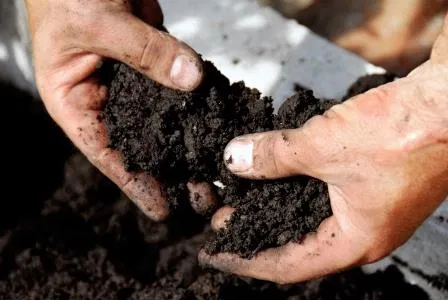
Let’s be honest: most of us have treated soil like it’s just “dirt”, the brown stuff that holds a plant upright while we pump it full of blue-colored liquid "food." But if you’re trying to grow world-class organic veggies or medicinal herbs on your patio, that old-school chemical approach is like trying to survive on nothing but vitamin pills and energy drinks. You might stay upright, but you aren’t exactly thriving.
At Regen Soil, we’re obsessed with the magic happening beneath the surface. We don't just see dirt; we see a bustling metropolis of trillions of tiny workers. This is the world of living soil, and it is the secret weapon for every patio gardener who wants to grow nutrient-dense, organic food without the headache of synthetic schedules.
Whether you have a sprawling deck or a tiny fire-escape setup, this guide will show you how to harness soil microbiology to create a self-sustaining ecosystem in a pot.
What Exactly Is Living Soil? (Hint: It’s Alive!)
In the simplest terms, living soil is a growing medium that is teeming with life. We’re talking about a complex community of beneficial microbes, bacteria, fungi, protozoa, and nematodes, working in a symbiotic dance.
Think of it as a "forest floor in a bag." In a natural forest, nobody is out there with a watering can and a bottle of Miracle-Gro. The forest feeds itself through nutrient cycling. Organic matter falls to the ground, microbes break it down, and they trade those nutrients to the plant roots in exchange for sugary carbon (exudates).
When we bring this concept to patio gardening, we are recreating that natural cycle in a container. Instead of feeding the plant directly with salt-based fertilizers, we are feeding the soil, and the soil feeds the plant.
The Science of the Soil Food Web
To really understand how to improve soil health, we have to look at the "players" in the game. This isn't just "hippie science"; it’s heavy-duty biology that determines the health of your harvest.
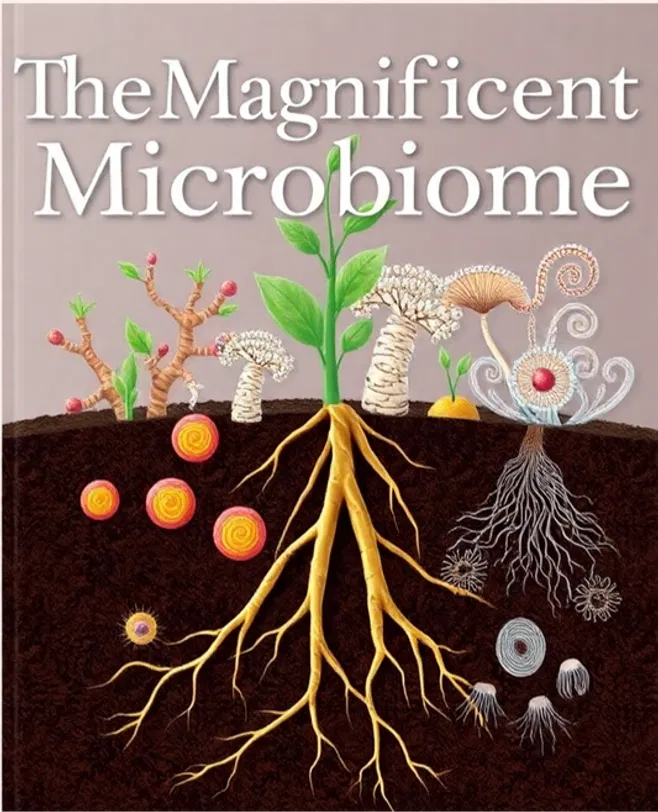
- Bacteria & Fungi: These are the primary decomposers. They break down organic matter and store nutrients in their bodies so they don't wash away when you water your pots.
- Protozoa & Nematodes: These are the "predators." They eat the bacteria and fungi, and when they "go to the bathroom," they release nitrogen and other nutrients in a form that the plant can actually eat.
- Mycorrhizal Fungi: These guys are the plant’s best friends. They attach to the roots and act like an extended internet service provider, reaching far into the soil to bring back water and phosphorus that the plant couldn't reach on its own.
We call this the Rhizo Logic® approach. By focusing on these biological interactions, we ensure your patio garden isn't just a collection of plants, but a thriving, regenerative system. You can dive deeper into these nuances in our post on Living Soil vs. Super Soil.
Why Living Soil is a Game-Changer for Patio Gardens
If you’re growing in containers, you’re dealing with a limited amount of space. This usually means plants dry out faster and run out of food quicker. Living soil fixes these "small pot" problems in a big way:
1. Superior Water Retention
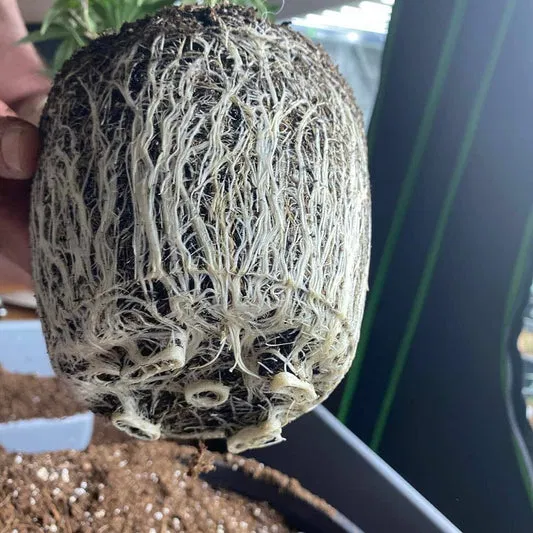
Microbes produce "glues" (like glomalin) that help soil particles stick together into little clumps called aggregates. These aggregates act like tiny sponges, holding onto moisture much longer than dead, dusty potting mix. This means less time spent with the watering can and more time enjoying your patio.
2. Auto-Pilot Nutrition
In a living system, the plant is the boss. If the plant needs more phosphorus to make a flower, it sends a signal to the microbes, and the microbes go fetch it. This nutrient cycling happens 24/7. No more worrying about "NPK" ratios every Tuesday; the soil handles the heavy lifting.
3. Pest and Disease Suppression
A healthy soil microbiome is like an immune system for your garden. Beneficial fungi like those found in our Rhizo Logic® products compete with harmful pathogens. When your soil is crowded with "good guys," there’s no room for the "bad guys" to set up shop. This is crucial for organic food production because it reduces the need for nasty pesticides.
How to Start Your Living Soil Journey: The Full Living Soil Patio Kit
We know that setting up a living ecosystem from scratch can feel intimidating. Do you need a microscope? Do you need to brew weird teas in your kitchen? Not necessarily.
We designed the RegenSoil Full Living Soil Patio Kit specifically for home gardeners who want professional-grade results without the guesswork. In other words, we already handled the “what container do I use?” and “what soil do I start with?” questions, so you can skip the analysis paralysis and get straight to growing.
Here’s what makes it so beginner-friendly:
- No need to choose a container. The kit comes with a 5-gallon Grassroots Living Soil cloth pot, which gives you the airflow and root-zone performance we like for patio setups without sending you into a late-night container comparison spiral.
- No need to choose a soil base. It also includes 5 gallons (0.8 cubic feet) of Rhizo Logic Living Soil, so your biological foundation is already built in.
- Your seeds are included. You can choose from cherry tomatoes, bell peppers, lettuce, or arugula, depending on whether you're aiming for salad, snacks, or a little patio produce bragging rights.
- Built-in microbial support. The kit includes Ultra Bio-Boost to help support strong microbial activity and keep the soil food web humming along.
- A little expert help never hurts. You also get a free 10-minute video consult so we can help you get started on the right foot and avoid the classic beginner move of overthinking absolutely everything.
Instead of piecing together pots, soil, seeds, and amendments from five different places, this kit gives you a simple, science-backed starting point in one package.
Check out our RSI Method for a deeper look at our systematic approach to soil restoration.
Maintaining Your Ecosystem: Pro-Tips for Success
Once you’ve got your living soil up and running, the goal is to keep it thriving season after season. Unlike traditional potting soil that you throw away every year, living soil actually gets better with age.
Don't Till the Soil
In a container, it’s tempting to stir everything up between plantings. Don't do it. Tilling breaks the delicate fungal hyphae (the "internet cables") that your microbes have spent months building. Instead, just pull the old plant out, add a little top-dress of compost, and plant your new seed. We’ve covered why this is so important in our guide to No-Till Farming.
Use Mulch
Bare soil is unhappy soil. Microbes hate direct sunlight and extreme temperature swings. A layer of straw, wood chips, or even a "living mulch" (like clover) acts as a blanket, keeping the biology cool, moist, and active.
Monitor, Don't Guess
If you notice your plants looking a bit "off," don't just dump more fertilizer on them. Often, the issue isn't a lack of nutrients, but a breakdown in the microbial delivery system. An Initial Soil Health Assessment can tell you exactly what’s happening at a microscopic level so you can fix the root cause (pun intended).

Common Mistakes to Avoid
Even the best patio gardeners can stumble. Here are the top "no-nos" we see:
- Chlorinated Water: Straight tap water can sometimes contain enough chlorine to knock back your microbial populations. If you can, let your water sit out for 24 hours or use a simple filter to keep your microbes safe.
- Overwatering: Living soil holds water well, but it still needs oxygen. If the soil is constantly a swamp, you’ll drown the beneficial aerobic microbes and invite anaerobic "stinkers" and pests like fungus gnats.
- Using "Cide" Products: Pesticides, fungicides, and herbicides are generally "equal opportunity killers." They don't just kill the bad bugs; they wipe out the beneficial biology you've worked so hard to build.
Living Soil for Beginners vs. Pros
For the Beginners: Keep it simple. Start with our Full Living Soil Patio Kit. It has everything you need to succeed on day one. Focus on consistent watering and watching your plants: they will tell you when they’re happy.
For the Experienced Growers: It's time to get surgical. Start experimenting with specific microbial boosts like our Bio-Boost and focus on fine-tuning your fungal-to-bacterial ratios to match the specific crop you're growing.
Frequently Asked Questions
Q: Does living soil smell bad? A: Quite the opposite! Healthy living soil should smell like a fresh forest after a rainstorm: earthy and sweet. If it smells like rotten eggs or vinegar, you have a drainage/oxygen issue.
Q: Can I use living soil for my indoor plants too? A: Absolutely. While we love a good patio garden, the principles of soil microbiology work just as well in your living room. Just keep an eye on moisture levels since indoor air is usually drier.
Q: Is it more expensive than regular soil? A: Initially, there’s an investment in the biology and quality amendments. However, because you can reuse the soil for years and you don't need to buy expensive liquid nutrients, it actually saves you a ton of money (and plastic waste) in the long run.
Ready to Grow?
Growing your own food is one of the most revolutionary things you can do, and doing it with living soil makes the process more rewarding, more sustainable, and, frankly: a lot more fun.
If you're ready to stop "gardening with chemicals" and start "farming with biology," we’re here to help. Check out our full range of Living Soil Products or reach out to us for a personalized consultation.
What’s growing on your patio this season? Drop a comment below or tag us in your garden photos: we love seeing those microbes in action!