
The Ultimate Guide to Regenerative Agriculture at Home: Everything You Need to Succeed with Living Soil
By Jeremy Standring
Let’s be honest: most of us were taught that gardening is a battle. It’s "us versus the weeds," "us versus the bugs," and "us versus the dirt." We’ve been told to till it until it’s fluffy, spray it when something crawls, and dump synthetic blue liquid on it when the plants look sad.
At Regen Soil, we’re here to tell you that the "war on the backyard" is officially over. We’re moving toward a peace treaty with nature, and it’s called Regenerative Agriculture.
Whether you have ten acres or a ten-square-foot patio, you can practice regenerative techniques. It’s not just about growing a tomato; it’s about restoring an ecosystem. It’s about moving away from "sterile dirt" and embracing Living Soil. Because if your soil isn't alive, your plants are essentially on life support.
What is Regenerative Agriculture, Anyway?
In the simplest terms, regenerative agriculture is a system of gardening and farming principles that rehabilitates the entire ecosystem. While "sustainable" agriculture tries to keep things the same, "regenerative" agriculture makes things better. We aren't just trying to "do no harm"; we are actively healing the land.
The goal? To increase biodiversity, enrich soils, improve watersheds, and enhance ecosystem services. By capturing carbon in soil and aboveground biomass, we’re actually helping to reverse current global trends of atmospheric accumulation. Plus, the food tastes way better. If you’ve ever wondered why a store-bought salad tastes like nothing, it’s because it’s basically just crunchy water.
The Core Principles of a Regenerative Home Garden
To succeed, you need to think like an ecosystem. Here at Regen Soil, we break this down into a few non-negotiable rules.
1. Minimize Soil Disturbance (Put Down the Tiller)
Tilling is the equivalent of an earthquake, a tornado, and a fire happening to a city all at once. When you turn the soil, you shatter the delicate fungal networks (mycelium) and crush the microscopic tunnels created by worms and roots.
For the Beginner: Stop digging. If you need to plant, make a small hole. If the soil is compacted, use a broadfork to gently crack the surface without flipping it. This preserves the soil structure and keeps the carbon where it belongs: in the ground.
2. Soil Armor: Never Leave It Naked
Nature hates a vacuum, and it hates bare skin. If you leave soil exposed, the sun bakes the microbes to death, and the rain washes the nutrients away.
We recommend: Always keep your soil covered. Use high-quality mulch, wood chips, or: better yet: living plants. This "soil armor" regulates temperature and keeps your microbial workforce happy and hydrated.
3. Living Roots in the Ground (Year-Round)
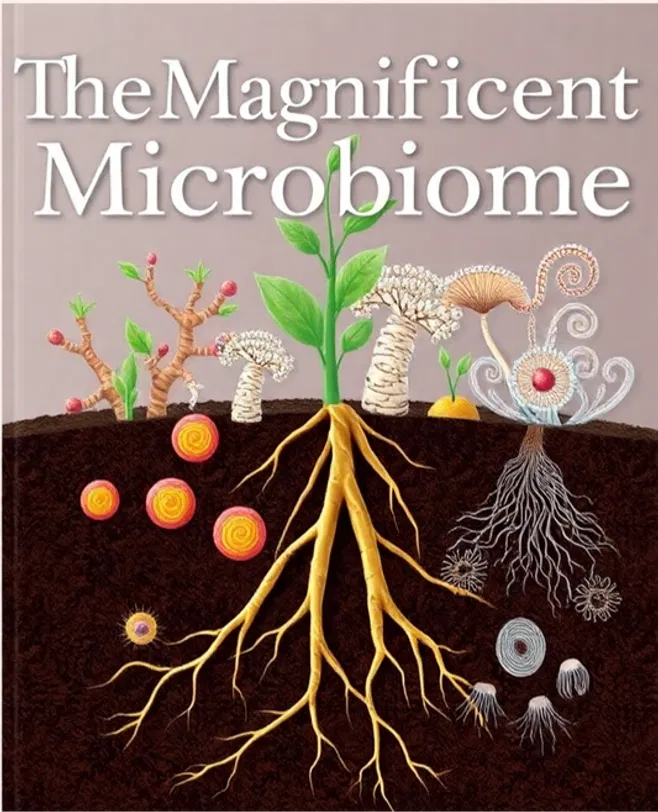
Plants are the solar panels of the earth. They take sunlight and turn it into liquid carbon (exudates), which they pump out through their roots to feed the microbes. In exchange, the microbes go out and find minerals for the plant. It’s the ultimate underground economy.
For the Experienced Grower: When a crop is finished, don't pull the roots out. Cut the plant at the base and leave the roots to rot in the ground. This provides "highways" for the next generation of roots and food for the fungi.
4. Maximize Biodiversity
Monocultures (growing just one thing) are a buffet for pests. By mixing your vegetables, flowers, and herbs together, you create a confusing environment for bad bugs and a paradise for beneficial ones.
The Science of the Rhizosphere and Rhizo Logic®
If you want to master regenerative gardening, you have to understand the Rhizosphere: the area of soil directly surrounding plant roots. This is where the magic happens.
This is also where our Rhizo Logic® philosophy comes into play. We don't just look at N-P-K (Nitrogen, Phosphorus, Potassium) levels. We look at the biological activity. Are there enough protozoa? Is the fungal-to-bacterial ratio correct?
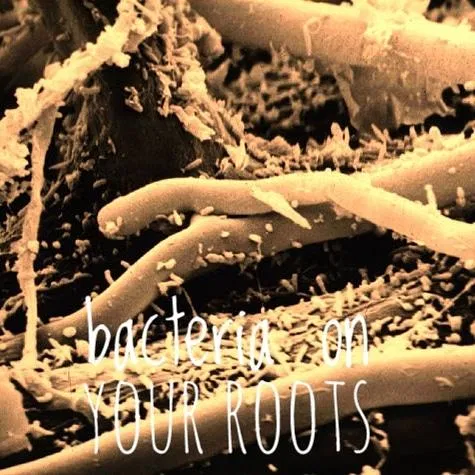
When you use Rhizo Logic® products, you aren't just "feeding" the plant; you are inoculating the system with the specific microbes needed to unlock the nutrients already present in your soil. It’s the difference between giving someone a fish and teaching them to fish (and then giving them a really nice boat).
How to Transition Your Garden: A Step-by-Step Guide
Transitioning from traditional gardening to a Regenerative Organic Living System isn't as hard as it sounds, but it does require a shift in mindset.
Step 1: Assess and Test
You can’t fix what you don't understand. Start with a biological soil test. We want to see what’s actually living down there. If your soil looks like gray, dusty sand, don't panic. We’ve seen sterile sand turn into a thriving ecosystem in just one season.
Step 2: Inoculate with Biology
If your soil has been treated with chemicals or heavily tilled, the "good guys" are likely gone. You need to reintroduce them. This is where high-quality compost or a Full Living Soil Patio Kit comes in. You are essentially "seeding" the soil with life.
Step 3: Plant Cover Crops
Don't let your garden sit empty in the winter or between plantings. Use cover crops like clover, vetch, or peas. These plants "fix" nitrogen from the air into the soil, saving you money on fertilizers and preventing erosion.

Step 4: Chop and Drop
Instead of hauling your garden waste to the curb, chop it up and drop it right on top of the soil. This is the natural way soil restoration happens. That "waste" is actually free organic matter and nutrients.
Living Soil vs. "Super Soil": What’s the Difference?
A common mistake is confusing "Living Soil" with "Super Soil."
- Super Soil is often a heavily amended mix that is "pre-loaded" with enough nutrients to last a season. It’s great for a quick fix, but it eventually runs out of steam.
- Living Soil is an ecosystem. It’s a self-perpetuating cycle where the biology creates the fertility.
We’ve written a deep dive on this comparison, but the takeaway is this: Living soil gets better with age; super soil gets worse.
Troubleshooting Your Regenerative Garden
Even in a perfect system, things happen. The key is how you respond.
- Pests: If you see aphids, don't reach for the poison. That poison kills the ladybugs too. In a regenerative system, we wait for the predators to show up.
- Fungus Gnats: These are common in high-organic matter environments. Check out our organic battle plan for fungus gnats to handle them without nuking your soil biology.
- Slow Growth: This often happens in the "transition phase." It takes time for the microbes to build their "infrastructure." Be patient. In Zone 6 and similar climates, waiting until May is often the secret to letting the soil warm up and the biology wake up.
Why This Matters for Your Health
At Regen Soil, we believe that Soil Health is Human Health. When you grow food in a regenerative organic living system, the plants have access to a full spectrum of minerals and secondary metabolites that simply aren't present in industrial agriculture.
The result is food that is more nutrient-dense, more flavorful, and better for your gut microbiome. When you eat a carrot grown in living soil, you are essentially consuming the health of that entire ecosystem.
Frequently Asked Questions
Q: Can I do this in containers?
A: Absolutely! In fact, it’s one of the best ways to start. Our Ultimate Guide to Patio Gardening covers exactly how to scale these massive agricultural principles down to a fabric pot.
Q: Is it more expensive?
A: Upfront, you might spend more on high-quality inoculants and biology. However, over time, your costs plummet. You stop buying fertilizers, you stop buying pesticides, and you use significantly less water because living soil holds moisture like a sponge.
Q: Does it smell?
A: Healthy living soil should smell like a fresh forest floor: earthy and sweet. If it smells like rotten eggs, you have an anaerobic (lack of oxygen) problem, usually from overwatering.
Join the Movement
Regenerative agriculture isn't just for farmers with 500-acre spreads and expensive tractors. It’s for the person with a window box, a backyard raised bed, or a small community plot. It’s about taking responsibility for the small patch of earth you manage and leaving it better than you found it.
Ready to start your journey? Explore our collection of living soil essentials and let’s get to work. Your soil is waiting to come back to life.
Do you have questions about transitioning your garden? Drop a comment below or reach out to us for a consultation. We’re here to help you grow.


