
The Empty Plate Problem: Why Your Supermarket Salad is Basically Just Crunchy Water
Let’s be honest: we’ve all been there. You’re standing in the produce aisle, staring down a plastic clamshell of "Spring Mix" that costs more than a decent burrito. You buy it because you want to "eat healthy," but by the time you get it home, it’s either a soggy mess or it tastes like... well, nothing.
It’s crunchy. It’s wet. But is it actually nourishing you?
Welcome to the Empty Plate Problem. At Regen Soil, we spend a lot of time looking at what's happening under the microscope, and the news from the industrial agricultural front isn't great. Modern supermarket produce is suffering from a massive nutrient collapse. We are essentially eating the ghost of a salad.
In this post, we’re going to dive into why your grocery store veggies are losing their soul, the difference between dirt and living soil, and how you can stop being a victim of the "crunchy water" epidemic by taking control of your own soil health.
The Nutritional Mirage: Why an Apple Isn't an Apple Anymore
If you sat down with your grandparents and shared a bowl of spinach, you’d be getting significantly more vitamins than they did at your age. Studies have shown that the nutritional value of fruits and vegetables has been in a steady decline since the 1950s. We’re talking about massive drops in protein, calcium, phosphorus, iron, riboflavin, and vitamin C.
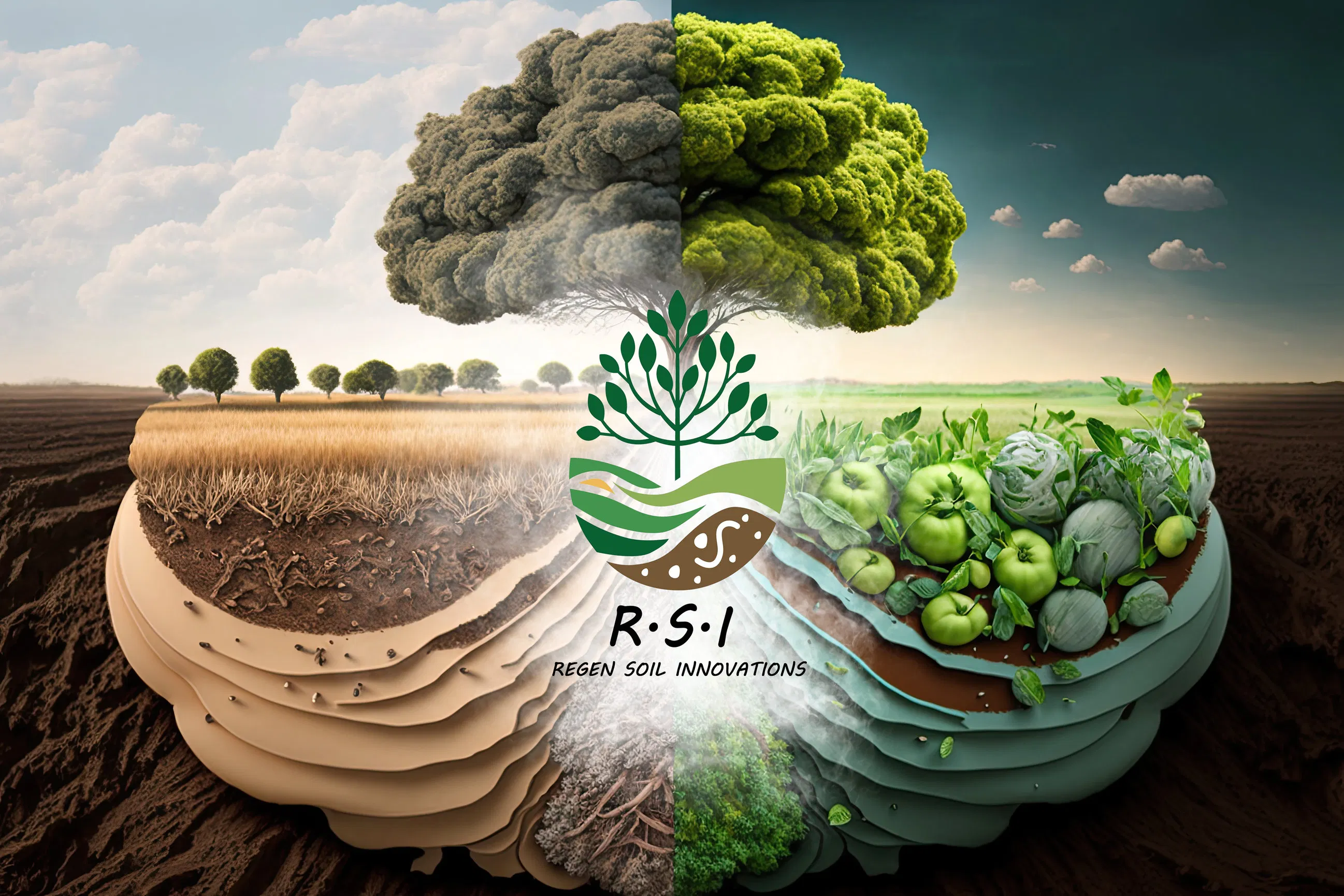
Why is this happening? It’s not because the plants are lazy. It’s because the soil they are grown in is functionally dead.
Industrial farming focuses on three main things: yield, shelf-life, and appearance. To achieve this, big-ag uses synthetic fertilizers (the N-P-K "fast food" of the plant world) to pump up plants quickly. While this makes for a big, red tomato that can survive a 1,000-mile truck ride, it doesn't give the plant time or the biological resources to pull complex minerals and phytonutrients from the earth.
The "Salad Flipping" Scandal and the Supply Chain Struggle
It isn’t just the growing process that’s broken; it’s the way the food is handled. Recent reports have highlighted "salad flipping", a practice where supermarket employees mix wilted, browning lettuce from the bottom of the bin with fresh greens on top to hide spoilage.
Beyond the deceptive aesthetics, there’s a safety issue. Pre-washed, bagged salads often sit in their own juices. Researchers have found that these accumulated liquids can actually make bacteria like Salmonella or E. coli more virulent. When you combine this with the fact that many greens have been in transit for days or weeks, you aren't just losing nutrients, you’re gaining a potential stomach ache.
Dirt vs. Living Soil: There is a Massive Difference
At Regen Soil, we preach the gospel of living soil, but many people still confuse it with "dirt." Let’s clear that up right now.
- Dirt: This is what you find in most industrial farms and, unfortunately, many backyard gardens. It is an inert growing medium. It has no biological activity. It requires constant chemical inputs to keep plants alive because it lacks the "infrastructure" to support life on its own.
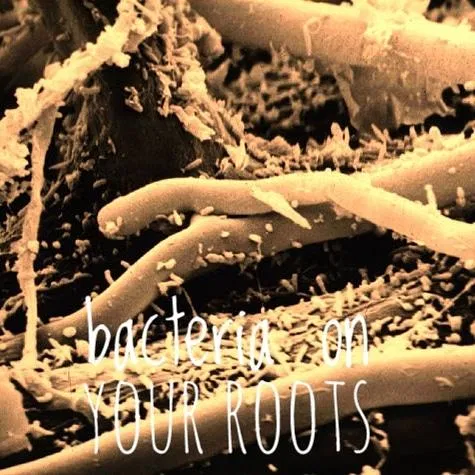
- Living Soil: This is a thriving, underground metropolis. It’s a complex ecosystem of beneficial soil microbes, fungi, protozoa, and nematodes. In living soil, the plants and the microbes have a "barter system." The plant provides carbon (sugars) through its roots, and in exchange, the microbes "mine" the soil for the exact minerals the plant needs.
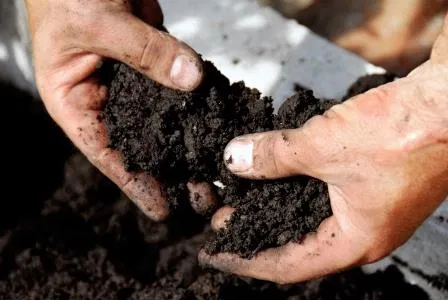
When you grow in living soil, the plant is naturally more resilient and, more importantly, nutrient-dense. You aren't just eating fiber; you’re eating a biological bank account of minerals that were unlocked by beneficial soil microbes.
The Science of Soil Restoration
How do we fix the Empty Plate Problem? It starts with regenerative agriculture. This isn't just a buzzword; it’s a survival strategy. Soil restoration is the process of bringing the "living" back into the dirt.
We focus on the RSI Method (Regen Soil Innovations), which prioritizes biology over chemistry. When we look at a farm or a home garden, we don't just ask "What's the pH?" We ask, "Who is living down there?"
The Role of Beneficial Soil Microbes
Microbes are the digestive system of the earth. Without them, nutrients are locked away in a form that plants can't "eat." By introducing products like Rhizo Logic, you are essentially "probioting" your soil. These microbial inoculants ensure that the root zone (the rhizosphere) is teeming with the right biology to protect the plant and boost its nutritional output.
How to Improve Soil Health at Home
You don't need a 500-acre farm to opt out of the crunchy water economy. You can grow nutrient-dense food on your patio, in your backyard, or even in a spare room. Here is how we recommend getting started:
- Conduct a Soil Health Assessment: Before you start dumping "miracle" bags of fertilizer, you need to know what’s actually happening. Our Initial Soil Health Assessment (ISH) uses microscopy and science-backed data to tell you exactly what your soil is missing.
- Stop Tilling: Tilling the soil is like running a giant blender through a city. It destroys the fungal networks (mycelium) that are vital for plant health. Embracing no-till farming is a game-changer.
- Use the Right Inputs: If you’re a beginner, our Full Living Soil Patio Kit is designed to give you everything you need to grow high-quality produce immediately. It’s pre-loaded with the biology needed to transform "dirt" into a thriving ecosystem.
- Feed the Biology: Use products like Bio Boost to provide the secondary metabolites and organic compounds that keep your microbes happy and working hard.
Systems Thinking: Healthier Soil, Healthier You
We have to look at this through a systems-thinking lens. We are not separate from the soil; we are an extension of it. The minerals in the soil become the minerals in the plant, which become the minerals in your body.
When we ignore soil health, we are fundamentally ignoring human health. The rise in chronic illness and "hidden hunger" (being calorie-rich but nutrient-poor) is directly correlated with our transition from living soil to industrial dirt.

Beginner’s Tip: Don't Overcomplicate It
If you’re just starting out, don't get bogged down in the chemistry. Focus on the life. Add organic matter, keep the soil covered, and avoid synthetic pesticides that kill off your "underground employees" (the microbes). If you want a deep dive into the difference between types of soil, check out our guide on Living Soil vs. Super Soil.
FAQ: The Empty Plate & Soil Health
Q: Is organic supermarket produce better than conventional?
A: Generally, yes, because it avoids synthetic pesticides. However, "organic" doesn't always mean "nutrient-dense." If the organic farm is still using heavy tillage and not focusing on microbial diversity, the nutrient levels might still be lower than produce grown in true living soil.
Q: How long does it take to restore soil health?
A: You can see massive improvements in biological activity in as little as 30 days with the right inoculants like Rhizo Logic. Full structural restoration of topsoil takes longer, but the nutritional benefits for your plants happen almost immediately once the biology is active.
Q: Can I use your products for indoor growing?
A: Absolutely. In fact, indoor environments are where living soil shines because you have total control over the ecosystem. Our patio kits and microbial products are perfect for home growers looking to maximize quality in small spaces.
Q: Why shouldn't I just use liquid fertilizers?
A: Liquid synthetic fertilizers are like an IV drip for plants. They keep the plant alive, but they make the plant "lazy." The plant stops interacting with soil biology, and you lose the complex secondary metabolites and minerals that only microbes can provide.
Take Back Your Plate
The "Empty Plate Problem" is real, but it’s not unsolvable. By shifting our focus from "feeding the plant" to "feeding the soil," we can grow food that actually tastes like something: and actually does something for our health.
Whether you’re a commercial farmer or a weekend warrior with a single tomato plant, the goal is the same: Regeneration.
Ready to see what's actually living in your garden? Check out our Soil Health Assessment services or grab a Patio Kit to start your own 30-day soil transformation.
Let’s stop eating crunchy water and start eating real food again. What are you growing this season? Drop a comment below or reach out: we’d love to help you get your biology back on track!


