
Living Soil vs. Super Soil: Which One Wins for Your Garden?
If you’ve been hanging around the regenerative gardening world for more than five minutes, you’ve probably heard the terms “Living Soil” and “Super Soil” tossed around like confetti. At first glance, they sound like the same thing, both are organic, both promise amazing yields, and both claim to be the secret sauce to a thriving garden.
But here’s the reality: while they share some DNA, they represent two fundamentally different philosophies of growing. One is a "set it and forget it" recipe designed for convenience; the other is a dynamic, self-regulating ecosystem that actually gets better over time.
At Regen Soil, we’ve seen how this choice impacts everything from your nutrient density to your long-term sustainability. If you want to move beyond just "keeping plants alive" and start practicing true regenerative farming practices, you need to know the difference. Let’s break down the Living Soil vs. Super Soil showdown.
The "Super Soil" Approach: The Pre-Loaded Powerhouse
Think of Super Soil as a high-performance battery that comes fully charged. Traditionally popularized by legendary growers like Subcool, Super Soil is a potting mix that has been "amended to the hilt."
We’re talking about a base of peat or coco coir that is heavily loaded with organic nutrients like bat guano, bone meal, blood meal, kelp, and worm castings. The idea is simple: you pack so much food into the bottom third of the container that the plant has everything it needs for its entire life cycle.
How It Works
- The "Cook" Period: You can’t just mix Super Soil and plant into it. Because it’s so nutrient-dense (often called "hot"), it needs to sit or "cook" for 6 to 10 weeks so the microorganisms can begin breaking down the raw amendments into a form the plant can actually handle without getting "burned."
- Just Add Water: The biggest selling point is convenience. For the most part, you just give the plant plain water.
- The Burnout: Because it is a finite resource, once those amendments are used up, the soil is effectively "spent."
The Living Soil Approach: The Self-Regulating Ecosystem
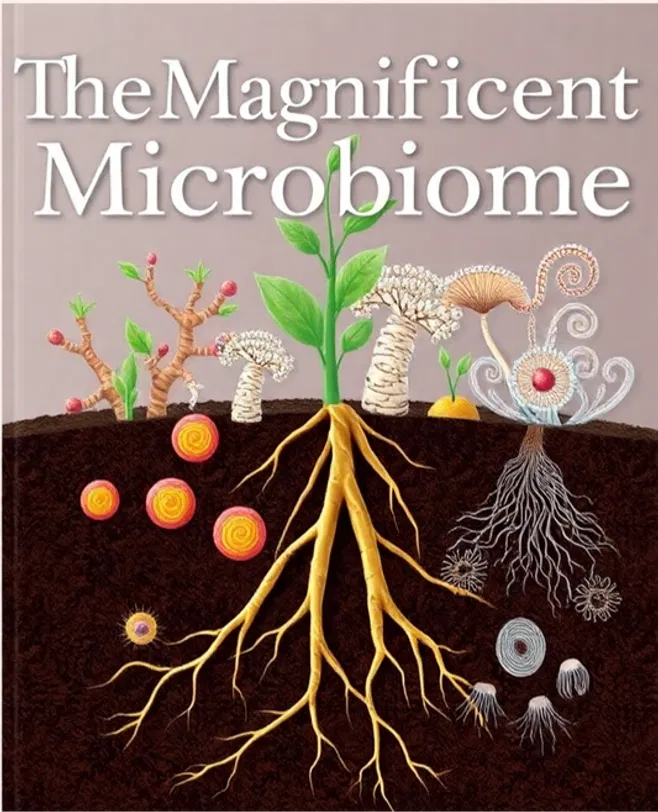
Now, let’s look at Rhizo Logic® Organic Living Soil. While Super Soil is a recipe, Living Soil is an infrastructure. It’s not just a collection of nutrients; it is a thriving community of soil microbiology, bacteria, fungi, protozoa, and beneficial nematodes, all working in a symbiotic relationship with your plants.
In a living soil system, we aren't just feeding the plant; we are feeding the soil food web. The microbes act as the "middlemen," mining nutrients from organic matter and minerals and delivering them to the plant roots exactly when the plant asks for them.
Why This Matters
When you use a system like Rhizo Logic®, you aren't just relying on a "battery" of pre-loaded nutrients. You are building an engine that cycles nutrients indefinitely. This is the foundation of regenerative agriculture at home.
Key Differences: Side-by-Side
To help you decide which path is right for your garden, let’s look at the four major pillars of soil performance.
1. Nutrient Cycling vs. Nutrient Loading
In a Super Soil setup, nutrient availability is governed by how much "stuff" you put in the pot. If your plant grows faster than expected or the temperature fluctuates, the nutrient release might not match the plant's needs.
In contrast, Living Soil relies on nutrient cycling. The plant releases exudates (sugars and proteins) from its roots to "signal" to the microbes what it needs, be it more phosphorus for flowering or nitrogen for growth. The microbes then go to work, breaking down organic matter to fulfill that request. It is a demand-based system that prevents nutrient lockout and toxicity.
2. Root Health and the Rhizosphere
Super soil focuses on the availability of nutrients. Living soil focuses on the interaction between the root and the biology.
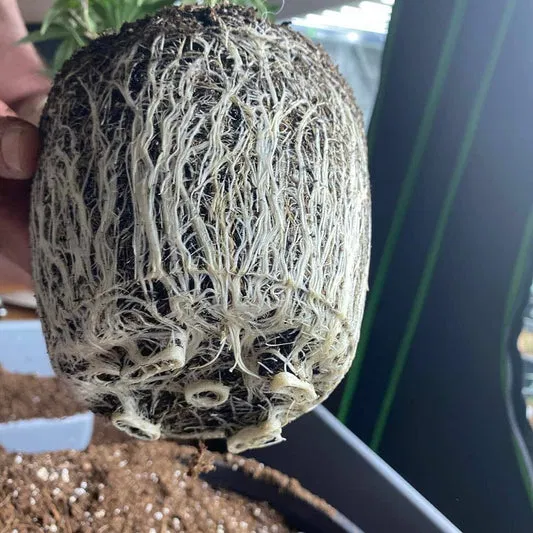
With Rhizo Logic®, the roots are often coated in beneficial fungi (like mycorrhizae) and bacteria. These organisms literally extend the reach of the root system, allowing the plant to access water and minerals that would otherwise be out of reach. Healthy roots in a living system are more resilient to pathogens and environmental stress. You can see this in action in our complete soil restoration case study.
3. Sustainability and Reusability
This is where the winner becomes clear for the environmentally conscious gardener.
- Super Soil: Usually, after a harvest, the soil is depleted. While you can re-amend it, it often requires a total overhaul and another "cooking" period.
- Living Soil: This soil is designed to be used forever. In fact, most living soil growers find their soil gets better after the second or third year. By maintaining the microbial population, you never have to throw away a bag of dirt again. You simply top-dress with high-quality compost or minerals to replace what the plant physically removed.
4. Water Management
Living soil, particularly those enhanced with biochar, has a superior structure. This structure creates "macro-pores" and "micro-pores" that hold onto water while still allowing oxygen to reach the roots. Super soils, because they are so heavily loaded with amendments, can sometimes become hydrophobic or compacted if not managed correctly.
Which One Wins for You?
We aren't going to tell you Super Soil doesn't work, it absolutely does, and it’s a great stepping stone for people moving away from synthetic bottled nutrients. However, there are different needs for different growers.
Choose Super Soil if:
- You are a complete beginner who wants a "plug and play" experience.
- You are okay with replacing your soil or doing heavy re-amending every season.
- You want a predictable, though perhaps less nuanced, result.
Choose Rhizo Logic® Living Soil if:
- You want the highest possible terpene profiles, flavors, and nutrient density in your crops (The Empty Plate Problem is real, and living soil is the cure).
- You want to build a long-term, sustainable garden that requires fewer external inputs over time.
- You are interested in the science of soil microbiology and want to work with nature rather than just feeding it.
- You are growing in containers or patio bags and want a self-sustaining ecosystem.

Deep Dive: The Role of Soil Protozoa
If you really want to understand why Living Soil (and specifically Rhizo Logic®) stands apart, you have to look at the "Microscopic Architects", the protozoa. While Super Soil focuses on the presence of nutrients, living soil focuses on the release of nutrients.
Protozoa eat bacteria. When they do, they poop out nitrogen in a form that plants can immediately absorb. Without this "predator-prey" relationship, even the best organic nutrients can remain locked up and unavailable to your plants. This is why we place such a heavy emphasis on microbial diversity. You can learn more about these tiny powerhouses in our guide to soil protozoa.
The Verdict
In the battle of Living Soil vs. Super Soil, the "winner" depends on your goals.
If you want a one-and-done harvest with minimal thought, Super Soil is a solid choice. But if you want to become a true steward of the land, even if that "land" is just a few pots on your balcony, Living Soil is the clear gold standard.
By choosing a biologically active medium like Rhizo Logic®, you are investing in a system that promotes plant health from the ground up. You’ll see fewer pests, more vibrant growth, and most importantly, you’ll be participating in the regenerative movement that our planet so desperately needs.
Frequently Asked Questions
Q: Do I need to "cook" Rhizo Logic® soil like Super Soil?
A: No! Because Rhizo Logic® is balanced for immediate biological activity, it is generally ready to plant into immediately. We’ve already done the hard work of ensuring the ecosystem is stabilized.
Q: Can I turn my existing Super Soil into Living Soil?
A: Yes! You can transition your soil by introducing diverse microbiology through high-quality compost or microbial inoculants and moving away from heavy "hot" amendments toward a more balanced, top-dressing approach.
Q: Is living soil more expensive?
A: Initially, it can be a higher investment. However, when you factor in that you never have to buy soil again and your need for supplemental fertilizers drops to almost zero, it is significantly cheaper in the long run.
Ready to stop just growing and start regenerating? Check out our Rhizo Logic® 5-Gallon Living Soil and join the community of growers who are making a real difference, one pot at a time.
If you’re not sure where your soil stands, we recommend starting with an Initial Soil Health Assessment. Let’s get your microbiology working for you!


