
The Ultimate Guide to Regenerative Agriculture at Home: Everything You Need to Succeed with Living Soil
By Jeremy Standring
Let’s be honest: most of us were taught that dirt is just the stuff you wash off your hands after a day in the yard. In the traditional gardening world, soil is often treated like an empty glass: a sterile medium where you pour in synthetic fertilizers to keep plants alive. But at Regen Soil, we look at things differently. We don’t see dirt; we see a biological city, a complex underground economy teeming with life.
Regenerative agriculture isn't just a buzzword for farmers with thousand-acre properties. It is a philosophy and a set of practices that you can: and should: apply to your own backyard or patio. It’s about moving beyond "sustainable" (which just means staying the same) and toward "regenerative" (which means making things better).
In this guide, we’re going to deep-dive into how you can restore your soil’s health, sequester carbon, and grow nutrient-dense food that actually tastes like food: not just "crunchy water."
What is Regenerative Agriculture at Home?
At its core, regenerative agriculture is a holistic approach to land management that leverages the power of photosynthesis and healthy soil biology to close the carbon cycle and build soil health, crop resilience, and nutrient density. When we apply this at home, we are essentially trying to mimic Mother Nature.
Nature doesn't use 10-10-10 synthetic fertilizer. Nature doesn't rototill the forest floor every spring. Nature relies on Living Soil.
The Regeneration Divide
To understand why this matters, you have to see the difference between a degraded system and a regenerative one. One is a downward spiral of chemical dependency; the other is an upward spiral of vitality.

The 5 Core Principles of Living Soil
If you want to succeed with a Regenerative Organic Living System, you need to follow these five commandments. We use these as our North Star for every soil restoration project we take on.
1. Minimize Soil Disturbance (The "No-Till" Rule)
Every time you turn the soil with a tiller or a spade, you are essentially setting off a bomb in a microscopic city. You shatter the delicate fungal networks (mycorrhizae) and expose carbon to the air, where it turns into CO2.
- The Regenerative Way: Use broadforks to aerate if necessary, but generally, let the roots and worms do the digging for you.
2. Keep the Soil Covered
Bare soil is stressed soil. When soil is exposed to the sun and wind, it heats up, kills microbes, and loses moisture.
- The Regenerative Way: Use "green mulch" (living plants) or "brown mulch" (wood chips, straw, or leaves). This regulates temperature and provides a slow-release buffet for your soil organisms.
3. Maximize Biodiversity
Monocultures (growing just one thing) are a magnet for pests. In nature, diversity creates stability.
- The Regenerative Way: Practice companion planting. Mix your kale with marigolds and herbs. This confuses pests and creates a more robust microbial population underground.
4. Keep Living Roots in the Ground
Plants pump liquid carbon (exudates) into the soil to feed microbes. When you pull a plant out and leave the spot empty, you’re essentially starving your underground workforce.
- The Regenerative Way: Use cover crops or interplant new seedlings before the old ones are finished.
5. Integrate Biology (The Rhizo Logic® Advantage)
This is where most home gardeners fail. They have the dirt, but they don't have the "life." To jumpstart a regenerative system, you often need to reintroduce the biology that has been stripped away by years of chemical use.

The Secret Sauce: Rhizo Logic® and the Underground Economy
At Regen Soil, we specialize in Rhizo Logic®, our proprietary approach to ensuring your soil isn't just "organic," but biologically active. Think of your soil as a marketplace. The plants are the producers (creating sugar through photosynthesis), and the microbes are the service providers.
The plants "pay" the microbes in sugar, and in exchange, the microbes go out and find minerals, protect the roots from pathogens, and build soil structure. If you’ve ever wondered why everyone is talking about living soil, this is why. It’s a self-sustaining system that requires fewer inputs over time.

How to Get Started: From Beginner to Pro
For the Beginner: The Patio Garden
You don't need a farm to be a regenerative culturist. If you have a patio, you can start with a Full Living Soil Patio Kit.
- Step 1: Choose a high-quality living soil medium (not the sterilized bags from the big-box store).
- Step 2: Add your Rhizo Logic® inoculants to establish the fungal and bacterial baseline.
- Step 3: Plant a variety of vegetables and flowers in the same container.
For the Experienced Grower: Soil Metrics
If you’ve been gardening for a while, it’s time to stop guessing and start measuring. Regenerative agriculture is a science. We use tools like the Regen Soil Pulse to monitor real-time data.

By monitoring your Electrical Conductivity (EC) and moisture levels, you can ensure your "microbial livestock" have the perfect environment to thrive. If the moisture drops too low, your protozoa (the architects of the soil) go dormant, and your nutrient cycling grinds to a halt.
Why Nutrient Density Matters
We often talk about the "Empty Plate Problem." Modern industrial agriculture focuses on yield and "looking pretty," but it often fails on nutrition. Because regenerative agriculture focuses on the Rhizosphere (the area around the roots), the plants have access to a much wider array of minerals and secondary metabolites.
The result? Food that is more flavorful and significantly more nutritious. When you eat a tomato grown in Rhizo Logic® living soil, you’re eating the product of a complex biological web, not a chemical cocktail.
Common Mistakes to Avoid
- Reaching for the "Cide": Pesticides, herbicides, and fungicides are indiscriminate. They kill the bad guys, but they also wipe out your beneficial fungal networks and protozoa. If you have an issue, like fungus gnats, look for biological solutions first.
- Over-fertilizing: Even organic fertilizers can be overdone. If you provide too many "free" nutrients, the plant stops feeding the microbes, and your living soil system begins to shut down.
- Imperfect Patience: Regenerative systems take time to "wake up." If you're in a colder climate, remember that waiting until May is often the secret to success in places like Zone 6.
Frequently Asked Questions (FAQ)
Q: Is "Living Soil" the same as "Super Soil"?
A: Not exactly. Super soils are often heavily amended with nutrients to last a full cycle. Living Soil is focused on the biological community that cycles those nutrients indefinitely.
Q: Can I use tap water on my living soil?
A: Chlorine and chloramines in tap water are designed to kill microbes. If possible, use a filter or let your water sit out for 24 hours to off-gas the chlorine so you don't harm your Rhizo Logic® biology.
Q: Do I need to add worms?
A: If you build the habitat (moisture, food, no tilling), the worms will often find their way there, or you can add red wigglers to jumpstart the process in containers.
Q: How do I know if my soil is actually "regenerating"?
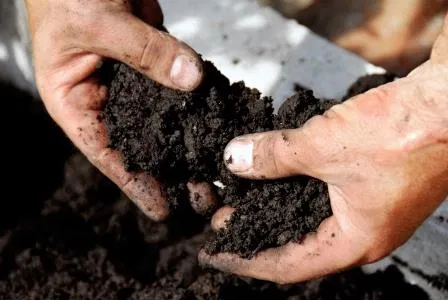
A: Look for changes in soil structure. Healthy soil should look like chocolate cake crumbs (aggregates), not dust or hard clay. For a technical breakdown, we recommend an Initial Soil Health Assessment.
Join the Underground Revolution
Regenerative agriculture at home is more than just a hobby; it's an act of stewardship. By focusing on living soil, you are actively participating in the restoration of our planet, one square foot at a time.
Whether you’re just starting with a single pot on your balcony or transitioning a multi-acre homestead, we’re here to help you navigate the complexities of soil biology.
Have questions about your specific soil setup? Drop a comment below or reach out for a consultation. Let’s grow something real.


