
Soil Restoration Secrets Revealed: What Our Top Success Stories Teach Us About Soil Microbiology
By Jeremy Standring
At Regen Soil, we don't just look at dirt; we look at the life within it. Over the years, we have assisted farmers, backyard gardeners, and commercial growers in pivoting from chemical-dependent systems to self-sustaining ecosystems. What we have learned is that the "secrets" to soil restoration aren't actually secrets, they are biological laws that have been operating for millions of years.
The difference between a failing crop and a record-breaking harvest often comes down to the microscopic architecture beneath the surface. In this deep dive, we are pulling back the curtain on our most successful restoration projects to show you how regenerative agriculture and a focus on living soil can transform even the most degraded land.
The Foundation: Systems-Thinking and Soil Microbiology
To understand soil restoration, we must stop viewing the soil as a bank account where you deposit N-P-K (Nitrogen, Phosphorus, Potassium) and withdraw yields. Instead, we view it as a biological engine. Systems-thinking is the core of our philosophy at Regen Soil. This means recognizing that the health of a plant is inseparable from the health of the microbial communities surrounding its roots.
When we talk about Rhizo Logic®, we are talking about Living Soil. This isn't just dirt with some fertilizer thrown in; it is a complex web of bacteria, fungi, protozoa, and nematodes working in harmony. Our success stories consistently show that when you fix the biology, the chemistry follows.
The Role of Mycorrhizal Fungi
One of the most profound insights from our research involves mycorrhizal fungi. These organisms form a symbiotic relationship with plant roots, essentially acting as an extension of the root system.
- Nutrient Uptake: Mycorrhizal networks can increase phosphorus uptake by up to 105% and nitrogen uptake by 67%.
- Carbon Sequestration: These fungi channel between 20% and 60% of the carbon fixed by the plant during photosynthesis directly into the soil.
- Water Efficiency: Glomalin, a sticky substance produced by these fungi, helps create soil aggregates that increase water holding capacity by up to 35%.
Case Study: From Sterile Sand to a Thriving Ecosystem
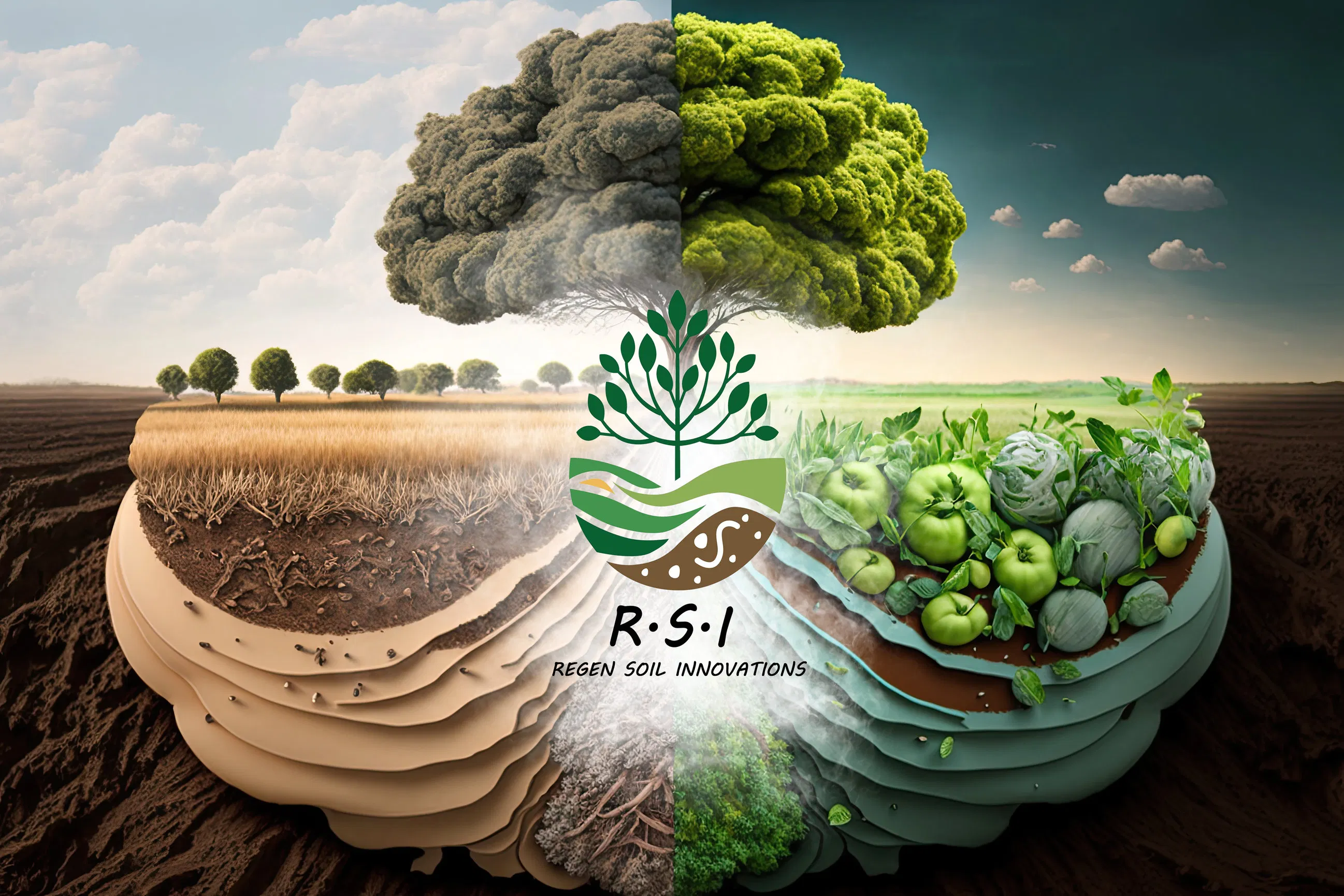
One of our favorite success stories involves a plot of land that was essentially sterile sand. The previous owners had relied heavily on synthetic inputs, which eventually decimated the local microbial populations. The soil was hydrophobic, held no nutrients, and couldn't support even basic weeds.
We implemented a multi-stage restoration plan that focused on rebuilding the soil food web:
- Inoculation: We introduced high-density microbial populations using Rhizo Logic® living soil components.
- Bio-boost: We utilized Bio-boost (a cornerstone of Terrabiotics) to provide the "fuel" these microbes needed to colonize the root zone.
- Cover Cropping: We planted a diverse mix of species to ensure year-round photosynthesis.
Within just two seasons, the "sand" had turned a deep, rich chocolate brown. The returning soil invertebrates (earthworms and beetles) were the first visible sign, but the real magic was happening at the microscopic level. You can read the full soil restoration case study here.
The Five Core Principles of Soil Restoration
Through our work, we have identified five non-negotiable principles that dictate the success of any soil restoration project. Whether you are a beginner or a commercial operator, these rules apply.
1. Maintain Year-Round Green Cover
Living roots are the primary food source for soil microbes. Photosynthesis pumps liquid carbon (exudates) into the soil, which feeds the bacteria and fungi. Without a living plant, the "underground economy" shuts down.
2. Maximize Diversity
In nature, you rarely see a monoculture. Different plants produce different exudates, which attract different types of microbes. A diverse planting strategy ensures a diverse microbial profile, which leads to a more resilient ecosystem.
3. Eliminate Tillage
Tillage is like an earthquake for soil microbes. It shears fungal hyphae and collapses the pore spaces that hold oxygen and water. Our top success stories almost always involve a transition to no-till or minimal-disturbance methods.
4. Minimize Chemical Intervention
Synthetic fertilizers are often salts. In high concentrations, they can dehydrate microbes and signal to the plant that it no longer needs to trade carbon for nutrients with fungi. This effectively "shuts off" the plant’s natural immune system.
5. Managing the Rhizosphere with Rhizo Logic®
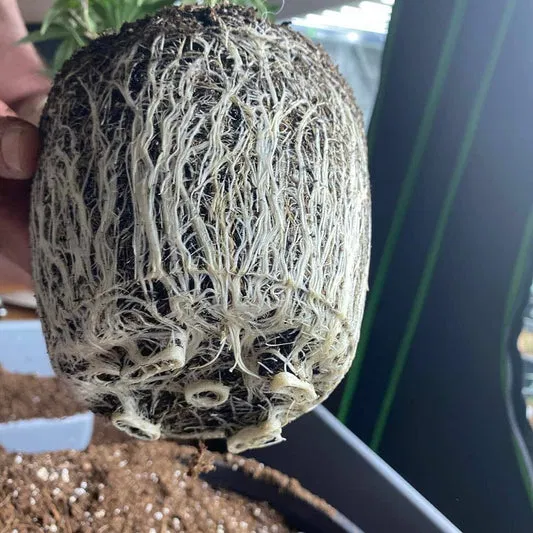
The rhizosphere is the narrow region of soil directly influenced by root secretions. This is where the "logic" of the soil happens. By using Rhizo Logic® products, we ensure that the right "players" (the specific bacteria and fungi) are present from day one.
Technical Deep Dive: Nutrient Cycling vs. Nutrient Input
A common misconception in traditional agriculture is that if a soil test shows low nitrogen, you must add nitrogen. In a regenerative agriculture system, we ask: "Why isn't the biology fixing the nitrogen for us?"
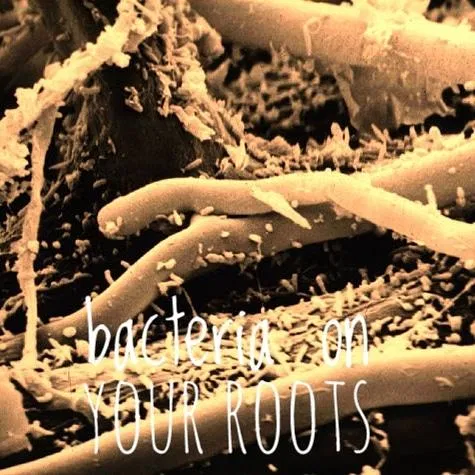
Free-living nitrogen-fixing bacteria and rhizobia are capable of pulling nitrogen from the atmosphere (which is 78% nitrogen) and converting it into a form plants can use. However, they only do this if the environment is right. By using Bio-boost from the Terrabiotics line, we provide the specific micronutrients and catalysts that allow these microbes to thrive.
Nutrient cycling is the process where microbes break down organic matter and minerals, making them bioavailable. Our data shows that in a fully restored living soil system, up to 90% of the plant's nutritional needs can be met through biological cycling rather than outside inputs.
Data-Driven Restoration: The Regen Soil Pulse
We believe in "trust but verify." One of the reasons our success stories are so consistent is our use of real-time data. Soil restoration isn't a "set it and forget it" process; it requires monitoring.

Using tools like the Regen Soil Pulse, we can monitor:
- Moisture Levels: Ensuring the microbes have enough water to survive without drowning them.
- Temperature: Microbes are sensitive to heat; keeping the soil covered helps maintain an optimal 70-75°F.
- Electrical Conductivity (EC): This helps us track the concentration of available nutrients in the soil solution.
Recommendations for Different Growers
For Beginners
If you are just starting, don't overcomplicate it. Start with a Full Living Soil Patio Kit. It simplifies the microbiology so you can focus on learning how plants respond to a living system.
For Experienced Growers
Focus on the fungal-to-bacterial ratio. Most garden soils are bacterially dominant. To reach the next level of plant health and pest resistance, you need to encourage fungal growth through high-carbon mulches and specialized inoculants.
For Commercial Operations
The transition to regenerative farming requires a phased approach. We recommend starting with a pilot plot to dial in your microbial protocols before scaling across the entire operation. Our 5-step guide to transitioning to regenerative farming is an excellent resource for this.
Why Microbiology Matters for Your Health
We often say, "Healthy soil, healthy plants, healthy people." The nutrient density of our food has declined significantly over the last 50 years. This is largely due to the degradation of soil microbiology. When microbes aren't there to "unlock" minerals from the soil, those minerals never make it into your salad. We call this The Empty Plate Problem. Restoring the soil is quite literally a matter of public health.
FAQ: Soil Restoration and Microbiology
Q: How long does soil restoration take?
A: While you will see immediate improvements in plant vigor using Rhizo Logic® and Bio-boost, true soil structure restoration (humus building) typically takes 3 to 5 years of consistent regenerative practices.
Q: Can I use Bio-boost with any fertilizer?
A: Bio-boost is a Terrabiotics product designed to work in tandem with organic systems. While it can help mitigate the damage of synthetic fertilizers, it performs best in a living soil environment where microbes can fully utilize the boost.
Q: Do I need to re-apply microbes every year?
A: In a perfect ecosystem, no. However, most backyard and commercial environments face stressors (drought, freezing, foot traffic). We recommend a seasonal "refresh" of your microbial populations to ensure peak performance.
Q: What is the difference between Living Soil and Super Soil?
A: We actually did a full breakdown of this. The short version: Super Soil is about high nutrient loading; Living Soil (Rhizo Logic) is about high biological activity. You can read the comparison here.
Join the Regeneration
The success stories we see every day at Regen Soil prove that nature is incredibly resilient. If you provide the right conditions and the right microbial partners, the soil will heal itself.
Are you ready to stop fighting against nature and start working with it? Whether you’re looking to restore a backyard patch or a thousand-acre farm, we’re here to help. Reach out to us for a Soil Health Assessment or browse our Rhizo Logic® line to start your restoration journey today.
What’s your biggest challenge with your soil right now? Let us know in the comments below: we’d love to help you troubleshoot your microbial ecosystem!


