
The Ultimate Guide to Regenerative Agriculture at Home: Building Your Own Soil Archives
By Jeremy Standring
Most people treat their backyard or patio like a static stage, a place for a grill, a few plastic chairs, and perhaps a patch of grass that they fight to keep green with chemical warfare. At Regen Soil, we see things differently. We see your outdoor space as a living, breathing laboratory.
Regenerative agriculture has become a buzzword in big-ag circles, but the truth is, the most revolutionary work is happening in backyards, raised beds, and even fabric pots on high-rise balconies. We aren’t just growing plants; we are building Soil Archives. This is the practice of culturing, preserving, and multiplying the complex biological libraries that make life on Earth possible.
If you’ve ever wondered why everyone is talking about living soil, it’s because we are finally realizing that dirt is dead, but soil is alive. And if you want to grow food that actually contains nutrients, rather than just "crunchy water", you need to start thinking like a soil scientist.
What is a "Soil Archive"?
In the regenerative world, a "Soil Archive" is a self-sustaining ecosystem where the microbial populations are so diverse and stable that they can be "archived" and used to inoculate other areas. It’s the opposite of the "buy-use-dump" cycle of traditional gardening. Instead of buying a bag of sterilized peat moss every spring, you are building a permanent bank of biological wealth.
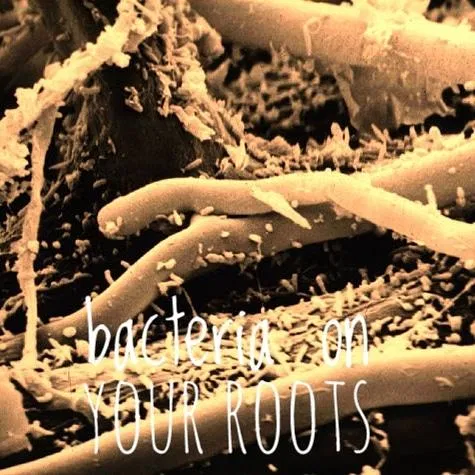
When we use our Rhizo Logic® approach, we are focusing on the rhizosphere, the thin layer of soil directly surrounding plant roots. This is where the magic happens. This is where plants trade sugars (exudates) for minerals and protection provided by bacteria and fungi.

The Five Pillars of Regenerative Home Gardening
To build your own soil archive, we have found that you must strictly adhere to five core principles of regenerative organic living systems. These aren't suggestions; they are the laws of the underground economy.
1. Minimize Soil Disturbance (The "No-Till" Mandate)
Every time you turn the soil with a shovel or a tiller, you are essentially setting off an earthquake in a metropolitan city. You shatter the delicate mycelial networks (fungal highways) and expose light-sensitive bacteria to the sun’s UV rays.
- For Beginners: Stop digging. If you have weeds, smother them with cardboard and compost.
- For Experienced Growers: Transition to permanent beds or large-volume containers where the soil structure remains intact year-over-year.
2. Keep the Soil Covered
Nature hates a vacuum, and it hates naked soil even more. Bare soil is prone to erosion, temperature spikes, and "crusting," which prevents water from soaking in.
- The Solution: Use high-quality mulch or, better yet, "green mulch" (living plants). Cover crops like clover or vetch keep the microbial populations fed even when you aren't growing vegetables.
3. Maximize Biodiversity
Monocultures (growing just one thing) are a buffet for pests. By mixing your vegetables with native perennials and flowers, you create a complex ecosystem that manages itself. Diverse plants produce diverse exudates, which attract a diverse range of soil protozoa. These are the microscopic architects that keep your garden's nutrient cycling in high gear.
4. Maintain Living Roots Year-Round
Roots are the primary way carbon is sequestered into the soil. As long as there is a living root in the ground, it is pumping carbon (sugars) into the soil to feed the biology. Even in Zone 6 winters, keeping hardy cover crops alive ensures your soil archive doesn't go dormant or die off.
5. Integrate Rhizo Logic® Microbiology
In a home environment, we often start with "sterile" or depleted medium. To jumpstart the archive, you need to introduce the right biology. This is where our Rhizo Logic® products come in. We aren't just adding fertilizer; we are adding the "workers" who process the food.
Technical Deep Dive: The Underground Economy
To truly understand regenerative agriculture, you have to look at the soil as an economic system.
- The Currency: Carbon/Sugars produced by the plant via photosynthesis.
- The Producers: Bacteria and Fungi that mine minerals from sand, silt, and clay.
- The Predators: Protozoa and Nematodes that eat the bacteria and release nitrogen in a plant-available form.
When you use synthetic fertilizers, you are essentially giving the plant a "welfare check." The plant stops producing sugars because it’s getting fed for free. In response, the microbial populations starve and die. When the synthetic nitrogen washes away, you’re left with a "junkie" plant and a dead soil ecosystem.
By building a Living Soil system, you ensure that the plant and the soil are in a constant, healthy exchange. This results in higher terpene profiles, better flavor, and significantly higher nutrient density.
Step-by-Step: Building Your First Archive at Home
Whether you have a massive backyard or a small patio, you can start today. Here is how we recommend you build your soil archive from scratch.
Step 1: The Foundation
Start with a high-quality base. If you are using containers, avoid the cheap "potting mix" from big-box stores that is mostly just peat and chemical beads. We recommend a Full Living Soil Patio Kit to ensure you have the right physical structure from day one.
Step 2: Inoculate with Rhizo Logic®
Before planting, introduce your microbial workforce. This sets the stage for the nutrient cycling that will sustain your plants throughout the season. You want a diverse array of mycorrhizal fungi and beneficial bacteria to coat your seeds or transplant roots.
Step 3: Layering (The "Lasagna" Method)
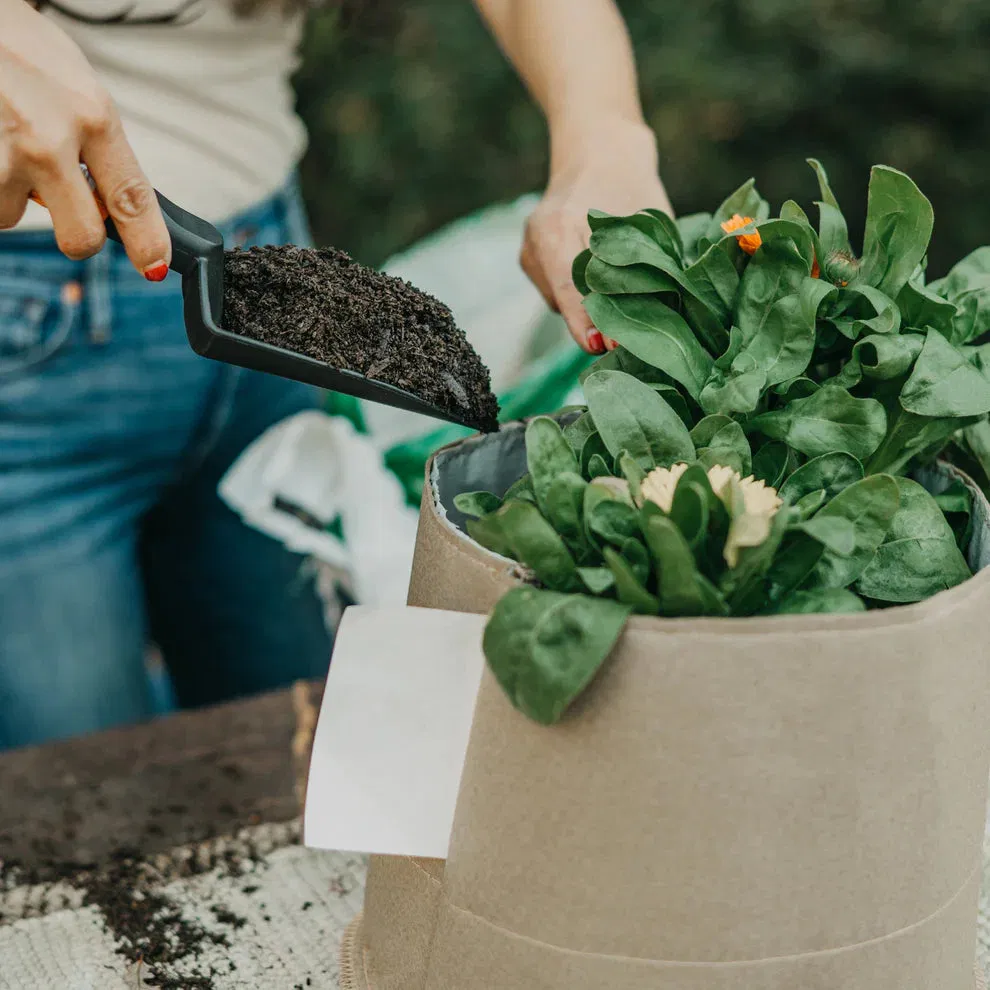
Top-dress your soil with high-quality compost and organic matter. As this breaks down, it creates a "slow-release" feeding system. We have seen incredible results with biochar, which acts as a permanent "coral reef" for microbes to live in.
Step 4: Monitoring and Maintenance
Regenerative gardening is about observation, not just intervention. We use tools like the Regen Soil Pulse to monitor real-time metrics. Knowing your EC (electrical conductivity), moisture, and temperature helps you make informed decisions rather than guessing.

Addressing Common Challenges
"My Soil is Just Sterile Sand"
We’ve all been there. If you’re starting with "dirt" instead of soil, don't panic. You can transition from sterile sand to a thriving ecosystem in a single season with the right inputs. Check out our case study on soil restoration for the blueprint.
"What About Pests?"
In a regenerative system, pests like fungus gnats are often a sign of an imbalance (usually overwatering or a lack of predators). Instead of reaching for poison, we use organic battle plans that include beneficial nematodes and predatory mites. Learn how to tackle gnats here.
Why This Matters: The Big Picture
When you build a soil archive at home, you are participating in a global movement of soil restoration. Healthy soil sequesters carbon, helping to mitigate climate change. It filters water, preventing runoff. Most importantly, it produces food that is medicine.
The modern food system has a "problem of the empty plate." We are eating more but getting fewer nutrients because the soil is exhausted. By taking control of your own soil health, you are ensuring that your family is eating food grown in a Living Soil environment, rich in the vitamins, minerals, and secondary metabolites that nature intended.
Frequently Asked Questions
Q: Do I need to buy new soil every year?
A: Absolutely not. That is the "extractive" model. In a regenerative system, your soil gets better every year. You simply top-dress with compost and re-up your biology if needed.
Q: Can I do this in fabric pots?
A: Yes! Fabric pots are excellent for soil archives because they allow for better aeration and prevent root circling. Our patio kits are specifically designed for this.
Q: What is the difference between Living Soil and Super Soil?
A: Great question. Super soil is often "hot" with nutrients and designed for one-time use. Living soil is a balanced ecosystem that relies on biology to unlock nutrients as the plant needs them.
Join the Regen Soil Community
Building a soil archive is a journey, not a destination. It requires a shift in perspective: from being a "manager" of a garden to being a "steward" of an ecosystem.
If you’re ready to stop playing in the dirt and start building a legacy of living soil, we are here to help. Explore our frontpage collections for the tools you need to get started, or dive deeper into our technical guides on our news blog.
What’s the first thing you’re planning to plant in your soil archive this season? Drop a comment below or reach out for a personalized soil health assessment!


