5 Steps How to Use Terrabiotics to Restore Soil Biology (Easy Guide for Home Gardeners)
By Jeremy Standring
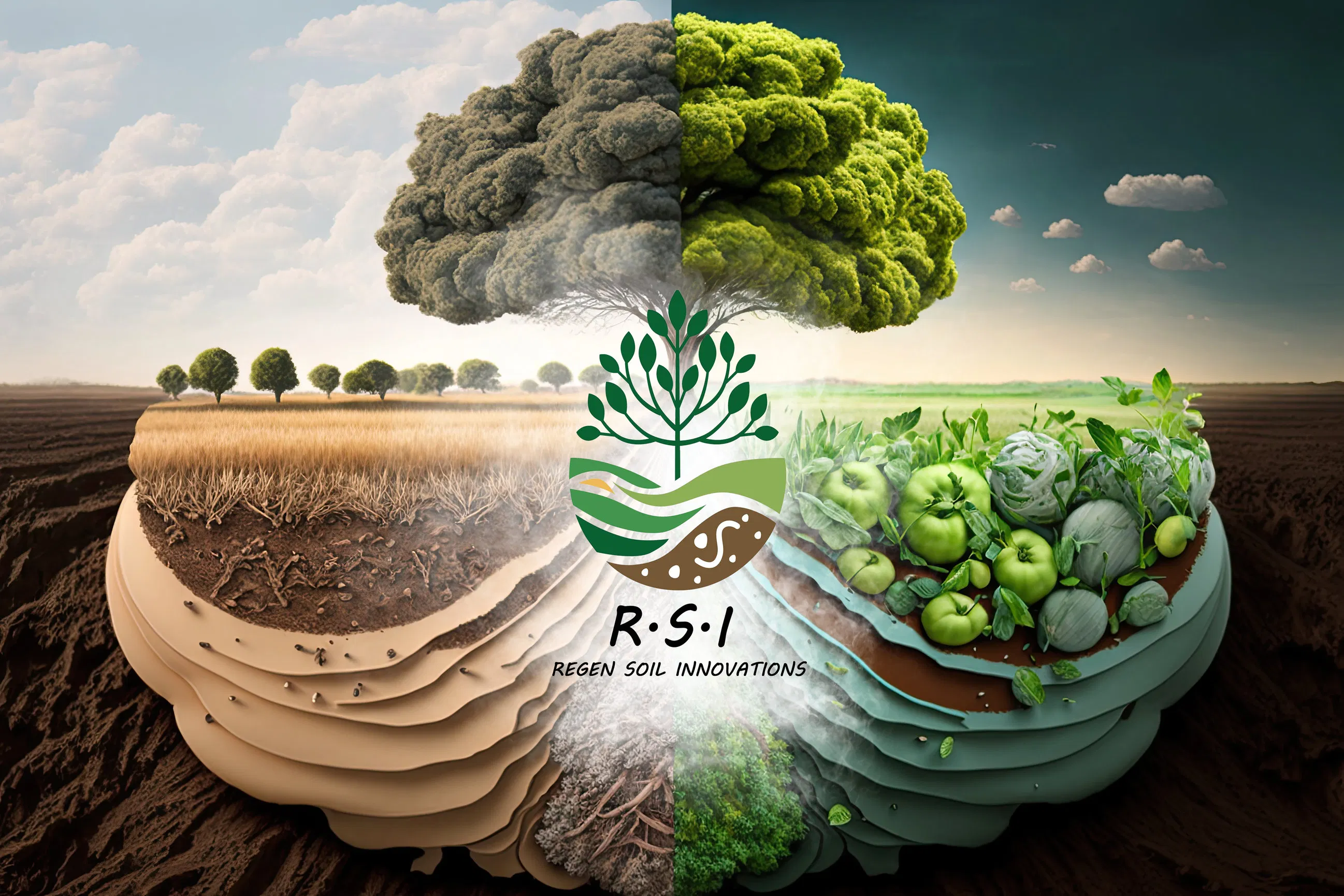
In the world of modern gardening, we have often been taught to focus on the plant while ignoring the very foundation that sustains it: the soil. At Regen Soil, we advocate for a shift in perspective. We don't just "feed plants"; we "fuel ecosystems." When your soil biology is restored, the plants take care of themselves.
One of the most effective ways to jumpstart this biological engine is through the use of Terrabiotics (often referred to in our circles as Bio-boost). Terrabiotics are essentially microbial inoculants designed to reintroduce the beneficial bacteria and fungi that have been stripped away by years of synthetic fertilizers and tilling.
In this guide, we will walk you through five actionable steps to restore your soil using Terrabiotics, transforming your backyard into a thriving example of regenerative agriculture.
Understanding the "Why": Why Soil Biology Matters
Before we dive into the "how," we must understand the "why." Soil is not a static medium; it is a living soil ecosystem. A single teaspoon of healthy soil contains more microorganisms than there are people on Earth. These microbes are responsible for nutrient cycling, protecting plants from pathogens, and improving soil structure through the creation of "glomalin," a biological glue that creates stable soil aggregates.
When we use Rhizo Logic® (our signature Living Soil) or apply a Terrabiotics treatment like Ultra Bio Boost, we are essentially performing a "microbial transplant" to restore the rhizosphere, the critical area around plant roots where biology happens.
https://cdn.marblism.com/uaFOPiAzG4L.webp
Step 1: Halt the Use of Synthetic Chemical Inputs
The first step in restoration is to stop the destruction. Synthetic fertilizers are essentially salts. When these salts enter the soil, they dehydrate the microbial populations, effectively killing the "living" part of your soil.
Why synthetics fail long-term:
- Microbial Death: High concentrations of nitrogen and phosphorus signal to the plant that it no longer needs to trade sugars (exudates) with microbes.
- Soil Compaction: Without microbes to create structure, soil becomes hard and anaerobic.
- Dependency: Plants become "addicted" to easy nutrients, failing to develop robust root systems.
To begin your journey toward a living soil environment, we recommend transitioning away from "blue water" fertilizers and moving toward organic, carbon-based inputs.
Step 2: Assessment and Aeration
You cannot manage what you do not measure. Before applying Terrabiotics, we suggest performing an Initial Soil Health Assessment. This allows us to see the current state of your microbial diversity and nutrient density.
Once you understand your baseline, the physical environment must be prepared. Soil biology requires oxygen (aerobic conditions). If your soil is compacted, beneficial microbes will suffocate, and pathogens (anaerobic microbes) will take over.
For Home Gardeners:
We do not recommend heavy tilling, as this destroys the fungal networks (mycelium). Instead, use a broadfork or a garden fork to gently lift and crack the soil, allowing air and water to penetrate deep into the root zone without flipping the soil layers.
https://cdn.marblism.com/DfymqhDqH7y.webp
Step 3: Inoculate with Terrabiotics (Bio-boost)
This is where the magic happens. Applying a Terrabiotic solution like Ultra Bio Boost reintroduces a diverse spectrum of beneficial bacteria and fungi.
How to Apply Terrabiotics:
- Preparation: Mix your Bio-boost according to the package instructions. We recommend using de-chlorinated water, as chlorine is designed to kill bacteria, the very thing we are trying to grow.
- Timing: Apply during the early morning or late evening. UV rays from the sun can be harmful to sensitive microbes.
- Application: Use a watering can or a low-pressure sprayer. Ensure you soak the root zone (the rhizosphere). This is where the Rhizo Logic® interaction occurs, as plants release carbon-rich exudates to attract these new beneficial microbes.
- Frequency: For depleted soils, we suggest an initial "saturation" dose, followed by maintenance applications every 2–4 weeks during the growing season.

Step 4: Feed the Microbes (The Carbon Source)
Microbes are living creatures; they need to eat. While the Terrabiotics provide the "workforce," you must provide the "fuel." In regenerative systems, this fuel is carbon.
We recommend the following "meals" for your soil biology:
- Humic and Fulvic Acids: These act as a battery for the soil, holding nutrients and providing a habitat for microbes.
- High-Quality Compost: This adds organic matter and additional microbial diversity.
- Mulch: Covering your soil with wood chips, straw, or leaves protects the microbes from temperature swings and provides a slow-release food source.
For those starting new beds or patio containers, using a pre-colonized medium like our Living Soil Patio Pro Kit ensures that the food and the biology are already in perfect balance.
Step 5: Monitor and Maintain Success
Soil restoration is a marathon, not a sprint. To ensure your Terrabiotics are working, you need to monitor the "pulse" of your garden. We utilize digital tools and data-driven methods to track progress.
What to look for:
- Root Health: Dig up a small sample. Are the roots white and fuzzy? This "fuzz" is often the symbiotic relationship between roots and microbes.
- Soil Texture: Over time, your soil should feel more like a chocolate cake, moist, crumbly, and full of air pockets.
- Plant Resilience: You will notice your plants requiring less water and showing higher resistance to pests and diseases.
Using tools like the Regen Soil Pulse device allows you to see real-time data on moisture and nutrient levels, ensuring you never over-apply or under-serve your ecosystem.
https://cdn.marblism.com/eNrYnImy3Nc.PNG
Comparative Analysis: Biological vs. Synthetic Approaches
| Feature | Terrabiotics / Living Soil | Synthetic Fertilizers |
|---|---|---|
| Nutrient Delivery | Slow-release, microbe-mediated | Instant, salt-based |
| Soil Structure | Improves (Builds Aggregates) | Degrades (Causes Compaction) |
| Water Retention | High (Microbes hold moisture) | Low (Salts dry out soil) |
| Sustainability | Increases over time | Requires more input every year |
| Cost | Investment in long-term health | Recurring expense for short-term gain |
Deep Dive: The Science of Rhizo Logic®
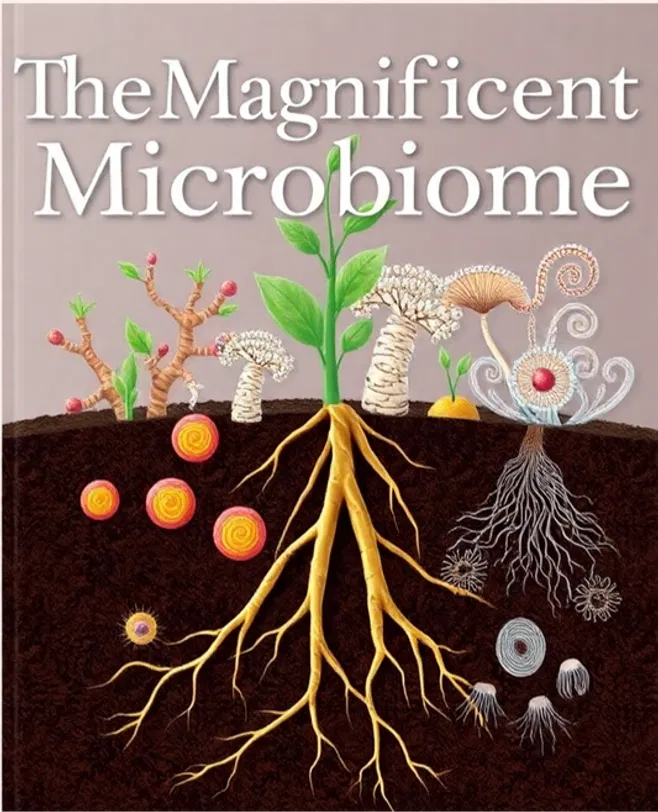
When we talk about Rhizo Logic®, we are referring to the sophisticated "logic" of the root zone. Plants aren't just passive consumers; they are active managers of their environment. By using Terrabiotics, we give the plant the tools it needs to execute its biological programming. For a technical breakdown of which species are at work, check out our guide: The Magnificent Microbiome.
Advice for Different Growers
For Beginners
Don't overcomplicate it. Start by replacing your standard fertilizer with Ultra Bio Boost and stop tilling your beds. You will see a difference in one season.
For Experienced Growers
Focus on fungal-to-bacterial ratios. Use Terrabiotics to specifically target the needs of your crop, more fungal dominance for perennial trees and shrubs, and more bacterial dominance for annual vegetables.
For Commercial Operations
Scalability is key. We offer consulting services through Regen Soil to help you integrate these biological protocols into large-scale production without sacrificing yield.
Frequently Asked Questions (FAQ)
Q: Can I use Terrabiotics with tap water?
A: It is best to avoid it. Tap water contains chlorine/chloramine designed to kill bacteria. Let your water sit out for 24 hours or use a de-chlorinating agent before mixing in your Bio-boost.
Q: How long does it take to see results?
A: You may see improved plant turgor (stiffness) and color within days, but true soil restoration, changing the actual structure of the soil, typically takes 1 to 3 growing seasons.
Q: Will Terrabiotics burn my plants?
A: No. Unlike synthetic nitrogen, biological inoculants are non-burning. They work in harmony with the plant's natural systems.
Q: Do I still need to use compost?
A: Yes! Compost provides the "housing" and "food" for the microbes provided by the Terrabiotics. They work best as a team.
Join the Regeneration
Restoring your soil is the most impactful thing you can do for your garden and the planet. By moving toward a living soil model and utilizing the power of Terrabiotics, you are participating in a global movement of regenerative agriculture.
If you're ready to take the first step but aren't sure where to start, Contact Us for a personalized recommendation. Let’s bring your soil back to life together.
What have you noticed in your garden after switching to biological inputs? Leave a comment below or share your success stories with us!