
The Proven Rhizo Logic® Framework: How Real Gardens Found Success with Living Soil
By Jeremy Standring
For decades, the standard approach to gardening and agriculture has been a chemical-first model. We were taught to view soil as a sterile medium, a mere anchor for roots, and plants as passive recipients of synthetic "NPK" (Nitrogen, Phosphorus, and Potassium) inputs. At Regen Soil, we are turning that outdated paradigm on its head.
Through our Rhizo Logic® Framework, we have moved beyond simple "dirt" and into the realm of Living Soil. This isn't just about growing a bigger tomato; it’s about restoring the biological engine of the earth. In this deep dive, we will explore the science behind Rhizo Logic®, the systems-thinking approach that drives it, and the real-world success stories of gardeners who transitioned from sterile sand to thriving ecosystems.
What is the Rhizo Logic® Framework?
To understand Rhizo Logic®, we must first define Living Soil. Unlike traditional potting mixes that rely on liquid fertilizers, Living Soil is a biologically active medium populated by a diverse "Soil Food Web."
The Rhizo Logic® Framework is our proprietary methodology for balancing this ecosystem. We focus on three critical metrics to ensure success:
- Microbial Biomass Equilibrium: We aim for a specific fungal-to-bacterial (F:B) ratio. Our research indicates that a 1:1 ratio (with a minimum of 135 µg/g of both bacterial and fungal biomass) is the "sweet spot" for most annual crops.
- Nutrient Cycling Efficiency: Instead of providing soluble salts that can burn roots, we facilitate nutrient cycling, the process where microbes consume organic matter and "poop" out plant-available nutrients right at the root zone.
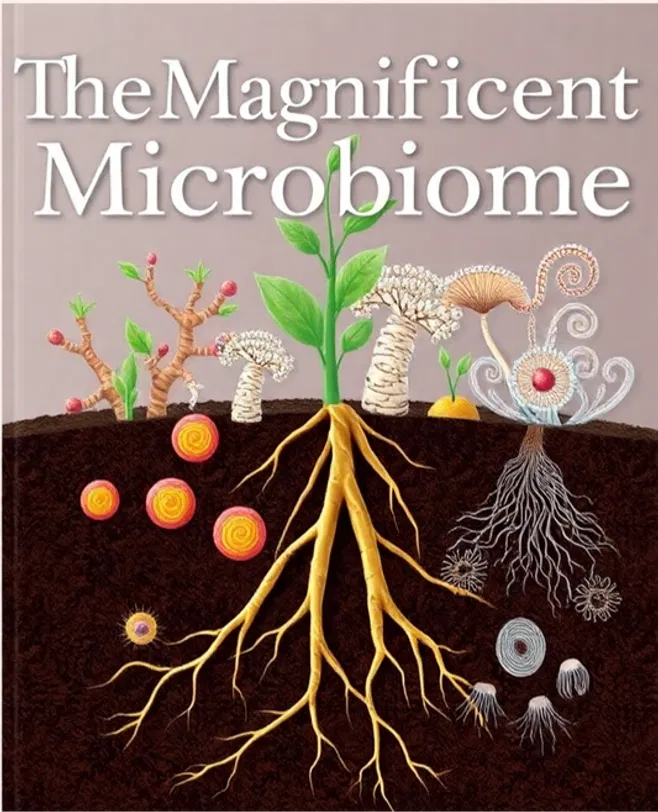
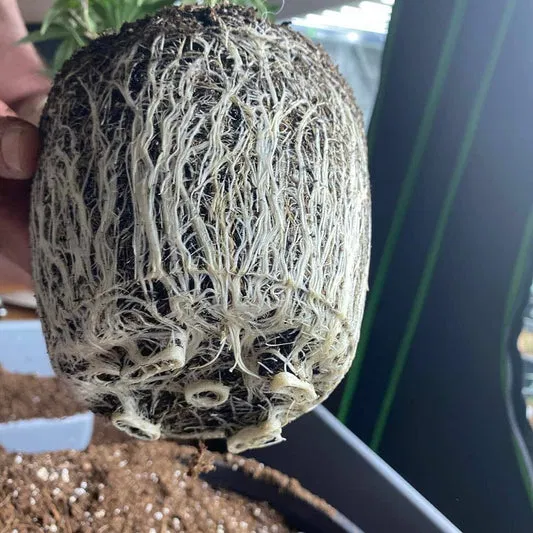
- Rhizosphere Optimization: The rhizosphere is the narrow region of soil directly influenced by root secretions. Rhizo Logic® focuses on the symbiotic relationship between roots and beneficial microbes to maximize plant immunity and growth.
The Systems-Thinking Perspective: Why It Works
Most gardeners approach problems in isolation. If there are pests, they spray. If the leaves are yellow, they add nitrogen. We believe this "symptom-chasing" is the primary cause of garden failure.
Our systems-thinking approach views the garden as a single, interconnected organism. In this model:
- The Soil is the Stomach: It digests organic matter.
- The Microbes are the Enzymes: They break down complex molecules into simple nutrients.
- The Roots are the Circulatory System: They transport those nutrients throughout the plant.
When you use the Rhizo Logic® framework, you stop feeding the plant and start feeding the soil. When the soil is healthy, the plant’s natural genetic potential is unlocked. This transition is why we often say regenerative organic living systems will change the way you grow food.
Case Study 1: The "Sterile Sand" Transformation
One of our most impactful success stories comes from a grower who struggled with high-alkalinity, sandy soil that refused to hold moisture or nutrients.
The Problem: The garden was essentially a "biological desert." Every time it rained, the synthetic fertilizers leached away, leaving the plants stunted and vulnerable to heat stress.
The Rhizo Logic® Solution:
We implemented a multi-stage restoration plan using our Living Soil principles. First, we introduced a diverse microbial inoculum to jumpstart the biological engine. Second, we amended the area with high-quality organic matter to provide a "buffet" for these new microbes.
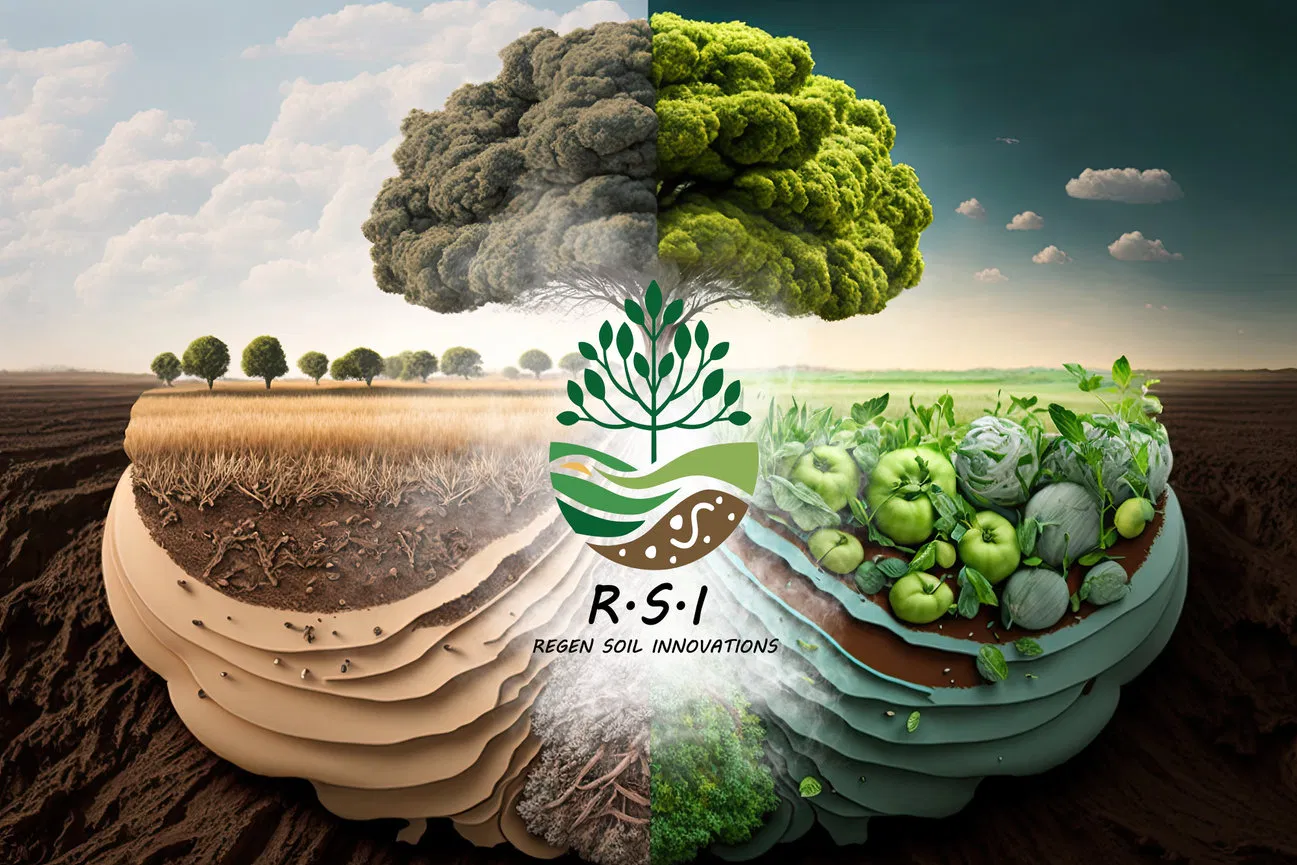
The Result: Within one growing season, the soil structure changed from loose sand to a dark, crumbly "aggregate" structure. The microbes created glomalin, a biological glue, that held the sand particles together, increasing water retention by 400%. You can read the full technical breakdown of this transition in our soil restoration case study.
Case Study 2: The "Pest-Ridden" Patio Garden
Many urban gardeners assume that pests like fungus gnats or spider mites are an inevitable part of the hobby. Elizabeth T., a gardener from Marblehead, MA, found herself in a constant battle with soil-borne pests in her container garden.
The Problem: Traditional "Super Soils" are often sterilized or heavily amended with slow-release chemicals, which can actually attract pests by creating an unbalanced environment.
The Rhizo Logic® Solution:
Elizabeth switched to our Full Living Soil Patio Kit. This kit isn't just soil; it’s a pre-balanced ecosystem. By introducing beneficial predators and fungi that compete with pests for resources, we created a "hostile environment" for the bad guys.
The Result: Not only did the pest pressure drop to near zero, but the plant health skyrocketed. Because the soil was "living," the plants developed thicker cell walls, making them physically harder for insects to penetrate. For those struggling with similar issues, we recommend our organic battle plan for fungus gnats.
Technical Deep Dive: Fungi vs. Bacteria
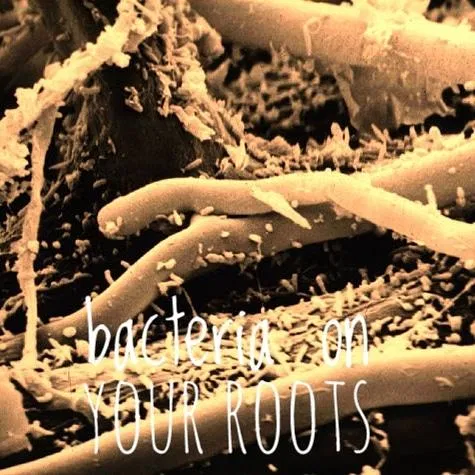
In the Rhizo Logic® framework, we pay close attention to the Fungal-to-Bacterial (F:B) ratio.
- Bacteria-Dominated Soils: Usually found in disturbed areas or gardens using heavy synthetic fertilizers. These soils cycle nitrogen very quickly, often leading to "weedy" conditions and high nitrate levels.
- Fungal-Dominated Soils: Found in old-growth forests. These soils excel at breaking down woody material and sequestering carbon.
- The Balanced Zone (1:1): This is where most vegetables and flowers thrive. Fungi extend the reach of the root system (via Mycorrhizae), while bacteria handle the rapid breakdown of green organic matter.
By maintaining this balance, we ensure that your plants have access to both fast-acting and slow-release nutrients simultaneously. This is the secret behind the "explosive growth" reported by our users.
Comparing the Systems: Living Soil vs. Conventional
| Feature | Conventional Gardening | Rhizo Logic® Living Soil |
|---|---|---|
| Nutrient Source | Synthetic Salts (Liquid) | Organic Matter (Biological) |
| Pest Management | Pesticides (Reactive) | Biodiversity (Proactive) |
| Water Needs | High (Low retention) | Low (High biological retention) |
| Sustainability | Low (Depletes soil) | High (Builds topsoil) |
| Flavor/Nutrition | Often "Crunchy Water" | Nutrient-Dense |
We have discussed the nutritional differences in depth before, particularly regarding the empty plate problem. The Rhizo Logic® framework ensures that the minerals in the soil actually make it into the food on your plate.
How to Get Started with the Framework
Whether you are a beginner or a commercial grower, the transition to Rhizo Logic® follows a predictable path:
1. The Assessment Phase
Before adding anything, you must know what you have. We recommend an Initial Soil Health Assessment to measure current microbial levels and organic matter.
2. The Inoculation Phase
If your soil is sterile, you must "re-seed" it with life. This involves adding compost teas, worm castings, or specialized microbial blends like our Rhizo Logic® concentrates.
3. The Maintenance Phase
Once the ecosystem is established, your job changes from "manager" to "steward." You stop tilling (which kills fungi) and start mulching (which feeds them).
FAQ: Frequently Asked Questions about Rhizo Logic®
Q: Is Rhizo Logic® the same as "Super Soil"?
A: No. Super Soils are typically "hot" mixes loaded with high doses of organic fertilizers intended to last one season. Rhizo Logic® is a living ecosystem that actually gets better and more fertile every year. You can see our Living Soil vs. Super Soil comparison for more details.
Q: Can I use this for indoor plants?
A: Absolutely. While it was designed for outdoor and patio food production, the biological principles apply to any container. Just be sure to manage moisture levels carefully, as living soil holds water differently than peat-based mixes.
Q: How long does it take to see results?
A: You will often see a change in plant vigor within 14 days of inoculation. However, true soil restoration: changing the actual structure of the ground: typically takes 1 to 3 growing seasons of consistent Rhizo Logic® practices.
Q: Do I still need to use Bio-boost?
A: While Rhizo Logic® focuses on the soil foundation, our Terrabiotics Bio-boost line acts as a biological catalyst. They work in harmony: Rhizo Logic® provides the "house" and "pantry," while Terrabiotics provides the "energy drink" for the microbes to work faster.
Conclusion
The success of the Rhizo Logic® Framework isn't based on marketing magic; it’s based on the laws of nature. By aligning our gardening practices with the way the earth has grown plants for millions of years, we achieve results that chemicals simply cannot match.
We invite you to stop fighting against your soil and start working with it. If you're ready to make the switch, start with our Ultimate Guide to Living Soil or reach out to us for a personalized consultation.
Are you currently transitioning to living soil? What's the biggest challenge you've faced? Let us know in the comments below, and let's grow together!


