
The Ultimate Guide to Soil Archives: How to Build a Living Legacy in Your Own Backyard
By Jeremy Standring
Most people look at a backyard and see "dirt." At Regen Soil, we look at it and see a biological library: a living archive of evolutionary history, chemical interactions, and microbial teamwork. When we talk about building a soil archive, we aren’t just talking about a fancy compost pile. We are talking about creating a self-sustaining, regenerative system that acts as a legacy for your land.
If you’ve spent years buying plastic bags of "potting mix" only to watch it turn into hydrophobic dust by August, you’ve been trapped in the disposable gardening cycle. It’s time to stop renting your fertility and start owning it. Let’s dive into how you can build a living legacy in your own backyard using the principles of regenerative agriculture and high-performance living soil.
What is a Soil Archive?
A "Soil Archive" is a mindset as much as it is a physical space. In traditional agriculture, soil is treated like a sponge: you pour nutrients in, the plant sucks them out, and the sponge eventually dries up and dies. In a living soil system, the soil is a repository. It stores carbon, hosts diverse microbial populations, and cycles nutrients indefinitely.
Building a soil archive means you are investing in the "biology of tomorrow." Instead of throwing away soil at the end of a season, you are refining it. You are building a living legacy that gets better, more fertile, and more biologically complex every single year.
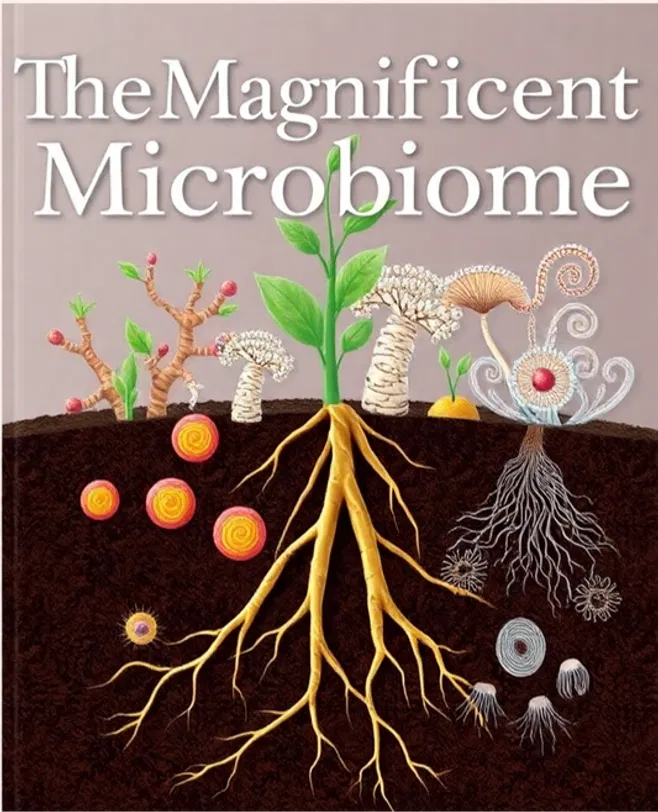
The Scientific Foundation: It’s All About the Microbiome
To build an archive, you need to understand the librarians: the microbes. The soil microbiome consists of bacteria, fungi, protozoa, and nematodes that work in a symbiotic dance known as the Rhizosphere.
- Bacteria: These are the primary decomposers. They break down simple sugars and proteins, "gluing" soil particles together into aggregates.
- Fungi (Mycorrhizae): These act as the internet of the soil. They extend the reach of plant roots by miles, bringing in phosphorus and water from places the plant could never reach on its own.
- Protozoa and Nematodes: These are the predators. By eating the bacteria and fungi, they "poop" out plant-available nitrogen. This is the ultimate in-situ nutrient cycling.
We’ve found that the key to a successful archive is microbial diversity. This is why we developed the Rhizo Logic® line: to ensure your soil isn't just "active," but strategically populated with the right players for long-term health.
Step 1: The Foundation (The Base Mix)
You can’t build a library on a swamp. You need a stable base. For a backyard living legacy, we recommend a mix that prioritizes aeration and water retention without compaction.
- 50% High-Quality Base: Sphagnum peat moss or coconut coir. This provides the structure.
- 33% Aeration: Think pumice, perlite, or rice hulls. This ensures that the aerobic (oxygen-loving) microbes can breathe.
- 17% High-Quality Biology: This is your "starter culture." Think premium earthworm castings or aged compost.
If you are just starting and don't want to play chemist in your garage, our Living Soil Patio Pro Kit is designed to give you this perfect baseline right out of the gate.
Step 2: The Inoculation (Introducing the Legacy)
Once you have your base, you need to "program" it with the right biology. This is where many home gardeners fail. They assume if they leave a pile of dirt outside, "good" microbes will just show up. While true to an extent, you are just as likely to attract pathogens.
We recommend a targeted inoculation. Using products like Rhizo Logic® ensures that you are introducing beneficial strains that have been scientifically vetted to support plant health and soil structure. Think of it as installing a high-end operating system in your soil archive.

Step 3: Feeding the Archive
A soil archive is "living," which means it needs to eat. In regenerative organic living systems, we don't use synthetic N-P-K fertilizers. Those are like giving a marathon runner a shot of pure sugar: it works for a minute, but then they crash, and the soil biology dies off.
Instead, we feed the soil, not the plant.
- Mulching: Always keep the soil covered. Use straw, wood chips, or living covers. This protects the microbes from UV rays and provides a slow-release food source.
- Bio-Recharge: Over time, even the best archives need a boost. This is where a product like Ultra Bio Boost comes in. It’s a Terrabiotics powerhouse designed to recharge the system with organic catalysts without disrupting the delicate balance of your Rhizo Logic® environment.
Comparing Approaches: Traditional vs. Regenerative
| Feature | Traditional Gardening | Soil Archive (Regen Soil) |
|---|---|---|
| Nutrient Source | Synthetic Salts (Bottled Nutrients) | Microbial Cycling & Organic Matter |
| Soil Life | Minimal / Sterilized | High Diversity (Rhizo Logic®) |
| Sustainability | Replace soil every year | Soil improves over decades |
| Water Usage | High (Drains quickly) | Low (High organic matter holds water) |
| Effort | High (Constant measuring/mixing) | Low (The biology does the work) |
For the Experienced Grower: Expanding the Archive
If you’ve already mastered the basics of a backyard garden, it’s time to look at soil restoration on a larger scale. This involves moving beyond the pot and into the ground.
For commercial operations or large-scale home estates, we recommend starting with an Initial Soil Health Assessment. We use data-sharing and laboratory analysis to see exactly what "books" are missing from your library. Are you fungal-dominant? Do you have a compaction layer at six inches? We use science to provide a roadmap for your legacy.
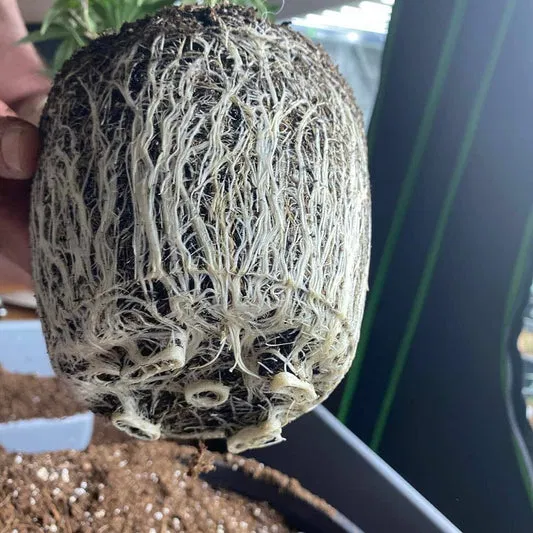
Maintaining Your Legacy: The "No-Till" Rule
The cardinal sin of a soil archive is tilling. Imagine someone coming into a library with a leaf blower and scattering all the pages. That is what a tiller does to fungal networks.
When you harvest a plant, leave the roots in the ground. They will rot away, leaving "tunnels" for air and water to travel through, and they provide food for the next generation of microbes. This is how you build soil structure that lasts for generations.
Regenerative Agriculture at Home: A Practical Checklist
Building a living legacy doesn't happen overnight, but you can start today.
- Stop the Toxin Influx: Cease the use of synthetic pesticides and herbicides. They are "microbe killers."
- Get the Right Kit: If you're on a patio, start with a 5gal Living Soil setup.
- Monitor Your Progress: Watch for "indicators of health": earthworms, dark soil color (humus), and plants that resist pests naturally.
- Stay Educated: Soil science is evolving. Check our blog regularly for updates on the RSI Method and new microbial breakthroughs.
FAQ: Building Your Backyard Legacy
Q: Does living soil smell bad?
A: Not at all! Healthy, aerobic living soil should smell like a fresh forest floor: earthy and sweet. If it smells like rotten eggs, it’s gone anaerobic, and you need more aeration.
Q: Can I use Rhizo Logic® with Bio-Boost?
A: Absolutely, but they serve different roles. Rhizo Logic® is your microbial foundation for the soil. Ultra Bio Boost is a Terrabiotics soil recharge that acts as a catalyst. They work in harmony, but they are different tools in the regenerative toolbox.
Q: How long does it take to "build" an archive?
A: You’ll see results in one season, but the true "legacy" status: where the soil becomes incredibly resilient: usually takes 3 to 5 years of consistent regenerative practices.
Join the Regeneration
We are on a mission to turn every backyard into a carbon-sequestering, life-supporting archive. It’s better for the planet, better for your plants, and honestly, it’s a lot more fun than carrying heavy bags of dead dirt every spring.
If you’re ready to stop "gardening" and start "regenerating," we’re here to help. Whether you need a full Soil Health Assessment or just want to chat about microbes, reach out to us.
Let’s build something that lasts.
What’s the biggest challenge you’ve faced with your backyard soil? Drop a comment below or send us a message( we love talking shop!)


