
5 Steps How to Restore Topsoil and Build Living Soil (Easy Guide for Gardeners)
At Regen Soil, we don't just see dirt; we see a universe of potential. When we talk about regenerative agriculture, we are talking about a shift from "management" to "stewardship." Most gardeners are used to treating soil as a sterile medium that simply holds a plant up while they pour in synthetic nutrients. But if you want a garden that thrives with minimal effort, resists pests naturally, and produces nutrient-dense food, you need to transition to Living Soil.
Building Rhizo Logic® (our term for high-functioning living soil) is about restoring the biological engine that drives plant health. It’s not about buying a bag of fertilizer; it’s about inviting an army of microbes to do the work for you. Here is our authoritative, five-step guide to restoring your topsoil and building a thriving ecosystem right in your backyard.
1. Eliminate the "Chemical Crutch"
The first step in soil restoration is the hardest for many: you must stop using synthetic fertilizers, herbicides, and pesticides. We call these "the chemical crutch."
Synthetic fertilizers are high-salt formulations that provide a quick hit of Nitrogen, Phosphorus, and Potassium (NPK). While they make plants look green, they are devastating to microbial populations. The high salt content dehydrates delicate fungal hyphae and kills off the beneficial bacteria that drive nutrient cycling. When you kill the biology, the soil becomes "addicted" to synthetics because there are no microbes left to process organic matter into plant-available food.
Synthetic vs. Living Soil: A Comparison
| Feature | Synthetic Gardening | Living Soil (Rhizo Logic®) |
|---|---|---|
| Nutrient Delivery | Water-soluble salts (direct to root) | Microbial processing (slow release) |
| Soil Structure | Degrades over time (compaction) | Improves via fungal "glue" (glomalin) |
| Pest Resistance | Low (requires pesticides) | High (natural systemic immunity) |
| Cost | Re-purchase inputs every season | Decreases as the ecosystem matures |
By eliminating these toxins, you allow the natural soil food web to begin its recovery. If you feel your plants need an immediate pick-me-up during this transition, we recommend moving toward biological stimulants like Bio-boost (a Terrabiotics product) rather than harsh chemical salts.
2. Adopt the No-Till Philosophy
Tilling is to soil what an earthquake is to a city. It destroys the "infrastructure" built by fungi and earthworms. In regenerative agriculture, we emphasize maintaining soil architecture.
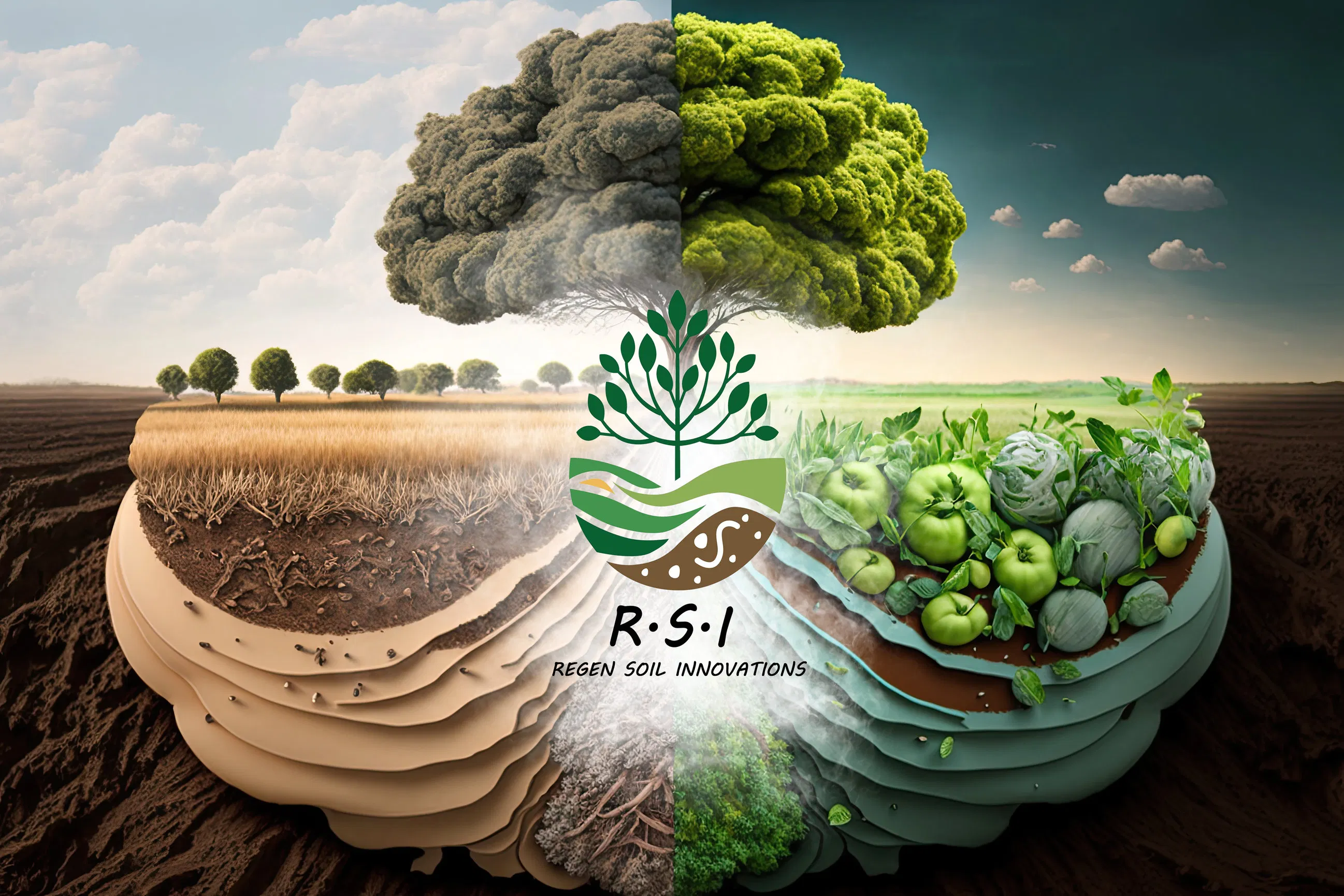
When you turn the soil, you expose sensitive microbes to UV light and oxygen levels that kill them instantly. More importantly, tilling breaks up the underground network of mycorrhizal fungi. These fungi act as an extension of the plant's root system, reaching out into the soil to bring back water and minerals in exchange for carbon (sugars) from the plant.
For Beginners: Instead of digging, use a "broadfork" to gently aerate the soil without flipping the layers, or simply layer organic matter on top.
For Commercial Operations: Transitioning to no-till requires specialized equipment and a shift in cover cropping strategies, but the long-term gains in carbon sequestration and water retention are unparalleled.
3. Feed the Underground Ecosystem
If you want living soil, you have to provide a consistent food source for the life within it. This means adding high-quality organic matter. We aren't just talking about dumping any old bag of mulch; we are talking about building a "starter culture" for your garden.
We recommend top-dressing with 1–2 inches of high-quality compost or worm castings twice a year. This provides the primary carbon sources that bacteria and fungi need to multiply.
The Role of Rhizo Logic®
At Regen Soil, we developed the Rhizo Logic® approach to ensure that your living soil has the specific microbial diversity required for elite plant performance. While standard compost adds bulk, Rhizo Logic® focuses on the functionality of the microbes, ensuring you have the right ratios of fungi to bacteria to drive the specific growth cycles of your crops.
You can learn more about how we assess these biological ratios through our ISH Assessment (Initial Soil Health Assessment).
4. Keep the Soil "Armored" (Cover Crops and Mulch)
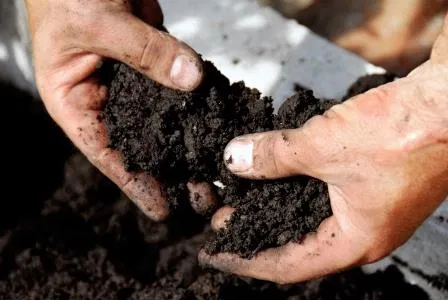
Nature hates naked soil. If you look at a forest floor or a prairie, you will never see bare earth. Bare soil is subject to erosion, extreme temperature fluctuations, and "crusting," which prevents water from soaking in.
To restore topsoil, you must keep it covered 365 days a year. We recommend a two-pronged approach:
- Mulching: Use wood chips, straw, or leaves to create a physical barrier. This keeps the soil cool and moist, which is essential for microbial survival.
- Cover Crops: These are "living mulches." Plants like clover, vetch, and rye keep living roots in the ground. Living roots exude sugars that feed the microbial populations even when you aren't growing a primary crop.
For more on choosing the right species, check out our Guide to Cover Crops for Cannabis and Gardens.
5. Inoculate and Monitor Biology
The final step is moving from "passive" gardening to "active" biological management. Many soils are so depleted that they lack the "mother" microbes needed to jumpstart the system. This is where inoculation comes in.
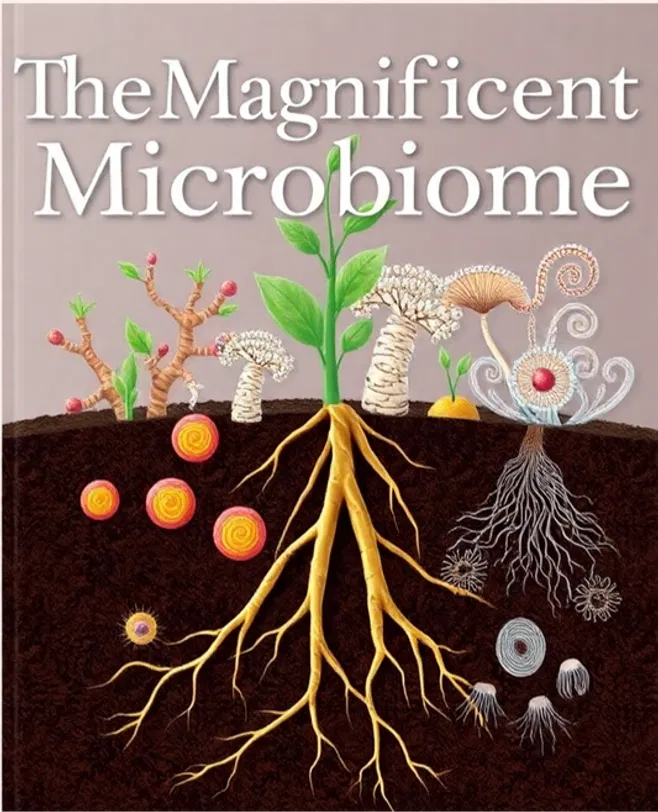
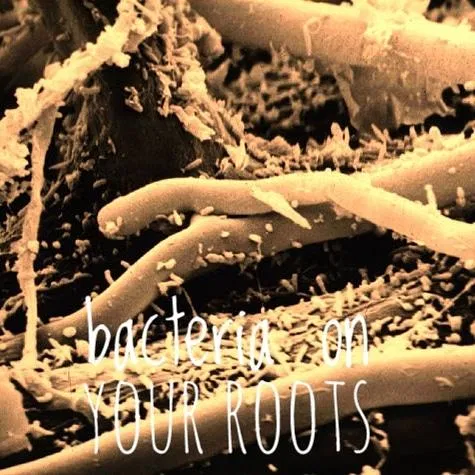
We use Rhizo Logic® products to introduce beneficial microbes directly to the rhizosphere (the area around the roots). This ensures that as soon as a seed germinates, it is immediately colonized by "bodyguards" and "miners" that will protect and feed it.
Deep Dive: Why Biology Matters More Than Chemistry
Most gardeners focus on pH and NPK levels. While important, these are secondary to biology. In a truly living soil system, microbes can actually adjust the pH in the immediate vicinity of the root to unlock nutrients that would otherwise be "tied up." This biological buffering is why we rarely see nutrient deficiencies in well-managed regenerative systems.
For those looking to maximize their results, we often suggest a dual approach: use Rhizo Logic® to establish the foundation of your living soil, and supplement with Bio-boost (a Terrabiotics product) to provide the secondary metabolites and enzymatic triggers that supercharge plant immunity.
Deep Dive: The Systems-Thinking Approach
To succeed in soil restoration, you must adopt a "systems-thinking" lens. You aren't just growing a tomato; you are managing a complex web of interactions between:
- Bacteria: The "bags of fertilizer" that hold nutrients in their bodies.
- Protozoa: The "grazers" that eat bacteria and release those nutrients in a plant-available form.
- Fungi: The "highway system" that transports water and nutrients across the garden.
When these components are in harmony, the garden becomes self-sustaining. This is the ultimate goal of Regen Soil. We want to help you reach a point where your soil gets better every year, rather than more depleted.
FAQ: Restoring Topsoil and Living Soil
Q: How long does it take to turn "dirt" into Living Soil?
A: You will see an immediate improvement in soil structure and water retention within one season. However, building a fully mature, self-sustaining fungal network usually takes 2–3 years of consistent no-till and organic practices.
Q: Can I use Rhizo Logic® in pots or only in the ground?
A: Both! Our 5-Gallon Living Soil setup is designed specifically for container growers who want the benefits of regenerative agriculture in a smaller footprint.
Q: Is Bio-boost the same as Rhizo Logic®?
A: No. Rhizo Logic® refers to our living soil methodology and microbial inoculants designed to build the ecosystem. Bio-boost is a Terrabiotics product that acts as a bio-stimulant to enhance the performance of the biology already present in the soil. They work beautifully together but serve different roles.
Q: Does tilling really hurt that much?
A: Yes. Tilling shatters the fungal hyphae and releases stored carbon into the atmosphere as CO2. It also creates a "plow pan" (a hard layer of compacted soil) just below the depth of the tiller blades, which prevents roots from going deep.
Take the Next Step in Your Soil Journey
Restoring your soil is the most impactful thing you can do for the planet and your health. If you're ready to stop guessing and start growing with scientific precision, we are here to help.
Whether you are a backyard gardener or managing a commercial grow, we can provide the roadmap. Start by meeting Jeremy Standring to learn our story, or dive straight into an Initial Soil Health Assessment to find out exactly what your ground is missing.
What’s your biggest struggle with soil health? Leave a comment below, and let’s grow together!


