
Why Regenerative Organic Living Systems Will Change the Way You Grow Food on Your Patio Forever
Most patio gardens follow a predictable, heartbreaking trajectory. You buy the plastic pots, the "premium" bagged potting mix, and some nursery starts. By June, everything looks lush. By August, the soil is a hydrophobic brick, the plants are struggling with aphids, and you’re dumping synthetic "blue liquid" fertilizer into the dirt just to keep the tomatoes on life support.
At Regen Soil, we call this the "input treadmill." It’s exhausting, expensive, and, frankly: it’s not how nature intended plants to grow. We believe your patio shouldn't be a plant graveyard; it should be a thriving, self-sustaining ecosystem.
By shifting to a Regenerative Organic Living System, you aren’t just growing food; you’re managing a biological workforce. This approach will fundamentally change how you interact with your plants, turning your balcony or deck into a high-yielding, nutrient-dense sanctuary.
The Container Conundrum: Why Traditional Methods Fail
To understand why regenerative systems are the future, we have to look at why the "standard" way of growing in pots is so flawed. Containers are inherently stressful environments. In a traditional garden bed, the soil has depth, thermal mass, and a connection to the Earth’s natural moisture and microbial highways.
In a pot, that soil is isolated. It heats up rapidly in the afternoon sun, cooking the delicate roots. It lacks the complex fungal networks that move nutrients around. Most importantly, standard potting mixes are often "sterile" or rely on slow-release synthetic salts. Once those salts are used up, the soil is essentially dead. This leads to what we call the empty plate problem: where the food you grow looks like a tomato but lacks the mineral density and flavor of real food.
What Exactly is a Regenerative Organic Living System?
We define a Regenerative Organic Living System as a growing environment that prioritizes the health of the soil microbiome to sustain plant life, rather than relying on external chemical inputs.
It’s built on three pillars:
- Living Soil: Soil teeming with a diverse "Soil Food Web": bacteria, fungi, protozoa, and beneficial nematodes.
- Circular Nutrient Cycling: Using organic matter (mulch, compost) that the soil biology breaks down into plant-available food.
- Self-Regulation: A system that manages its own pH, pest resistance, and water retention through biological activity.
Instead of thinking like a chemist, we want you to think like an ecologist. When you get the biology right, the plants take care of themselves.

The Secret Sauce: Rhizo Logic® and the Power of Microbes
You might have heard of "Super Soil," but we prefer to talk about Living Soil. The difference is huge. Super soil is often "hot": loaded with enough amendments to last a season, but it eventually runs out of steam. Living soil, powered by our Rhizo Logic® philosophy, is designed to be permanent.
Rhizo Logic® focuses on the rhizosphere: the narrow region of soil directly influenced by root secretions and associated soil microorganisms. In a regenerative patio system, we inoculate the soil with specific microbial populations that form a symbiotic relationship with your plants.
- Bacteria act as tiny nitrogen-fixing factories.
- Fungi (Mycorrhizae) extend the root system's reach by up to 100x, mining for phosphorus and water.
- Protozoa are the "microscopic architects" that eat bacteria and poop out nitrogen in a form the plant can actually use. For a deeper look at these tiny heroes, check out our post on the hidden world of soil protozoa.
Thermal Resilience: Solving the "Dead Zone"
One of the biggest breakthroughs we’ve implemented in regenerative patio container growing is addressing the "thermal dead zone."
In a standard 5-gallon bucket, the soil temperature can swing 30 degrees in a single day. This kills off beneficial microbes and halts plant growth. Regenerative systems use breathable fabric bags (like our 5gal Living Soil setup) and aeration techniques.
We recommend installing a "chimney effect" system: essentially a vertical perforated pipe in the center of larger containers. This allows oxygen to reach the center of the root ball, keeping the biology aerobic (happy) and helping to regulate temperature through evaporative cooling.
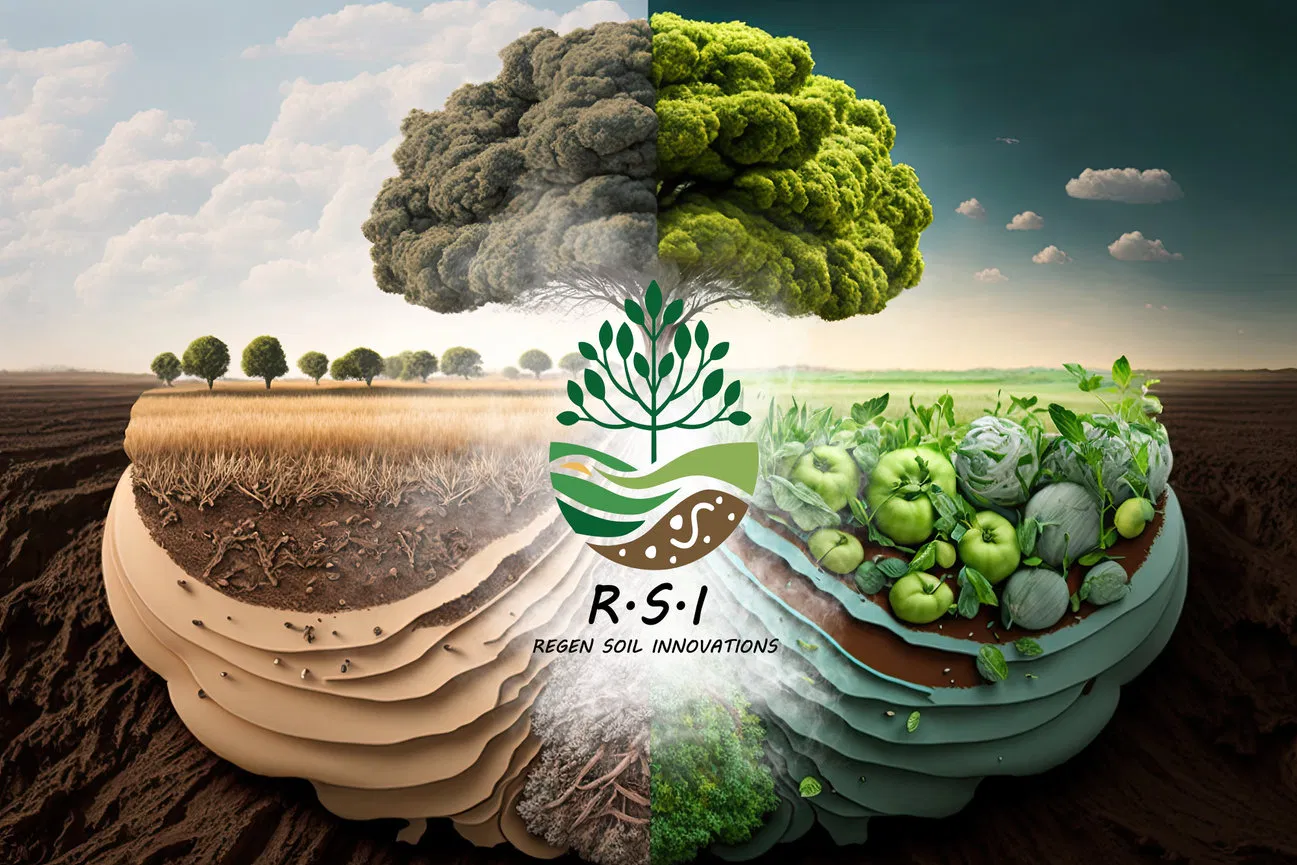
Comparison: Conventional vs. Regenerative Living Systems
| Feature | Conventional Container Gardening | Regenerative Living Systems |
|---|---|---|
| Nutrient Source | Synthetic liquid salts (N-P-K) | Biological decomposition & cycling |
| Soil Life | Minimal to sterile | High diversity (Rhizo Logic®) |
| Water Retention | Low (soil becomes hydrophobic) | High (organic matter & fungal glues) |
| Pest Pressure | High (attracts "garbage collector" insects) | Low (systemic resistance/bio-diversity) |
| Longevity | Soil must be replaced annually | Soil improves over time; never discarded |
| Flavor/Nutrition | Moderate to Low | Exceptionally High |
Step-by-Step: Setting Up Your Regenerative Patio
If you’re ready to ditch the chemicals and embrace the logic of the roots, here is the basic workflow we recommend at Regen Soil.
1. Start with the Foundation
Don't buy cheap dirt. You need a high-quality living soil base. If you're feeling adventurous, you can follow our complete guide to biochar to create a "microbial reef" within your mix. Biochar provides a permanent home for the microbes we're about to invite in.
2. Inoculate with Rhizo Logic®
Once your pots are filled, you need to "prime the pump." Use a high-quality microbial inoculant to ensure you have the right balance of fungi and bacteria. This isn't a one-and-done deal; we like to "top up" the biology occasionally, especially after heavy rains that might leach some of the surface life.
3. Mulch is Non-Negotiable
In nature, soil is never naked. On a patio, naked soil dries out and forms a crust. We recommend a thick layer of organic mulch: straw, wood chips, or even living cover crops. This keeps the "microbial city" under the surface moist and protected from UV rays.
4. Implement Circular Feeding
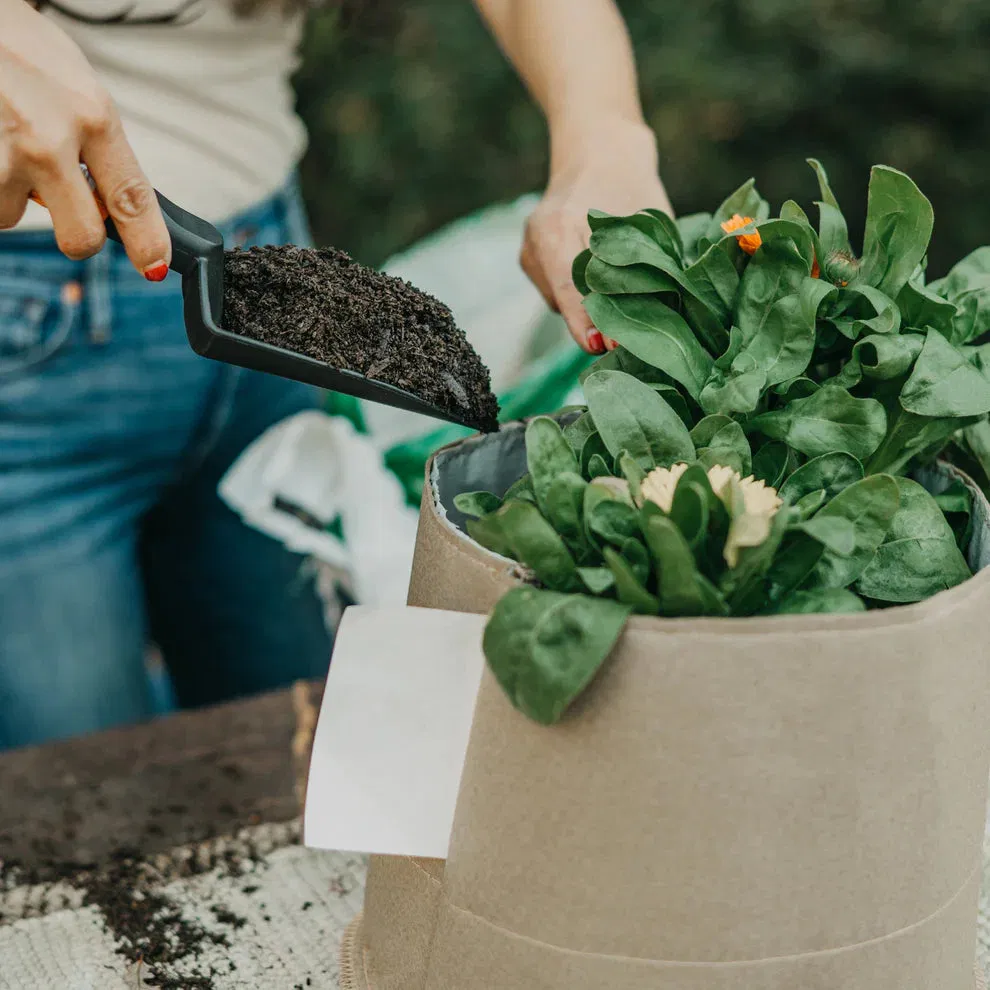
Instead of synthetic fertilizers, use top-dressings like worm castings or high-quality compost. You can also use Terrabiotics' Bio-boost to provide a gentle, bio-available nutrient kick that feeds the soil, not just the plant.
For the Beginners: Don't Overthink It
We see many new growers get intimidated by the science. Here’s the "cheat sheet": If you keep the soil moist (not soaked) and covered, and you don't use pesticides, the microbes will do 90% of the work for you. Start with easy crops like kale, herbs, or cherry tomatoes. You'll notice the difference in leaf turgor and color within weeks.
For the Experienced Growers: Push the Limits
If you’ve been growing for years, it's time to look at Integrative Soil Health (ISH) assessments. We can actually look at your soil under a microscope to tell you exactly which parts of the food web are missing. Are you fungal dominant? Do you have a protozoa deficiency? This data-driven approach is how we transform sterile sand into living ecosystems.

Regenerative Living Systems FAQ
Q: Does living soil smell bad on a patio?
A: Quite the opposite! Healthy, aerobic living soil smells like a fresh forest floor after rain. If it smells like rotten eggs, it’s gone anaerobic, which usually means it's overwatered and lacks aeration.
Q: Do I have to deal with more bugs?
A: You will see more life, but fewer pests. In a balanced system, you'll have predatory mites and spiders that keep the "bad" bugs in check. If you do run into issues like fungus gnats, we have a comprehensive guide to tackling them using biological controls rather than poisons.
Q: Is it more expensive?
A: Upfront, yes. Quality living soil and Rhizo Logic® products cost more than a bag of peat moss. However, because you aren't throwing the soil away every year and you're buying fewer "bottled" nutrients, it's significantly cheaper (and more productive) in the long run.
Why This Matters
At Regen Soil, we believe that food sovereignty starts at home. Whether you have a 100-acre farm or a 10-foot balcony, the principles of regenerative agriculture at home remain the same.
By choosing a regenerative organic living system, you are stepping away from a broken industrial food model and stepping into a partnership with nature. You’ll grow better-tasting food, support local biodiversity, and honestly, you'll find gardening a lot more relaxing when you aren't constantly fighting against the environment.
Ready to start your own living ecosystem? Explore our RSI Method to see how we can help you transition from a "grower" to an "ecosystem manager." If you have questions about your specific setup, drop a comment below or reach out for a soil health assessment. Let’s grow something real!


