
5 Steps How to Restore Topsoil and Grow Nutrient-Dense Food (Easy Guide for Patio Growing)
By Jeremy Standring
For many urban and suburban dwellers, the dream of self-sufficiency often hits a brick wall: or rather, a concrete patio. We are often told that high-quality, nutrient-dense food requires acres of rolling farmland and heavy machinery. At Regen Soil, we know that couldn't be further from the truth. Regenerative agriculture is a mindset and a biological methodology, not a land-size requirement.
Whether you are working with a few fabric pots on a balcony or a dedicated raised bed system on your back deck, the secret to success lies in soil restoration. Most "potting mixes" sold at big-box stores are little more than sterile peat and perlite: essentially a dead medium that forces you to rely on synthetic salts to keep plants alive. This results in what we call "crunchy water": produce that looks like a tomato but lacks the vitamins, minerals, and phytonutrients your body craves.
To grow truly medicinal, nutrient-dense food, you must transition from "dirt" to Living Soil. Here is our authoritative 5-step guide to restoring topsoil health in a patio environment.
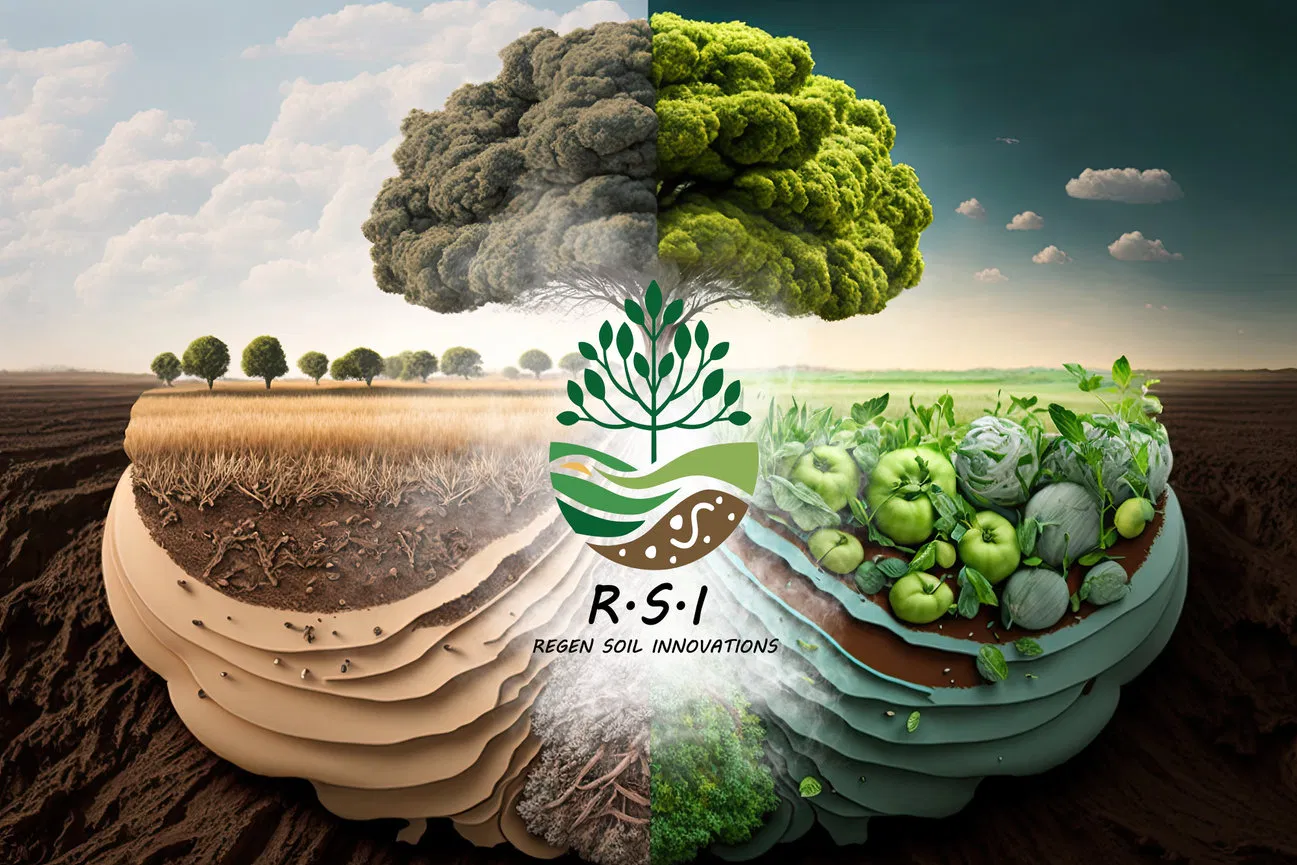
Step 1: Audit and De-compact Your Existing Medium
Before we can build, we must assess. If you have old pots filled with dusty, hydrophobic "dirt" from last season, you are looking at a biological desert. In a regenerative system, we avoid the "toss and replace" mentality. Instead, we restore.
The Problem with Sterile Media
Standard potting soils are designed for convenience, not nutrition. Over time, the organic matter vanishes, the structure collapses, and the microbial populations die off. We see this manifest as "hardpan" in containers: where water simply runs down the sides of the pot rather than soaking in.
The Restoration Process
- Empty and Aerate: If the soil is severely compacted, tip it into a large bin. We need to break up the clumps to allow for oxygen penetration.
- Hydration: Re-hydrate the medium slowly. Use a wetting agent or simply small amounts of water over several hours to ensure the peat or coco-coir fibers can actually hold moisture again.
- Removal of Inorganic Salts: If you have used synthetic fertilizers previously, we recommend a light flush to reduce salt buildup that can inhibit the Rhizo Logic® (Living Soil) microorganisms we are about to introduce.
Step 2: Re-establish Soil Structure with Biochar and Minerals
Topsoil isn't just organic matter; it is a complex matrix of minerals and carbon. To mimic the deep, rich topsoils of the Great Plains on your patio, we must provide a "house" for biology.
The Role of Biochar
Biochar is a permanent form of carbon that acts as a microbial skyscraper. Because it is highly porous, it provides a refuge for beneficial bacteria and fungi, preventing them from being washed away during heavy watering. However, most people use biochar incorrectly. Biochar secrets revealed show that "raw" biochar can actually suck nutrients out of your soil if not properly "charged" first.
Mineralization
We recommend adding rock dusts (azomite or basalt) to your mix. These provide the trace minerals that are missing from the supermarket salad. Without these minerals, your plants cannot synthesize the complex compounds that define "nutrient density."
Step 3: Inoculate with Rhizo Logic® (The Living Soil Secret)
This is the most critical step in soil restoration. In nature, plants don't "eat" dirt; they trade sugars (exudates) with microbes in exchange for nutrients. This is the Rhizo Logic®: the inherent intelligence of the root-zone ecosystem.
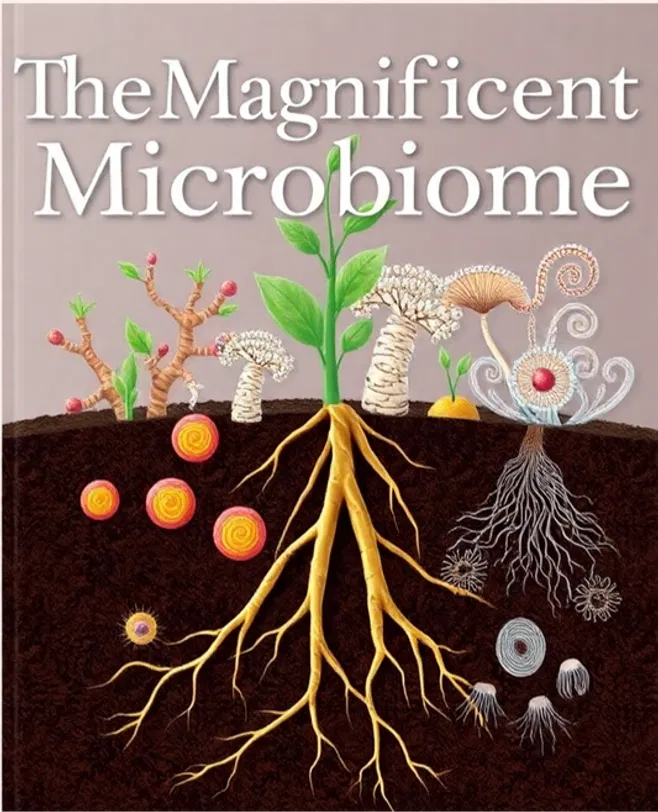
Meet Your Underground Workforce
To restore topsoil, you need to introduce a diverse cast of characters:
- Bacteria: The primary decomposers.
- Fungi: The "internet" of the soil, transporting water and phosphorus over long distances.
- Protozoa: The predators. As we’ve discussed in our deep dive on soil protozoa, these microscopic hunters eat bacteria and "poop" out nitrogen in a form the plant can immediately use.
By using a Living Soil approach, you are creating a self-regulating system. We suggest using a high-quality microbial inoculant or a portion of established living compost to "seed" your patio containers with life.
Step 4: Fuel the System with Bio-boost (Terrabiotics)
Once the "workers" (microbes) are in the soil, they need food. This is where Bio-boost, part of our Terrabiotics line, comes into play. Unlike synthetic fertilizers that bypass the soil and go straight to the plant (essentially "sterilizing" the soil over time), Bio-boost feeds the soil ecosystem.
Comparison: Synthetic vs. Regenerative Feeding
| Feature | Synthetic Fertilizers | Bio-boost (Terrabiotics) |
|---|---|---|
| Primary Target | The Plant (Short-term) | The Soil Microbiome (Long-term) |
| Nutrient Density | Low (Water-weight growth) | High (Secondary metabolites) |
| Soil Health | Degrades structure/microbes | Restores and builds topsoil |
| Runoff Risk | High (Leaches into water) | Low (Sequestered in biology) |
Technical Deep Dive: Nutrient Cycling
When you apply Bio-boost, you are providing complex carbon chains and amino acids. The microbes break these down, slowly releasing nitrogen, phosphorus, and potassium in a plant-available form. This prevents the "luxury uptake" of nitrates, which often makes plants more attractive to pests like fungus gnats. If you do run into pests during the transition, check out our organic battle plan for fungus gnats.
Step 5: Maintain the "Living Armor" (Mulch and Moisture)
The greatest enemy of topsoil is exposure. On a patio, pots can bake in the sun, killing the delicate Rhizo Logic® organisms in the top two inches of soil.
Never Leave Soil Bare
In regenerative agriculture, we use "armor" to protect the soil surface.
- Mulch: Use straw, wood chips, or even shredded leaves. This regulates temperature and provides a slow-release food source for fungi.
- Cover Crops: For larger patio planters, we recommend "green mulch." Small clovers or grasses keep the soil "photosynthetically active" even when your main crop is maturing.

Monitoring Soil Metrics
To ensure your restoration is working, we recommend monitoring three key metrics:
- Moisture: Living soil must stay moist (not soaking) to keep microbes alive.
- Temperature: Aim to keep your containers under 80°F (27°C) if possible.
- EC (Electrical Conductivity): This measures the "salt" or nutrient levels. In a living system, we want a stable, moderate EC.

Why This Matters: Living Soil vs. Super Soil
Many beginners confuse "Super Soil" with Living Soil. Super soils are often "hot" mixes heavily amended with organic fertilizers that are designed to last one season. Living Soil (Rhizo Logic®) is an ecosystem that actually improves over time. By following these 5 steps, you aren't just growing a tomato; you are building a legacy of fertile soil that can be used year after year. For a more detailed breakdown, read our analysis on Living Soil vs. Super Soil.
FAQ: Restoring Patio Topsoil
Q: Can I use soil from my backyard in my patio pots?
A: We generally advise against using straight "backyard dirt" in containers. It lacks the aeration and drainage (porosity) required for pot culture. However, you can mix 20% backyard soil into a high-quality medium to introduce local indigenous microorganisms (IMOs).
Q: How often do I need to "restore" my soil?
A: If managed correctly with Bio-boost and proper mulching, you should never have to "replace" your soil. You simply "top-dress" with new compost and minerals once or twice a year to keep the nutrient cycle moving.
Q: Is it too late to start this season?
A: It is never too late to start building soil. While spring is ideal, even starting in late summer or autumn allows the microbial populations to establish themselves for a massive head start next year. Just remember, patience is key.
Join the Regeneration
At Regen Soil, we believe that everyone has the right to nutrient-dense food, regardless of their zip code or land acreage. Restoring topsoil is the first step toward food sovereignty and health.
If you're ready to stop buying "crunchy water" and start growing real nutrition, check out our Full Living Soil Patio Kit. It contains everything you need to implement the Rhizo Logic® and Terrabiotics systems today.
Have questions about your specific patio setup? Drop a comment below or reach out to us: we’d love to help you restore your little piece of the earth.


