
Do You Really Need Expensive Inoculants? Here’s the Truth About Building Soil Microbial Diversity
By Jeremy Standring
If you’ve spent more than five minutes in the world of regenerative farming practices, you’ve seen the marketing. Glossy bottles, "miracle" microbes, and promises that a single capful of some mysterious liquid will turn your back-forty into a lush paradise.
Let’s get real: Most of it is garbage.
I’m Jeremy Standring, and at Regen Soil, I spend my life looking at soil under a microscope. I see what works and what’s just a waste of your hard-earned money. The market is flooded with "cheap fillers": inoculants that have more marketing budget than actual biology. But does that mean all inoculants are a scam? Not even close.
To understand if you need "expensive" inoculants, you first have to understand the difference between soil restoration and just throwing "dirt" around.
Dirt vs. Soil: The Living Ecosystem
The biggest mistake I see growers make is treating their medium like a simple holding tank for plants. If you’re just looking at N-P-K ratios, you aren't farming; you’re managing a chemistry set.
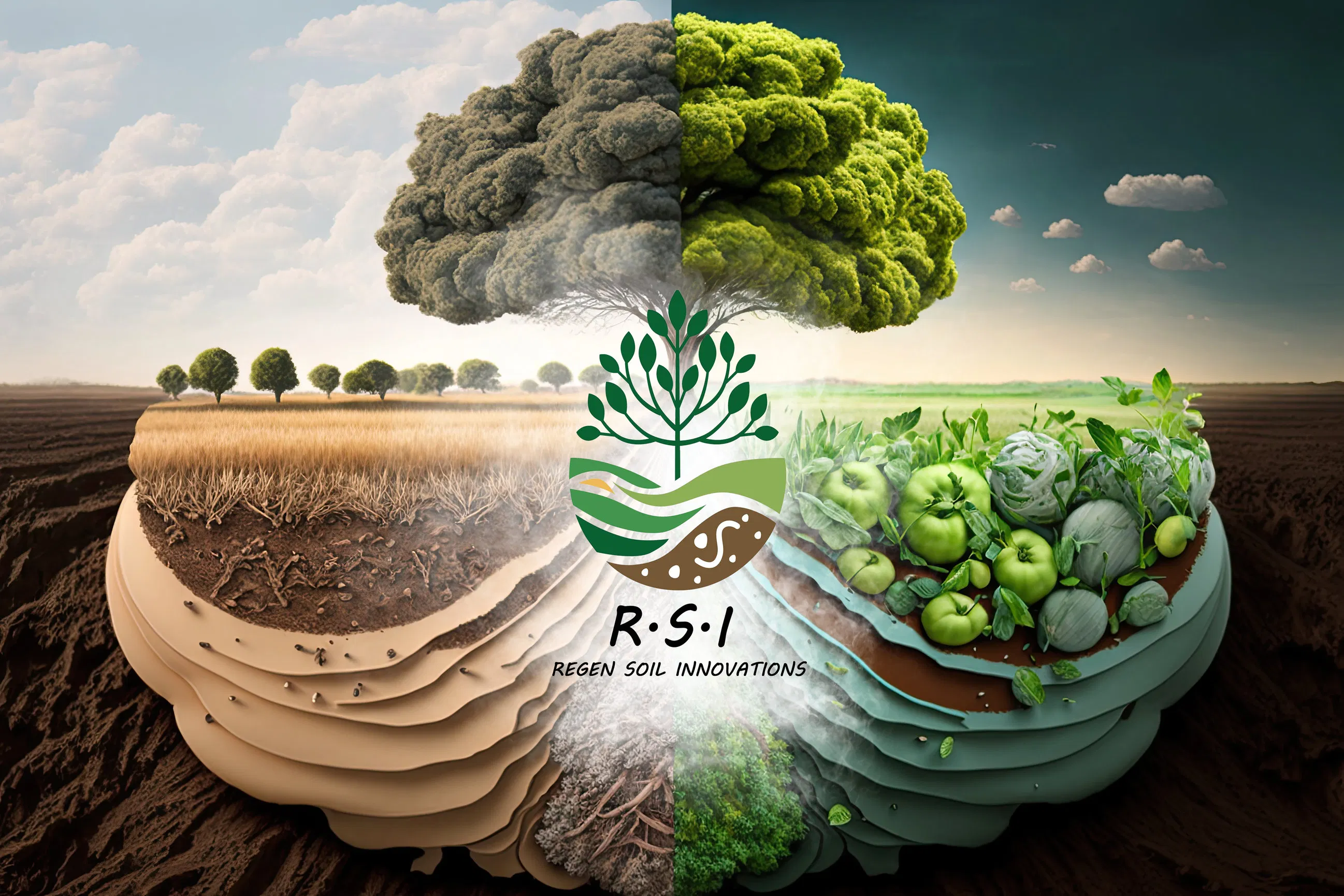
"Dirt" is dead. It’s just ground-up rock and minerals. It has no structure, no "soul," and no defense system. Soil, on the other hand, is a vibrant, living ecosystem. It’s a complex web of bacteria, fungi, protozoa, and nematodes all working in a massive underground economy.
When we talk about restoring topsoil, we aren't just adding organic matter. We are re-introducing the "social life" of the roots. Without soil microbiology, your plants are basically eating through a straw, dependent entirely on you to spoon-feed them synthetic nutrients. In a living system, the microbes do the heavy lifting: unlocking nutrients, fixing nitrogen, and building the soil structure that holds water.
The Truth About Soil Microbial Diversity
There’s a lot of debate in the scientific community about whether adding inoculants actually increases "diversity." Recent meta-analyses show that simply dumping a bottle of microbes onto the ground doesn't always result in a more diverse ecosystem. In fact, if your soil is already healthy, those store-bought microbes often get bullied out by the local natives.
So why use them?
Because most of us aren't starting with healthy soil. We’re starting with land that has been hammered by tillage, salt-based fertilizers, and pesticides. In these low-diversity environments, the right inoculant doesn't just "add" species; it acts as a pioneer species. It stabilizes the environment so that native biology can eventually move back in.
Why Biodiversity Matters
- Pathogen Defense: A diverse soil is a crowded soil. When every niche is occupied by beneficial microbes, there’s no room for the "bad guys" like Pythium or Fusarium to set up shop.
- Nutrient Cycling: Different microbes have different "jobs." Some unlock phosphorus, while others fix nitrogen. A lack of diversity leads to a "broken" cycle where nutrients are present in the soil but unavailable to the plant.
- Resilience: High-diversity systems can handle stress: drought, heat, or pests: much better than sterile systems.
This is the foundation of why your supermarket salad is basically just crunchy water: the soil it grew in lacked the biological complexity to transfer real nutrition to the plant.
Cheap Fillers vs. High-CFU Powerhouses
This is where the "expensive" part comes in. You can go to a big-box store and buy a "microbial boost" for ten bucks. It’ll probably contain a few dormant strains of Bacillus subtilis and a whole lot of water or filler.
In the world of soil microbiology, CFU (Colony Forming Units) is king.
If you’re serious about soil restoration, you need high-CFU, science-backed products that actually contain what they claim. At Regen Soil, we don't play around with weak products. We lean on the heavy hitters.
The TerraBiotics Advantage
We recommend TerraBiotics Ultra Bio-Boost because it’s not just a "supplement": it’s the backbone of a biological installation. It delivers a massive concentration of beneficial microbes designed to kickstart the soil food web. When you’re trying to move from "sterile sand" to a thriving living ecosystem, you need an army, not a scout troop.
The Power of VERSITY
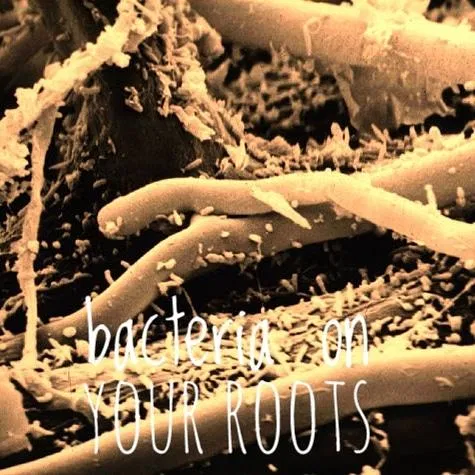
To take it a step further, we often pair Bio-Boost with the Xtreme Gardening VERSITY Bacillus Blend. This isn't just about "more" bugs; it’s about specialized bugs. This blend creates a biological "wall" around your roots, providing a level of pathogen defense that cheap inoculants simply can't match.
The Philosophy: Installation vs. Reaction
Most growers operate in "Reaction Mode." They see a pest, they spray. They see a deficiency, they add a bottle. This is the most expensive way to grow because you are always chasing your tail.
At Regen Soil, we promote a "Biology-First" philosophy of Installation.
Think of it like home security. You can wait for a burglar to break in and then call the cops (Reaction). Or, you can install a high-end security system, reinforced locks, and a guard dog before you even move in (Installation).
By "installing" a high-CFU microbial community early in the season: using tools like Ultra Bio-Boost: you are setting the "security" for your crop. You aren't waiting for the problem; you’re preventing it from having a place to live.
Is It Worth the Investment?
Let’s look at the "expensive" tag again. If you spend $100 on a high-quality inoculant that prevents a $2,000 crop loss from root rot, was it expensive? If a science-backed microbial program allows you to cut your fertilizer use by 30% because your beneficial soil microbes are finally cycling nutrients correctly, did it cost you money or save you money?
The truth is, the most "expensive" thing you can do is guess.
For Beginners
If you're just starting out, don't get overwhelmed. Start with a solid foundation. Our Rhizo Logic line is designed to simplify this process for those moving into living soil systems. Focus on quality over quantity.

For Commercial Operations
For the big players, the math is even clearer. You can't afford the variability of "cheap" products. You need consistency, high-CFU counts, and a roadmap. This is where a professional soil health assessment becomes your most valuable tool.
Stop Guessing: The Soil Health Assessment
You wouldn't take a handful of random pills without a blood test, so why are you dumping random products into your soil without a lab report?
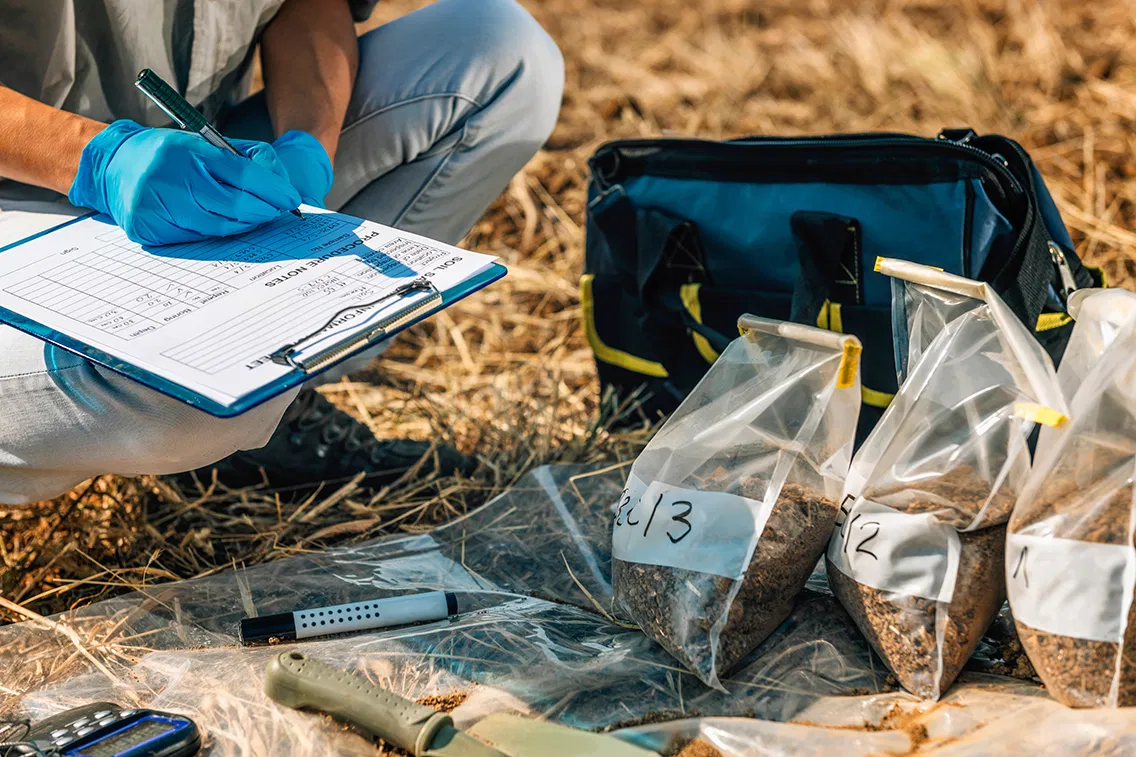
An Initial Soil Health Assessment is the first step in any real soil restoration project. We look at the biology, the chemistry, and the structure. We find out exactly what’s missing so we can "install" the right solution. Whether you’re trying to fix a pH crash or simply want to increase your brix levels, the data doesn't lie.
FAQ: The No-BS Quick Guide
Q: Can I just use compost instead of buying inoculants?
A: High-quality, thermophilic compost is great. But "store-bought" bagged compost is often biologically dead or imbalanced. Good inoculants provide a specific, concentrated hit of the microbes you actually need now.
Q: How often should I apply high-CFU inoculants?
A: We recommend an "Installation" phase at the start of the cycle, followed by smaller "Maintenance" doses (like compost tea extracts) to keep the populations thriving, especially after environmental stress.
Q: Will these microbes survive in my soil?
A: Only if you feed them. Microbes need organic matter (carbon) to survive. If you put high-end microbes into sterile, bone-dry sand with no food, they will die. Biology and organic matter must work together.
Q: Is "Living Soil" only for organic growers?
A: Absolutely not. Even "conventional" growers see massive benefits in yield and plant health when they integrate soil microbiology into their programs.
The Bottom Line
Do you need "expensive" inoculants? You need effective ones.
The era of the spray-and-pray is over. If you want to build soil microbial diversity, stop looking for the cheapest bottle and start looking for the most biology. Focus on "installing" a system that works 24/7 so you don't have to.
Ready to see what’s actually happening in your dirt?
Don't just guess: test. Contact us at Regen Soil today to book your Initial Soil Health Assessment. Let’s stop reacting and start restoring.
What’s your experience with inoculants? Have you seen the difference between the cheap stuff and the high-CFU powerhouses? Drop a comment below( let’s talk shop.)


