
The Ultimate Guide to Soil Archives: Everything You Need to Succeed with Regenerative Organic Living Systems
By Jeremy Standring
Let’s be honest: most people look at a pile of dirt and see, well, dirt. But if you’re here, you probably know better. You know that underneath your feet is a complex, bustling metropolis of microbes, fungi, and protozoa working harder than a barista on a Monday morning. At Regen Soil, we don’t just see dirt; we see a living, breathing biological legacy.
If you’ve been following our journey from the early days of our Photobiz blog, you know we’re obsessed with regenerative agriculture. We’ve talked about the "crunchy water" problem in supermarkets and why your backyard needs a microbial makeover. Today, we’re taking a deep dive into one of the most powerful tools in the regenerative arsenal: The Soil Archive.
Whether you’re a balcony gardener with a single pepper plant or a farmer looking to restore hundreds of acres, understanding how to build and maintain a soil archive is the secret to long-term success with regenerative organic living systems.
What Exactly is a Soil Archive?
In the simplest terms, a Soil Archive is a biological bank account. It is a dedicated area: or even a container: where you "store" the highest quality, most diverse microbial populations and nutrient profiles.
Think of it as the "mother culture" for your garden. Just as a baker keeps a sourdough starter alive to bake endless loaves of bread, a regenerative grower maintains a soil archive to inoculate new beds, revive tired pots, and ensure that their land’s unique biological signature is never lost.
We use Rhizo Logic® principles to ensure these archives aren't just holding dirt, but are actively cycling nutrients and sequestering carbon. When you have a thriving archive, you are essentially "saving" the progress you’ve made in soil restoration.
Why "Living Soil" Beats "Super Soil" Every Time
We often get asked, Living Soil vs. Super Soil: Which one wins?. While "Super Soils" are often heavily amended with minerals and fertilizers to provide a one-time boost, Living Soil is a self-sustaining ecosystem.
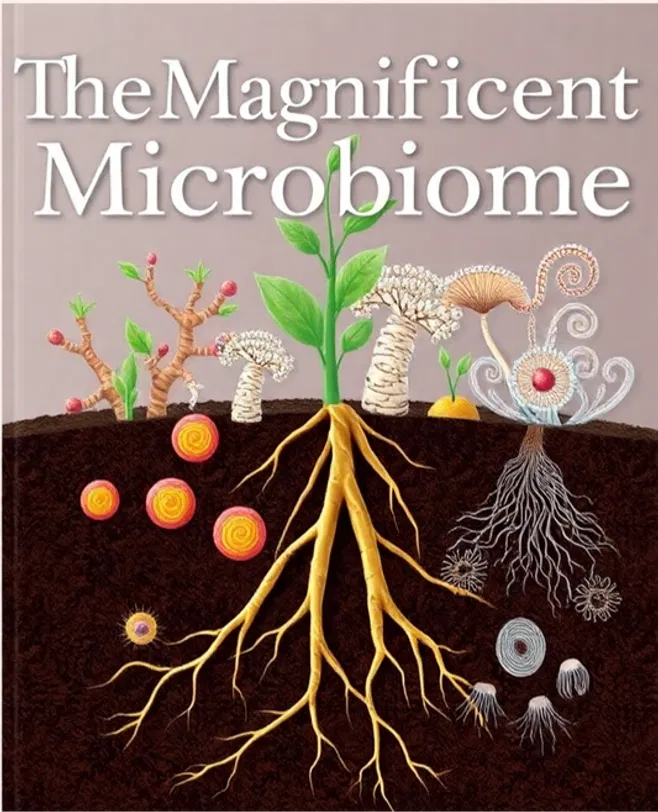
The Soil Archive is the ultimate expression of living soil. It relies on the Rhizosphere: the area around plant roots where the real magic happens. By focusing on root-microbe interactions, we create a system that doesn’t need constant chemical inputs. Instead, it needs a healthy population of the "Three Musketeers of Soil": bacteria, fungi, and protozoa.
The Benefits of Maintaining an Archive:
- Resilience: If a pest or disease hits one part of your garden, you have a "backup" of healthy biology to help the system recover.
- Consistency: You can replicate your success year after year by using the archive as an inoculant.
- Cost-Savings: Stop buying expensive "bags of life" every spring. You’re growing your own biology.
- Carbon Sequestration: Healthy archives are carbon-dense, helping you do your part for the planet while growing better food.
How to Build Your Own Soil Archive: A 5-Step Guide
Building an archive isn't about digging a hole and forgetting it. It’s about intentional management. We’ve refined this process into five easy steps, perfect for anyone moving toward Regenerative Agriculture at Home.
1. Choose Your "Vault"
For a home gardener, this might be a 25-gallon fabric pot or a dedicated corner of a raised bed. For a farmer, this could be a sheltered area near the headlands. The key is stability. You want a spot that won't be tilled, stepped on, or exposed to extreme chemical runoff.
2. Inoculate with Rhizo Logic®
You can’t have a library without books. To start your archive, you need high-quality biology. This is where our Rhizo Logic® products come in. By introducing a diverse spectrum of beneficial microbes specifically designed to colonize the rhizosphere, you’re setting the foundation for a "high-interest" biological bank account.
3. Maintain the "Living" Part
Soil biology needs two things to stay alive: food and a home.
- Food: Use organic matter like high-quality compost, leaf mold, or cover crops.
- Home: Keep the soil moist (but not soggy) and covered with mulch. Roots are essential! Always keep something growing in your archive to feed the microbes via root exudates.
4. Monitor Your Progress
In the old days, you had to guess if your soil was healthy. Now, we use technology. Tools like the Regen Soil Pulse can give you real-time data on your archive’s health. We look at EC (Electrical Conductivity) to gauge nutrient levels and moisture to ensure the microbes aren't thirsty.
5. Harvest and Redistribute
Once your archive is established (usually after one full growing season), you can start "withdrawing" from the bank. Take a few handfuls of this rich, microbially-dense soil and mix it into your new planting holes or use it to top-dress struggling plants. You are essentially "seeding" the rest of your land with the elite biology from your archive.
Regenerative Agriculture at Home: From Theory to Practice
We’ve seen incredible results from people transitioning from conventional methods to regenerative organic living systems. One of our favorite Soil Restoration Case Studies involved turning sterile, hydrophobic sand into a thriving ecosystem in just one season.
The difference is always the biology. When you stop treating soil like a chemical sponge and start treating it like a biological community, the plants respond. They become more nutrient-dense, more flavorful, and significantly more resistant to stress.
Pro Tip for Beginners: If you're just starting, don't overthink it. Focus on 5 simple steps to restore topsoil: stop tilling, keep it covered, keep living roots in the ground, diversify your plants, and incorporate biology. For a detailed breakdown, check out our Easy Guide for Gardeners.
Advanced Tips: Maintaining Your Archive Like a Pro
For those of you who have been at this for a while, maintaining a soil archive is about refinement.
- Avoid "The Empty Plate Problem": Just because your soil looks dark doesn't mean it's nutrient-dense. Microbes need minerals to build the complex compounds that plants crave. We recommend regular soil testing to ensure your archive isn't just "crunchy water" for your microbes.
- Temperature Management: Soil biology thrives in the "Goldilocks Zone." If your archive gets too hot (over 90°F) or freezes solid, you’ll lose diversity. Use heavy mulching or even biochar to provide a thermal buffer and a "coral reef" for microbes to hide in.
- The Role of Biochar: Speaking of biochar, it’s a game-changer for archives. It provides a permanent structure for microbes to inhabit. Just make sure you "charge" it first. (For more on that, see our Biochar Secrets Revealed post).
Measuring Success: The Regen Soil Way
We don't believe in "feeling" like the soil is better. We want to see the numbers. In our consulting work, we use a variety of metrics to track soil restoration progress.

When monitoring your archive, look for:
- Aggregation: Does the soil look like chocolate cake crumbs? That’s fungal glues at work.
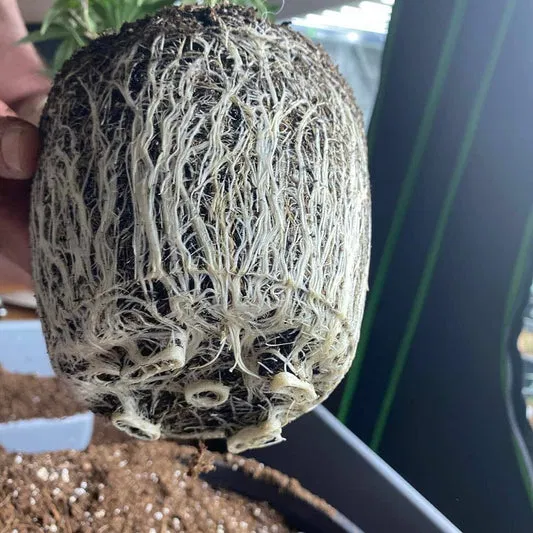
- Root Health: Pull a "sacrificial" plant from your archive. Are the roots white, fuzzy, and smelling like a forest floor? That’s the Rhizo Logic® effect.
- Water Infiltration: Does water soak in immediately, or does it bead up? Healthy archives act like a sponge.
Frequently Asked Questions (FAQ)
Q: Can I build a soil archive in a small apartment?
A: Absolutely! A small 5-gallon bucket with a lid (and some air holes) or a specialized worm bin can act as a micro-archive for your indoor plants.
Q: How often do I need to "refresh" my archive?
A: A well-managed archive is self-sustaining. However, we recommend adding a fresh layer of organic matter and a "booster shot" of Rhizo Logic® microbes once or twice a year to maintain peak diversity.
Q: Is a Soil Archive the same as a compost pile?
A: Not quite. A compost pile is where you process waste. A Soil Archive is where you store the finished, stabilized biological community. Think of compost as the grocery store and the archive as the pantry.
Q: Can I use Bio-boost in my archive?
A: While Bio-boost (from Terrabiotics) is an excellent product for stimulating plant growth, for the foundational biology of your living soil archive, we focus strictly on the Rhizo Logic® system to ensure the microbial populations are balanced for long-term soil health.
Join the Regeneration
Building a soil archive is more than just a gardening tip; it’s an act of stewardship. You are preserving a piece of the Earth’s digestive system. By mastering these regenerative organic living systems, you’re not just growing better tomatoes: you’re helping to heal the planet, one handful of dirt at a time.
We want to hear from you! Have you started a soil archive? What challenges are you facing with your living soil? Drop a comment below or reach out to us for a personalized Soil Health Assessment.
Let’s get growing!


