
The Proven Soil Restoration Framework: How Our Clients Turned Sterile Sand into Thriving Ecosystems
By Jeremy Standring
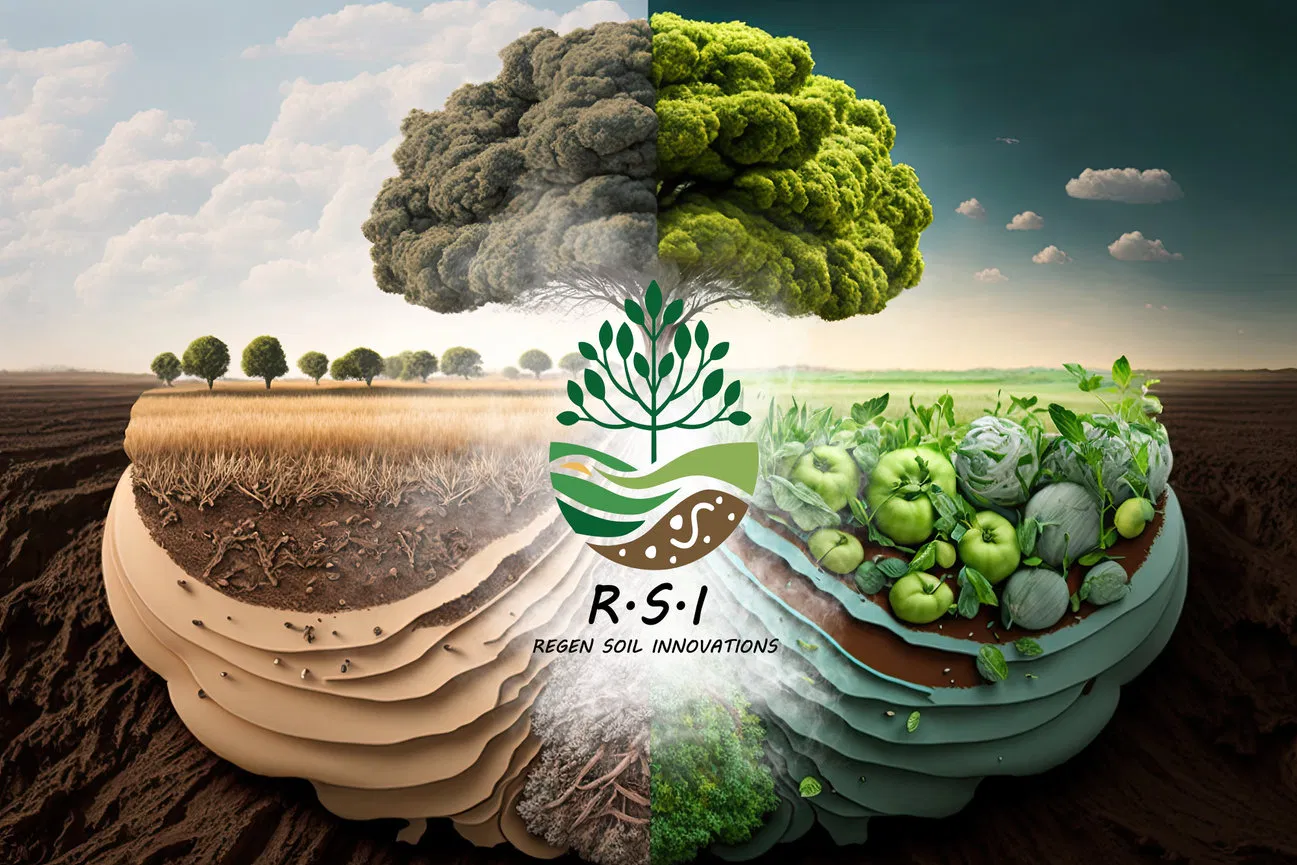
At Regen Soil, we don’t just see dirt; we see the potential for a thriving, underground metropolis. However, for many of our clients, the starting point is a far cry from a bustling ecosystem. We often encounter "sterile sand", soil that has been so over-tilled, chemically treated, or neglected that it has lost its biological spark. It is functionally dead, unable to hold water or cycle nutrients.
Turning that lifeless sand into a productive, carbon-sequestering powerhouse isn't magic; it’s a systematic application of regenerative agriculture principles. We have developed a proprietary framework that shifts the focus from chemical inputs to biological outcomes. We call it the RSI Method, and today, we’re pulling back the curtain on how we help our clients achieve these transformations.
The Problem: Why Your Soil is "Sterile"
To fix a system, you must first understand why it’s broken. Most "sterile" soil suffers from a total collapse of the soil microbiome. Without a diverse community of fungi, bacteria, and protozoa, plants are essentially on life support, relying entirely on synthetic fertilizers.
Systems-thinking tells us that when one part of the chain fails, like the microbial bridge between the soil and the root, the entire ecosystem de-evolves. The soil loses its structure (aggregate stability), water runs off instead of soaking in, and the "living" part of living soil disappears.
Phase 1: The Initial Soil Health (ISH) Assessment
We never guess; we measure. The first step in our restoration framework is the ISH Assessment. This isn't your standard N-P-K test from the local hardware store. We look at the "pulse" of the land.
What We Monitor:
- Microbial Population Density: Are there enough "workers" in the soil to process nutrients?
- Nutrient Cycling Capacity: How efficiently does the soil convert organic matter into plant-available food?
- Physical Structure: Is the soil compacted (anaerobic) or well-aerated?
By using advanced tools like digital sensors, we can track real-time metrics such as moisture, temperature, and electrical conductivity (EC). This data allows us to create a personalized restoration strategy rather than a one-size-fits-all "band-aid" solution.

Phase 2: Re-Inoculation with Rhizo Logic® and Bio-boost
Once we understand the baseline, we begin the "biological injection." This is where we reintroduce the life that has been lost. We distinguish between two primary tools in our arsenal:
1. Rhizo Logic®: The Foundation of Living Soil
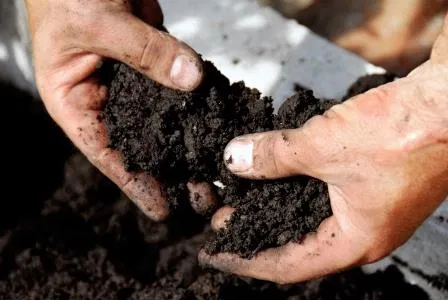
Rhizo Logic® is our flagship brand for living soil. Unlike sterile potting mixes that are mostly peat and perlite, Rhizo Logic® is a complex, pre-colonized medium. It contains the "Magnificent Microbiome", a diverse array of beneficial microorganisms that immediately begin building soil structure.
2. Bio-boost: The Terrabiotics Fuel
While Rhizo Logic® provides the environment, Bio-boost (part of our Terrabiotics line) provides the specialized recharge. Think of Bio-boost as the microbial high-performance fuel. It’s designed to wake up dormant microbes and accelerate the breakdown of organic matter, making it essential for clients starting with high-sand content or depleted "dirt."
Phase 3: The Ecosystem Build (The "Why" Behind the "How")
Restoration is not a one-time event; it’s the establishment of a self-sustaining cycle. In this phase, we focus on the relationship between the plant and the soil.
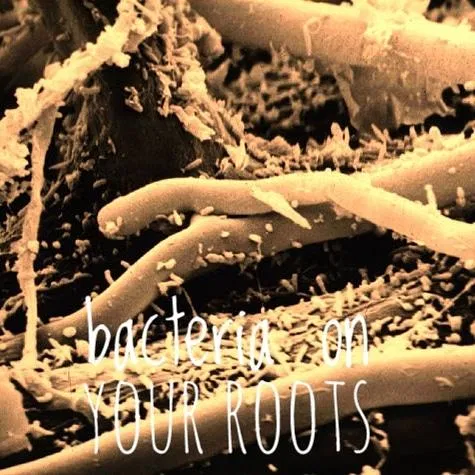
- Rhizosphere Interaction: We encourage the development of the "rhizosphere", the thin zone of soil directly surrounding plant roots. This is where the magic happens. Plants release carbon-rich "exudates" (sugars) to feed the microbes, and in exchange, the microbes deliver minerals to the plant.
- Aggregration: Beneficial fungi produce a "glue" called glomalin. This substance binds tiny sand particles into larger aggregates, creating pore spaces for air and water. This is how we turn sand into soil.
- Diversity: We recommend diverse cover crops or companion plantings to ensure a wide variety of root exudates, which in turn supports a more diverse microbial community.
Success Story: From Barren Beach to Lush Backyard
One of our clients in a coastal region faced a significant challenge: their backyard was essentially a sand dune. Previous attempts to grow a garden resulted in wilted plants and "crunchy water" (produce with zero nutrient density).
The RSI Method Approach:
- Assessment: The ISH Assessment showed near-zero organic matter and a complete absence of fungal life.
- Remediation: We applied a thick layer of Rhizo Logic® Living Soil and began a bi-weekly regimen of Ultra Bio-boost Soil Recharge.
- Observation: Within 45 days, the soil color shifted from pale tan to a deep, chocolate brown. Earthworm activity, a key indicator of health, returned for the first time in years.
Today, that "beach" is a thriving ecosystem producing nutrient-dense vegetables. The client no longer relies on heavy irrigation because the restored soil biology now holds moisture like a sponge.
Comparative Analysis: Traditional vs. Regenerative Restoration
| Feature | Traditional "NPK" Approach | Regen Soil (RSI Method) |
|---|---|---|
| Primary Goal | Short-term plant growth | Long-term ecosystem health |
| Input Source | Synthetic, water-soluble salts | Biological inoculants & organic matter |
| Water Usage | High (leaches through sand) | Low (retained by biology/carbon) |
| Soil Structure | Ignored (leads to compaction) | Built through fungal glomalin |
| Sustainability | Low (requires constant inputs) | High (self-sustaining cycle) |
Guidance for Different Growers
For Beginners
If you are just starting, don't overcomplicate it. Begin with a Living Soil Patio Pro Kit. It’s a "garden in a box" that allows you to experience the power of Rhizo Logic® without needing a degree in soil science.
For Experienced Growers
Focus on your fungal-to-bacterial ratio. Most garden soils are too bacterial. By incorporating more complex carbon sources and using Bio-boost, you can tip the scales toward a fungal-dominant environment, which is superior for perennial crops and high-value annuals.
For Commercial Operations
Scale is the challenge. We work with commercial clients to implement the RSI Method across larger acreages, focusing on reducing chemical overhead and improving crop resilience against drought and pests.
Frequently Asked Questions (FAQ)
Q: How long does it take to see results in sterile sand?
A: You will see changes in soil structure and plant vigor within 30 to 60 days of implementing our framework. However, building deep topsoil is a multi-year process that we help you manage.
Q: Can I use Bio-boost with my existing fertilizers?
A: Yes, but we recommend reducing synthetic inputs by 50% immediately. The microbes in Bio-boost will make your existing nutrients more bioavailable, so you actually need less "stuff" to get better results.
Q: What makes Rhizo Logic® different from store-bought compost?
A: Standard compost is often "immature" or over-processed, which can actually strip nitrogen from your soil. Rhizo Logic® is a balanced, living medium specifically aged and inoculated to act as a biological engine.
Q: Do I need a soil sensor to succeed?
A: While not strictly necessary, the data from a sensor: like the one shown in our ISH Assessment section: takes the guesswork out of the process and helps you avoid over-watering or under-feeding.
Join the Regeneration Movement
Restoring the earth starts with a single patch of ground. Whether you are dealing with a small backyard plot or a multi-acre farm, the principles of regenerative agriculture remain the same: feed the soil, and the soil will feed the world.
We invite you to explore our Bio-boost solutions or reach out for a consultation. Let’s stop treating our soil like dirt and start treating it like the living, breathing foundation of life that it is.
What’s your biggest struggle with your current soil? Leave a comment below or contact us for personalized guidance. We’re here to help you grow.


