
10 Reasons Your Soil Restoration Isn't Working (And How Microbial Diversity Fixes It)
By Jeremy Standring
At Regen Soil, we frequently encounter growers who are frustrated. They have followed the traditional "NPK" playbook, applied lime according to soil tests, and perhaps even spread compost, yet their crops remain stunted, pests are rampant, and the soil feels like concrete.
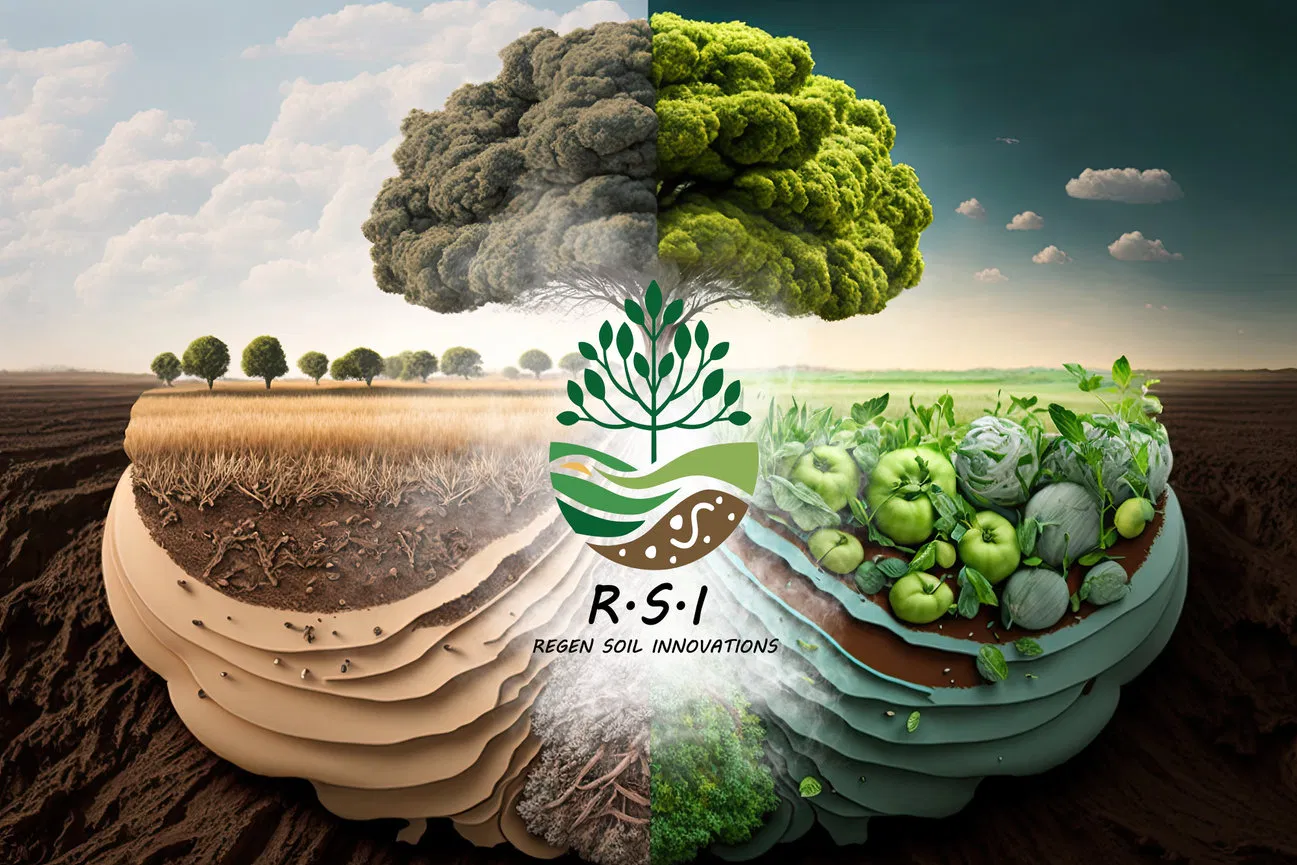
The hard truth is that most soil restoration efforts fail because they treat the soil as a chemistry set rather than a living, breathing ecosystem. When we talk about regenerative agriculture, we are moving away from "input-substitution" and toward "ecosystem-restoration." If your restoration project has stalled, it is likely because the microbial diversity, the engine of the soil, is broken.
Here are the 10 most common reasons your soil restoration isn't working and how shifting your focus to Living Soil can turn the tide.
1. Biological Compaction (The Glomalin Gap)
Most people view compaction as a physical problem caused by heavy machinery. While weight plays a role, we have found that true compaction is often a microbial collapse. In healthy soil, fungi produce a "glue" called glomalin that creates soil aggregates. These aggregates allow oxygen and water to move through the profile. Without a diverse fungal network, the soil structure collapses into a dense, anaerobic mass. Physical aeration is a temporary band-aid; restoring fungal diversity through Rhizo Logic® products is the permanent cure.
2. The Salt Stress Spiral
Synthetic fertilizers are essentially salts. When we apply high-dose salt-based fertilizers, we create high osmotic pressure that literally dehydrates soil microbes. This "chemical burnout" shuts down the rhizosphere, the thin layer of soil surrounding plant roots where nutrient exchange happens. Even if you are trying to restore the soil, continuing to use high-salt inputs will keep your microbial populations in a state of constant recovery rather than growth.
3. Nutrient "Lockout" Despite High Test Results
We often see soil tests showing "High" levels of Phosphorus or Calcium, yet the plant shows a deficiency. This is Nutrient Lockout. Elements like Phosphorus are notoriously "sticky" and bind to soil particles, becoming unavailable to the plant. In a functioning ecosystem, microbes produce organic acids and enzymes to unlock these minerals. If your soil lacks microbial diversity, those nutrients stay locked away. This is why a living soil approach often requires fewer total inputs.
4. Tillage-Induced Starvation
Tillage is the equivalent of an earthquake, a fire, and a tornado hitting a city all at once. It shatters the delicate fungal hyphae (the "internet" of the soil) and exposes deep-dwelling microbes to lethal UV rays. When you till, you are resetting the biological clock to zero. Successful soil restoration requires minimal disturbance to allow the complex social structures of the soil microbiome to mature.
5. Focusing on Chemistry Over Biology
Traditional soil tests measure what is chemically extractable in a lab, not what is biologically available in the field. We recommend moving toward Initial Soil Health Assessments that look at biological indicators. If you are only balancing pH and NPK, you are ignoring the "Three Musketeers" of soil: the bacteria, fungi, and protozoa that actually run the underground economy.
Learn more about the protozoa running your garden's economy here.
6. Lack of "Carbon Fuel" (Organic Matter)
Microbes need to eat. If you are trying to restore soil but aren't providing adequate carbon sources (compost, cover crops, or mulches), your microbial populations will starve. However, not all carbon is equal. We use Terrabiotics Bio-boost to ensure that the carbon being added is effectively processed by the microbial community, preventing the "tie-up" of nitrogen that often happens with raw organic matter.
7. The Pesticide and Fungicide "Collateral Damage"
It is nearly impossible to restore soil while simultaneously applying broad-spectrum fungicides. These chemicals do not discriminate; they kill the pathogens, but they also wipe out the beneficial mycorrhizal fungi that help your plants find water and nutrients. Restoration requires a transition to integrated pest management and the use of biological inoculants like Rhizo Logic® to outcompete pathogens naturally.
8. Monocropping the "Underground Forest"
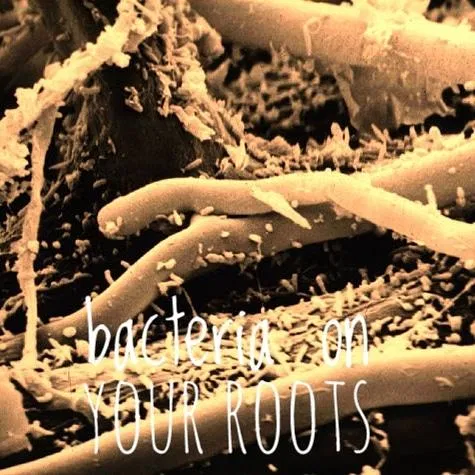
Plants feed microbes through root exudates (sugars and proteins). Different plants produce different exudates, which attract different microbes. If you only grow one type of plant, you only foster a narrow, fragile microbial population. Diversity above ground leads to diversity below ground. We have found that intercropping or using diverse cover crop mixes is essential for deep soil restoration.
9. Improper Water Management (Drowning the Biology)
Soil microbes are aerobic organisms, they need oxygen. When we over-irrigate or have poor drainage, we create anaerobic conditions. This leads to the production of alcohols and acids that can kill plant roots and favor pathogens like Pythium. Monitoring your soil moisture with tools like the Regen Soil Pulse can prevent these biological "drowning" events.
10. The "Quick Fix" Mentality
Soil restoration is a marathon, not a sprint. We are often undoing decades of degradation. Many growers give up when they don't see massive yield increases in the first six months. Biology takes time to colonize and build structure. We call this "Fast Food Thinking," and it is the enemy of regenerative success.
A vs. B: Traditional vs. Regenerative Soil Restoration
| Feature | Traditional Approach | Regenerative (Living Soil) Approach |
|---|---|---|
| Primary Goal | Nutrient concentration (NPK) | Microbial diversity & soil structure |
| Nutrient Source | Synthetic salt-based fertilizers | Organic matter & microbial cycling |
| Structure | Mechanical tillage | Biological aggregation (Glomalin) |
| Pest Control | Chemical intervention | Ecological balance & plant immunity |
| Long-term Cost | Increasing (due to input dependency) | Decreasing (due to ecosystem self-sufficiency) |
How Microbial Diversity Fixes the System
To fix these ten issues, we must prioritize the Rhizosphere. This is where the magic happens. By introducing high-diversity microbial inoculants, we are essentially "seeding" the workforce.
Step-by-Step Restoration Guide:
- Assess: Start with a comprehensive soil health check. Don't just look at NPK; look at the life within the soil.
- Inoculate: Use Rhizo Logic® to introduce beneficial bacteria and fungi that have been lost to tillage or chemicals.
- Feed: Apply Bio-boost (Terrabiotics) to provide the essential micronutrients and catalysts that stimulate microbial metabolism.
- Protect: Keep the soil covered with mulch or living plants to protect the new microbial colony from temperature extremes.
- Monitor: Use real-time data to ensure your "underground workforce" has the right temperature and moisture levels to thrive.

For Commercial Operations
In large-scale agriculture, the stakes are higher. The transition from sterile, chemical-dependent sand to a thriving ecosystem requires a phased approach. We recommend starting with a pilot section to calibrate your biological inputs before scaling across the entire operation.
Check out our case study on transitioning sterile sand to a thriving ecosystem.
For Beginners
If you are working on a patio or backyard garden, the principles are the same. Avoid the temptation to buy "Super Soil" that is pre-loaded with high-dose synthetic fertilizers. Instead, look for Living Soil kits that emphasize the biological component from day one.
Frequently Asked Questions (FAQ)
Q: How long does it take to see results from microbial restoration?
A: While some benefits like improved water infiltration can be seen in weeks, significant changes in nutrient cycling and soil structure usually take 1–3 growing seasons to fully stabilize.
Q: Can I use Rhizo Logic® with my existing liquid fertilizers?
A: Yes, but we recommend reducing the concentration of synthetic salts. High salt levels can inhibit the very microbes you are trying to establish.
Q: Is "Living Soil" the same as organic soil?
A: Not necessarily. "Organic" refers to the absence of synthetic chemicals. "Living Soil" refers to the presence of an active, diverse microbial community. You can have organic soil that is biologically dead.
Q: Why do I need Bio-boost if I already have compost?
A: Compost is a great base, but Bio-boost (by Terrabiotics) provides concentrated minerals and biological stimulants that ensure the microbes in that compost actually wake up and start working.
Join the Regeneration
Soil restoration is more than just growing plants; it’s about restoring the fundamental life-support system of our planet. Whether you are a commercial farmer or a weekend gardener, we are here to help you navigate the transition to regenerative agriculture.
Have you struggled with soil compaction or nutrient lockout? Drop a comment below or contact us for a personalized Soil Health Assessment. Let’s get your biology back on track.
Explore our full range of Living Soil solutions here.


