
5 Steps How to Use a Full Living Soil Patio Kit (Easy Guide for Organic Food at Home)
By Jeremy Standring
For many of us, the dream of growing our own nutrient-dense, organic food at home often hits a wall when we look at our concrete patios or tiny balconies. We’ve been told for years that gardening requires a vast backyard and a tractor. But at Regen Soil, we are proving that regenerative agriculture isn't just for thousand-acre farms: it’s for your patio, too.
The secret isn’t in the size of the plot; it’s in the health of the biology. Most people fail because they treat soil like a static sponge for chemical fertilizers. We treat it as a living, breathing ecosystem. By using a Full Living Soil Patio Kit, you aren't just "growing plants": you are managing a microscopic workforce.
In this guide, we’ll walk you through the five essential steps to setting up your kit, utilizing Rhizo Logic® (our premium Living Soil) and Bio-boost (our Terrabiotics solution) to ensure you never have to settle for "crunchy water" from the supermarket again.
Step 1: Assemble Your Living Ecosystem Base
The first step in your journey toward soil restoration at home is setting up the physical container. Most traditional plastic pots are "root prisons" that lead to circling roots and stagnant water.
In our kits, we emphasize the use of high-quality fabric aeration containers. These pots allow for "air pruning," which encourages the plant to develop a massive, fibrous root system rather than one or two thick roots circling the bottom.
How to set it up:
- Placement: Choose a spot that gets at least 6–8 hours of sunlight. Once these kits are full of moist soil, they are heavy and difficult to move.
- Assembly: If your kit includes a PVC frame for support or trellising, assemble it first. Ensure the fabric is pulled taut.
- The Liner: Many of our kits feature a moisture-wicking liner. This is crucial for maintaining the "Living" part of Living Soil. If the soil dries out completely, your microbial populations will go dormant or die.

Step 2: Hydrating Rhizo Logic® Living Soil
When you open your bags of Rhizo Logic®, you aren't just looking at dirt. You’re looking at a complex matrix of peat, perlite, high-quality compost, and specialized amendments designed for long-term nutrient cycling.
One of the biggest mistakes beginners make is "hydrophobia": when dry peat-based soil actually repels water. We need to wake the soil up before the plants go in.
The Hydration Process:
- Layering: Fill your container about one-third of the way up.
- Initial Wetting: Lightly mist the soil. You want it to be "field capacity": when you squeeze a handful, it stays in a ball but only releases one or two drops of water.
- Repeat: Continue filling and misting until the container is full, leaving about 2-3 inches of headspace at the top for mulch and top-dressing.
If you want to understand the science behind why this specific mix outperforms standard potting soil, check out our Ultimate Guide to Living Soil.
Step 3: Inoculate with Terrabiotics (The Bio-boost Strategy)
In a natural forest, soil is constantly being "recharged" by falling leaves, decaying wood, and animal activity. In a patio pot, we have to provide that biological spark. This is where Bio-boost from the Terrabiotics line comes into play.
While Rhizo Logic® provides the "house" and the "pantry," Bio-boost provides the "residents." These are the beneficial bacteria and fungi that act as the digestive system for your plants.

Why Inoculation Matters:
Plants cannot "eat" organic matter directly. They rely on microbes to break down minerals into plant-available forms. This relationship is a trade: the plant provides sugars (exudates) to the microbes, and the microbes provide nitrogen, phosphorus, and protection from pathogens.
Action Item: Mix your Bio-boost according to the instructions and apply it as a soil drench during your initial watering. This ensures that the microbial populations are active and ready the moment your seeds or transplants hit the soil.
Step 4: Establish Your "Soil Armor" (Mulching & Cover Crops)
Nature abhors a vacuum, and it hates bare soil even more. Exposed soil is subject to temperature swings, evaporation, and UV damage to the surface-level microbes. To truly practice regenerative agriculture on your patio, you must protect the surface.
We recommend a two-prong approach:
- Cover Crops: Sowing a mix of clover or vetch (included in many of our kits) helps fix nitrogen from the air into the soil. As these small plants grow, their roots provide additional habitat for the microbes we discussed in Step 3.
- Mulch Layer: Apply a 1-2 inch layer of clean straw, wood chips, or rice hulls over the top. This acts as an insulator.
By keeping the soil covered, you maintain the moisture levels required for the Rhizo Logic® biology to thrive. To see the results of this in a real-world setting, read our Soil Restoration Case Study.

Step 5: Planting and the "Water-Only" Approach
Once your kit is hydrated, inoculated, and mulched, it’s time to plant. Because we have built a "Living" system, your daily maintenance is significantly reduced.
Living Soil vs. Super Soil: The Comparison
Many growers confuse "Living Soil" with "Super Soil." Here is a quick breakdown:
- Super Soil: Often heavily amended with "hot" nutrients that can burn young plants. It is designed to be used up in one season.
- Living Soil (Rhizo Logic®): Focused on biological balance. It is designed to be reused year after year, actually getting better over time as the ecosystem matures.
The "Water Only" Secret:
Because the microbes in your Full Living Soil Patio Kit are constantly breaking down the organic amendments we’ve included, you generally do not need to add liquid fertilizers. You simply water the soil when the top inch feels dry. However, for "heavy feeders" like tomatoes or peppers, you can supplement with occasional top-dressings of worm castings or more Bio-boost.
Monitoring Success: Technical Deep Dive
For those who want to take their patio garden to a professional level, we recommend monitoring the "pulse" of your soil. Using a device like the Regen Soil Pulse, you can track EC (Electrical Conductivity), moisture, and temperature.
- EC Levels: Tells you the concentration of available nutrients.
- Moisture %: Ensures you aren't drowning your microbes or letting them go thirsty.

If your levels look off, don’t panic. Most issues in living soil can be fixed by simply adjusting your watering schedule or adding a fresh layer of biology. If you find yourself struggling with pests during this transition, our guide on Tackling Fungus Gnats is a lifesaver.
Summary of the 5-Step Process
| Step | Action | Key Component |
|---|---|---|
| 1. Setup | Assemble fabric pots & frames | Aeration Container |
| 2. Fill | Hydrate soil to field capacity | Rhizo Logic® |
| 3. Inoculate | Add microbial life | Bio-boost (Terrabiotics) |
| 4. Armor | Seed cover crops & add mulch | Barley Straw / Clover |
| 5. Grow | Plant and water only | Ecosystem Management |
Why This Changes Everything
When you grow food this way, you are solving what we call The Empty Plate Problem. Modern industrial agriculture focuses on volume, not nutrition. By restoring the soil microbiome in your patio kit, you are producing food that is packed with the secondary metabolites and minerals that your body actually needs.
Frequently Asked Questions
Q: Can I reuse the soil next year?
A: Absolutely. In fact, we insist on it! Living soil becomes more stable and biologically diverse the longer it is established. Simply "top-dress" with some fresh compost and amendments between seasons.
Q: Do I need to worry about the "Three Musketeers" of soil?
A: You’re likely referring to the protozoa, bacteria, and fungi. We call them the Three Musketeers because they work together to run the underground economy. Your kit is designed to support all three.
Q: How do I know if my soil is "working"?
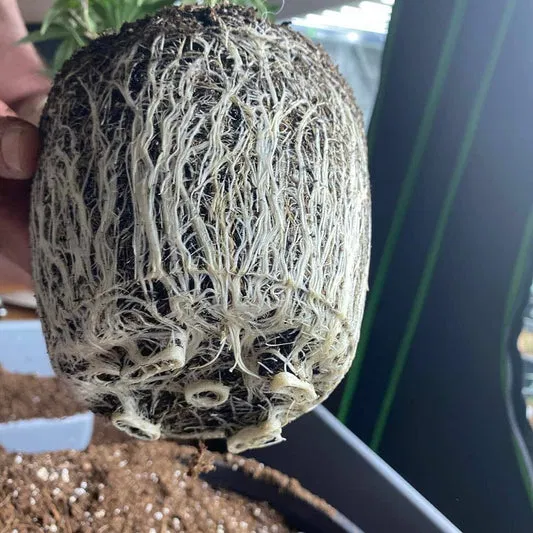
A: Look at your roots! If you see fuzzy, white "rhizosheaths" (soil sticking to the roots), that’s a sign that the biology is active.
Q: Is it too late to start?
A: It’s never too late, though we often recommend waiting until May for certain climates to ensure the soil temperature is high enough for the microbes to be fully active.
Are you ready to transform your patio into a regenerative powerhouse?
We’ve helped thousands of gardeners move away from chemical salts and toward living systems. If you have questions about which kit is right for your space, or if you’ve already started and want to share your success, drop a comment below or reach out to us at Regen Soil. Let’s grow something real.


