
Outdoor Regenerative Cannabis: Why Living Soil Is the Secret to a Better Harvest
By Jeremy Standring
For years, the "gold standard" of cannabis cultivation was often associated with sterile indoor environments, high-intensity lights, and a rigorous diet of bottled synthetic nutrients. But the wind is shifting. As more growers move into the sunlight, we are seeing a massive resurgence in regenerative agriculture: specifically, the use of living soil.
At Regen Soil, we’ve spent years analyzing the relationship between microbial life and plant vitality. When it comes to cannabis, the difference isn't just in the yield; it's in the complexity. If you want a harvest that boasts deep, nuanced terpene profiles and a robust cannabinoid spectrum, you have to stop feeding the plant and start feeding the soil.
The Science of the "High": Why Microbes Matter
When we talk about "living soil," we aren't just talking about dirt with some worms in it. We are talking about a thriving, underground economy. In a regenerative system, the plant and the soil microbes have a symbiotic relationship that synthetic fertilizers simply cannot replicate.
Terpenes and Cannabinoids: Secondary Metabolites
Cannabinoids (like THC and CBD) and terpenes (the aromatic compounds) are secondary metabolites. The plant doesn't produce them for us; it produces them as a defense mechanism against pests, UV radiation, and environmental stress.
In a sterile, nutrient-rich environment, the plant can become "lazy." However, in a living soil system, the presence of beneficial fungi and bacteria: like those found in our Rhizo Logic™ line: stimulates the plant's natural immune system. This process, known as Induced Systemic Resistance (ISR), actually triggers the plant to increase its production of trichomes and essential oils.
The result? A harvest that smells louder, tastes better, and offers a more potent "entourage effect."

The pH 4.3 Rescue: A Story of Microbial Resilience
We often get asked: "Can living soil really handle environmental extremes?"
Let me tell you a story about a client's hemp grow we consulted on. Their plants were looking terrible: burnt leaves, stunted growth, the works. When we checked the root zone, the pH was sitting at a staggering 4.3. In a traditional hydro or coco setup, those plants would have been toast. A "root zone acid trip" like that usually spells the end.
However, because this grower had invested in a microbial-rich environment, the plants didn't just survive; they bounced back. We used a three-times-flush method to correct the acidity, but it was the established microbial colonies that acted as a buffer, protecting the delicate root tissues from the extreme pH swing. This is the power of a living system: it provides a "safety net" that bottled nutrients never will.
Transitioning to Regenerative Cannabis Growing
If you’re currently using liquid nutrients and want to transition to a more sustainable, regenerative approach, you don't have to do it all at once. Here is our recommended roadmap:
- Stop the Salts: Gradually phase out synthetic salt-based fertilizers. These can be toxic to the soil protozoa and fungi that make your soil "alive."
- Incorporate Cover Crops: Use clover or vetch to fix nitrogen and keep the soil covered. Never leave your soil bare!
- Mulch is Mandatory: Use a thick layer of straw or wood chips to retain moisture and provide a habitat for beneficial insects.
- Inoculate with Biology: Use high-quality microbial inoculants to kickstart the nutrient cycling process.
- Build Your Soil: If you're starting from scratch, look into a true living soil blend, like our Rhizo Logic® Living Soil, which is pre-loaded with the biology needed to succeed.

Masterclass: Growing Cannabis in Zone 6
Growing in USDA Zone 6 (think parts of the Northeast and Midwest) presents unique challenges. You have a shorter window, high humidity in the late summer, and the constant threat of an early frost.
Timing is Everything
In Zone 6, we always say: patience is the secret. Do not put your plants in the ground before Mother’s Day. Even if the days are warm, the soil temperature needs to be consistently above 55°F for the microbes to be active.
- Vegetative Phase: Start your seeds or clones indoors in April to give them a head start.
- The Stretch: Late July is when things get real. Ensure your plants have enough structural support (trellising) for the flowering stretch.
- The Frost Factor: By late September, keep a close eye on the weather. If a frost is predicted, use frost cloths. The cool nights of October can actually help bring out beautiful purple hues and increase resin production, but a hard freeze will kill the plant.
Managing Humidity and Bud Rot
Zone 6 Augusts are notoriously humid. To prevent Botrytis (Bud Rot):
- Prune for Airflow: Clear out the "larf" (the small, airy buds) at the bottom of the plant.
- Shake the Rain: If it rains during late flower, go out and gently shake the water off your plants. Standing water in dense buds is an invitation for mold.
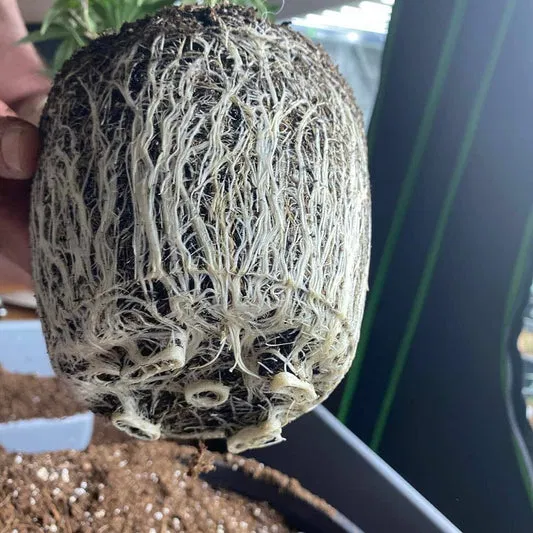
Why Soil Testing is Your Best Friend
We don't guess; we test. For high-quality cannabis, a standard N-P-K test isn't enough. We recommend a comprehensive soil health assessment that evaluates:
- Microbial Diversity: Are the right fungi-to-bacteria ratios present for the flowering stage?
- Micronutrient Availability: Cannabis is a mineral-hungry plant. Without boron, zinc, and manganese, your terpene production will stall.
- Organic Matter Content: This is the "fuel tank" for your soil biology.
By performing an initial soil health assessment, we can create a personalized restoration roadmap, ensuring your plants have exactly what they need to reach their genetic potential.
For Every Level of Grower
Beginners
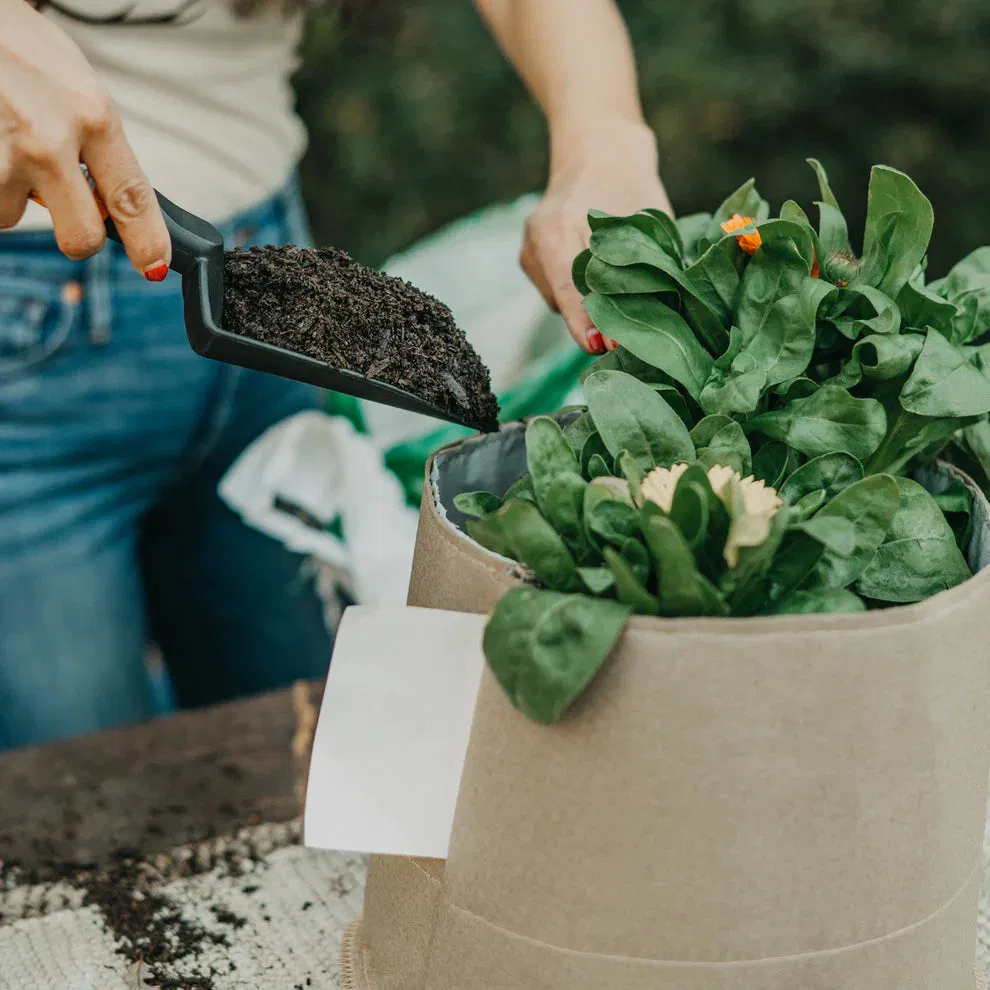
Keep it simple. Use a fabric pot (like our 5-gallon Grass Roots pots) and a high-quality living soil. Focus on your watering technique: in living soil, you want to keep the medium "moist like a wrung-out sponge," never soaking wet or bone dry.
Experienced Growers
Focus on compost teas. By brewing your own microbial extracts and adding boosters like Ultra Bio-Boost (a fantastic Terrabiotics product), you can supercharge the nutrient cycling during the critical weeks of flower.
Commercial Operations
Transitioning to no-till or regenerative practices can significantly lower your overhead by reducing the need for expensive bottled nutrients and pesticides. We specialize in regenerative farming transitions that focus on long-term land stewardship and crop quality.
FAQs on Regenerative Cannabis
Q: Do I need to check pH in living soil?
A: Generally, no. A healthy microbial community will "buffer" the pH for the plant. However, if your source water is extremely alkaline (above 8.0), you may need to adjust it slightly.
Q: Can I reuse my soil next year?
A: Absolutely! That’s the "regenerative" part. By adding a little high-quality compost and a fresh layer of mulch, your soil actually gets better every season.
Q: Will living soil attract pests?
A: It attracts life. While you might see more bugs, a healthy ecosystem includes predatory insects that keep the "bad guys" in check. It's about balance, not sterilization.
Final Thoughts
Regenerative growing is about moving from a "subtraction" mindset (how much fertilizer can I add?) to an "addition" mindset (how much life can I support?). When you treat your cannabis garden as a thriving ecosystem, the plant rewards you with a level of quality that science is only just beginning to understand.
Ready to start your regenerative journey? Check out our Rhizo Logic™ products or book a consultation with us today. Let’s grow something amazing together.


