Soil Restoration Secrets Revealed: Why Your "Archives" Hold the Key to Nutrient-Dense Food
By Jeremy Standring
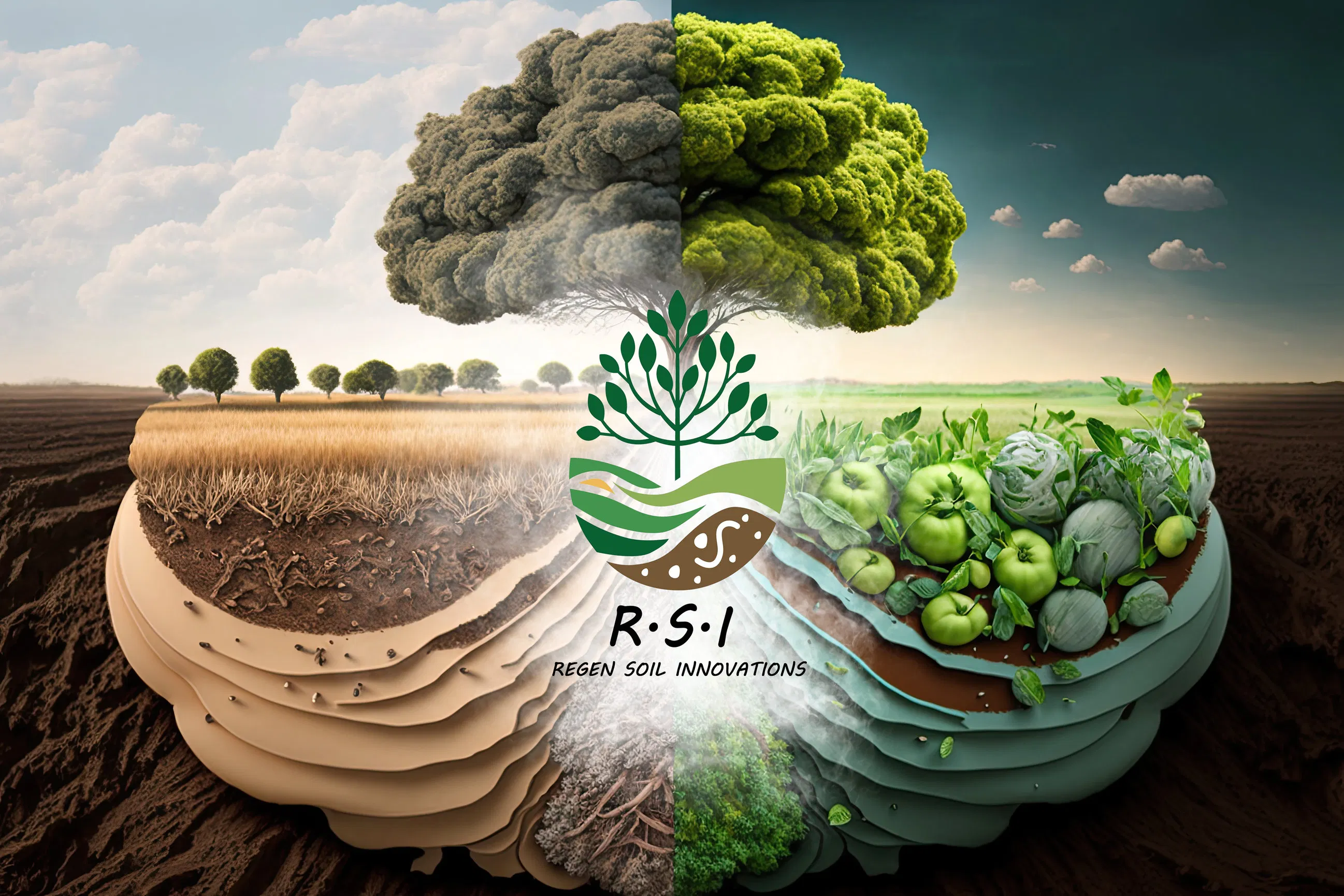
Let’s be honest: most of the produce you buy at the supermarket today is essentially just crunchy water. It looks like a tomato, it’s shaped like a tomato, but it tastes like… well, nothing. That’s because our modern agricultural system has spent the last century focusing on yield and aesthetics while completely ignoring the biological "archives" that make food actually nutritious.
At Regen Soil, we’ve spent years digging into the dirt (literally) to understand why our food has lost its soul: and its minerals. The secret isn't in a new synthetic fertilizer or a fancy GMO seed. It’s buried in the history of your land. We call these the "biological archives," and today, we’re going to show you how to unlock them.
The "Biological Archive": What’s Really Under Your Feet?
When we talk about "archives," we aren't talking about dusty basements and old newspapers. We’re talking about the living record of microbial life and mineral potential that exists within every square inch of soil.
For decades, conventional gardening and farming have treated soil like a sterile medium: a mere holding tank for roots to sit in while we pump them full of nitrogen, phosphorus, and potassium (NPK). This "input-heavy" approach has effectively "locked" the soil's natural archives. The microbes are dormant, the nutrient cycling has stalled, and the result is a sterile environment that requires more and more chemicals to produce less and less nutrition.
Regenerative agriculture is the process of reopening those archives. It’s about restoring the living soil systems that have been the backbone of terrestrial life for millions of years. When we restore soil health, we aren't just growing plants; we are curating an ecosystem.
Why Nutrient-Dense Food is a Soil Restoration Secret
You’ve probably heard the term "nutrient density," but what does it actually mean for your dinner plate? It’s the concentration of vitamins, minerals, and phytochemicals relative to the calorie count.
In a thriving living ecosystem, plants don't just "eat" what we give them. They enter into a complex trade agreement with soil microbes. The plants provide liquid carbon (sugars) through their roots, and in exchange, the microbes: specifically rhizobacteria and mycorrhizal fungi: mine the soil for minerals like zinc, magnesium, and iron that the plant couldn't otherwise reach.
The secret? If your soil biology is dead, that trade agreement is canceled. Your plant might grow tall because of the synthetic nitrogen you poured on it, but it will be functionally malnourished. By focusing on soil restoration, we re-establish these trades, leading to food that isn't just "crunchy water" but a powerhouse of vitality.
The Rhizo Logic® Solution: Unlocking the Vault
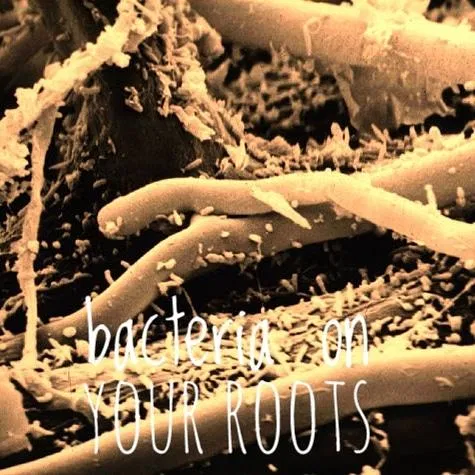
At Regen Soil, we don't just guess; we use science. Our proprietary Rhizo Logic® line is specifically designed to act as the "key" to these biological archives. While many products on the market focus on feeding the plant, Rhizo Logic® focuses on restoring the microbial population.
- Rhizo Logic™ Living Soil: This isn't your average potting mix. It’s a scientifically formulated environment packed with the beneficial microorganisms your plants crave. You can find it here.
- The Microbial Workforce: Our products introduce specific strains of bacteria and fungi that specialize in nutrient cycling and soil structure evaluation. They are the "librarians" of your soil's archive, organizing the nutrients so they are available when the plant needs them.
If you’re looking for a quick recharge of your existing soil, we often recommend Ultra Bio Boost by Terrabiotics. It’s a powerhouse soil recharge product that works in tandem with regenerative practices to kickstart the restoration process. Check out the Ultra Bio Boost here.
Regenerative Agriculture at Home: A 5-Step Action Plan
Whether you have a massive farm or a small patio garden, you can implement regenerative practices today. We’ve ported these "secrets" from our own internal archives to give you a clear roadmap.
1. Stop the Disturbance (Put Down the Tiller)
Tilling is like a tornado for the microbial world. It shreds the delicate fungal networks (the "internet of the soil") and exposes sensitive microbes to UV light and oxygen, which kills them. Switch to no-till or "low-till" methods to keep your archives intact.
2. Keep the Soil Covered
Bare soil is dying soil. Nature never leaves the ground naked. Use mulch, wood chips, or: better yet: cover crops to protect the surface. This regulates temperature and provides a habitat for the "surface dwellers" of your ecosystem.
3. Diversity is Non-Negotiable
In nature, you never see a monoculture. Different plants exude different sugars, which attract different microbes. By planting a diverse range of species, you ensure a more complete and resilient "archive" of biology.
4. Feed the Underground Economy
Use high-quality organic matter. We aren't talking about just any "dirt." We’re talking about biologically active compost and microbial inoculants like Rhizo Logic®. This provides the "capital" for the microbial trade to flourish.
5. Manage Your Inputs Wisely
Transition away from synthetic pesticides and high-salt fertilizers. These inputs act like "junk food" for plants; they get a quick hit of energy but lose the motivation to build those deep, meaningful relationships with the soil biology.
Synthetic vs. Living Soil: A Deep Dive Comparison
To help you make an informed decision for your garden or farm, let's look at how these two systems stack up.
| Feature | Synthetic (Chemical) Approach | Living Soil (Regenerative) Approach |
|---|---|---|
| Nutrient Source | Water-soluble salts (NPK) | Microbial cycling of organic matter |
| Plant Health | Fast growth, but often "weak" and pest-prone | Balanced growth with high secondary metabolites |
| Water Retention | Poor (requires frequent irrigation) | Excellent (organic matter acts like a sponge) |
| Environmental Impact | High runoff and carbon emissions | Carbon sequestration and ecosystem restoration |
| Flavor & Nutrition | Often bland and mineral-deficient | Intense flavor and high nutrient density |
Specific Advice for Every Grower
For the "Patio Gardener"
If you’re growing in pots, you have a unique challenge: the archive is small! We recommend our Living Soil Patio Pro Kit. It’s a "plug-and-play" version of a high-functioning ecosystem, ensuring your herbs and veggies are as nutrient-dense as anything grown in a 100-acre field.
For the "Homeowner & Gardener"
Stop bagging your leaves! Those are the "records" of last year's growth. Mulch them back into your flower beds. If your soil feels "dead" or compacted, start with an Initial Soil Health Assessment to see exactly which parts of your archive are missing.
For "Commercial Operations"
Transitioning to regenerative farming is a marathon, not a sprint. Focus on one field at a time. Implement multi-species cover crops and start reducing your synthetic N by 10-20% each year as your Rhizo Logic® microbial populations take over the heavy lifting.

FAQ: Frequently Asked Soil Secrets
Q: How long does it take to restore soil?
A: You’ll see microbial changes within weeks, but a full "restoration" of soil structure and high-level nutrient cycling usually takes 3 to 5 years of consistent regenerative practice.
Q: Is "Living Soil" the same as "Organic Soil"?
A: Not necessarily. "Organic" just means it doesn't have synthetic chemicals. "Living Soil" means it is actively populated with a diverse, thriving ecosystem of microorganisms.
Q: Do I still need to fertilize if I use Rhizo Logic®?
A: Think of Rhizo Logic® as the workers and the soil as the warehouse. You still need "inventory" (organic matter/minerals), but the workers ensure that inventory gets to the plant efficiently.
Final Thoughts: The Future is Underneath Us
Restoring your soil’s archives isn't just a hobby; it’s a necessity for anyone who cares about the quality of the food they put in their body. We’ve spent too long looking at the "empty plate" and wondering why we’re still hungry. The answer has been under our feet the whole time.
We want to hear from you! Have you started your journey into regenerative agriculture? What "secrets" have you discovered in your own backyard? Leave a comment below or contact us for personalized guidance.
Let’s stop growing crunchy water and start growing real food.
: Jeremy Standring
Owner, Regen Soil


