Are You Making These Common Soil Restoration Mistakes? Our Experts Answer Your Top 10 FAQs
By Jeremy Standring
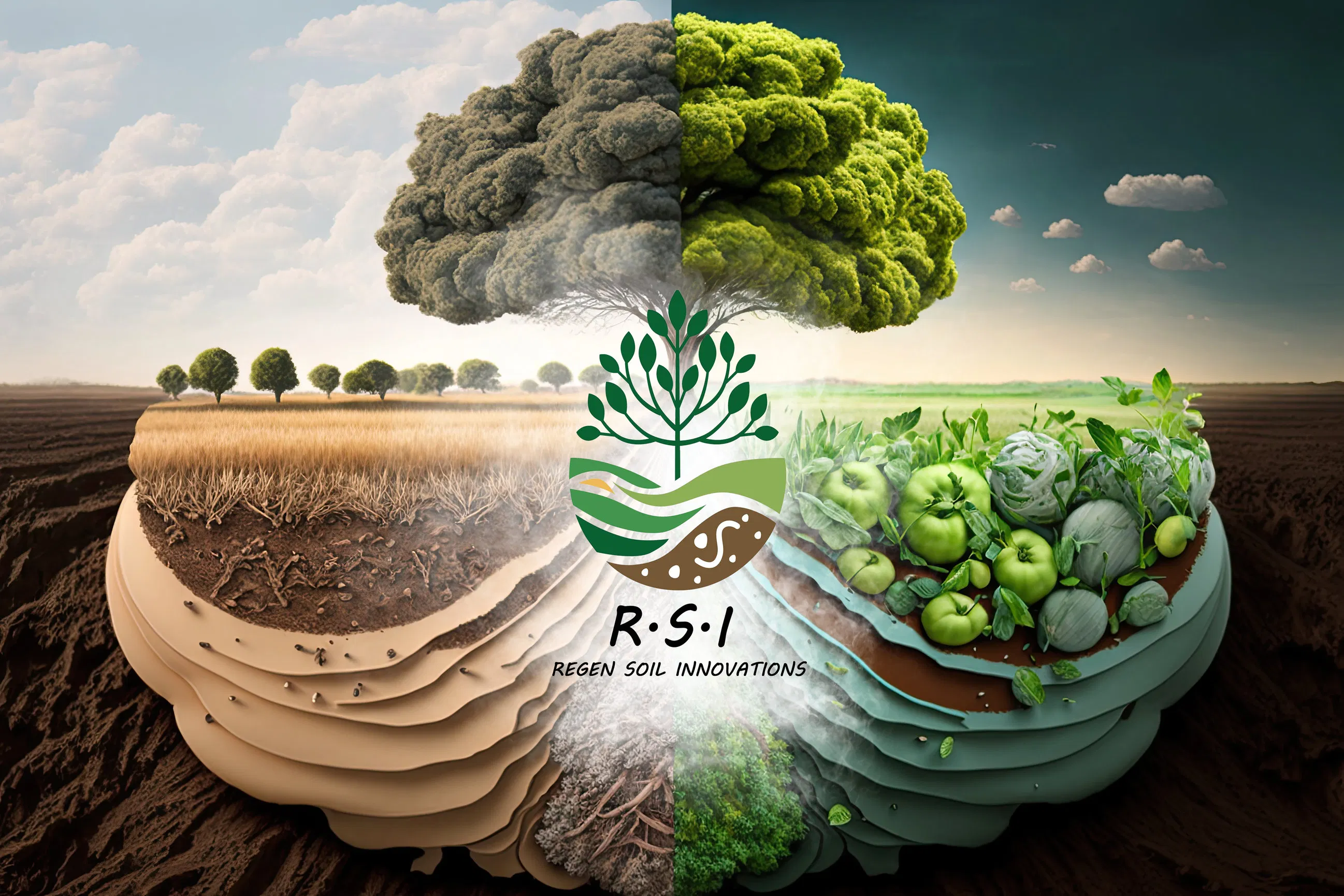
We’ve seen it time and time again. A passionate gardener or a dedicated farmer decides to "go regenerative." They buy the bags, they plant the seeds, and they wait for the magic to happen. But after a season or two, the yields are stagnant, the pests are still winning, and the soil still looks more like concrete than chocolate cake.
At Regen Soil, we don’t just sell products; we partner with the land. We understand that soil isn't just a medium for holding plants upright, it is a complex, living biological system. When you treat soil restoration as a checklist of products rather than an ecosystem transition, you run into the same roadblocks that stall progress globally.
In this guide, we’re going to look at the three foundational mistakes we see most often in the field and answer the top 10 questions our consulting team receives every week. Whether you are a patio gardener or a large-scale agricultural manager, these principles of soil restoration remain the same.
The "Systems-Thinking" Approach to Soil
Before we dive into the mistakes, we need to define our terms. Regenerative agriculture is the process of restoring the health of the soil through biological integration. We focus on nutrient cycling, which is the movement and exchange of organic and inorganic matter back into the production of living matter. This isn't just about adding nitrogen; it’s about fostering the microbial populations that make nitrogen available to the plant.
When we talk about sequestration, we aren’t just talking about carbon; we’re talking about building an underground "bank account" of vitality that protects your land from drought and disease.
3 Critical Mistakes Stalling Your Soil Restoration
1. The "Guesswork" Trap: Skipping the Assessment
Most people start by adding amendments without knowing what their soil actually needs. This is like taking a handful of random pills without seeing a doctor.
We recommend starting with a professional Initial Soil Health Assessment (ISH).
Without a baseline, you might be adding lime to soil that is already alkaline or adding phosphorus when your biology is simply too dormant to unlock the phosphorus already present. Our assessment looks at:
- Microbial Diversity Analysis: What fungi and bacteria are actually present?
- Soil Structure Evaluation: Is your soil compacted, preventing water and air flow?
- Nutrient Availability: Not just what is in the soil, but what is available to the plant.
2. The "Bare Earth" Policy
Nature abhors a vacuum. If you leave your soil bare, you are essentially "starving" your underground employees.
The Science: Soil microbes require a constant supply of root exudates (sugars leaked from living roots) to survive. When soil is bare, it heats up, kills the living soil microbiome, and leads to massive topsoil erosion.
The Fix: Always keep the soil covered. Use diverse cover crops or high-quality mulches.
3. Treating Microbes as a "Magic Pill"
We often see growers buy high-quality microbial inoculants and then apply them to "dead" soil with no organic matter or habitat.
Our Perspective: Microbes need a home. Think of our Rhizo Logic® products as the "staff" and the soil organic matter as the "office building." If you don't provide the building, the staff can't work. This is why we emphasize the RSI Method, which focuses on building the environment alongside the biology.

Our Experts Answer Your Top 10 FAQs
Q1: How long does it take to see real soil restoration results?
Answer: In a healthy living soil system, you can see changes in water infiltration and plant vigor in as little as one season. However, building significant soil organic matter (SOM) and restoring deep fungal networks typically takes 3 to 7 years of consistent regenerative management.
Q2: What is the difference between Rhizo Logic and Bio-boost?
Answer: It’s important to distinguish between these two powerhouses in our toolkit.
- Rhizo Logic®: This is our brand for Living Soil products. It focuses on the microbial ecosystem and the physical structure required for high-performance growth.
- Bio-boost: This is a Terrabiotics product. It is a highly concentrated microbial catalyst designed to accelerate nutrient cycling and break down organic matter rapidly. While they work beautifully together, Rhizo Logic is the environment, and Bio-boost is the accelerant.
Q3: Can I restore my soil while still using synthetic fertilizers?
Answer: We advocate for a "bridge" approach. Going "cold turkey" on synthetics can lead to yield crashes because the natural biology isn't strong enough yet to take over. We help our clients transition by slowly phasing down synthetics while scaling up biological inputs like Rhizo Logic Living Soil.
Q4: Is "No-Till" the same thing as Soil Restoration?
Answer: No. No-till is a tool, not the whole system. You can have no-till land that is still biologically dead because of heavy chemical use. True restoration requires the "Five Pillars": limited disturbance, armor on the soil, living roots, diversity, and (where possible) animal integration.
Q5: How do I fix heavy clay soil without tilling?
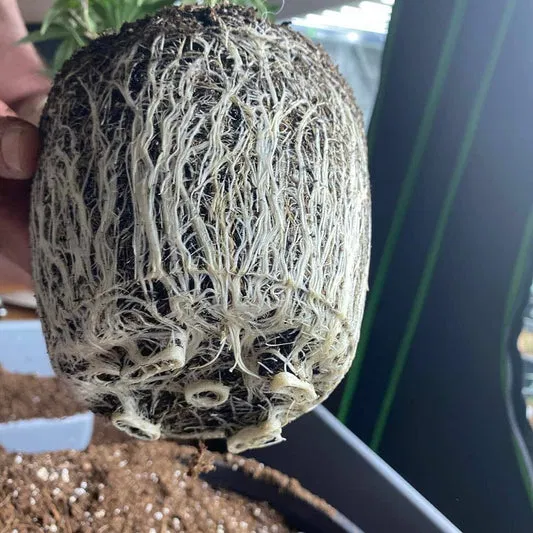
Answer: Tilling clay often makes the problem worse by breaking down what little structure exists, leading to a "brick" effect when it dries. Instead, we use deep-rooted cover crops (like daikon radishes) and high-dose biological applications to create "bio-pores." These roots and fungal hyphae do the "tilling" for you at a microscopic level.
Q6: Can I practice soil restoration in a patio garden or small containers?
Answer: Absolutely! In fact, container gardening is one of the fastest ways to see the benefits of Living Soil. We recently published a guide on Success with a Patio Garden that explains how to use our Rhizo Logic® kits to create a self-sustaining ecosystem in a single pot.
Q7: Why does my soil test show high nutrients, but my plants are yellowing?
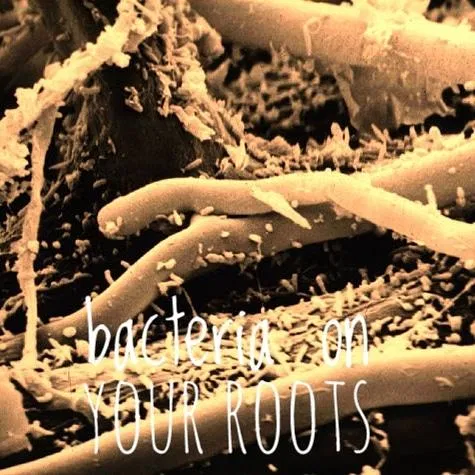
Answer: This is a classic "nutrient lockout" scenario. The nutrients are physically in the soil, but they are chemically "bound" to soil particles. You lack the microbial populations (specifically mycorrhizal fungi) needed to "unlock" those nutrients and transport them to the roots.
Q8: How often should I re-apply microbial inoculants?
Answer: If you have created a thriving habitat (moisture, organic matter, no heavy tillage), you shouldn't need to re-apply indefinitely. However, during the restoration phase or after extreme weather events, a "re-up" of Bio-boost (Terrabiotics) can help jumpstart the system again.
Q9: Does regenerative agriculture really help with water retention?
Answer: Yes, dramatically. For every 1% increase in soil organic matter, an acre of land can hold an additional 20,000 gallons of water. This is the difference between a crop that survives a drought and one that fails.
Q10: What is the first step for a commercial operation?
Answer: Data. We cannot manage what we do not measure. We recommend a Soil Health Assessment across your different management zones to identify where the biological "breaks" are in your system.
Case Study: From Dead Dirt to Thriving Ecosystem
One of our partners in the Midwest struggled with heavy compaction and declining yields. By implementing the RSI Method: which included a custom cover crop mix and a transition to Terrabiotics Bio-boost: they saw a 40% increase in water infiltration rates in just two years. More importantly, their input costs dropped by 15% as the soil began "feeding itself."
Summary Table: Beginners vs. Experienced Growers
| Feature | Beginners | Experienced Growers |
|---|---|---|
| Primary Goal | Stop the bleeding (Erosion/Compaction) | Optimize Nutrient Density |
| Recommended Tool | Rhizo Logic Living Soil | ISH Assessment |
| Key Focus | Soil Coverage & Moisture | Microbial Diversity & Sequestration |
| Common Mistake | Over-watering "Dead" Soil | Ignoring Micro-variability in Fields |
Final Thoughts
Restoring your soil is the single most important legacy you can leave for your land. It is a journey from viewing your farm or garden as a factory to viewing it as a forest. At Regen Soil, we are here to provide the science, the products, and the partnership to make that transition successful.
Are you ready to stop guessing and start growing?
Reach out to our team today for a personalized consultation or to schedule your initial soil health assessment. Let's rebuild the foundation of our food system together.


