
Soil Restoration Secrets Revealed: What the Soil Archives Teach Us About Growing Nutrient-Dense Food
By Jeremy Standring
If you’ve spent any time in the gardening or farming world, you’ve probably heard the term "nutrient density." It’s the holy grail of modern agriculture, the idea that a carrot isn't just a carrot, but a vessel for vitamins, minerals, and phytonutrients. But why is it that a supermarket tomato often tastes like crunchy water, while a homegrown heirloom explodes with flavor?
The answer isn't in the seeds; it’s in the archives. No, we aren’t talking about a dusty library in a basement. We’re talking about the Soil Archives, the decades of long-term trials (like Rothamsted in the UK or Rodale in the US) and the ancient wisdom of traditional farming that have been "recorded" in the earth itself.
At Regen Soil, we’ve spent years digging through this data to understand one thing: how to restore life to the ground so that the food we grow actually feeds us. Here is what the archives have revealed.
The Core Secret: Soil Health is Not "Feeding the Plant"
The biggest mistake of the 20th-century "Green Revolution" was the assumption that plants are passive consumers of chemicals. The archives teach us the opposite. If you want truly nutrient-dense food, you don’t "feed plants" with synthetic NPK (Nitrogen, Phosphorus, Potassium). You rebuild the soil ecosystem.
When we use salt-based fertilizers, we essentially put plants on an IV drip. They get big, they look green, but they are "hollow." They lack the complex micronutrients and secondary metabolites that only come from a partnership with soil biology.
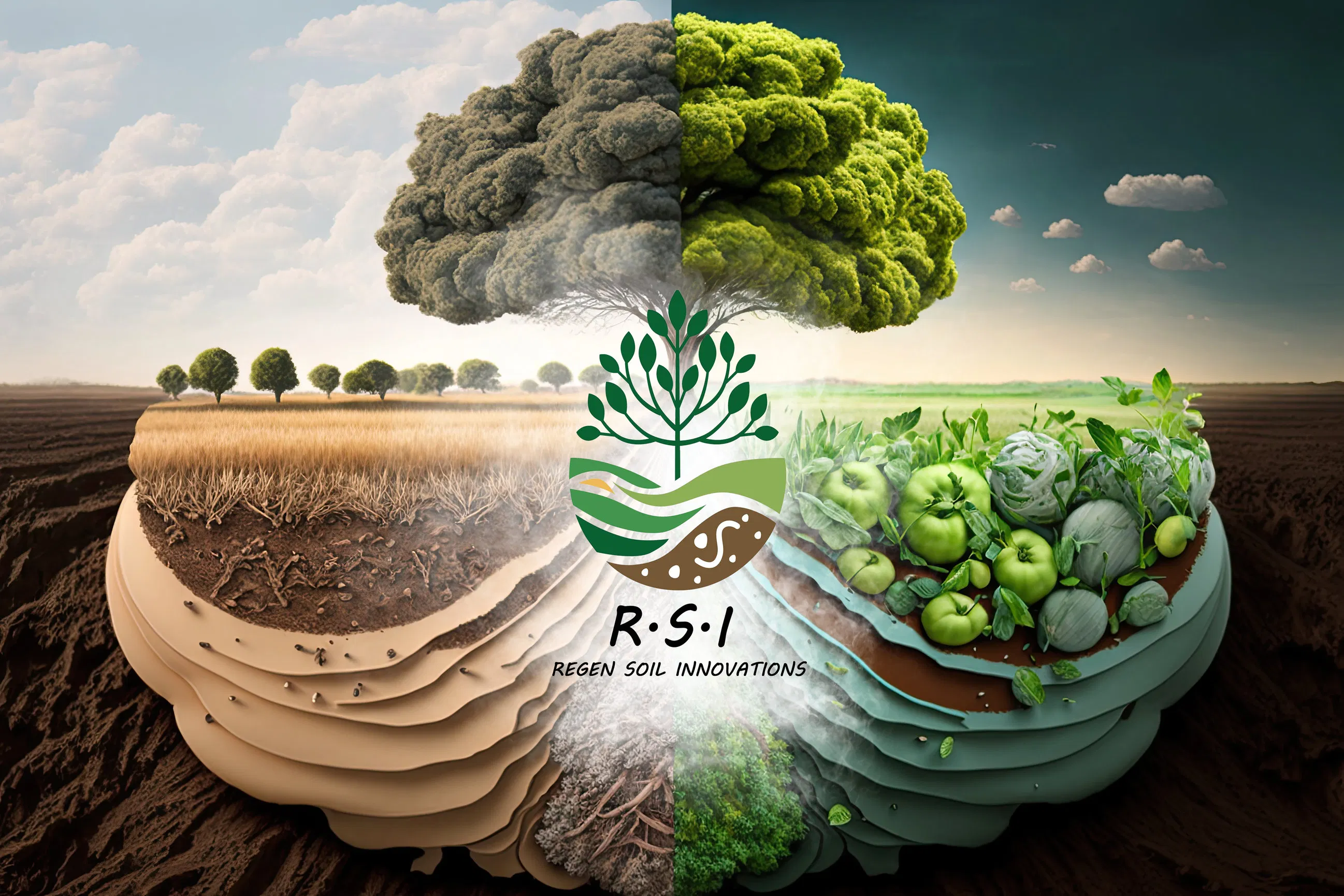
Why Biology Matters
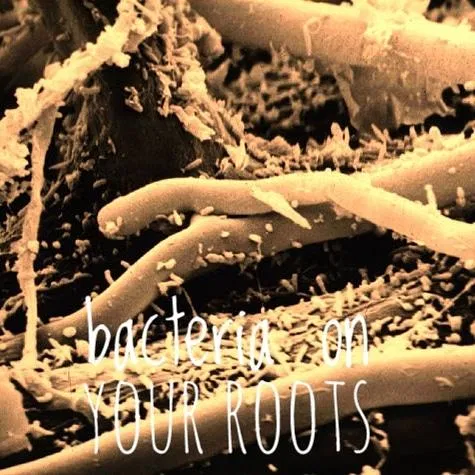
In a healthy system, plants act as the sun’s solar panels. They take CO2 and sunlight and turn them into sugars. They then pump up to 40-60% of those sugars down into their roots as exudates. This isn't a waste; it’s a bribe. The plants are paying bacteria and fungi to go out into the soil, mine for minerals like Zinc, Copper, and Magnesium, and bring them back to the roots.
This is the foundation of our Rhizo Logic® philosophy: biology drives the chemistry. Without the microbes, those minerals stay locked in the soil, and your dinner remains nutrient-poor.
The Four Universal Principles of Restoration
Looking at the most successful soil restoration projects globally, four rules appear over and over again. We call these the "Four Commandments" of regenerative living systems.
1. Minimize Disturbance
Every time you till or turn the soil, you’re essentially running a giant blender through a microscopic city. You shatter the fungal networks (hyphae) and collapse the "macropores" where air and water live. To restore soil, we must stop the mechanical and chemical warfare.
2. Maximize Soil Cover
Bare soil is dying soil. It bakes under the sun, oxidizes organic matter, and kills the biology. Whether it’s living plants or a thick layer of organic mulch, the "skin" of the earth must be protected.
3. Maximize Biodiversity
Monocultures (growing just one thing) simplify the soil food web. A diverse array of plants leads to a diverse array of root exudates, which supports a robust, resilient microbial community. This is why we advocate for multi-species cover crops and polyculture gardening.
4. Maximize Living Roots
Roots are the "pumps" of the soil. We need something growing as many days of the year as possible. When the roots die, the microbial "party" ends, and the soil begins to lose its structure.
The Hidden Engine: The Liquid Carbon Pathway
One of the most profound "secrets" found in recent soil archives is the Liquid Carbon Pathway. This is the process where atmospheric carbon is transformed into stable soil humus.
It’s not just about adding compost (though that helps!). It’s about the relationship between plants and Mycorrhizal Fungi. These fungi produce a sticky protein called glomalin, which acts as the "glue" that creates soil aggregates. These aggregates are what give soil its crumbly, chocolate-cake texture.
If you want to know if your soil is restoring, don't look at a lab report first, look at the structure. Does it look like a sponge? Does it hold water? If so, your fungal networks are at work.
From the Archives to Your Home: Regenerative Agriculture on a Small Scale
Many people think regenerative agriculture is only for 1,000-acre farms. We’re here to tell you that's nonsense. You can apply the same "archive-proven" secrets to your backyard or even a patio garden.
For Beginners: The "Quick Start" Restoration
If you’re starting with "dirt" (lifeless, grey, compacted stuff), your goal is inoculation. You need to jumpstart the biology.
- Topdress with Quality Compost: Think of this as a probiotic for your soil. You only need about a half-inch.
- Apply Rhizo Logic® Products: Our specialized microbial inoculants are designed to reintroduce the specific "workforce" of bacteria and fungi that have been lost to urban development.
- Mulch Heavily: Use shredded leaves or straw to protect your new microbial friends.
For Experienced Growers: The Deep Dive
If you already have a garden, focus on Nutrient Cycling. Are your protozoa active? These are the microscopic "lions" of the soil that eat bacteria and poop out plant-available nitrogen. Without them, your nutrient cycle is stalled. Check out our Ultimate Guide to Living Soil for a deep dive into the soil food web.
Measuring Success: How Do You Know It’s Working?
The soil archives teach us that you can't manage what you don't measure. However, we don't just care about NPK levels. We care about Soil Function.
We recommend an Initial Soil Health (ISH) Assessment. This looks at the "living" metrics:
- Total Living Biomass: How much biology is actually in there?
- Fungal to Bacterial Ratio: Is your soil balanced for the crops you want to grow?
- Water Infiltration: Can your soil drink, or does the water just run off?
On a day-to-day basis, we use tech like the Regen Soil Pulse to monitor real-time metrics. When you see your moisture levels stabilize and your electrical conductivity (EC) remain steady without adding synthetic salts, you know the biology is doing the heavy lifting for you.

Case Study: The "Hollow Tomato" vs. The Living System
We recently worked with a client who was frustrated that their tomatoes looked perfect but tasted like nothing. A quick soil test showed high Nitrogen but almost zero microbial activity. The plants were bloated with water and nitrate, but they couldn't access the trace minerals like Boron and Manganese that create flavor compounds.
By applying the RSI Method, stopping the synthetic fertilizer, and introducing a diverse cover crop during the winter, the following year’s crop was a revelation. Not only did the flavor return, but a Brix test (which measures the sugar and mineral solids in the plant sap) showed a 40% increase in nutrient density.
FAQ: Common Soil Restoration Questions
Q: How long does it take to restore soil?
A: You’ll see biological changes (more worms, better water soaking) in as little as 3-6 months. However, building significant "stable" organic matter usually takes 1-3 years of consistent regenerative practice.
Q: Can I use Bio-boost in my living soil setup?
A: While we love Terrabiotics' Bio-boost for general fertility, we recommend keeping your Rhizo Logic® products as the primary drivers for your Living Soil systems to ensure the microbial balance is specifically tuned for regenerative success.
Q: Do I need to buy expensive equipment?
A: No. While tools like the Regen Soil Pulse are great for data junkies, your best tools are your eyes and nose. Healthy soil should smell like a forest floor (earthy, not sour) and look like dark chocolate cake.
Q: Will regenerative methods work in a patio garden?
A: Absolutely. In fact, our 5-Gallon Living Soil kits are designed specifically to bring "archive-level" soil health to the smallest of spaces.
Join the Regeneration
The secrets of the soil archives are no longer hidden. We know that by working with nature instead of trying to dominate it, we can grow food that is truly medicine. Whether you are a commercial operator or a weekend gardener, the principles remain the same: protect the soil, feed the biology, and let the ecosystem do what it has done for millions of years.
Ready to start your own restoration journey? Contact us today for a consultation, or browse our Rhizo Logic® collection to give your soil the biological boost it deserves.
Let’s grow something real.


