
Regenerative Organic Living Systems 101: A Beginner's Guide to Mastering Your Soil Archives
By Jeremy Standring
Welcome to the ground floor, literally. If you’ve been following our journey from the early days of our Photobiz blog, you know we’ve spent years shouting from the rooftops about regenerative agriculture. But as we transition our archives and update our core philosophy for the modern grower, it’s time to get back to basics. Whether you’re trying to grow a single tomato plant on a balcony or looking to overhaul a backyard garden, understanding Regenerative Organic Living Systems is the secret code to unlocking true plant vitality.
In the past, we talked about "Regenerative Agriculture at Home" as a concept. Today, we treat it as a biological necessity. We aren’t just "gardening" anymore; we are managing a complex, underground metropolis. This guide will teach you how to master your soil archives and transition from a "dirt mover" to a "soil steward."
What Exactly is a Regenerative Organic Living System?
At Regen Soil, we define a regenerative organic living system as a holistic approach to land management that goes beyond "organic." While organic farming tells you what not to use (no synthetic pesticides, no chemical fertilizers), regenerative systems focus on what you should be doing to actively improve the ecosystem.
It is a systems-thinking approach. We don't look at a plant in isolation; we look at the relationship between the roots, the microbes, the water cycle, and the atmosphere. The goal isn't just to sustain the current state of your soil: it’s to restore it to a level of health that hasn't been seen since the prairies were wild.
The Contrast: Dirt vs. Living Soil
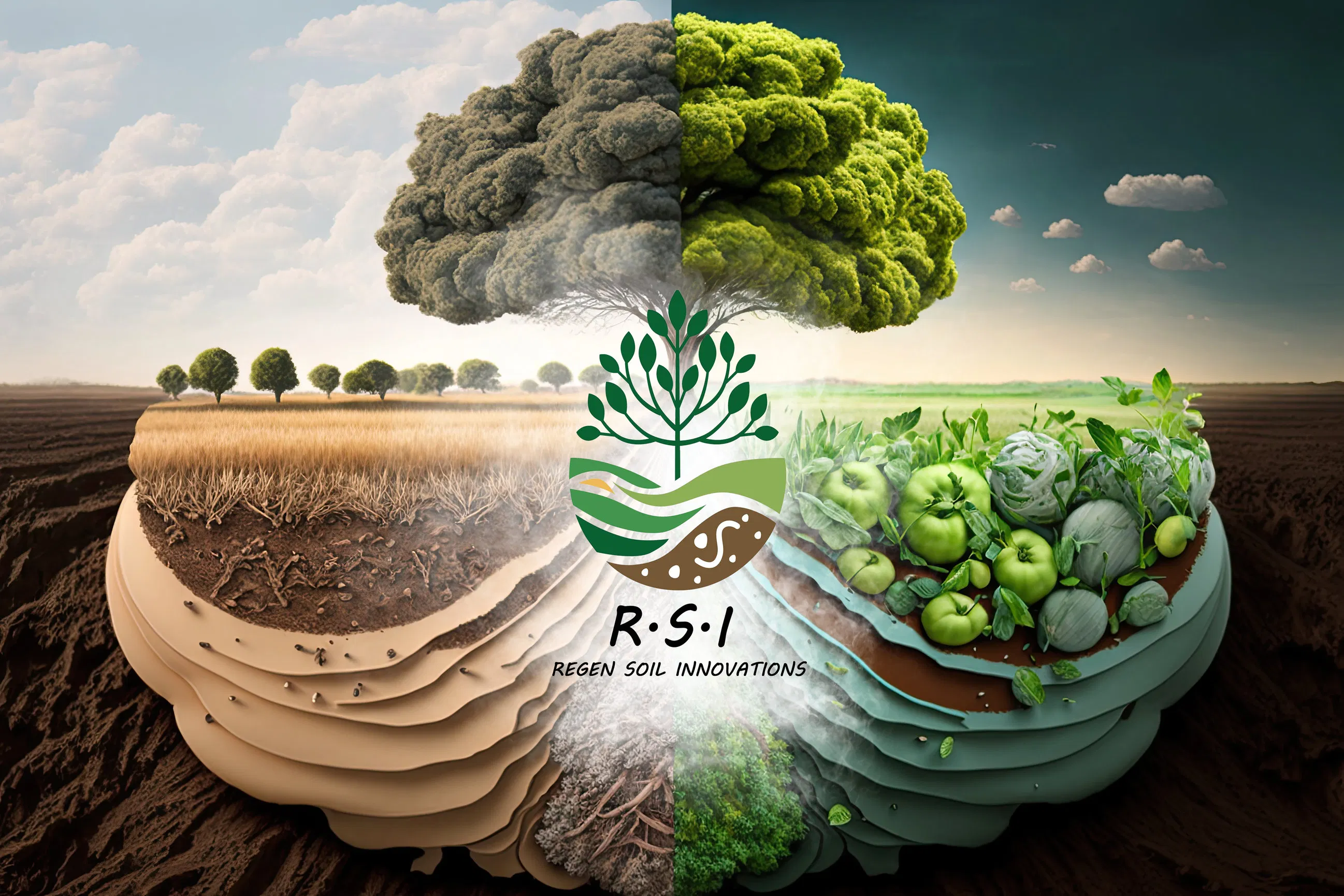
Most beginners start with "dirt." Dirt is a collection of mineral particles (sand, silt, clay) that is biologically bankrupt. It requires constant life-support in the form of synthetic NPK (Nitrogen, Phosphorus, Potassium) fertilizers.
Living soil, on the other hand, is a vibrant community. It contains a "Soil Food Web" consisting of bacteria, fungi, protozoa, and nematodes. When you use a product like Rhizo Logic® Living Soil, you aren't just buying a substrate; you are importing a functional workforce that cycles nutrients for you.
The Four Pillars of Soil Restoration
To master your soil archives, we recommend adhering to these four foundational principles. We have found that when growers ignore even one of these, the entire system begins to degrade.
1. Minimize Soil Disturbance
In conventional gardening, we’re taught to till the earth every spring. We now know this is a catastrophic mistake. Tilling shatters the delicate mycelial networks (fungal highways) and collapses the pore spaces that allow soil to "breathe." In a regenerative system, we practice "no-dig" or "low-till" methods to keep the biological structures intact.
2. Maximize Biodiversity
Monoculture (growing just one thing) is an invitation for pests and disease. We encourage diversity both above and below the surface. Different plants exude different sugars (exudates) through their roots, which attract a wider variety of microbial populations. The more diverse your microbes, the more resilient your garden becomes.
3. Maintain Living Roots Year-Round
Roots are the primary way carbon is sequestered into the soil. Through photosynthesis, plants pump carbon-rich sugars into the ground to feed microbes. When you leave soil fallow (empty) over winter, you effectively starve your underground workforce. We recommend using cover crops or perennial systems to keep those "biological pumps" running 365 days a year.
4. Keep the Soil Covered
Bare soil is a crime in the regenerative world. Nature abhors a vacuum, and if you don't cover your soil with mulch or living plants, nature will cover it for you: usually with weeds. Covering the soil regulates temperature, prevents erosion, and keeps your living soil hydrated.
The Microscopic Workforce: Understanding the Soil Food Web
If you want to master your soil, you have to understand who is doing the heavy lifting. We often refer to this as the "Underground Economy."
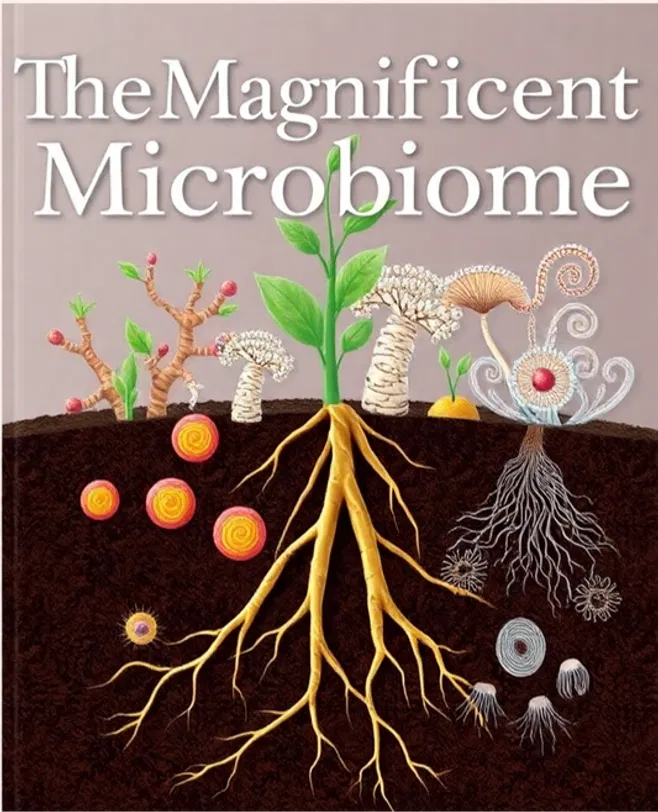
- Bacteria: These are the primary decomposers. They consume simple sugars and store nutrients in their tiny bodies, preventing them from leaching away.
- Fungi: Specifically Mycorrhizal fungi, which form symbiotic relationships with plant roots. They act as an extension of the root system, reaching out into the soil to grab water and phosphorus that the plant can't reach on its own.
- Protozoa and Nematodes: These are the "predators." They eat the bacteria and fungi, and because their nutrient requirements are lower, they "poop out" the excess nitrogen in a form that plants can immediately absorb. This is the essence of nutrient cycling.
For a deeper dive into these microscopic architects, check out our post on The Three Musketeers of Soil.
Transitioning Your "Archives" to a Modern Living System
Many of you are working with existing garden beds or old potting mix: your "soil archives." You don't have to throw it all away and start over. Regenerative agriculture is about soil restoration.
Step 1: Assessment
Before you add anything, you need to know what you're working with. We suggest an initial health assessment. Look for signs of life: Is the soil dark and crumbly (like chocolate cake), or is it pale and dusty? Are there earthworms? Does it smell "earthy" (a sign of Actinomycetes bacteria) or sour (a sign of anaerobic conditions)?
Step 2: Re-Inoculation
If your soil has been treated with chemicals or left to dry out, the biology is likely dormant or dead. You need to re-introduce the workforce. While our Rhizo Logic® line focuses on providing the ultimate living environment for plants, you can also use a "soil recharge" like Ultra Bio Boost (a Terrabiotics product) to kickstart the microbial activity in depleted beds.
Step 3: The "Patio Pro" Approach
If you are a beginner with limited space, the easiest way to master these systems is through a contained environment. Our Living Soil Patio Pro Kit is designed to give you a "plug-and-play" version of a high-functioning ecosystem. It eliminates the guesswork by providing a pre-balanced microbial community.

Monitoring Progress with Technology
At Regen Soil, we believe that "intuition" should be backed by data. One of the biggest hurdles for beginners is knowing when the system is working. This is why we’ve integrated tech into our regenerative practices.
Using tools like the Regen Soil Pulse, you can track real-time metrics such as:
- Moisture Levels: Ensuring the microbes have enough water to stay mobile but not so much that they drown (anaerobic).
- Temperature: Microbes are like Goldilocks; they like it "just right."
- Electrical Conductivity (EC): A proxy for the amount of dissolved salts and nutrients available in the soil solution.

Common Pitfalls for Beginners
Even with the best intentions, it’s easy to slip back into "conventional" habits. Here are three things we recommend you avoid:
- Reaching for the "Blue Stuff": Synthetic liquid fertilizers are like "plant crack." They provide a quick hit of nutrients but effectively "fire" your soil microbes. If the plant gets fed for free, it stops pumping sugars into the soil, and the soil food web starves.
- Over-Sterilizing: We’ve seen growers try to "clean" their soil to prevent pests. In a living system, "sterile" is the enemy. We want a crowded, competitive environment where beneficial microbes outcompete the pathogens.
- Ignoring the Water: If your tap water is heavily chlorinated, it can act as a mild disinfectant for your soil. We recommend letting your water sit out for 24 hours (off-gassing) or using a simple charcoal filter to protect your living soil biology.
For more tips on avoiding early hurdles, see our guide on 7 Mistakes You’re Making with Living Soil.
FAQ: Mastering Your Soil Archives
Q: Can I use Rhizo Logic® products with my existing fertilizer?
We recommend sticking to organic, slow-release amendments. High-salt synthetic fertilizers can dehydrate the delicate microbes in our living soil. If you want to boost growth, use a biological stimulant like Ultra Bio Boost rather than a chemical NPK spike.
Q: How long does it take to "restore" soil?
Nature is fast, but she’s not instant. You will see structural changes in your soil (improved drainage and aeration) within a single growing season. True carbon sequestration and a fully mature fungal network can take 2–3 years of consistent regenerative practice.
Q: Is "Living Soil" just fancy compost?
Not exactly. While compost is a component, Rhizo Logic® Living Soil is a precision-engineered substrate designed for optimal gas exchange, water retention, and a specific balance of microbial species that are tailored for high-performance plant growth.
Join the Regeneration
Mastering your soil archives isn't a weekend project: it's a lifestyle shift. It’s about moving away from the "extraction" mindset and towards a "contribution" mindset. Every time you add organic matter, keep a root in the ground, or choose a biological amendment over a chemical one, you are participating in the healing of our planet.
We’re here to be your mentors in this journey. If you’re ready to stop growing in "dirt" and start managing a "system," check out our Ultimate Guide to Living Soil.
What’s the biggest challenge you’ve faced when trying to ditch the chemicals? Drop a comment below or reach out to us for a personalized soil health assessment. Let's grow something real together.


