
5 Steps How to Restore Soil Microbiology and Heal Your Land (Easy Guide for Regenerative Beginners)
By Jeremy Standring
For decades, conventional agriculture has treated soil as a static medium: a mere holding tank for synthetic NPK fertilizers. At Regen Soil, we look at things differently. We understand that soil is a living, breathing ecosystem. When you see your land struggling with compaction, runoff, or poor yields, you aren't looking at a "nutrient deficiency" in the chemical sense; you are looking at a biological collapse.
Restoring soil microbiology is the cornerstone of regenerative agriculture. By shifting our focus from feeding the plant to feeding the soil, we unlock a self-sustaining cycle of health. This guide is designed for beginners ready to transition from chemical-dependency to biological-stewardship using our RSI Method.
The Science of Living Soil: Why Biology Matters
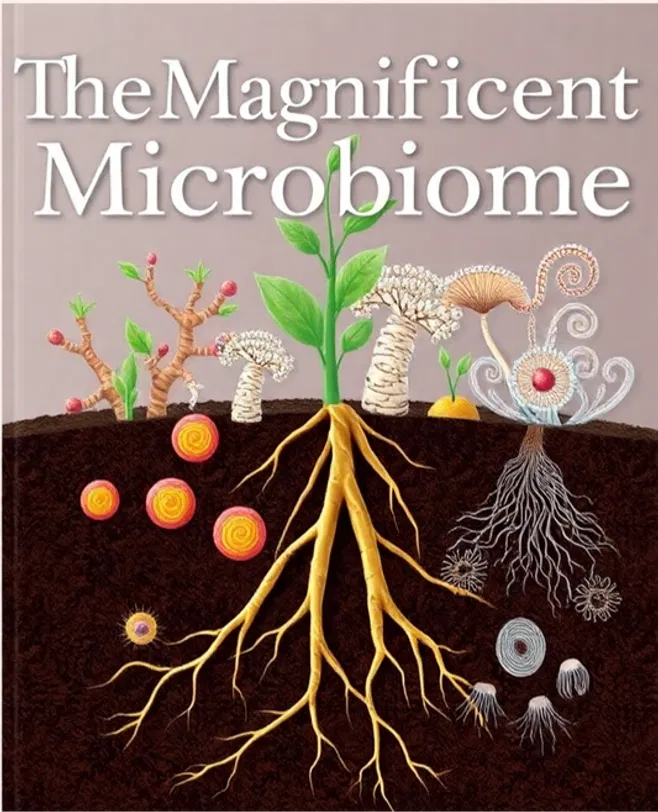
Before we dive into the steps, we must define what we are trying to achieve. Living soil is a complex matrix of bacteria, fungi, protozoa, and nematodes working in symbiosis with plant roots. This area of intense biological activity is known as the rhizosphere.
At Regen Soil, our proprietary Rhizo Logic® products are designed to rebuild this specific ecosystem. When we talk about soil restoration, we are talking about bringing back the "soil food web." Without these microbes, plants are "starving in a grocery store": the nutrients are there, but there is no one to cook the meal.
Step 1: Conduct an Initial Soil Health Assessment (ISH)
You cannot manage what you do not measure. For beginners, the first instinct is often to buy bags of fertilizer. We recommend a more calculated approach. Our Initial Soil Health Assessment (ISH) goes beyond basic pH and NPK levels.
Why it matters: An ISH analyzes the microbial biomass and the presence of beneficial fungi. We need to know if your soil is bacterially dominant or if it has the fungal networks necessary for long-term carbon sequestration.
How to do it:
- Visual Inspection: Look for "glomalin": a sticky protein produced by fungi that holds soil aggregates together.
- Infiltration Test: How fast does water disappear into your soil? Poor microbiology leads to poor structure and slow infiltration.
- Professional Lab Work: Utilize tools like the Regen Soil Pulse to get real-time metrics.

Step 2: Stop the Disturbance (The No-Till Philosophy)
One of the fastest ways to kill soil microbiology is through mechanical tillage. Tilling is effectively an earthquake, a fire, and a tornado for the microbial city beneath your feet.
Comparison: Tillage vs. Regenerative No-Till
| Feature | Conventional Tillage | Regenerative No-Till |
|---|---|---|
| Microbial Impact | Destroys fungal hyphae; kills earthworms. | Protects delicate microbial networks. |
| Soil Structure | Causes hardpan and compaction. | Promotes natural aeration and aggregation. |
| Carbon Status | Releases CO2 into the atmosphere. | Sequesters carbon into the soil. |
| Water Retention | High runoff and evaporation. | High sponge-like capacity. |
To restore your land, we must leave the soil undisturbed. By transitioning to a no-till system, you allow the Rhizo Logic® (living soil) structures to stabilize, creating the "homes" that microbes need to survive.
Step 3: Feed the Underground Workforce (Organic Matter)
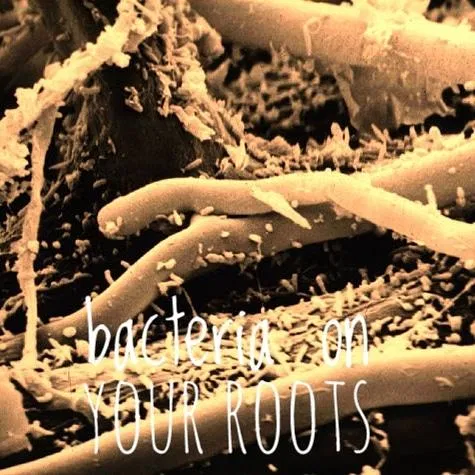
Microbes need carbon. In a healthy system, plants provide this through root exudates: essentially liquid sunshine (sugars) pumped into the ground. However, in depleted soils, we need to jumpstart this process by adding high-quality organic matter.
We highly recommend using Bio-boost from Terrabiotics. This acts as a catalyst for microbial metabolism. Think of it as high-octane fuel for the bacteria and fungi you are trying to recruit.
Pro-Tips for Beginners:
- Mulch Heavily: Never leave soil bare. Use straw, wood chips, or leaf mold to protect the surface from UV rays which sterilize the top layer of microbiology.
- Compost Tea: Applying microbially-rich liquids can help reintroduce species that have been lost to chemical farming.
- Diversify your inputs: Different microbes eat different things. The more diverse your organic matter, the more diverse your microbial colony.
Step 4: Reintroduce the Specialists (Microbial Inoculation)
In many cases, the "native" biology has been so decimated by pesticides and synthetic salts that it won't just "come back" on its own. This is where Rhizo Logic® comes into play.
We use microbial inoculants to reintroduce "specialist" organisms:
- Mycorrhizal Fungi: These act as an extension of the root system, reaching deep into the soil to grab phosphorus and water.
- Nitrogen-Fixing Bacteria: These "pull" nitrogen from the air (which is 78% nitrogen) and turn it into a form the plant can eat, reducing your need for synthetic fertilizers.
- Decomposers: Bacteria that break down raw organic matter into plant-available nutrients.
Step 5: Keep a Living Root in the Ground Year-Round
The "Liquid Carbon Pathway" is the process where plants move carbon from the atmosphere into the soil. When you harvest a crop and leave the land fallow for six months, you are essentially starving your soil microbes.
The Solution: Cover Crops We suggest using a diverse mix of cover crops (legumes, grasses, and brassicas). Even a small patio garden can benefit from this. For more on this, check out our Ultimate Guide to Living Soil for Patio Gardens.
Why Living Roots Matter:
- They provide a 24/7 food source for microbes.
- They prevent erosion.
- They keep the soil temperature stable, preventing microbial "heat stroke" in the summer.

Deep Dive: Why "Living Soil" Beats Synthetic Systems
We often get asked: "If synthetic fertilizer works, why change?" The answer lies in nutrient density and resilience.
Synthetic fertilizers provide a "salt-based" nutrition. While the plant grows fast, it is often weak and susceptible to pests because its "immune system" (the microbiome) is non-existent. Soil restoration creates a system where the plant and the soil work together. In a Rhizo Logic® system, the plant "asks" the microbes for specific minerals by releasing specific sugars. This "biological commerce" ensures the plant gets exactly what it needs, when it needs it.
FAQ: Common Questions for Regenerative Beginners
Q: How long does it take to restore soil microbiology? A: You will see changes in soil structure and water retention within one season. However, building a truly robust, self-regulating ecosystem usually takes 3 to 5 years of consistent regenerative practices.
Q: Can I use Rhizo Logic® with my current fertilizer? A: We recommend phasing out high-salt synthetic fertilizers. Heavy salts can dehydrate and kill the very microbes you are trying to establish. If you must use them, reduce the dosage significantly and focus on Bio-boost to buffer the impact.
Q: Is this only for large farms? A: Not at all. The principles of regenerative agriculture apply to everything from a 1,000-acre corn field to a 5-gallon fabric pot on your balcony. Microbiology doesn't care about the size of the container; it only cares about the quality of the habitat.
Q: What is the RSI Method? A: The RSI Method is our systematic approach to soil healing: Assess (ISH), Inoculate (Rhizo Logic®), and Sustain (Biological Management).
Healing the Land, One Acre at a Time
At Regen Soil, we believe that the health of our planet starts beneath our fingernails. By following these five steps: assessing your soil, stopping the plow, feeding with organic matter, inoculating with Rhizo Logic®, and keeping living roots active: you aren't just growing plants; you are healing the earth.
We are here to help you every step of the way. Whether you need a custom soil health strategy or just want to learn more about our mission, we invite you to join the regeneration.
What is the biggest challenge you’re facing with your soil right now? Let us know in the comments below, or contact us for a personalized consultation.


