
Regenerative Agriculture at Home 101: A Beginner’s Guide to Mastering Living Soil Systems
By Jeremy Standring
Let’s be honest: most of us were taught that gardening is a battle. It’s "us" against the "pests," or "us" against the "weeds," armed with a spray bottle of synthetic fertilizer and a heavy-duty tiller. But here at Regen Soil, we’ve spent years proving that when you stop fighting nature and start facilitating it, the results are exponentially better.
Welcome to the world of regenerative agriculture. While it sounds like a buzzword used by large-scale carbon-sequestration farms, the principles are perfectly applicable to your backyard, your raised beds, or even your patio containers. At its heart, regenerative agriculture is about moving beyond "sustainable" (which just means keeping things the same) and toward soil restoration, leaving your land (or your pots) better, more alive, and more nutrient-dense than you found them.
Why Your Supermarket Salad is Just "Crunchy Water"
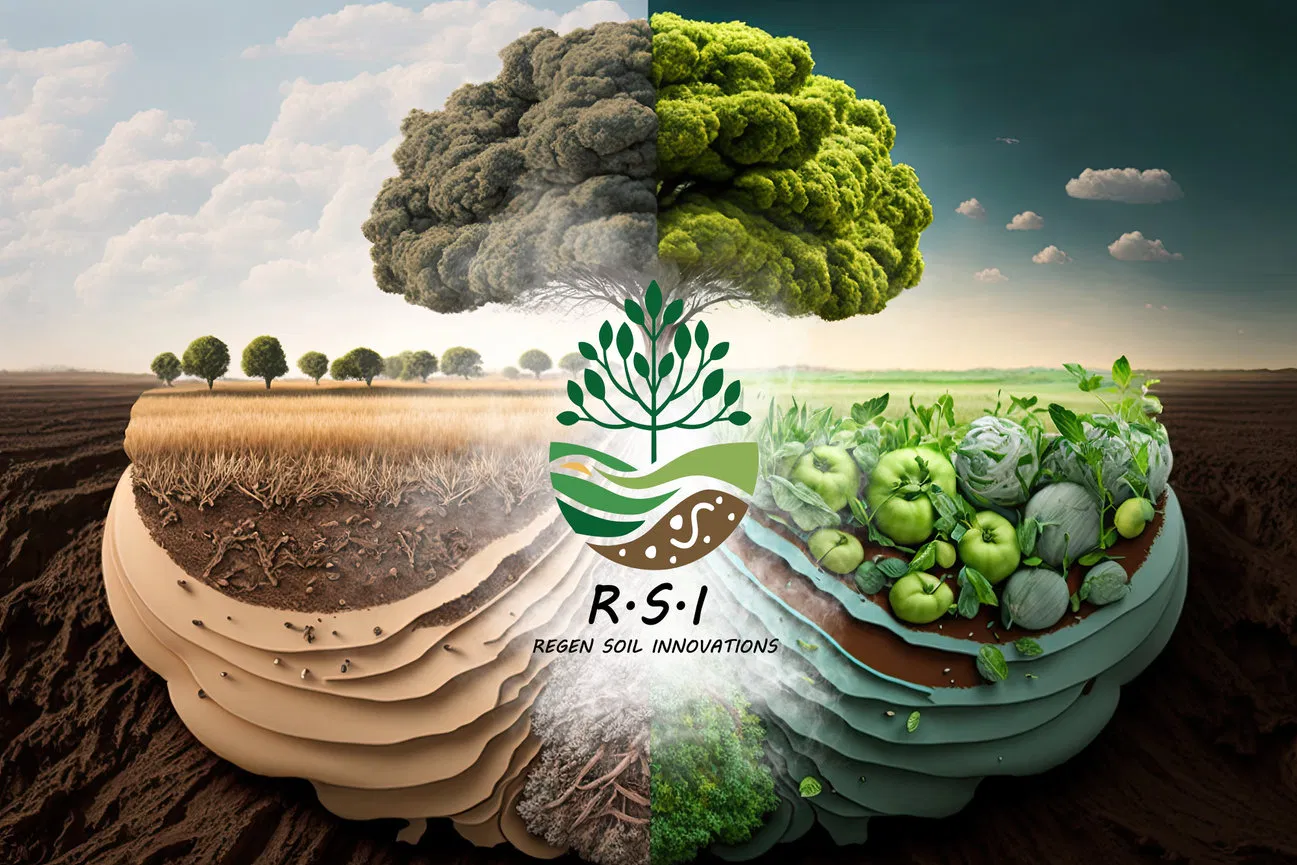
Before we dive into the "how," we need to understand the "why." Conventional agriculture treats soil like a medium that merely holds plants upright while we pump them full of nitrogen, phosphorus, and potassium (NPK). The result? Vegetables that look great but lack the complex phytonutrients and mineral density our bodies crave. We call this the empty plate problem.
To grow food that actually nourishes you, you need living soil. You need an ecosystem.
The Five Pillars of Home-Based Regenerative Agriculture
We follow a "systems-thinking" approach. You aren't just growing a tomato plant; you are managing a subterranean city. Here is how you manage that city like a pro.
1. Minimize Soil Disturbance (The "No-Till" Rule)
In conventional gardening, the first instinct is to till the earth every spring. We recommend you put the tiller away. Tilling is the biological equivalent of a localized earthquake. It shatters the delicate fungal networks (mycelium) and kills the beneficial microbial populations that have spent all winter establishing themselves.
By practicing "No-Till" or "Low-Till," you preserve the soil structure, which allows for better water infiltration and prevents erosion.
2. Soil Armoring (Keep It Covered)
Nature abhors a vacuum, and it hates bare dirt even more. Bare soil is prone to temperature spikes, moisture loss, and "crusting."
Beginners should aim to keep soil covered 100% of the time. This can be achieved through:
- Mulching: Using straw, wood chips, or shredded leaves.
- Cover Crops: Planting clover or vetch during the off-season to protect the surface and fix nitrogen.
3. Diversity is Your Best Friend
In a natural forest, you never see just one type of plant. Why should your garden be any different? Regenerative agriculture thrives on biodiversity. We’ve found that mixing plant families (polycultures) confuses pests and encourages a wider variety of microbes in the rhizosphere (the area of soil around plant roots).
4. Living Roots Year-Round
Microbes need food. Their primary food source is "root exudates", sugars that plants pump into the soil to "hire" microbes to find nutrients for them. When you leave a garden bed empty all winter, your microbial city starves to death. By keeping a living root in the ground as long as possible, you keep that biological engine humming.
5. Integration of Biological Inoculants
This is where we move from "traditional gardening" into high-level soil restoration. Most backyard "dirt" is biologically depleted. You can add all the compost you want, but if the right "workers" (microbes) aren't there to process it, it’s just rotting organic matter.
This is why we developed Rhizo Logic® Living Soil. It isn't just "dirt" in a bag; it's a science-backed microbial powerhouse designed to jumpstart the regeneration process immediately.
Deep Dive: The Living Soil Ecosystem
To truly master living soil systems, you have to understand the Rhizo Logic® philosophy. We focus on the synergy between the plant and the soil microbiome.
What exactly is happening down there?
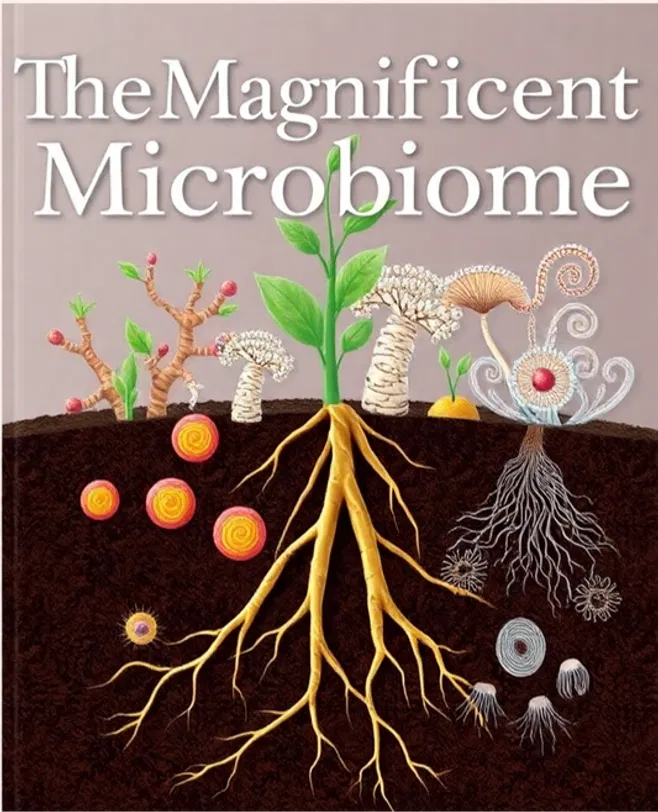
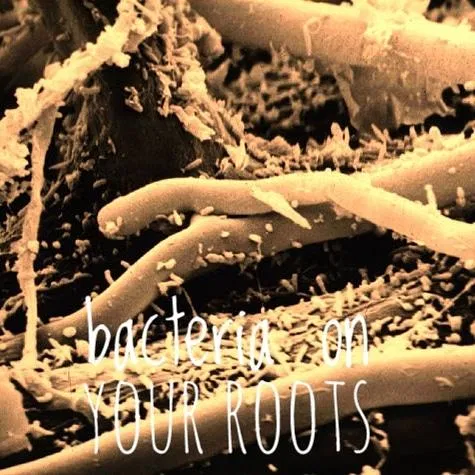
- Bacteria: They act as tiny chemical labs, breaking down organic matter into forms plants can actually eat.
- Fungi: Specifically Mycorrhizal fungi, which act as a high-speed internet for plants, extending the root system by hundreds of times to find water and phosphorus.
- Protozoa and Nematodes: The "predators" that eat the bacteria and release nitrogen right at the root zone.
When these are in balance, your plants become naturally resistant to disease and drought. You stop being a "plant nurse" and start being an ecosystem manager.
How to Start Your Home Regeneration Project
Whether you have an acre or a balcony, you can start today. Here is our suggested roadmap:
For the Patio Gardener (The Beginner Path)
If you’re working with limited space, don't overcomplicate it. We created the Living Soil Patio Pro Kit specifically for this. It takes the guesswork out of the science.
- Select Your Container: Use breathable fabric pots to ensure oxygen reaches the roots.
- Use Living Soil: Don't buy sterilized "potting mix" from a big-box store. Use Rhizo Logic® to ensure you have a diverse microbial foundation from day one.
- Feed the Biology: Use a high-quality soil recharge like Ultra Bio Boost (a Terrabiotics product) to keep the microbial populations thriving throughout the season.
For the Raised Bed/Backyard Gardener (The Restoration Path)
If you already have established beds but your plants look "meh," you likely have a biological bottleneck.
- The RSI Method: We use the RSI Method to assess soil health. Start by observing your soil. Is it hard and compacted? Does it have worms?
- Stop the Chemicals: Synthetic fertilizers are like steroids; they give a quick boost but eventually destroy the body (the soil). Phase them out.
- Inoculate: Top-dress your beds with living soil or a microbial tea to reintroduce the "good guys."
Common Mistakes Beginners Make
We’ve seen it all. Here are the top "gotchas" to avoid:
- Over-watering: Living soil holds moisture much better than dead dirt. If you water like you’re using conventional peat-based mix, you might drown your microbes.
- Using Chlorinated Water: If you can, use a filter. Chlorine is designed to kill bacteria: which is exactly what we’re trying to grow in our soil!
- Obsessing Over pH: In a truly regenerative system, microbes actually buffer the pH for the plant. Focus on the biology, and the chemistry usually sorts itself out.
Monitoring Success: Data Over Guesswork
At Regen Soil, we believe in "Informed Soil Health." You don't have to guess if your soil is getting better. We use tools to track metrics like nutrient levels (EC), moisture, and temperature.

When you see your organic matter increasing and your nutrient cycling stabilizing, you know you’ve moved from a "beginner" to a "steward" of the earth.
FAQ: Frequently Asked Questions
Q: Is regenerative agriculture more expensive?
A: Initially, there’s an investment in high-quality biology (like Rhizo Logic®). However, over time, your costs drop significantly because you stop buying fertilizers, pesticides, and "new" soil every year. The system becomes self-sustaining.
Q: Can I use Rhizo Logic® with my existing soil?
A: Absolutely. Think of it as a "probiotic" for your garden. Mixing it in or top-dressing with it introduces the beneficial microorganisms needed to fix "dead" soil.
Q: How long does soil restoration take?
A: You’ll see plant health improvements in a single season, but true soil structure restoration is a 3-to-5-year journey of consistent regenerative practices.
Ready to Join the Regeneration?
The transition from conventional gardening to regenerative agriculture is the most rewarding shift a grower can make. You aren't just growing food; you’re sequestering carbon, cooling the planet, and feeding your family the most nutrient-dense produce possible.
If you’re ready to dive deeper into the science of the "Magnificent Microbiome," check out our Comprehensive Guide or reach out to us for an Initial Soil Health Assessment.
Let’s grow something that matters.
Got questions about your specific setup? Drop a comment below or contact us directly. We’re here to help you ditch the "crunchy water" and start growing real food.


