
Does a Soil Health Assessment Really Matter? 5 Metrics Every Grower Needs to Track for Success
By Jeremy Standring
We have all been there. You stare at a lab report filled with numbers, symbols, and parts-per-million figures, wondering if any of it actually changes how you’ll manage your land on Monday morning. In the traditional agricultural world, soil testing has often been a race to balance chemistry: adding more nitrogen, phosphorus, or potassium (NPK) to hit a target. But as we move toward regenerative farming practices, the question changes.
Does a soil health assessment really matter? The short answer is: Only if you want to stop guessing and start growing for ROI.
At Regen Soil, we believe that you cannot manage what you do not measure. However, measuring the wrong things is just as dangerous as not measuring at all. A true soil health assessment goes beyond simple chemistry; it looks at the biological and physical "engine" of your farm. If your soil’s biology is stagnant, those expensive inputs you're applying are likely washing away or becoming locked in the soil profile.
In this guide, we’ll break down why testing is your greatest tool for profitability and the five key metrics every grower: from the backyard enthusiast to the commercial producer: needs to track for long-term success.
Why Testing Isn't Just for Labs: It's for ROI
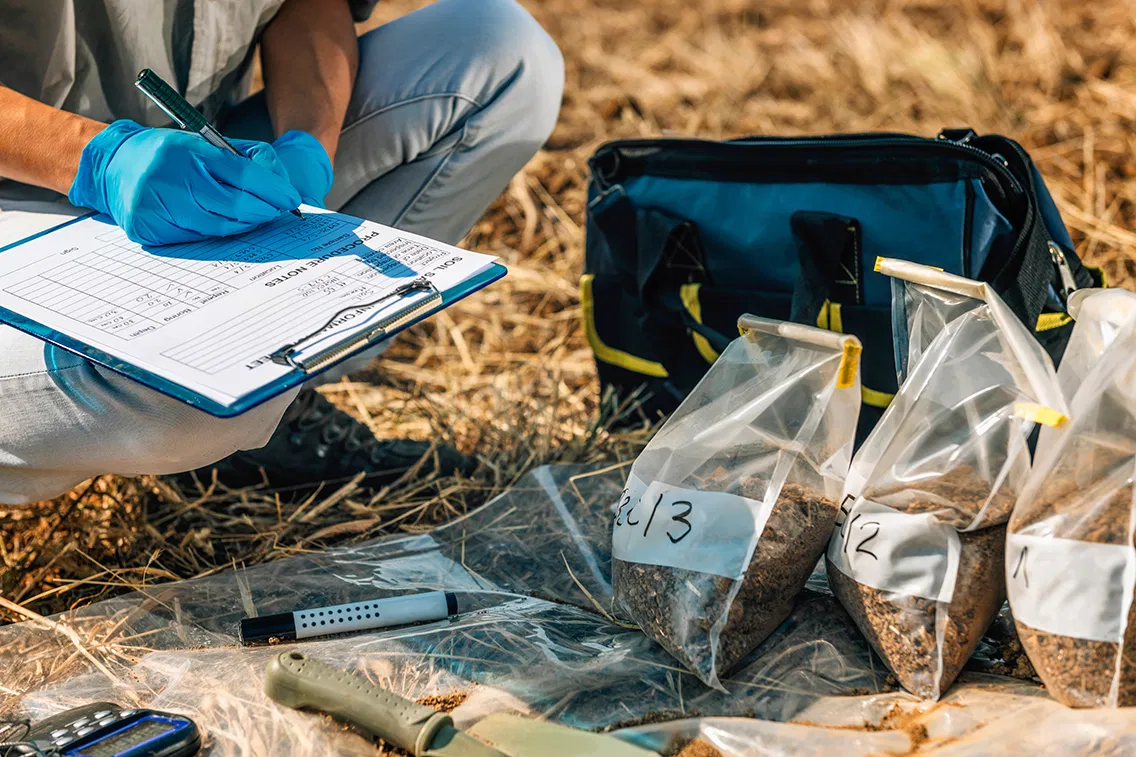
Many growers view soil testing as a chore or a regulatory hurdle. We view it as a financial audit. When we perform an Initial Soil Health (ISH) Assessment, we aren't just looking for deficiencies; we are looking for opportunities to reduce costs.
The ROI of regenerative practices is found in the transition from "buying fertility" to "growing fertility." By understanding your soil metrics, you can:
- Reduce Synthetic Inputs: Identify when your soil biology is capable of mineralizing its own nutrients.
- Improve Water Efficiency: Track how much water your soil can actually hold, reducing irrigation costs.
- Prevent Crop Loss: Spot structural issues like compaction before they lead to root rot or stunted growth.
Metric 1: Soil Organic Matter (SOM) and Organic Carbon
Soil Organic Matter (SOM) is the undisputed heavyweight champion of soil health. It is the "sponge" of your soil. SOM is composed of plant and animal residues at various stages of decomposition, cells and tissues of soil organisms, and substances synthesized by soil microbes.
Why it matters:
For every 1% increase in SOM, the soil can hold an additional 20,000 to 25,000 gallons of water per acre. This directly impacts your drought resilience. Furthermore, SOM serves as a reservoir for nutrients. As organic matter breaks down, it releases nitrogen, phosphorus, and sulfur in forms that plants can actually use.
What to track: Aim for steady growth. While 5% SOM is often cited as a "gold standard," the trend is more important than the starting number. If your SOM is decreasing, your management practices (like excessive tillage) are likely "burning" your carbon faster than you can replace it.
Metric 2: Aggregate Stability (Soil Structure)
Have you ever noticed how some soil turns to "chocolate pudding" after a heavy rain, while other soil stays firm and porous? That is aggregate stability. This metric measures how well soil particles (sand, silt, and clay) hold together when hit by water or wind.
Why it matters:
Good structure allows for air and water to move freely. Roots need oxygen just as much as they need water. When soil aggregates are stable, they create "macro-pores" that allow roots to penetrate deeper into the profile. This is where products like our Rhizo Logic™ Living Soil shine; by introducing a diverse microbial community, we encourage the production of glomalin: a "biological glue" produced by fungi that binds soil particles together.
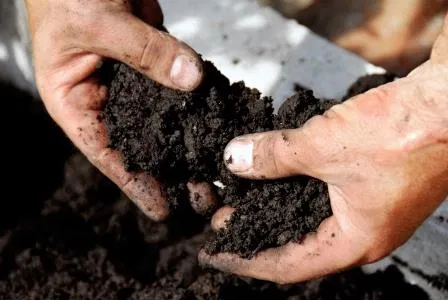
How to assess: In the field, we look for "cottage cheese" texture. In the lab, we measure the percentage of water-stable aggregates. High stability means less erosion and better nutrient cycling.
Metric 3: Water Infiltration and Retention
If the rain hits your field but runs off into the ditch, it doesn't matter how much it rained. Infiltration is the speed at which water enters the soil, while retention is how much of that water stays in the root zone.
Why it matters:
Measuring infiltration is a direct way to see if your regenerative farming practices are working. If you have moved to no-till or cover cropping, your infiltration rates should skyrocket. Poor infiltration is a sign of surface crusting or deep compaction: both of which act as a ceiling for your yield potential.
Pro-tip for Beginners: You can test this yourself with a simple "Infiltration Ring" (essentially a 6-inch diameter pipe). Time how long it takes for one inch of water to disappear into the ground. If it takes longer than 10 minutes, you have a structural problem.
Metric 4: Microbial Activity (Soil Respiration)
Soil is not just dirt; it is a living, breathing organism. Soil respiration measures the amount of CO2 released by microbes as they decompose organic matter. This is a core component of tests like the Haney Test.
Why it matters:
High respiration numbers indicate a "busy" soil microbiome. These microbes are the ones responsible for taking the minerals in your soil and converting them into a "plant-available" form. Without soil microbiology, your plants are essentially on life support, relying entirely on the liquid fertilizers you provide.
To boost this activity, we often recommend a microbial recharge. For those looking to jumpstart a tired system, using something like Ultra Bio Boost Soil Recharge (from our Terrabiotics line) provides the necessary biological "spark" to get the engine turning again.

Metric 5: Fungal-to-Bacterial (F:B) Ratio
In many modern agricultural soils, the ecosystem is heavily dominated by bacteria. This is often caused by high-salt fertilizers and frequent disturbance (tillage). However, most of our high-value crops: and the soil systems that support them: thrive when there is a healthy balance of fungi.
Why it matters:
Fungi, specifically Mycorrhizal fungi, extend the reach of plant roots by up to 100 times. They are also the primary drivers of long-term carbon sequestration. A low F:B ratio usually means your soil is "leaky": nutrients are washing out because there aren't enough fungal hyphae to hold them in place.
By tracking this ratio, we can determine if we need to adjust your RSI Method protocol. For instance, in a bacterially dominant lawn, we might introduce more woody organic matter or specific fungal inoculants to bring the system back into harmony.
Tailoring the Assessment to Your Operation
We understand that a home gardener has different needs than a thousand-acre corn grower. Here is how we recommend approaching these metrics based on your scale:
For Beginners and Home Gardeners
Focus on SOM and Visual Structure. If your soil is dark, crumbly, and smells like a forest floor, you are on the right track. We recommend the Living Soil Patio Pro Kit for those starting in smaller containers, as it bypasses the need for complex testing by providing a pre-balanced biological ecosystem.
For Experienced Growers
Start looking at Infiltration and Microbial Respiration. These metrics will tell you if your cover crops and rotations are actually improving the "biological plumbing" of your soil. It’s about fine-tuning the system for peak efficiency.
For Commercial Operations
The F:B Ratio and Aggregate Stability are your keys to ROI. These metrics correlate directly with reduced fuel costs (from easier tillage/planting) and reduced synthetic fertilizer requirements. A comprehensive Initial Soil Health Assessment is a must for any commercial transition to regenerative practices.

Conclusion: Data-Driven Regeneration
Does a soil health assessment matter? It is the difference between guessing and knowing. By tracking these five metrics: Organic Matter, Aggregate Stability, Water Infiltration, Microbial Activity, and the F:B Ratio: you stop fighting against nature and start working with it.
We’ve seen fields transformed from cracked, lifeless ground into thriving, water-holding ecosystems simply by identifying which of these five pillars was crumbling. Whether you are using our Rhizo Logic living soil products or our Terrabiotics Bio-boost line, the goal is always the same: measurable, repeatable soil health.
If you're ready to see what's actually happening beneath the surface, contact us today for a consultation. Let's stop treating the symptoms and start healing the soil.
Frequently Asked Questions (FAQ)
1. How often should I perform a soil health assessment?
We generally recommend a deep-dive assessment once a year at the same time (ideally spring or fall) to track year-over-year trends. However, simple field observations like infiltration can be done seasonally.
2. Is a Haney Test better than a standard NPK test?
It’s not necessarily "better," but it is more "complete." A standard test tells you what’s in the "pantry," while a Haney Test (which measures microbial activity) tells you if there’s a "chef" (microbes) available to cook the food for the plants.
3. Can I improve my SOM quickly?
While building stable humus takes time, you can improve active organic matter relatively quickly through cover cropping and high-quality compost applications. It is a marathon, not a sprint.
4. What is the most important metric for drought resistance?
Infiltration and SOM. If you can get the water into the ground and keep it there, your crops can survive significantly longer dry spells.
5. Does high microbial activity mean I don't need fertilizer?
Not necessarily, but it means you can use it more efficiently. High activity allows you to potentially reduce rates because the biology is preventing nutrient tie-up and leaching.
What metrics are you currently tracking in your soil? Have you seen a direct link between your soil health and your bottom line? Let’s talk about it in the comments below!


