
Looking For Soil Restoration Secrets? 10 Things You Should Know from the Soil Archives
By Jeremy Standring
If you’ve spent any amount of time in the gardening or farming world lately, you’ve probably heard the term regenerative agriculture tossed around like a hot potato. But here’s the thing: it’s not just a buzzword. It’s a return to the foundational mechanics of how the Earth actually works. At Regen Soil, we’ve spent years digging through the "Soil Archives", a mix of ancestral wisdom, modern microbiology, and hands-on trial and error, to figure out why some land thrives while other plots look like the surface of Mars.
The "secrets" to soil restoration aren't actually secrets; they are biological laws. If you follow them, the soil rewards you with nutrient-dense food and resilient plants. If you ignore them, you’re just fighting a losing battle against physics and chemistry.
Here are the top 10 things we’ve unearthed from the archives that will change the way you look at your ground forever.
1. The Rhizosphere is Where the Magic Happens
The rhizosphere is the narrow region of soil directly influenced by root secretions and associated soil microorganisms. Think of it as the "downtown" of the soil city. This is where plants trade carbon (sugar) for nutrients provided by bacteria and fungi.
We have found that plants don’t just "eat" dirt. They engage in a complex barter system. By using products like Rhizo Logic®, you are essentially installing a high-speed fiber-optic network into that city, allowing for better communication and nutrient exchange between the plant and the soil.
2. Tilling is a Biological Tornado
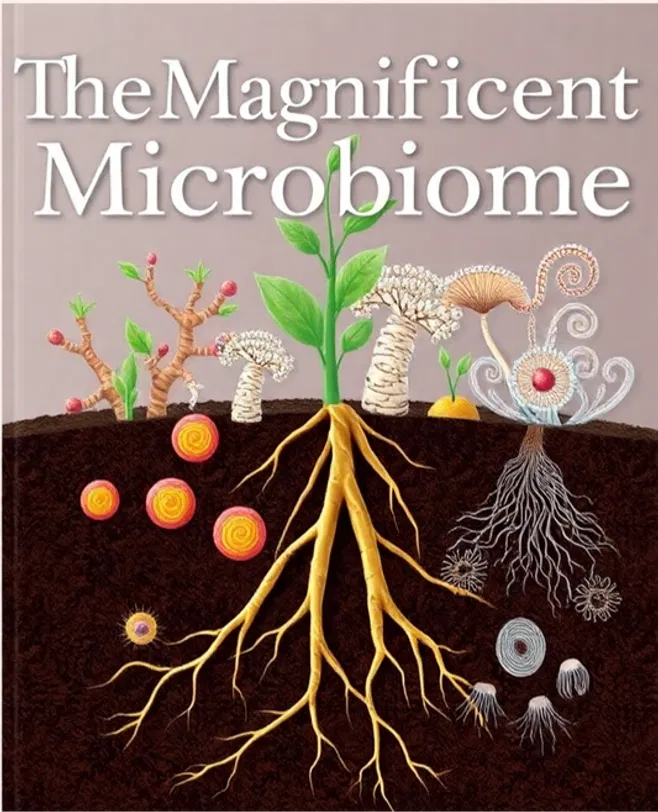
In the "Old School" archives, tilling was seen as a way to "prep" the bed. In the "Regenerative" archives, we recognize it as a catastrophe. Tilling physically shears the delicate hyphae of mycorrhizal fungi and collapses the pore spaces that allow oxygen and water to reach the roots.
When you stop tilling, you allow the soil structure to stabilize. This leads to better aggregation, which is a fancy way of saying your soil becomes a sponge rather than a brick. For those looking to transition, our RSI Method focuses on building soil from the top down, mimicking how a forest floor grows.
3. The "Wood Wide Web" is Real
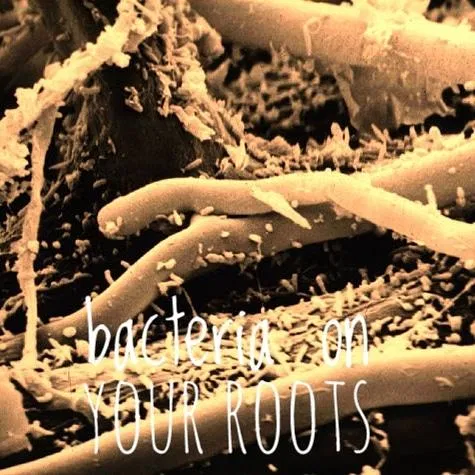
Underneath your feet is a massive network of fungi called mycorrhizae. These fungi extend the reach of plant roots by up to 1,000 times, mining for phosphorus and water that the plant couldn't reach on its own.
A 2024 meta-analysis showed that healthy fungal networks can increase nitrogen uptake by 67%. Without these fungi, your plants are essentially on life support, relying entirely on the synthetic fertilizers you pour on them. To see what’s actually happening at a microscopic level, we often use ISH Assessments to verify if these fungal populations are present and active.
4. Bare Soil is a Dying Ecosystem
Nature abhors a vacuum, and it hates naked soil even more. Bare soil is subject to extreme temperature swings, evaporation, and erosion. In our archives, we’ve seen that even a half-inch of organic mulch can reduce water evaporation by 41%.
Whether you use straw, wood chips, or a living cover crop, keep your soil "armored." This protects the microbial populations from UV rays and keeps the soil moisture levels consistent.
5. Biodiversity is Your Best Pesticide
Monocultures (growing just one thing) are an open invitation for pests. When you have a diverse range of plants, you host a diverse range of predatory insects and soil microbes. This creates a "checks and balances" system.
Pro Tip for Growers: Incorporate the "Three Sisters" (corn, beans, and squash) or other polyculture systems. The beans fix nitrogen, the corn provides a trellis, and the squash leaves act as a living mulch. It’s a system that has worked for thousands of years because it respects the laws of living soil.
6. Nitrogen Fixation: Nature’s Free Lunch
Why buy synthetic nitrogen when the atmosphere is 78% nitrogen? The secret is in the microbes. Certain bacteria (like Rhizobium) live in the nodules of legume roots and "fix" atmospheric nitrogen into a form plants can use.
By utilizing cover crops like crimson clover or hairy vetch, you can fix 50-150 lbs of nitrogen per acre for the cost of a few seeds. This is a cornerstone of soil restoration, moving from expensive external inputs to internal biological cycles.
7. Stop the "Cide" Cycle
Herbicides, pesticides, and fungicides are often "broad-spectrum," meaning they kill the good guys along with the bad. If you want to restore soil, you have to put down the spray bottle.
Synthetic fertilizers are also part of the problem. They provide a quick hit of N-P-K but often contain salts that dehydrate soil microbes. Transitioning to organic living systems means moving toward biology-based fertility. If your soil needs a jumpstart, we recommend a targeted approach like Bio-boost (a Terrabiotics powerhouse) to reintroduce beneficial life without the chemical hangover.
8. Manage Water Like a Resource, Not a Waste Product
In many degraded landscapes, water hits the ground and runs off, taking topsoil with it. Soil restoration involves changing the topography of the land (even on a small scale) to catch and sink water.
Swales (ditches on contour) and bunds are classic archival tools. By slowing the water down, you allow it to hydrate the deep layers of the soil, which encourages roots to grow deeper and survive droughts. Healthy soil with high organic matter can hold incredible amounts of water, every 1% increase in organic matter allows the soil to hold an additional 20,000 gallons of water per acre.
9. The "Chop-and-Drop" Strategy
In a natural ecosystem, nothing is ever "cleaned up." Leaves fall, plants die, and they rot right where they are. This is "green manure."
Instead of hauling your garden waste to the curb, chop it up and leave it on the soil surface. This feeds the earthworms and provides slow-release nutrients. It’s the ultimate lazy-man’s way to build living soil. As the material breaks down, it cycles carbon back into the earth, contributing to carbon sequestration.
10. Inoculation is the Key to Speed
Can soil heal itself? Yes, eventually. But if you’re working with "dead" dirt, it might take decades. Inoculation is the process of manually adding the right microbes to jumpstart the process.
This is where our proprietary Rhizo Logic® comes in. It’s not just about adding "stuff"; it’s about adding the right stuff: specific strains of bacteria and fungi that have been proven to thrive in living soil environments. It’s like giving your soil a probiotic shot to get the digestive system moving again.

Comparison: Conventional vs. Regenerative Restoration
| Feature | Conventional Approach | Regenerative (Regen Soil) Approach |
|---|---|---|
| Fertility | Synthetic N-P-K (Chemical) | Microbial cycling & Organic Matter |
| Weed Control | Herbicides | Mulching & Competition |
| Soil Structure | Tillage (Mechanical) | Biological (Fungi & Roots) |
| Water | Irrigation-dependent | Water retention via Organic Matter |
| Speed | Fast growth, fast crash | Sustainable, compounding returns |
For Beginners: Where Do I Start?
If you're just starting your journey into regenerative agriculture at home, the best thing you can do is stop tilling and start mulching. Buy a bag of quality compost and some cover crop seeds. It’s low-cost and high-impact.
For Commercial Operations: Scaling the Secrets
For larger farms, the focus shifts to equipment like no-till drills and advanced monitoring. We recommend starting with an Initial Soil Health Assessment to get a baseline of your microbial biomass. You can't manage what you don't measure.
Deep Dive: The Science of Sequestration
The "Soil Archives" show us that soil is the largest terrestrial carbon sink on the planet. When we restore soil health, we aren't just growing better tomatoes; we are literally pulling CO2 out of the atmosphere and storing it in the ground as humus. This happens through the liquid carbon pathway: where plants pump sugar into the soil to feed microbes. This isn't just gardening; it's climate tech.
FAQ: Common Soil Restoration Questions
Q: How long does it take to restore dead soil?
A: With intensive biological management and proper inoculation (like Rhizo Logic®), you can see significant structural changes in 1-3 growing seasons. Nature is resilient if you get out of her way.
Q: Can I use Bio-boost and Rhizo Logic® together?
A: Absolutely. While Bio-boost focuses on the Terrabiotics side of health and vitality, Rhizo Logic® is our premier brand for establishing the living soil microbial community. They work in tandem to create a holistic ecosystem.
Q: Is organic fertilizer enough?
A: Not always. Organic fertilizer is just the "fuel." You still need the "engine" (microbes) to process that fuel. If your soil is biologically dead, even the best organic fertilizer will just sit there.
Q: What is the most important metric to track?
A: While N-P-K is important, we prioritize Soil Organic Matter (SOM) and Microbial Diversity. These are the true indicators of long-term soil resilience.
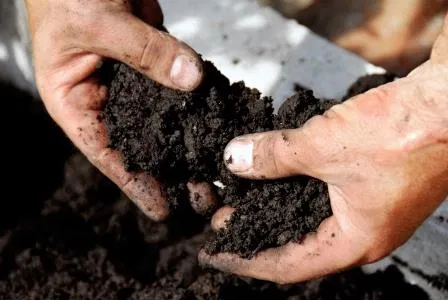
Let’s Get Your Soil Growing Again
The secrets are out of the archives and in your hands. Whether you are managing a backyard patio or a 500-acre farm, the principles remain the same: feed the biology, and the biology will feed the plants.
If you’re feeling overwhelmed or don’t know which "secret" to tackle first, reach out to us. We love talking dirt. Check out our Contact Page or explore our full range of products to start your restoration journey today.
What’s your biggest soil struggle? Drop a comment below or send us a message: we’d love to help you solve it!


