
Living Soil 101: Our Experts Answer the Top 15 FAQs About Soil Restoration
By Jeremy Standring
At Regen Soil, we believe that the foundation of all life on Earth begins beneath our feet. For too long, conventional agriculture has treated soil like a sterile sponge: a mere medium to hold roots while we pump in synthetic chemicals. We are here to change that narrative. Through regenerative agriculture, we are shifting the focus from "feeding the plant" to "feeding the system."
In this comprehensive guide, we tackle the most frequent questions we receive about living soil, soil restoration, and our proprietary Rhizo Logic® systems. Whether you are a backyard gardener or a large-scale commercial operator, understanding the biology of your land is the first step toward true sustainability.
The Science of the Rhizosphere
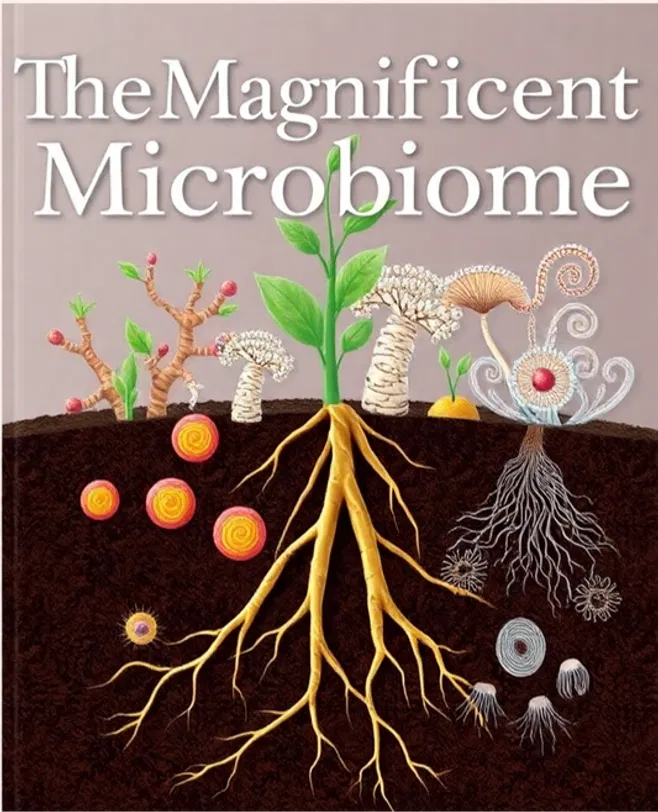
Before we dive into the FAQs, it is essential to define what we mean by "living soil." To us, living soil is an complex ecosystem teeming with bacteria, fungi, protozoa, nematodes, and micro-arthropods. This community: often called the Soil Food Web: performs the heavy lifting of nutrient cycling, carbon sequestration, and pest suppression.
When we talk about Rhizo Logic®, we are referring to our specialized living soil that has been pre-inoculated and balanced to jumpstart these biological processes. Complementing this is our Terrabiotics line, featuring Bio-boost, designed to recharge and maintain these microbial populations over time.
The Top 15 FAQs About Soil Restoration
1. What exactly is "living soil"?
Living soil is soil that functions as a self-sustaining ecosystem. Unlike inert media, it contains a diverse array of biology that actively decomposes organic matter and converts it into plant-available nutrients. In our Rhizo Logic™ Living Soil, we focus on high microbial populations that build soil structure and stable aggregates, ensuring your plants have access to a constant "buffet" of nutrition.
2. How is living soil different from conventional potting mix?
Conventional mixes are typically "sterile" (peat, perlite, and synthetic fertilizers). They provide a temporary home for roots but lack the biological engine to sustain life. Living soil utilizes high-quality compost, worm castings, and organic amendments. While conventional growers must constantly monitor pH and salt levels from liquid feeds, living soil growers rely on the microbes to buffer the environment and deliver nutrients naturally.
3. Why is living soil critical for soil restoration?
Restoration is the process of returning degraded, lifeless "dirt" to resilient, fertile soil. Living soil is the catalyst for this change. By reintroducing biology, we can:
- Rebuild Structure: Fungal hyphae and bacterial glues (glomalin) create pore spaces for air and water.
- Increase Carbon Storage: Biologically active soils sequester more atmospheric carbon.
- Boost Resilience: Plants grown in living systems are far better at resisting drought and disease.
4. Can I convert my existing garden soil into living soil?
Absolutely. We often tell our clients that restoration is better than replacement. The transition requires a focus on the RSI Method: adding high-quality organic matter, minimizing tillage, and keeping the soil covered. By applying Terrabiotics Bio-boost, you can rapidly inoculate native soil with the beneficial microbes needed to jumpstart the restoration process.
5. What’s a simple recipe for a basic living soil mix?
For those looking to start their own journey, we recommend a balanced "Base Mix":
- 33% Aeration: (Pumice, perlite, or rice hulls)
- 33% Water Retention: (Peat moss or coco coir)
-
33% Biology: (High-quality compost and worm castings)
To this, we add minerals like basalt rock dust and organic meals. If you'd rather skip the guesswork, our Living Soil Patio Pro Kit provides everything you need to get started immediately.
6. What does it mean to "cook" living soil?
"Cooking" is a term used to describe the maturation process. After mixing amendments into your soil, the microbes begin a feeding frenzy, breaking down complex materials. This process can generate heat. We recommend letting your soil "cook" or rest for 2 to 4 weeks before planting to ensure the nutrient cycle has stabilized and won't "burn" sensitive young roots.
7. How do I water living soil without causing compaction?
The goal is to maintain "field capacity": the soil should be damp like a wrung-out sponge, never saturated. Overwatering drowns aerobic microbes and invites pests like fungus gnats. We suggest the weight test: lift your container when dry and again when watered to learn the difference. For larger scales, we use digital sensors to monitor real-time moisture levels.
8. How long does living soil last?
Managed correctly, living soil never needs to be replaced; it actually improves with age. Unlike conventional media that is discarded after one season, Rhizo Logic® soil grows more complex and fertile over time. You only need to top-dress with fresh organic matter and microbial recharges between cycles.
9. How do I re-amend soil between crops?
Instead of tilling, we practice "top-dressing." After harvest, leave the old root systems in the ground: they are food for the fungi. Apply a thin layer of compost and a dose of Ultra Bio-boost Soil Recharge to replenish the microbial colonies. This ensures the next crop enters a high-energy environment.
10. Do I still need fertilizers in a living soil system?
You are not "feeding the plant"; you are maintaining the reservoir. We use slow-release organic amendments and minerals. If your plants show signs of high demand, we recommend gentle organic liquids like fish hydrolysate or seaweed. Avoid synthetic salts, as they can dehydrate and kill the very microbes you are trying to cultivate.
11. How can I tell if my soil is healthy?
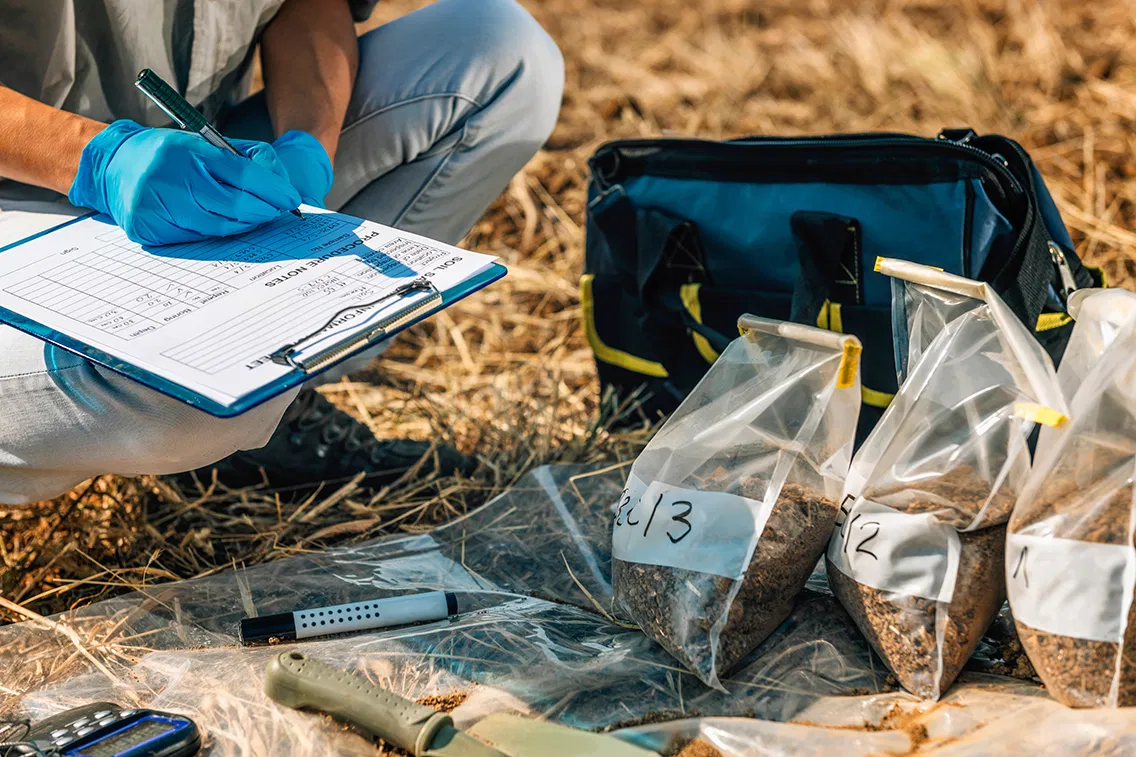
Use your senses. Healthy soil has a deep, earthy smell (geosmin), a dark color, and a crumbly, cottage-cheese-like texture. If you see earthworms and tiny, fast-moving arthropods, you are on the right track. For a technical deep dive, we offer an Initial Soil Health Assessment.
12. How do I handle pests like fungus gnats?
Pests are often a symptom of an imbalance, usually overwatering. By allowing the top inch of soil to dry out, you disrupt the gnat life cycle. In a healthy living system, predatory mites and beneficial nematodes (which we encourage through Terrabiotics applications) often keep gnat populations in check naturally.
13. Is living soil suitable for beginners?
Yes! In many ways, it is easier. Because the soil acts as a buffer, you don't need to be a chemist with a pH pen every time you water. If you provide the biology with a good home, they will manage the pH and nutrient delivery for you.
14. How does living soil reduce plant disease?
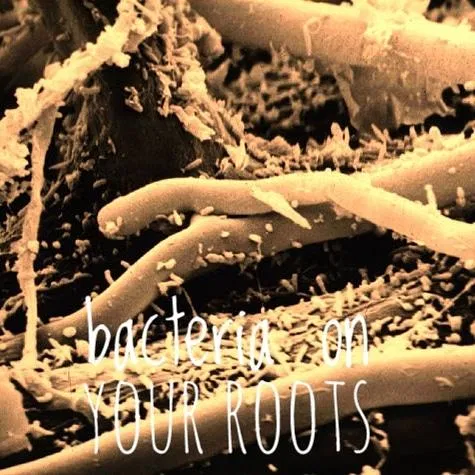
This is known as Induced Systemic Resistance (ISR). Beneficial microbes occupy the "real estate" around the roots, leaving no room for pathogens. Furthermore, certain fungi and bacteria actually "train" the plant's immune system to be more alert to threats.
15. What are the top mistakes to avoid?
The biggest mistake is impatience. Biology takes time to colonize. Second is over-tinkering: constantly adding products can disrupt the delicate balance. Finally, overwatering is the #1 killer of the microbial life we work so hard to build.
Systems-Thinking: For Every Grower
We categorize our approach based on the scale of the operation, ensuring that the Rhizo Logic® philosophy applies to everyone:
- For Beginners: Focus on observation. Start with a high-quality mix like our 5gal Living Soil and learn to read your plants' signals.
- For Experienced Growers: Dive into the "why." Utilize our Comprehensive Guide to Soil Microorganisms to fine-tune your microbial diversity.
- For Commercial Operations: We focus on Data-Driven Restoration. Our RSI Method combines lab analysis with field-scale microbial inoculation to reduce input costs and increase yields sustainably.
Success Story: The High-Desert Transition
We recently worked with a vineyard in a high-desert climate that was struggling with high salinity and compacted "dead" soil. By implementing a 12-month restoration plan involving cover cropping and heavy inoculations of Terrabiotics Bio-boost, we saw a 40% increase in water retention and a significant drop in vine mortality. This is the power of working with nature rather than against it.
Conclusion: Start Your Restoration Journey
Regenerating our planet's soil is the most important task of our generation. It starts with one pot, one garden bed, or one farm at a time. By choosing living soil, you are not just growing better plants: you are participating in a global movement toward health and harmony.
Do you have more questions about your specific soil conditions? We’d love to hear from you. Leave a comment below or contact our experts for a personalized consultation. Let's bring your soil back to life together.


