
Looking For USDA Funding? 10 Things You Should Know About EQIP and Regenerative Farming Practices
By Jeremy Standring
Let’s be real for a second: farming is expensive, and transitioning to regenerative practices can feel like a financial leap of faith. We all know that moving away from heavy synthetic inputs and toward a biological-first approach is the right move for long-term land health, but the "bridge" period, where you’re waiting for your soil biology to kick back into gear, can be tough on the checkbook.
That’s where the USDA’s Environmental Quality Incentives Program (EQIP) comes in. If you’ve been hanging around ag circles for more than five minutes, you’ve probably heard the acronym. But there’s a lot of noise out there about what it actually covers, especially with the recent influx of funding tied to "climate-smart" and regenerative agriculture.
At Regen Soil, we spend our days looking at microbial populations and nutrient cycling through our Initial Soil Health (ISH) Assessments, but we also know that the science doesn't matter if you can't afford the seed or the equipment to get started.
Here are 10 things you absolutely need to know about EQIP and the new landscape of regenerative farming funding.
1. The $700 Million Regenerative Pilot Program
For 2026, the game has changed. The USDA recently announced a massive $700 million pilot program specifically for regenerative agriculture. This isn't just "business as usual" at the NRCS (Natural Resources Conservation Service). Out of that pot, $400 million is being funneled directly through EQIP.
This is a huge win for growers who have historically felt that USDA programs were too focused on "check-the-box" conservation rather than true soil restoration. We are seeing a shift where the federal government is finally putting real money behind the systems-thinking approach we’ve been preaching for years.
2. The USDA’s Official Definition of "Regenerative"
One of the biggest hurdles in our industry has been the lack of a standardized definition for regenerative agriculture. In late 2025, the USDA stepped up. They now define it as "a conservation management approach that addresses natural resource concerns through soil health, water management, and biodiversity."
Why does this matter to you? Because it means the funding is tied to outcomes. They want to see soil restoration and improved sequestration capabilities. When you apply, you need to speak their language. Focus on how your plan improves the living ecosystem of your soil.
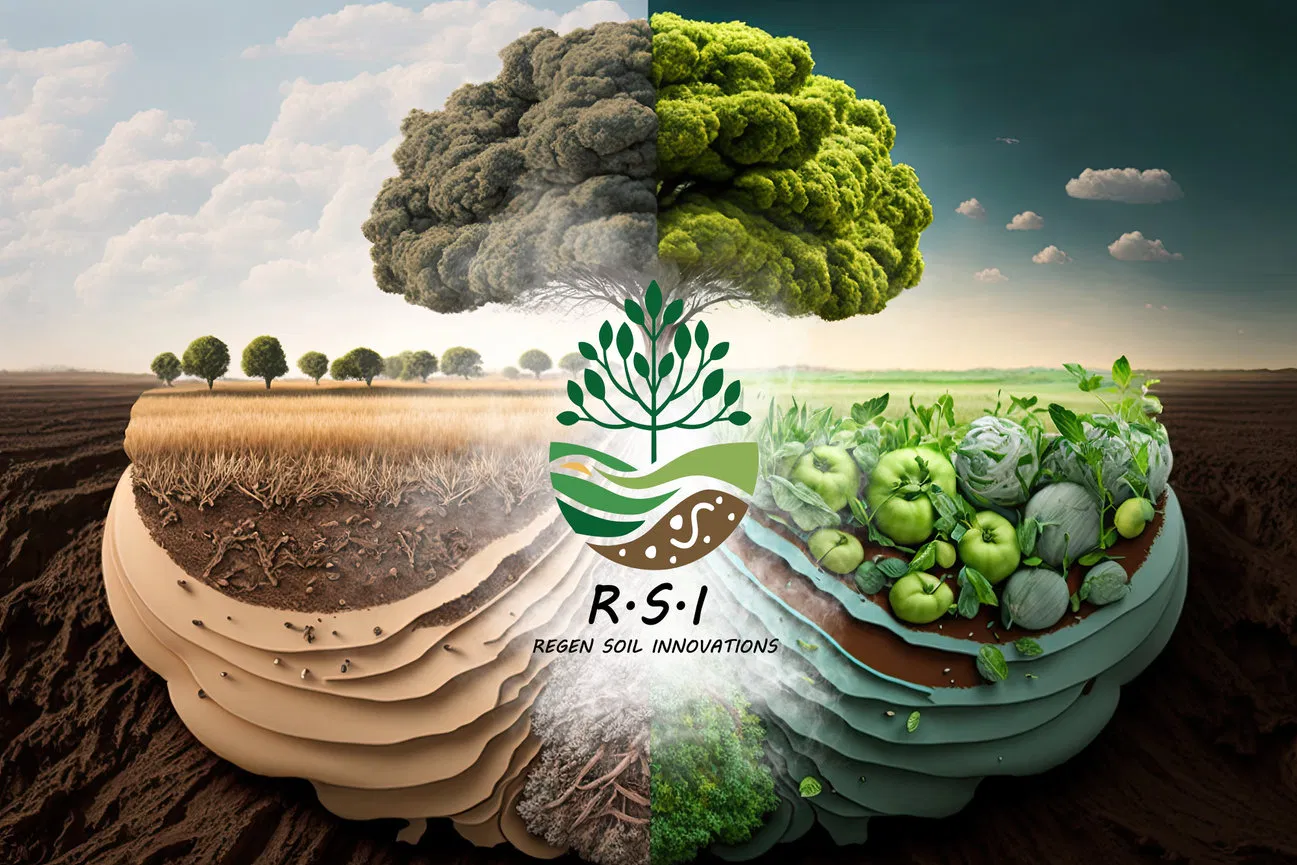
3. The "Sweet 17" Qualifying Practices
You don't have to guess what they want to fund. The USDA has identified 17 specific EQIP practices that they officially label as "regenerative." These include:
- Cover Crops: Building organic matter and keeping roots in the ground.
- Prescribed Grazing: Managing livestock to mimic natural patterns.
- No-Till/Residue Management: Protecting the soil surface and fungal networks.
- Nutrient Management: Precision application to prevent runoff.
- Mulching: Soil temperature control and moisture retention.
- Conservation Crop Rotation: Breaking pest cycles and diversifying biology.
If your plan includes these, you’re already halfway to a successful application.
4. The "One and Done" Application Process
Historically, if you wanted to do a whole-farm transition, you had to jump through ten different hoops for ten different programs. The 2026 pilot program has introduced a streamlined, single application.
This is a "no-BS" improvement. You can now apply for whole-farm planning that addresses soil, water, and biodiversity under one single conservation framework. It saves time, but more importantly, it allows the NRCS to see your farm as a single, interconnected system, just like we do during our RSI Method consultations.
5. Timing is Everything: The January 15th Batch
If you're reading this in the spring, you might be behind the curve for the first round, but it’s never too late to prep for the next. Applications submitted by January 15, 2026, were placed in the first funding batch. However, the NRCS accepts applications on a continuous basis.
The trick is to have your soil health data ready before you sit down with your local agent. Having a science-backed baseline makes your application significantly more competitive during the ranking process.
6. Priority for New and Beginning Farmers
If you’ve been farming for less than 10 years, or if you’re a veteran, there are specific set-asides for you. The USDA is under a lot of pressure to diversify who gets this money. In the past, large-scale industrial operations often gobbled up the lion's share of EQIP funds. The current mandate is to ensure that smaller, regenerative-focused operations, especially those just starting out, get a seat at the table.
7. Whole-Farm Assessments are Mandatory
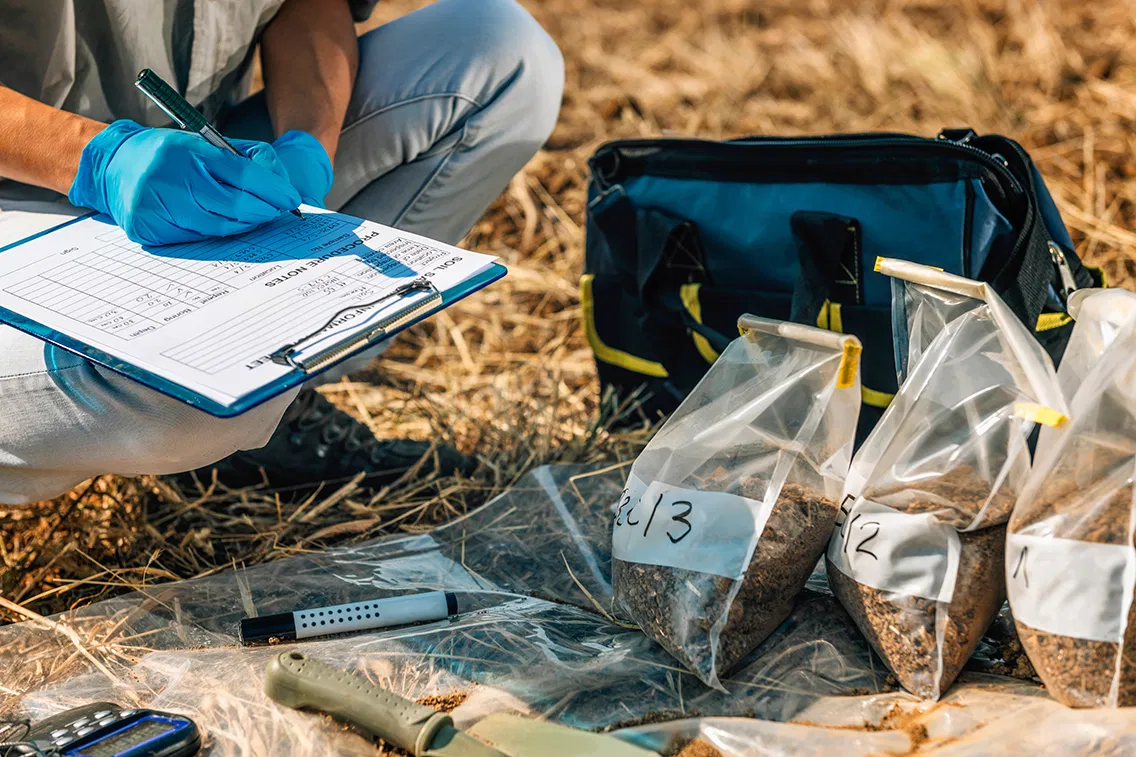
In FY2026, you can't just ask for money for a single fence line. To qualify for the regenerative pilot funds, you must conduct a whole-farm assessment.
This is where many growers get stuck, but it’s actually a blessing in disguise. It forces you to look at the "why" behind your issues. Are you seeing compaction because of equipment, or because your microbial populations are non-existent? By doing a full assessment, you ensure that the practices you get funded for are actually going to solve your problems long-term.
8. Technical Assistance is Part of the Deal
EQIP isn't just a check; it's also access to expertise. When you sign an EQIP contract, you gain access to NRCS technical assistance. They can help with engineering for irrigation or grazing plans.
However, keep in mind that NRCS staff are often spread thin. We recommend using their technical assistance for the "big iron" projects and partnering with private consultants like us at Regen Soil for the deep-dive biological work. We can help you integrate products like Rhizo Logic living soil solutions into your NRCS-approved plan to ensure those cover crops actually thrive.
9. Understanding the Ranking System
Applying doesn't guarantee funding. Every application is ranked based on the environmental benefits it provides. To boost your score:
- Focus on Soil Health: Highlighting practices that increase organic matter.
- Address Local Concerns: If your county has water quality issues, emphasize how your nutrient management will help.
- Be Ready to Move: Projects that are "shovel-ready" (meaning you have the data and the plan ready to go) always rank higher.
10. You Must Comply with "Highly Erodible Land" Rules
This is the "fine print" that bites people. To receive any USDA funding, you must be in compliance with highly erodible land and wetland conservation provisions. If you’ve recently cleared land or drained a wet spot without consulting the NRCS, you might be ineligible. Always check your compliance status before spending hours on an application.
Deep Dive: Why Biology Matters for Your Application
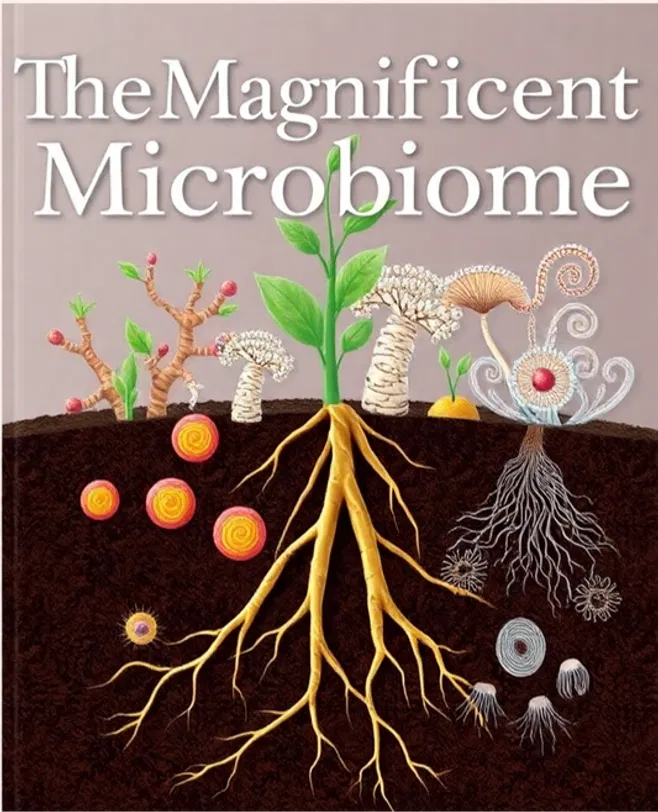
The NRCS is increasingly focused on the soil microbiome. They want to see that the practices they fund are actually building a living ecosystem. When we talk about sequestration, we aren't just talking about carbon in a vacuum; we are talking about the relationship between plant roots and fungi.
For Experienced Growers, this is an opportunity to get the government to pay for the transition to high-quality biological amendments. While EQIP might pay for the cover crop seed, you can use those savings to invest in high-end microbial stimulants like Bio-boost (a Terrabiotics powerhouse) to ensure that the seed you just planted actually performs.
For Beginners, EQIP provides the safety net needed to stop tilling and start building. By utilizing a science-backed restoration strategy, you’re not just following a government mandate, you’re building an asset that will pay dividends for decades.
FAQ: Common EQIP Hurdles
Q: Does EQIP pay for the full cost of the practice? A: Usually, no. It’s a cost-share program. It typically covers 50% to 75% of the estimated cost, though beginning or socially disadvantaged farmers can get up to 90%.
Q: Can I get EQIP if I’m already doing regenerative practices? A: EQIP is for new practices. If you’ve been no-tilling for 20 years, they won’t pay you to keep doing it. However, they will pay you to add a new component, like multi-species cover crops or advanced nutrient management, to your existing system.
Q: Is it worth the paperwork? A: If you’re looking at a large-scale transition, yes. The paperwork has been simplified for the 2026 pilot, and the financial "de-risking" is invaluable.
Let’s Get Your Soil Ready for the Application
The best way to win a USDA grant is to prove you know exactly what your soil needs. Our Initial Soil Health (ISH) Assessment gives you the hard data you need to show the NRCS that your farm is the perfect candidate for regenerative funding.
Ready to stop guessing and start growing? Contact us today and let’s build a restoration plan that gets results: and maybe even gets paid for by the USDA.
What’s your experience been with EQIP? Drop a comment below or reach out to Jeremy directly to talk shop about your latest soil test results!


