
5 Steps How to Use Regenerative Organic Living Systems and Restore Topsoil (Easy Guide for Gardeners)
By Jeremy Standring
Let’s be honest: most modern gardening advice is basically just "plant-sitting." We’ve been taught to buy a bag of sterile dirt, stick a plant in it, and then dump synthetic blue liquid on it every two weeks until it grows. But if you’re reading this, you probably realized that your "supermarket salad is basically just crunchy water" (as we like to say) because the soil it grew in was functionally dead.
At Regen Soil, we don’t just grow plants; we cultivate ecosystems. If you want to move beyond the cycle of "killing bugs and feeding chemicals," you need to understand regenerative organic living systems. We aren't just looking for green leaves; we are looking for the restoration of the most precious resource on the planet: topsoil.
Restoring topsoil isn’t a mystery, and it doesn't require a PhD in soil science, though we’ve done that heavy lifting for you. It requires a shift in perspective from chemistry to biology. Here is our 5-step guide to transforming your garden into a thriving, carbon-sequestering, nutrient-dense powerhouse using the principles of Rhizo Logic®.
Step 1: Put Down the Rototiller (Minimize Soil Disturbance)
The first rule of soil restoration is a tough one for traditional gardeners: stop digging. We have found that mechanical disturbance, like tilling or heavy digging, is essentially a microbial earthquake.
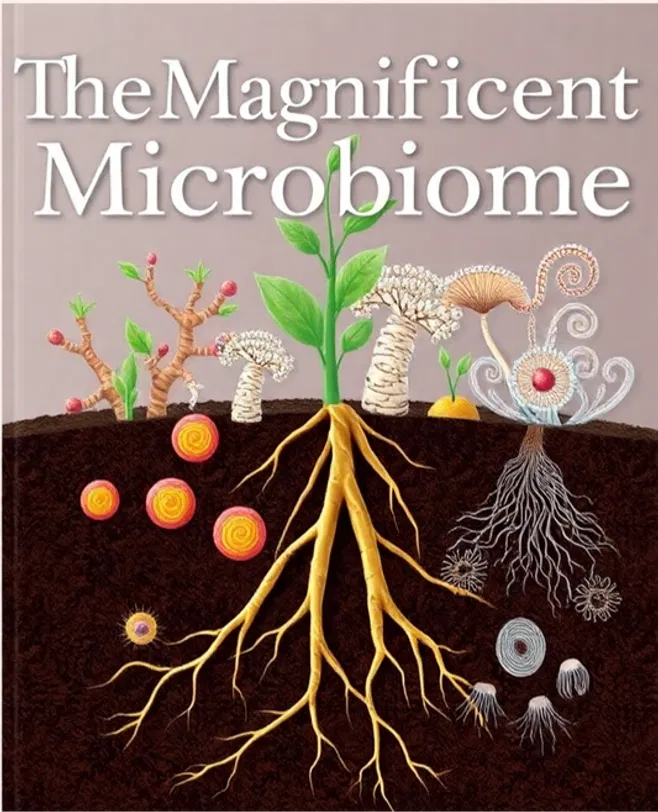
When you flip the soil, you destroy the delicate fungal hyphae (the "internet" of the soil) and expose anaerobic microbes to oxygen, which causes them to burn through organic matter at an unsustainable rate. This leads to soil compaction and a loss of structure.
Why No-Till Works:
- Protects the Fungal Network: Mycorrhizal fungi form symbiotic relationships with roots. Tilling severs these connections.
- Prevents Carbon Loss: When soil is turned, stored carbon reacts with oxygen and is released as CO2. We want that carbon in the ground, not the atmosphere.
- Maintains Pore Space: Healthy soil needs "lungs", tiny pockets for air and water. Tilling collapses these pockets, leading to that "hard-as-a-brick" dirt we all dread.
Step 2: Armor Your Soil (The Living Skin)
Nature hates being naked. If you see bare dirt in nature, it’s usually a sign of a disaster. In a regenerative agriculture system, we maintain "Soil Armor" at all times. This means keeping the soil surface covered with either living plants or organic mulch.
We recommend using a high-quality compost or a thick layer of straw and leaves. This "armor" acts as a thermal blanket, keeping the soil cool in the summer and warm in the winter. More importantly, it provides a habitat for the "shredders", the insects and microbes that break down organic material into plant-available nutrients.
If you are just starting out, our Ultimate Guide to Living Soil goes into deep detail on how to set up your first living system without the typical "newbie" mistakes.
Step 3: Keep a Living Root in the Ground (The Underground Economy)
This is the secret sauce of Rhizo Logic®. Most gardeners pull everything out in the fall and leave the beds empty until spring. This is a mistake.
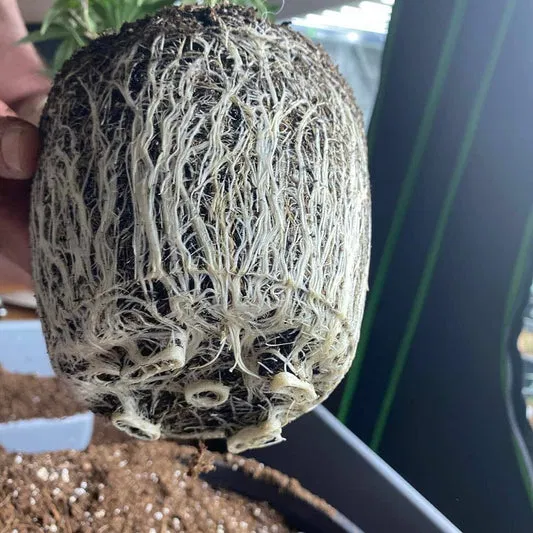
Plants are more than just food for us; they are the primary energy source for the soil microbiome. Through a process called photosynthesis, plants take sunlight and turn it into carbon-based sugars. They then pump up to 40% of those sugars out through their roots as "exudates."
Think of exudates as "microbial milkshakes." The plant is literally hiring bacteria and fungi to bring it nutrients in exchange for sugar. If you don't have a living root in the ground, the "staff" (your microbes) will starve and leave.
For Beginners: Use cover crops like clover or cereal rye during the off-season.
For Experienced Growers: Transition to a perennial-heavy system or intercrop your vegetables so there is never a "dead zone" in your garden.

Step 4: Maximize Biodiversity (Build a Resilient Web)
Monocultures are fragile. If you only grow tomatoes, you are inviting every tomato-loving pest in the tri-state area to a buffet. In a regenerative organic living system, we embrace chaos, or rather, organized diversity.
By planting a variety of species, you are supporting a wider range of microbial populations. Different plants attract different microbes. For instance, legumes fix nitrogen, while deep-taproot plants like dandelions pull minerals from the subsoil.
The Three Musketeers of Your Garden
We often talk about the "Underground Economy" run by protozoa, bacteria, and fungi. To get these guys working for you, you need a diverse diet of root exudates. You can learn more about how these microscopic architects build your soil in our Technical Deep Dive on Protozoa.
Step 5: Inoculate and Stimulate with Rhizo Logic®
Sometimes, your soil is so degraded that it needs a jumpstart. If you are starting with "sterile sand" or heavy clay, simply planting a seed isn't enough. You need to reintroduce the biology that has been lost.
This is where Rhizo Logic® comes in. Our proprietary microbial products are designed to re-colonize the rhizosphere with the specific beneficial organisms that drive nutrient cycling and soil restoration. We aren't just adding fertilizer; we are adding the "workers" who make the fertilizer work.
The Rhizo Logic® Advantage:
- Microbial Diversity: We don't just use one or two strains; we provide a complex community of organisms.
- Bio-Availability: Our systems ensure that nutrients are locked in the "biological bank" and only released when the plant asks for them.
- Resilience: Plants grown in living soil are naturally more resistant to pests and drought.
Deep Dive: The Science of Soil Restoration
Why does this work? It’s all about nutrient cycling. In a conventional system, you provide N-P-K (Nitrogen, Phosphorus, Potassium) in a salt form. The plant has no choice but to suck it up, which often leads to "water-bloated" cells that are magnets for pests.
In a living soil system, the plant is in the driver's seat. If it needs phosphorus, it sends out a chemical signal (a specific sugar) to mycorrhizal fungi. The fungi then go out, mine the phosphorus from the soil particles, and deliver it to the root. This "on-demand" system results in plants with higher secondary metabolites, the stuff that makes your food actually taste like food and provides the medicinal qualities we need.
Beginner vs. Experienced: Where Do You Fit?
For the Beginner Gardener
If this all sounds a bit overwhelming, don't sweat it. You don't need a lab coat to start. We recommend starting with a Full Living Soil Patio Kit. It’s designed to be a "plug-and-play" version of these complex systems. You get the soil, the microbes, and the guidance all in one go.
For the Experienced Grower
If you’ve been at this a while, it’s time to look at the data. We suggest an Initial Soil Health Assessment. We can analyze your current microbial populations and tell you exactly what’s missing. Are your fungal-to-bacterial ratios off? Do you have enough protozoa to keep the nitrogen cycle moving? We can help you fine-tune your system for maximum output.
FAQ: Common Obstacles to Soil Restoration
Q: Does regenerative gardening take longer to see results?
A: Actually, no. While it takes time to build inches of topsoil, you will see a massive difference in plant health and water retention within the first season of using Rhizo Logic® products.
Q: Can I do this in containers or on a patio?
A: Absolutely. In fact, container gardening is one of the best ways to master living soil because you have total control over the environment. Check out our Patio Gardening Guide for more.
Q: What about pests? If I don’t use chemicals, won’t bugs eat everything?
A: A healthy plant is a hard target. Pests are nature's "garbage collectors": they are designed to take out weak, nutrient-deficient plants. When you grow in a regenerative system, your plants develop thicker cell walls and higher sugar content (Brix), which many pests literally cannot digest.
Summary Checklist for Your Garden
- Stop Tilling: Let the microbes build their homes in peace.
- Cover Up: Use mulch or living plants to protect the soil surface.
- Diversify: Plant as many different species as possible.
- Stay Green: Keep living roots in the ground year-round.
- Inoculate: Use Rhizo Logic® to ensure the right biology is present.
Restoring the earth starts in your own backyard. Whether you have 100 acres or a 5-gallon fabric pot on a balcony, you have the power to reverse soil degradation and grow food that is truly nourishing.
If you're ready to stop "dirt-sitting" and start "soil-building," check out our latest collections or drop a comment below. We love talking shop (and dirt). Let's grow something real.


