
Sand to Soil Part 7: Feeding the System, The Case for Balanced Organic N–P–K
By Jeremy Standring
At this stage in our journey, we have successfully taken a five-gallon Rhizo Logic® cloth pot filled with nothing but dead garden sand and transformed it into a burgeoning ecosystem. We started by adding structure through microbe-rich compost, jump-started the biological activity with compost tea, and established the "biological engine" by planting a legume cover crop.
However, even the most robust microbial community needs a baseline of raw materials to build with. In a small-volume container, especially one that started as nutrient-void sand, we cannot always rely solely on the slow breakdown of organic matter to meet the immediate demands of growing plants. This is where Step 4 of our remediation plan comes in: supporting the system with a certified organic N–P–K fertilizer.
In this deep dive, we are exploring why we supplement, the science behind the "Big Three" nutrients, and why our approach is about supporting the soil-plant partnership rather than force-feeding a chemical cocktail.
The Soil-Plant Partnership: Support vs. Force-Feeding
In conventional agriculture, the goal of fertilization is often "direct feeding." You pour synthetic, water-soluble salts into the soil, the plant is forced to take them up with water, and you get a quick spike in growth. The problem? This bypasses the plant’s natural relationship with soil microbiology. When a plant is force-fed, it stops producing the root exudates (sugars and proteins) that feed beneficial bacteria and fungi. Over time, the soil life starves, and you become trapped in a cycle of chemical dependency.
At Regen Soil, we take a different path. We use organic inputs to support the system. By providing a balanced, slow-release organic N–P–K, we ensure that there are enough nutrients available for the legume cover crop to flourish and for the microbes to cycle. We aren't replacing the biology; we are giving it the tools it needs to do its job.
Understanding the "Big Three": N, P, and K
To manage a living soil system effectively, we must understand what we are actually putting into the pot.
- Nitrogen (N): Often called the "engine of growth," nitrogen is a primary component of chlorophyll and proteins. In our sandy soil mix, nitrogen is the most likely element to leach out. While our legume cover crop will eventually fix nitrogen from the atmosphere, a small organic boost early on ensures the seedlings don't stall.
- Phosphorus (P): Phosphorus is all about energy transfer (ATP) and root development. In a newly remediated soil, phosphorus is critical for helping those legume roots push deep into the sand-compost mix. It also plays a vital role in the formation of DNA and cell membranes.
- Potassium (K): Potassium acts as the "regulator." It controls the opening and closing of stomata (the plant's breathing pores), regulates water pressure within cells, and strengthens the plant's immune system. In sandy soils, which are prone to rapid temperature and moisture swings, potassium is essential for stress tolerance.
Why Organic is the Only Way for Living Soil
When we talk about "organic" N–P–K, we aren't just using a buzzword. There is a fundamental chemical and biological difference between organic and synthetic fertilizers that dictates the health of your Rhizo Logic® container.
The Biological "Gatekeeper"
Synthetic fertilizers are usually high-salt, water-soluble ions. When they hit the soil, they are immediately available. This might sound good, but in a sandy soil with low Cation Exchange Capacity (CEC), these nutrients often wash straight through the pot and into the environment. Furthermore, the high salt content can dehydrate and kill the very microbes we worked so hard to introduce in Episode 5.
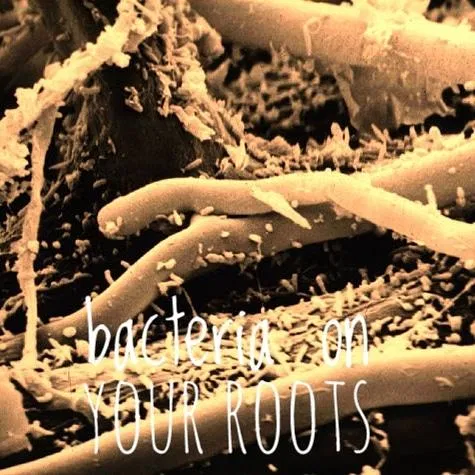
Organic fertilizers, on the other hand, are bound in complex organic molecules. They aren't immediately available to the plant. Instead, soil microbiology must act as the middleman. Bacteria and fungi "mineralize" these organic forms, breaking them down into plant-available ions at a rate the system can handle. This creates a slow-release mechanism that prevents nutrient burn and encourages a thriving microbial population.
Building the "Soil Bank"
Organic fertilizers often come with secondary benefits: trace minerals, amino acids, and organic carbon. Every time we add an organic amendment, we are adding to the "carbon bank" of the soil. This carbon provides additional habitat and food for fungi, helping to shift the fungal-to-bacterial ratio in the right direction.
The "Less is More" Approach in Small Containers
One of the biggest mistakes growers make when transitioning to organic systems is over-application. Because organic fertilizers are perceived as "safe," people tend to dump them on. However, in a 5-gallon container, the margins for error are slim.
In our sandy soil remediation project, we use a conservative application rate. We follow the label for container plants but lean toward the lower end of the recommendation. Why?
- Limited Volume: A 5-gallon pot has limited room for error. If you over-apply, you can't easily "flush" organic nutrients out without washing away your biology.
- Existing Fertility: We already added nutrient-dense compost. We don't want to overwhelm the young legume seedlings.
- Encouraging Partnerships: If we provide too much phosphorus, for example, the plants may refuse to form partnerships with mycorrhizal fungi, which are essential for long-term health.
Monitoring Success with EC (Electrical Conductivity)
How do we know if we've added too much or too little? We don't guess, we measure. This is where our data-driven RSI Method comes into play. We use the Bluelab Pulse to monitor Electrical Conductivity (EC).
EC measures the total dissolved salts in the soil solution. Since nutrients are technically salts (in the chemical sense), EC gives us a snapshot of nutrient availability.
- Low EC: If our EC remains as low as the original dead sand, it means our biology isn't cycling nutrients effectively, or we haven't provided enough raw material.
- High EC: If the EC spikes too high after fertilizing, we run the risk of "burning" the roots and killing the microbes. High salt levels draw water out of living cells through osmosis.
By tracking EC, we can ensure we stay in the "Goldilocks Zone", enough nutrients to support growth, but not so much that we disrupt the delicate biological balance.

Step-by-Step: Applying Your Organic Support
When it’s time to feed the system in your Rhizo Logic® pot, follow this process to ensure maximum benefit for both plants and microbes:
- Clear a Space: If your legume cover crop is already thick, gently move the foliage aside so you can see the soil surface.
- Measure Accurately: Use a dedicated scoop. For a 5-gallon pot, we typically start with 1–2 tablespoons of a balanced organic granular fertilizer.
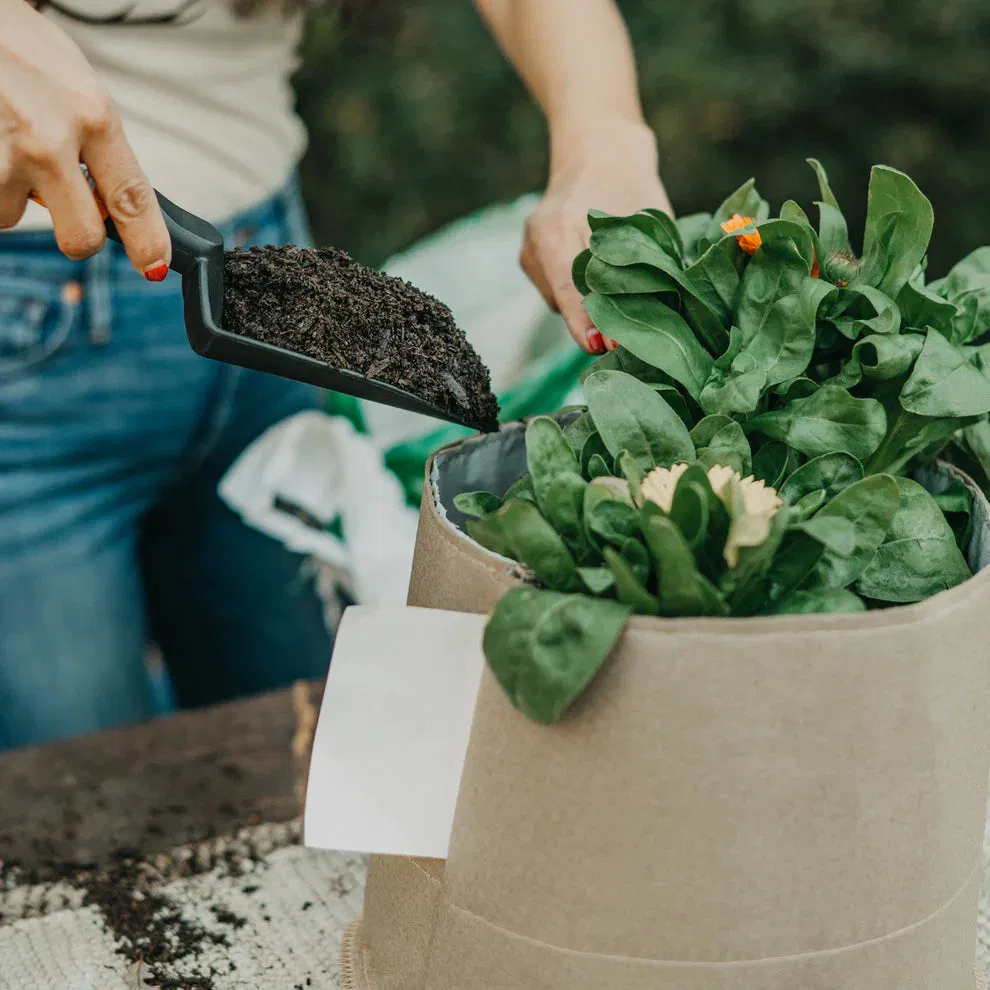
- Top-Dress and Incorporate: Sprinkle the granules evenly across the surface. Use your fingers or a small hand tool to lightly scratch the fertilizer into the top half-inch of the soil. This prevents the "crusting" that can happen with some organic meals and gets the nutrients closer to the microbes.
- Water it In: Use a gentle watering can to settle the soil. This "activates" the fertilizer, allowing the microbes to begin the mineralization process.
- Check Your Data: After watering, wait about 30 minutes, then take an EC reading with your Bluelab Pulse. This establishes your new baseline.
Conclusion: The Foundation is Set
With the addition of balanced organic N–P–K, our remediation "map" is complete. We have addressed the physical structure, the biological inoculation, the living energy source (roots), and the nutrient fuel.
We are no longer looking at a pot of "dead sand." We are looking at a living soil system that is learning how to feed itself. In our next episode, we will perform our first major progress check using the MicroBIOMETER to see exactly how much our microbial biomass has grown since we started.
Frequently Asked Questions
Q: Can I use liquid organic fertilizers instead of granular?
A: Yes, liquid organics are great for a quick boost because they are often more "pre-digested" by microbes. However, for a long-term remediation project, granular top-dressing provides a more sustained release that mimics natural nutrient cycling.
Q: Why do my organic fertilizers smell?
A: Many organic fertilizers use ingredients like fish meal or bone meal. The scent is actually a sign of biological potential! However, if you work them into the soil surface and water them in, the smell usually dissipates quickly.
Q: How often should I fertilize?
A: This depends on your EC readings. In a living soil system, the goal is to fertilize less over time as the biology becomes more efficient. Start with a light application and let your plants (and your sensor) tell you when they need more.
Q: Is it possible to build a living soil without any added fertilizer?
A: In a large-scale field with high-quality compost and diverse cover crops, yes. But in a small 5-gallon container of pure sand, we are fighting against limited volume and high leaching. A small amount of organic support ensures the system doesn't "starve" before it gets established.
Stay tuned for Episode 8, where we put our work to the test and see if we have truly brought this sand back to life!
Want to learn more about the tools we use? Check out our Initial Soil Health Assessment or browse our blog for more deep dives into the world of regenerative agriculture.


