5 Steps How to Build a "Soil Archive" and Restore Your Land (Easy Guide for Gardeners)
By Jeremy Standring
Let’s be honest: most people look at a backyard and see "dirt." At Regen Soil, we see a history book: or better yet, a biological bank account. If you’ve been following our journey into regenerative agriculture at home, you know that the secret to a thriving garden isn't a bag of synthetic N-P-K from a big-box store. It’s about the life beneath your fingernails.
Building a "Soil Archive" sounds fancy, maybe even a bit like something a scientist in a lab coat would do. But for the home gardener, a soil archive is simply a systematic way to document, store, and understand the evolution of your land. It’s your roadmap from "dead dust" to a "living ecosystem."
In this guide, we’re going to walk you through the five essential steps to archiving your soil and restoring your land using living systems. Whether you’re a beginner with a single raised bed or a commercial grower looking to scale, these principles remain the same.
What is a Soil Archive and Why Do You Need One?
In the scientific community, a soil archive is a physical collection of soil samples stored for long-term research. For us regenerative rebels, it’s a living record. By keeping physical samples and data points of your soil at different stages of restoration, you can literally see (and smell) the progress of your microbial populations.
When you use products like Rhizo Logic® Living Soil, you aren't just adding "stuff" to the ground; you are inoculating a system. An archive allows you to prove that the rhizosphere: the area around plant roots: is actually getting healthier over time.
Step 1: Establish Your Baseline (The "Snapshot")
You can’t know where you’re going if you don’t know where you started. Most suburban backyards are what we call "disturbed sites." Years of construction, heavy machinery, and chemical fertilizers leave the soil compacted and biologically vacant.
The Process:
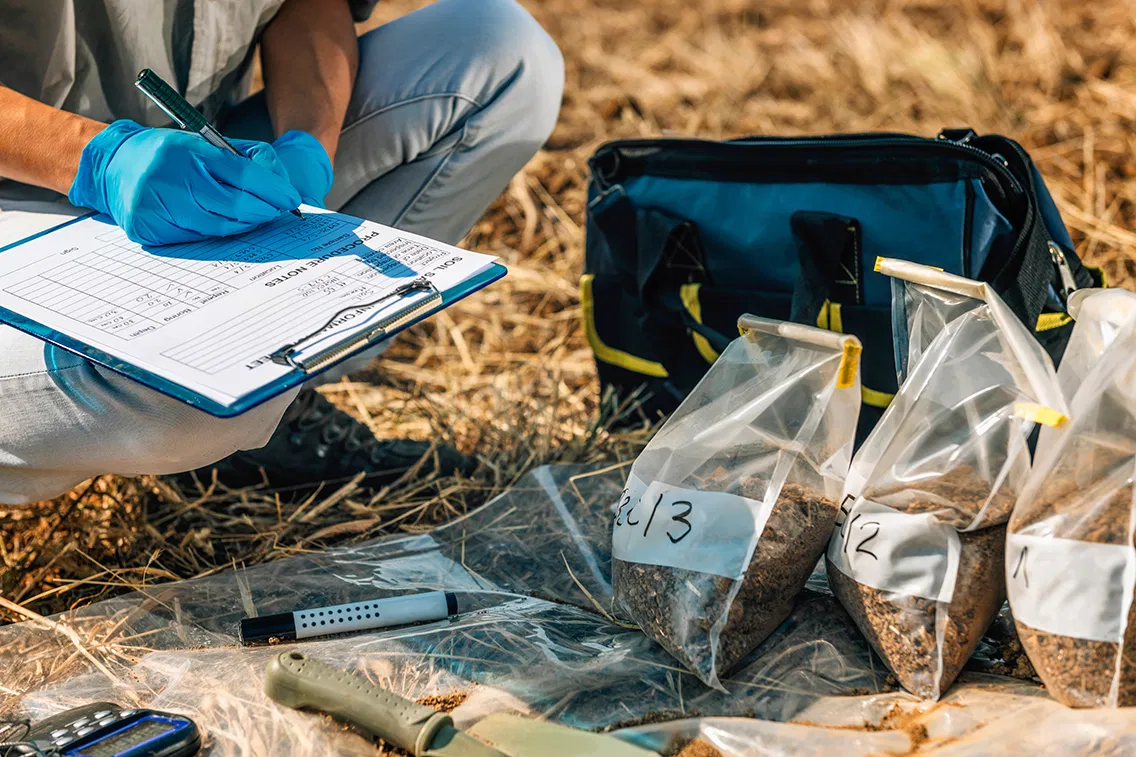
Before you add a single drop of amendment, take a sample. Use a clean trowel to dig about 6-8 inches deep in several spots across your garden. Mix them in a clean bucket. This is your "Year Zero" sample.
Pro Tip for Beginners: Look at the color. Is it pale and crumbly? That’s a sign of low organic matter. Is it hard as a rock? That’s compaction. We recommend our Initial Soil Health (ISH) Assessment to get a professional look at what’s actually happening under the hood.
Step 2: Documentation & The "Smell Test"
A true archive isn't just a bag of dirt in the garage; it’s the data that goes with it. We want you to document the organoleptic properties: that’s a fancy word for what your senses tell you.
- Labeling: Use a permanent marker on a heavy-duty freezer bag. Record the date, the location in your yard, and what was growing there.
- The Smell Test: Healthy soil should smell like a damp forest floor (thanks to actinomycetes bacteria). If it smells like rotten eggs or nothing at all, your biology is out of whack.
- The Texture: Does it feel like sand, silt, or clay? Regenerative practices aim to build "aggregates": little clumps of soil held together by microbial glues like glomalin.
By keeping a log, you create a "ledger" of your land’s health. If you’re an Experienced Grower, this is where you track your nutrient cycling efficiency.
Step 3: Implement the "Living Soil" Transition
Now that you have your archive started, it’s time to actually restore the land. This is the "active" part of the archive. In regenerative organic living systems, we don't "feed the plant"; we feed the soil.
We utilize the RSI Method (Regen Soil Innovations) to kickstart this process. Instead of harsh tilling: which acts like a hurricane to a microbial city: we recommend top-dressing with high-quality organic matter and inoculating with diverse biology.
The Rhizo Logic® Advantage:
Our Rhizo Logic® Living Soil is designed to be a "plug-and-play" solution for restoration. It’s packed with the fungi and bacteria necessary to restart the soil microbiome.

Deep Dive: Why Biology Matters
Plants and microbes have a "quid pro quo" relationship. Plants pump out carbon-rich sugars (exudates) through their roots to attract specific bacteria and fungi. In exchange, these microbes mine the soil for minerals the plant can't reach. When you build an archive, you’re documenting the return of this ancient partnership.
Step 4: Storage and Maintenance of Your Samples
If you want your archive to last, you have to store it correctly. You aren't trying to keep the microbes alive in the bag (that’s what the garden is for); you’re preserving the physical state of the soil at that moment in time.
- Air Dry: Before sealing your archive sample, spread it out on a tray in a shaded area for 24-48 hours. This prevents mold and "off-gassing" in the bag.
- Cool and Dark: Store your bags in a plastic bin in a basement or garage. Avoid direct sunlight, which can degrade the organic compounds.
- Consistency: Take a new "archive" sample every year at the same time (Spring is usually best) to see the year-over-year carbon sequestration and structural improvement.

Step 5: Comparative Analysis (The Evolution)
This is the most rewarding step. After a year of using regenerative practices: like keeping the soil covered with mulch, avoiding chemicals, and using Ultra Bio Boost Soil Recharge (a fantastic Terrabiotics product to keep the momentum going): pull out your Year Zero bag.
Compare the Two:
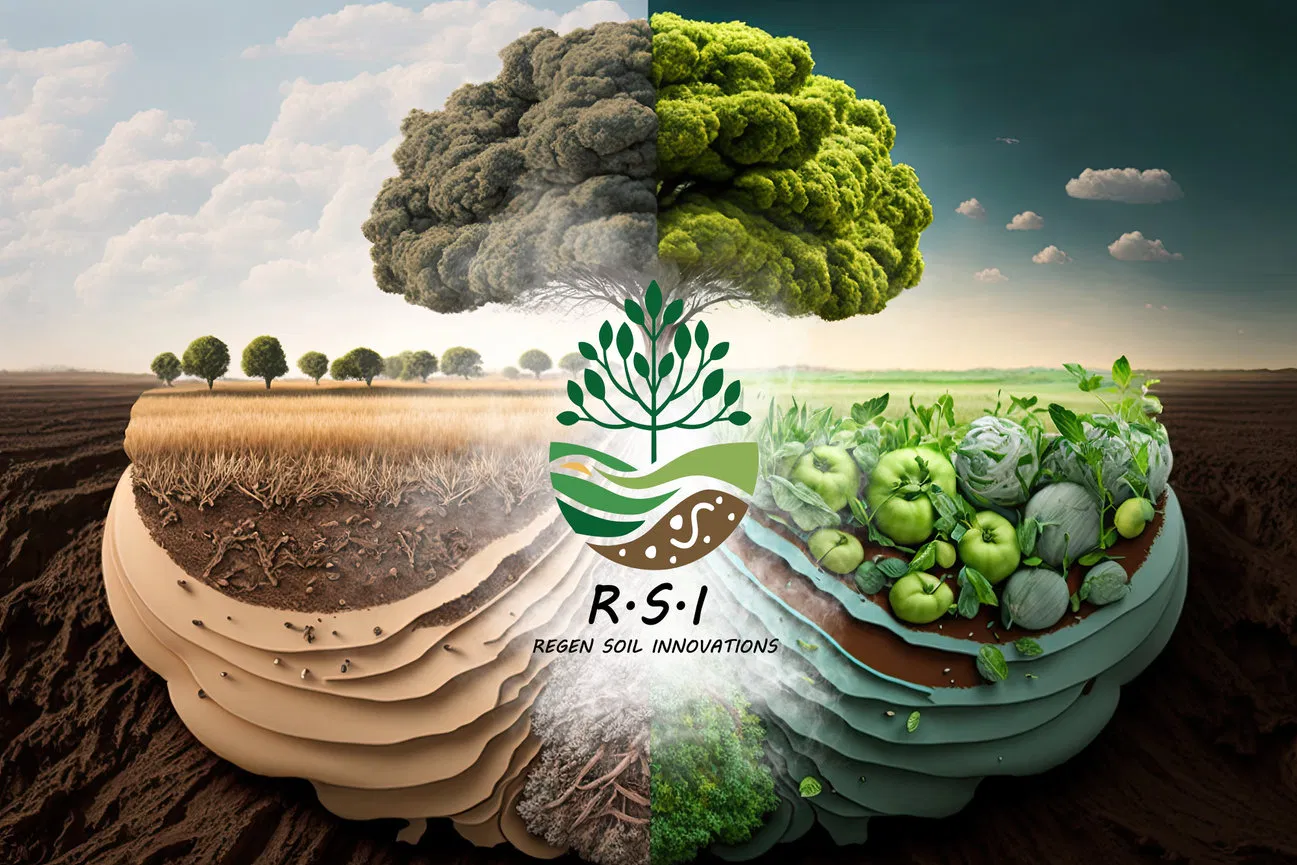
- Color: Your new soil should be significantly darker (more carbon!).
- Structure: Put a clump of each in a glass of water. Does the old soil dissolve immediately? Does the new soil hold its shape? This is the "Slake Test," and it proves your microbes are building a stable home.
- Root Health: Dig up a weed (or a spent vegetable plant). In restored soil, the roots should be covered in a "Rhizosheath": a thick coating of soil clinging to the roots. This is Rhizo Logic® in action.
Tailoring Your Archive to Your Needs
For Beginners
Don't get overwhelmed by the science. Focus on the visual changes. If your soil goes from light brown to dark chocolate, you’re winning. Start with a Living Soil Patio Pro Kit to see how controlled restoration works on a small scale.
For Experienced Growers
Start tracking specific metrics. Are your BRIX levels (sugar content in plants) rising as your soil archive improves? This is a direct correlation to nutrient density.
For Commercial Operations
A soil archive is your "Proof of Concept" for sustainability audits or organic certification. It shows a clear trajectory of soil restoration and land stewardship that can increase the value of your operation.
Frequently Asked Questions (FAQ)
Q: Can I use a regular soil test instead of a "soil archive"?
A: A lab test tells you the chemistry (NPK), but it doesn’t show you the physical and biological transformation. The archive is a visual and tactile record that complements lab data. We recommend doing both!
Q: How often should I add Rhizo Logic® to my soil?
A: Think of it as a probiotic. You want to establish the colony first, then "feed" it with organic matter. Most gardeners see massive shifts by doing a primary inoculation at the start of the season.
Q: What if my archive shows no change?
A: This usually means the biology is being suppressed. Check for "hidden" killers: chlorinated water, synthetic pesticides, or over-tilling. Even the best microbes can't work in a toxic environment.
Q: Is "Bio-Boost" the same as "Rhizo Logic"?
A: Great question! No. Rhizo Logic® is our brand for Living Soil products (the "house" for the microbes). Ultra Bio Boost is a Terrabiotics product used to recharge and stimulate that biology. They work together but serve different roles in the ecosystem.
Ready to Restore Your Land?
Building a soil archive is about more than just gardening; it’s about taking responsibility for the tiny piece of Earth you manage. By documenting your progress, you become a scientist in your own backyard, proving that regenerative agriculture isn't just a buzzword: it’s a solution.
If you’re ready to turn your "Year Zero" dirt into a thriving ecosystem, check out our full range of Rhizo Logic® products and let’s start building your archive together.
Have you ever compared your soil year-over-year? Tell us what changes you noticed in the comments below, or contact us for a personalized soil health strategy!