
Why Switching to Living Soil Systems Will Change the Way You Garden Forever
By Jeremy Standring
Most gardeners don’t fail because they “don’t have a green thumb.” They fail because they’re stuck in a loop where soil is treated like a sterile substrate, a lifeless sponge we force-feed with bottled nutrients, then toss when it stops behaving.
Living soil systems flip that script. They turn your garden into a self-regulating ecosystem that gets better over time instead of burning out. Once you experience plants that feed themselves (with a little help), resist stress more reliably, and produce better quality harvests… going back feels like cooking every meal with a microwave and calling it “fine dining.”
Let’s break down what actually changes, biologically, practically, and mentally, when you switch to living soil.
Living Soil 101: What “Living” Actually Means (No, It’s Not a Vibe)
Living soil is soil managed as a functioning ecosystem, where microbial populations (bacteria, fungi, protozoa, nematodes, and friends) drive nutrient cycling and plant resilience.
Instead of you acting as the nutrient delivery service, the soil food web does the heavy lifting:
- Decomposers break down organic matter into plant-available forms
- Fungi (especially mycorrhizae) extend root access to water and minerals
- Protozoa and nematodes “graze” microbes and release nutrients in plant-ready pulses
- Stable aggregates (crumbly structure) improve air exchange, moisture holding, and root penetration
In short: living soil isn’t “dirt with compost.” It’s a biological engine.
If you want the Regen Soil lens on this whole approach, our foundation is the RSI Method: https://www.regensoil.org/rsi-method
The Forever Change: You Stop Growing In Soil and Start Growing With It
Here’s the moment it clicks for most folks: living soil isn’t about chasing perfect inputs. It’s about building a stable system.
What shifts in your day-to-day
- You water more intentionally (less “panic watering,” more consistency)
- You feed the soil occasionally rather than spoon-feeding the plant constantly
- You stop resetting your grow every cycle because the soil improves through reuse
- You make fewer emergency corrections, because biology buffers mistakes
That buffering is a big deal. A mature soil food web has redundancy, multiple organisms doing similar jobs, so when conditions swing, the system doesn’t collapse.
Deep Dive: Why Living Soil Produces Better Plants (The Soil Food Web in Action)
If you only remember one concept, make it this:
Plants don’t “eat” fertilizer. They trade.
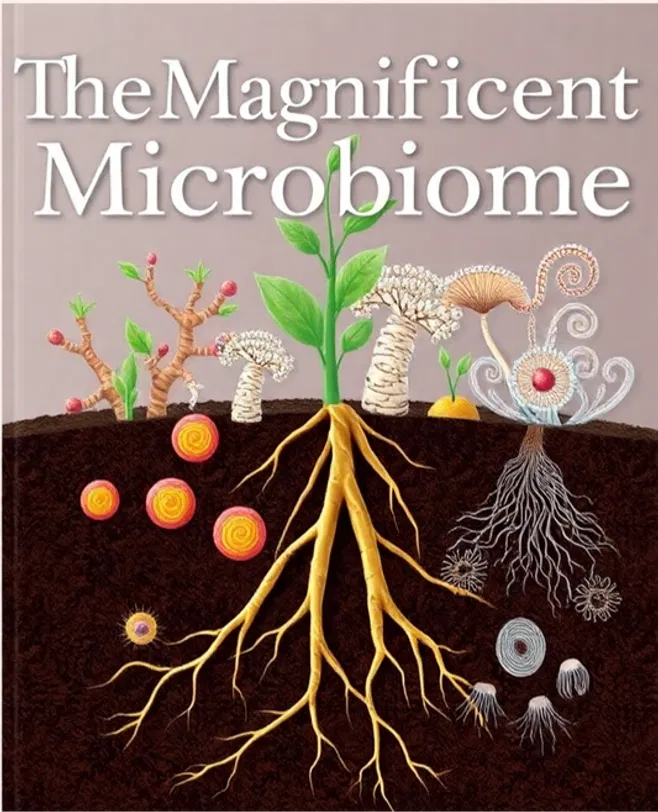
Plants leak sugars and signaling compounds through their roots (root exudates). Those exudates recruit specific microbes. In return, microbes supply nutrients and protection.
This is called the rhizosphere, the narrow zone of intense biological activity around roots.
In living soil, we’re actively supporting:
- Nutrient mineralization: converting organic nutrients into ionic forms plants can absorb
- Chelation & transport: microbes and fungi help move phosphorus, iron, zinc, etc.
- Disease suppression: beneficial organisms outcompete and/or inhibit pathogens
- Stress tolerance: improved water management + microbial metabolites that support plant defenses
When this system is working, plants tend to show:
- More consistent vigor (less “mystery deficiency theater”)
- Better aroma/flavor in food crops and medicinal plants
- Stronger rooting and improved transplant recovery
And yes, this is one reason living soil growers often talk about “better expression.” The biology helps plants access what they need when they need it, not just when a bottle says so.
Living Soil vs. “Super Soil” vs. Salt-Based Feeding (A Quick, Honest Comparison)
If you’re trying to decide which path fits your style, here’s the practical breakdown.
Living Soil Systems (Regenerative, biology-forward)
Pros
- Soil improves over time (compounding gains)
- Reduced dependence on constant feeding
- Better structure, water holding, resilience
- Strong alignment with regenerative agriculture principles
Cons
- Requires patience while biology establishes
- Overwatering can wreck oxygen balance fast
- You need to think in systems, not schedules
“Super Soil” (Hot mixes, often front-loaded)
Pros
- Strong early performance
- Simple for one cycle if the mix is dialed
Cons
- Can run out of steam mid/late cycle
- Less adaptive; can be too hot for seedlings
- Often treated as disposable rather than regenerative
Salt-based / Synthetic Nutrient Programs
Pros
- Fast, controllable, repeatable in short-term production
- Easy to “correct” with immediate inputs
Cons
- Can degrade soil structure and biology over time
- Higher risk of EC swings and lockouts
- Typically requires more frequent intervention
We’ve got a dedicated breakdown here if you want the longer version:
https://www.regensoil.org/blog-post/living-soil-vs-super-soil-understanding-the-foundation-of-your-gardens-success
The Big Payoff: Living Soil Is Soil Restoration (Even in a 5-Gallon Pot)
A lot of people hear “soil restoration” and picture tractors and acres. But restoration is a principle, not a property size.
When you build living soil in containers or beds, you’re restoring:
- Biological function (nutrient cycling, disease suppression)
- Physical function (aggregation, porosity, water infiltration)
- Chemical balance (pH stability, buffering capacity, cation exchange)
That’s why living soil is the gateway drug to regenerative agriculture at home: you see the ecosystem respond in real time, and you stop wanting to “fight nature.”
If you’re curious what a ready-to-run container approach looks like, this is one option:
https://www.regensoil.org/5gal-living-soil
How to Switch Without Nuking Your Current Garden (Step-by-Step)
You don’t have to throw everything out and buy a wizard staff. Transition is usually smoother than folks expect, if you respect biology.
Step 1: Stop sterilizing your world
- Avoid routine hydrogen peroxide drenches
- Skip “kill everything” pest strategies unless absolutely necessary
- Reduce harsh salt buildup that disrupts microbial communities
Step 2: Add carbon and habitat (not just nutrients)
Living systems need food + housing.
We recommend prioritizing:
- Compost (high quality, fully finished)
- Worm castings (microbe-rich, gentle nutrient source)
- Mulch (leaf litter, straw, or chop-and-drop cover crop residue)
Step 3: Keep the soil covered
Bare soil is like leaving your fridge open and wondering why the food spoils.
Options:
- Mulch layer
- Living mulch (low-growing cover crops)
- Crop residue left on top (no-dig style)
Step 4: Water like you’re managing oxygen, not just moisture
Overwatering is the #1 living soil faceplant.
Best practices:
- Water thoroughly, then let the container/beds draw down
- Avoid constant “little sips” that keep soil anaerobic
- Use a moisture meter if you’re learning (no shame)
Step 5: Feed the soil lightly and consistently
Instead of heavy, frequent bottled feeding, think:
- Occasional top-dressing (compost/castings)
- Gentle biological inoculation when needed
- Plant diversity (roots feed microbes)
For soil health concepts we use daily in consulting, this page is a good overview:
https://www.regensoil.org/soil-health
Rhizo Logic®: The Shortcut Is Biology (Not More Bottles)
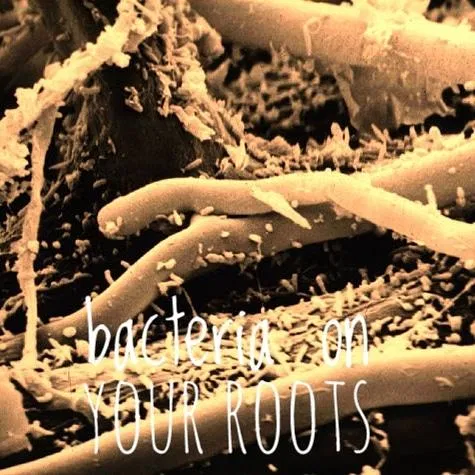
In living soil systems, the “secret sauce” isn’t secret. It’s the rhizosphere.
Rhizo Logic® is our living-systems approach to supporting the root zone with biology-forward inputs and practices that help kickstart and stabilize soil function, especially when your starting point is bagged mixes, tired beds, or container cycles that have lost their spark.
The goal isn’t dependency. The goal is momentum:
- Build microbial populations that can persist
- Improve nutrient cycling so plants aren’t begging for constant corrections
- Support structure so roots can breathe and explore
If you want to see more about how we think about assessment and direction (instead of guessing), check out our Initial Soil Health Assessment:
https://www.regensoil.org/ish-assesment
(Important note because we like clarity: Bio-boost is a Terrabiotics product line, and Rhizo Logic® is our living soil brand, different lanes, different tools.)
Troubleshooting: The 6 Most Common “New Living Soil” Mistakes
If living soil didn’t work for you in the past, it’s usually one of these:
- Overwatering (anaerobic soil = stalled biology + sad roots)
- Starting too hot (excess nutrients can suppress symbiosis and stress seedlings)
- No mulch / bare soil (microbes and moisture get hammered)
- No diversity (monoculture = fragile system; diversify roots and inputs)
- Chasing deficiencies like it’s hydro (slow down; diagnose; don’t knee-jerk)
- Expecting week-1 perfection (biology ramps; it doesn’t teleport)
If pests pop up during transition, it’s not always a failure, sometimes it’s just a system finding balance. For example, fungus gnats are often a moisture/organic layer management issue more than a “bad soil” issue. (We’ve got a full guide if you need it: https://www.regensoil.org/blog-post/tackling-fungus-gnats-in-living-soil-a-comprehensive-guide)
Who Living Soil Is For (And How Each Group Should Approach It)
Beginners: keep it simple, keep it stable
Focus on:
- Consistent watering habits
- Mulch
- Light top-dresses
- Patience
Beginner-friendly checklist:
- One good soil base
- One mulch strategy
- One gentle amendment rhythm (monthly-ish)
- Notes/photos each week
Experienced Growers: optimize the system, not the schedule
Focus on:
- Root-zone oxygen and structure
- Microbial diversity and fungal:bacterial balance
- Cover crops and living mulches
- Reusing soil across cycles with minimal disturbance
If you want to nerd out on ratios without falling asleep, this is a good read:
https://www.regensoil.org/home/finding-balance-below-understanding-fungalbacteria-ratios-for-cannabis-and-garden-success
Commercial Operations: consistency through ecology
If you’re scaling, living systems work best when you standardize:
- Compost quality and testing
- Moisture management
- Inputs and application timing
- Monitoring (EC, moisture, temperature) for trendlines, not panic reactions
The win at scale is reduced volatility: fewer swings, fewer emergencies, fewer “everything was fine until it wasn’t.”
A Quick Case Snapshot: “We Stopped Resetting the Soil Every Run”
A common pattern we see with clients transitioning to living soil:
- Run 1: “Okay… less feeding, but I’m nervous.”
- Run 2: “Soil feels better. Plants are more even. Fewer random issues.”
- Run 3: “Wait, why is this getting easier?”
That’s the compounding effect of a living system:
- More stable aggregates
- Better moisture buffering
- More biological processing power
- Less need to intervene
It’s not magic. It’s ecology.
FAQ: Living Soil Systems (Real Questions We Get Constantly)
Do I need to “re-amend” living soil every cycle?
Usually, yes, but think maintenance, not rebuilding. Common approach:
- Light top-dress (compost/castings + targeted minerals if needed)
- Refresh mulch
- Let the soil rest (“recharge”) briefly if possible
Can living soil work indoors?
Absolutely. The biggest indoor keys are:
- Avoiding overwatering
- Managing airflow and humidity (to reduce disease pressure)
- Keeping a mulch layer without creating a soggy top zone
Will living soil eliminate all pests and diseases?
No system is immune. But living soils often reduce pressure through:
- Competitive exclusion (beneficials crowd out bad actors)
- Better plant immunity due to steady nutrient access
- Improved stress tolerance (stressed plants invite problems)
Is living soil “no-till” required?
No-till helps because it preserves fungal networks and structure, but you can still run living systems with minimal disturbance. The principle is: don’t wreck habitat unnecessarily.
What if my current soil is already depleted or weird?
That’s normal. Start by identifying the limiting factor:
- Structure? (compaction, poor drainage)
- Biology? (lack of diversity, no organic matter)
- Chemistry? (pH, excess salts, imbalance)
If you want a guided path instead of guessing, we can help through assessment and consulting: https://www.regensoil.org
Your Turn: What Are You Growing, and What’s Your Biggest Soil Headache?
Drop a comment and tell us:
- Container or beds?
- Indoor or outdoor?
- What’s the most annoying problem right now, watering, pests, deficiencies, slow growth, or “my soil just feels dead”?
We’ll point you toward the most regenerative fix (and yes, we’ll keep it practical: no lecture, no guilt, just better soil).


