
The Ultimate Guide to Soil Restoration: Everything You Need to Succeed
By Jeremy Standring
At Regen Soil, we don’t just look at dirt; we look at a complex, living legacy. The reality facing modern agriculture is sobering: we are losing topsoil at an alarming rate. However, the path to reversal isn't just possible, it’s scientifically proven. Soil restoration is the process of returning life to degraded land, transforming compacted, sterile "dirt" back into a thriving, carbon-sequestering living soil ecosystem.
Whether you are a backyard enthusiast or managing a large-scale commercial operation, understanding the mechanics of soil health is the single most important factor in your success. This guide breaks down the "why" and the "how" of our methodology, helping you transition from chemical dependence to biological abundance.
Understanding the Soil Health Crisis: Dirt vs. Living Soil
Before we can restore, we must understand what we have lost. Many modern growing practices rely on heavy synthetic inputs that provide N-P-K (Nitrogen, Phosphorus, Potassium) but ignore the biological engine that makes these minerals available to plants.
Soil degradation occurs when the "biological glue" that holds soil together is destroyed by tilling, synthetic salts, and lack of plant diversity. This leads to compaction, erosion, and a complete collapse of the soil microbiome.
Comparison: Degraded Soil vs. Restored Living Soil
| Feature | Degraded "Dirt" | Restored Living Soil |
|---|---|---|
| Structure | Compacted, dusty, or clumpy | Aggregated, porous, and "spongy" |
| Microbial Life | Bacteria-dominant (low diversity) | High fungal-to-bacterial (F:B) ratio |
| Water Retention | High runoff; dries out quickly | High infiltration; holds moisture like a sponge |
| Nutrient Cycling | Dependent on synthetic fertilizers | Biological cycling via microbes |
| Plant Health | High pest and disease pressure | Strong systemic resistance |
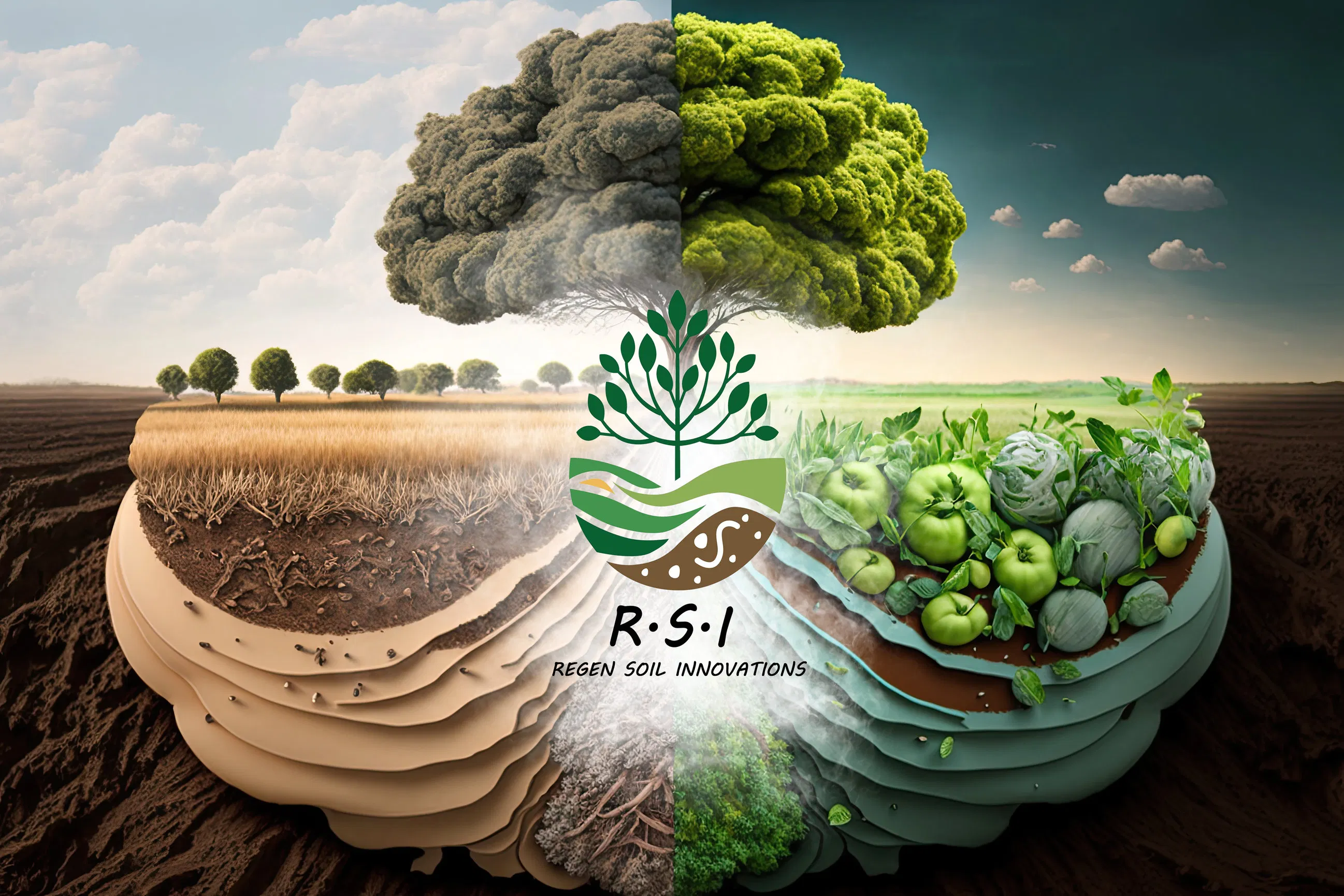
The First Step: The Initial Soil Health (ISH) Assessment
We believe that you cannot manage what you do not measure. At Regen Soil, our restoration journey always begins with the ISH Assessment. This isn't just a standard N-P-K test you’d find at a big-box store. We analyze the biological activity, the texture, and the chemical balance of your medium.
By identifying the specific microbial deficiencies in your soil, we can create a roadmap for restoration that doesn't waste time or resources. For commercial operations, this data is the difference between a guessing game and a guaranteed ROI.
The Pillars of Soil Restoration
To succeed in regenerative agriculture, we follow a "systems-thinking" approach. Soil restoration is not a single event; it is a shift in management.
1. Inoculating Biology with Rhizo Logic®
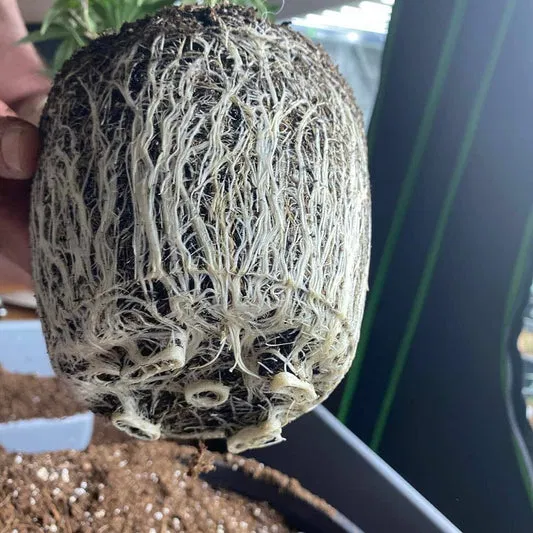
If the soil is a house, microbes are the inhabitants that keep it clean and functional. Rhizo Logic® is our cornerstone for establishing a true living soil environment. These products introduce diverse beneficial fungi and bacteria that colonize the rhizosphere (the area around the roots).
- Fungal Networks: Mycorrhizal fungi extend the reach of plant roots, allowing them to access water and phosphorus that would otherwise be out of reach.
- Nutrient Solubilization: Specialized bacteria break down mineralized nutrients, making them "bioavailable" to the plant.
2. Fueling the System with Bio-boost (Terrabiotics)
Microbes need food to perform. This is where Bio-boost, part of our Terrabiotics line, comes into play. Unlike synthetic fertilizers that bypass the soil's natural systems, Bio-boost provides the complex carbon sources and biostimulants required to "wake up" the indigenous and introduced microbial populations.
3. Minimizing Soil Disturbance
Mechanical tilling is the primary driver of soil dysfunction. It physically shears fungal hyphae and collapses the macropores that allow for oxygen and water flow. We advocate for "no-till" or "low-till" practices to preserve the delicate architectural structure of the soil.

Practical Strategies for Success
For Beginners: Starting Small
If you are just starting, don't feel overwhelmed. You can begin the restoration process in a single raised bed or even a container.
- Step 1: Use a high-quality base like our 5 Gallon Living Soil.
- Step 2: Mulch your soil. Never leave "naked" soil exposed to the sun; it kills the microbes on the surface.
- Step 3: Water with dechlorinated water to protect your biology.
For Experienced Growers: Balancing the Ratio
If you already have a living soil system, your focus should be on fine-tuning the fungal-to-bacterial (F:B) ratio. For plants like cannabis or perennial shrubs, a fungal-dominant soil is often the key to unlocking terpene profiles and secondary metabolites. We recommend a deep dive into understanding fungal/bacteria ratios to maximize your garden's potential.
For Commercial Operations: Scalability and Monitoring
Large-scale restoration requires precision. We utilize tools like the Regen Soil Pulse device to monitor moisture, EC (electrical conductivity), and temperature in real-time. This ensures that the environmental conditions remain optimal for the microbial "workforce" you've invested in.

Living Soil vs. Super Soil: Which is Better?
A common question we receive is the difference between "Living Soil" and "Super Soil."
- Super Soil is typically a heavily amended medium designed to feed a plant from start to finish without additional inputs. However, it can often be "too hot" (excessive nutrients) for young plants and can lead to nutrient lockouts if the biology isn't perfectly balanced.
- Living Soil (Rhizo Logic® approach) focuses on the ecosystem. It is a self-sustaining cycle where the microbes manage the nutrient delivery.
Our verdict: While super soils are a great step away from synthetics, a true living soil system offers more longevity and resilience against pests and environmental stress. You can read our full Living Soil vs. Super Soil comparison here.
Success Story: Restoring a High-Yield Garden
We recently worked with a grower who suffered from chronic "Grey Mold" issues. After an ISH Assessment, we realized their soil was anaerobically compacted, creating the perfect environment for pathogens.
By implementing the RSI Method, incorporating Rhizo Logic® to outcompete the pathogens and utilizing cover crops to break up compaction, the grower saw a 30% increase in yield and a complete elimination of mold in the following season. This is the power of working with nature rather than against it.
FAQ: Common Questions on Soil Restoration
Q: How long does soil restoration take? A: You will see biological activity increase within days of applying Bio-boost and Rhizo Logic®. However, rebuilding physical soil structure and significantly increasing organic matter typically takes 1 to 3 growing seasons.
Q: Can I restore soil that has been treated with chemicals for years? A: Yes. The first step is "flushing" the legacy salts and then inoculating the soil with a diverse microbial consortium to restart the biological engine.
Q: Is soil restoration more expensive than traditional farming? A: Initially, the costs for assessment and inoculation can be higher. However, over time, your input costs (fertilizers, pesticides, water) drop significantly as the soil begins to provide for the plants naturally.
Q: Do I need to add worms? A: While not strictly necessary if your biology is healthy, worms are fantastic "biological tillers." Once you create a healthy living soil environment with proper moisture and food, indigenous worms often return on their own, or you can introduce them to accelerate the process.
Join the Regeneration Movement
Soil restoration is the most powerful tool we have to combat climate change, improve food security, and grow the healthiest plants possible. At Regen Soil, we are dedicated to providing the science, the products, and the mentorship you need to succeed.
If you're ready to stop guessing and start growing, meet our team or book your Initial Soil Health Assessment today. Let’s bring your soil back to life together.
What is the biggest challenge you've faced with your soil health? Leave a comment below, and let’s troubleshoot your garden’s ecosystem!


