
The Ultimate Guide to Living Soil: Everything You Need to Succeed with Rhizo Logic®
By Jeremy Standring
At Regen Soil, we don't just see dirt; we see a bustling metropolis of biological activity. When we talk about regenerative agriculture and soil restoration, we are really talking about returning the "life" to the medium. This is where Rhizo Logic® (our premier living soil brand) comes into play. If you've been searching for a way to grow plants that are more resilient, more flavorful, and more nutrient-dense without the constant headache of synthetic salt schedules, you’ve found it.
In this guide, we’re going to do a deep dive into the systems-thinking approach to cultivation. We’ll cover the biological "why" behind living soil, the practical "how" of using our kits, and the technical metrics that ensure your garden thrives from seed to harvest.
What Exactly is Living Soil?
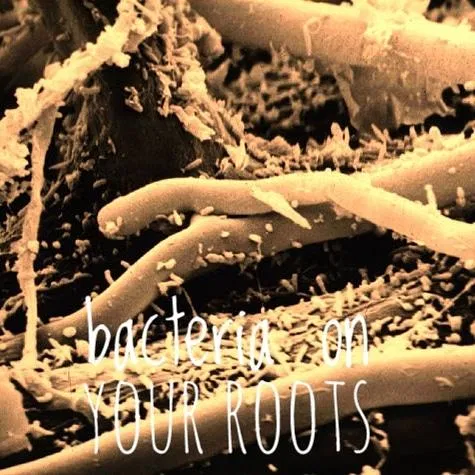
Before we get into the mechanics of Rhizo Logic®, we need to define the foundation. Living soil is a self-sustaining ecosystem composed of beneficial microorganisms, specifically bacteria, fungi, protozoa, and nematodes, that work in a symbiotic relationship with plant roots.
In a traditional "sterile" grow, the medium is just a sponge to hold synthetic nutrients. In a living soil system, the soil is the engine. The plants provide carbon (exudates) to the microbes, and in exchange, the microbes mine nutrients from the organic matter and minerals, delivering them to the plant in a bio-available form. This process is known as nutrient cycling.
The Biological Blueprint: 1:1 Fungal to Bacterial Ratio
We have found that the secret to high-performance cultivation lies in the balance of the microbiome. Most bagged soils are bacterial-dominant, which is great for weeds but not ideal for high-value crops like cannabis or specialized vegetables.
Rhizo Logic® is engineered to maintain a specific 1:1 fungal-to-bacterial ratio. This balance ensures that the soil structure remains aerated while providing the specific enzymatic pathways needed for complex terpene and flavonoid development.
The Rhizo Logic® System: Components for Success
Success in living soil requires more than just "good dirt." It requires a system. We’ve streamlined this through our RSI Method, which focuses on the interaction between the medium, the container, and the biological boosters.
1. The Foundation: Rhizo Logic® Living Soil
Our soil isn't "cooked" in a way that kills off life. It is aged and inoculated to ensure a diverse microbial population is present the moment you open the bag. This soil is designed to act as a "pantry," holding a massive reserve of minerals that are unlocked over time.
2. The Vessel: GrassRoots Living Soil Pots
We highly recommend using specialized fabric pots for our 5-gallon living soil kits. Unlike standard plastic pots, these allow for "air pruning" of the roots and better gas exchange, which is critical for preventing anaerobic pockets where pathogens like root rot can take hold.
3. The Fuel: Terrabiotics (Bio-boost)
While the soil contains the pantry, Bio-boost (our signature Terrabiotic) acts as the chef. It introduces concentrated beneficials and catalysts that speed up the breakdown of organic matter. If the soil is the hardware, Bio-boost is the software update that keeps the system running at peak efficiency. You can explore our Bio-boost options here.
Setting Up Your Garden: A Step-by-Step Guide
Whether you are a beginner or a commercial operator, the setup phase is the most critical part of the journey.
Step 1: Preparation and Hydration
Living soil must stay moist to keep the microbes alive. If the soil completely dries out, the fungal hyphae shatter and the bacteria go into dormancy (or die). Before planting, ensure your Rhizo Logic® soil is hydrated to a "field capacity", it should feel like a wrung-out sponge.
Step 2: The Initial Soil Health Assessment
For those taking their cultivation seriously, we recommend an ISH Assessment. This allows us to look at your starting point under a microscope, identifying exactly which microscopic architects are present.
Step 3: Planting and Inoculation
When transplanting, we recommend a "dusting" of mycorrhizal fungi directly on the root ball. Once the plant is in the Rhizo Logic® soil, a light application of Bio-boost helps bridge the gap between the old medium and the new, vibrant ecosystem.
Systems-Thinking: Why Living Soil Beats "Super Soil"
We often get asked: Is living soil the same as super soil? The short answer is no.
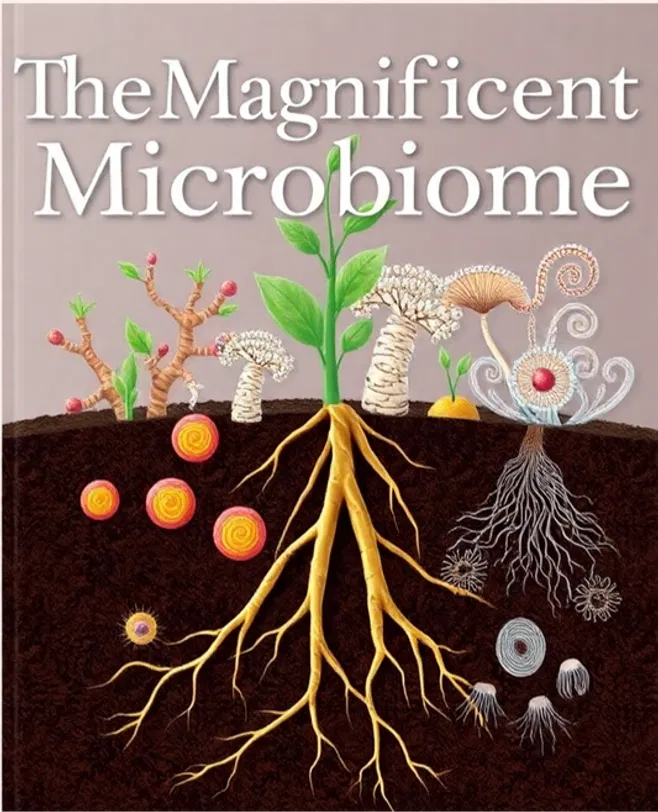
A "Super Soil" is typically a soil that has been heavily amended with "hot" nutrients intended to last the whole cycle. The problem? It often leads to nutrient burn in the beginning and nutrient lockout at the end. Living Soil vs. Super Soil is a debate of "static" vs. "dynamic" systems. Living soil adjusts to the plant's needs in real-time through microbial interaction. For a deeper dive, check out our post on Living Soil vs. Super Soil.
Monitoring the Pulse of Your Soil
In the modern era, we don't have to guess what's happening underground. We use data-driven tools like the Regen Soil Pulse to monitor EC (Electrical Conductivity), moisture, and temperature.

Case Study: From "Salts" to Sustainability
We worked with a local home grower who was struggling with pH swings and "the claw" (nitrogen toxicity) using bottled nutrients. We transitioned them to a Rhizo Logic® 5-gallon system.
- The Result: Water-only (mostly) maintenance.
- The Outcome: A 20% increase in terpene production and a complete elimination of the "chemical" aftertaste in the final harvest.
- The Lesson: By letting the soil biology handle the pH buffering and nutrient delivery, the grower was able to focus on environmental factors like VPD (Vapor Pressure Deficit) rather than mixing chemicals every day.
Troubleshooting Common Issues
Even with the best system, nature can be unpredictable. Here is how we handle the most common hurdles:
Fungus Gnats
Fungus gnats love moisture, and living soil needs moisture. It’s a common overlap. However, we don't use harsh pesticides. Instead, we use biological controls like Steinernema feltiae (beneficial nematodes). For more, read our guide on tackling fungus gnats.
Nutrient Deficiencies
Usually, a deficiency in living soil isn't a lack of nutrients; it's a lack of microbial activity or a moisture issue. If your leaves are turning purple or showing spots, check your soil moisture first. If the biology can't move, the nutrients can't flow.

Advanced Strategies for Experienced Growers
If you’ve mastered the basics, it’s time to look at the "hidden" architects: Protozoa. These microscopic organisms eat bacteria and release nitrogen right at the root zone. Understanding the world of soil protozoa is what separates the experts from the hobbyists.
We also suggest incorporating cover crops. Using clover or vetch helps fix nitrogen and provides a "living mulch" that protects the soil surface from drying out. You can learn more in our complete guide to cover crops.
Frequently Asked Questions (FAQ)
Q: Do I ever need to flush my living soil?
A: No. Flushing is a technique used to remove excess salt buildup from synthetic fertilizers. In a Rhizo Logic® system, there are no synthetic salts to flush. Flushing would actually harm the microbial community we’ve worked so hard to build.
Q: Can I reuse Rhizo Logic® soil?
A: Absolutely. That is the "regenerative" part of regenerative agriculture. After a harvest, you simply top-dress with more organic matter and Bio-boost, and the soil is ready for the next round. It actually gets better over time.
Q: How do I know if my soil is "alive"?
A: You can often see fungal mycelium (the "white fuzz") on the surface, this is a great sign! Beyond that, the best way to know is through a Soil Health Assessment.
Q: Is Rhizo Logic® suitable for outdoor use?
A: Yes, it excels outdoors. The robust microbial community helps plants withstand environmental stressors like heat waves and minor pest pressure better than sterile media.
Join the Regeneration
We believe that healthy soil leads to healthy plants, which leads to a healthy planet. Whether you are just starting with a single 5-gallon pot or managing a large-scale operation, we are here to provide the science-backed solutions you need.

If you’re ready to stop "feeding the plant" and start "feeding the soil," we’re ready to help. Check out our reviews to see how other growers have transformed their gardens, or reach out to us for personalized consulting.
Keep it growing, keep it living.
( Jeremy Standring)


