
Why Regenerative Organic Systems Will Change the Way You Grow Food Forever
By Jeremy Standring
For decades, we’ve been told a lie. We’ve been told that to grow food, we need to dominate nature, to kill the "pests," to nuke the weeds, and to pump the ground full of synthetic salts just to get a decent yield. We’ve treated our farms and gardens like chemistry sets rather than living ecosystems.
But here’s the cold, hard truth: the industrial model is failing. It’s expensive, it’s depleting our planet, and it’s stripping the nutrients out of our food. At Regen Soil, we’re not just looking for a "better" way; we’re looking for a permanent way. That’s where regenerative agriculture comes in. It’s not just a buzzword; it’s a fundamental shift in how we relate to the Earth. It’s about moving from a mindset of extraction to a mindset of restoration.
The Difference Between "Dirt" and "Living Soil"
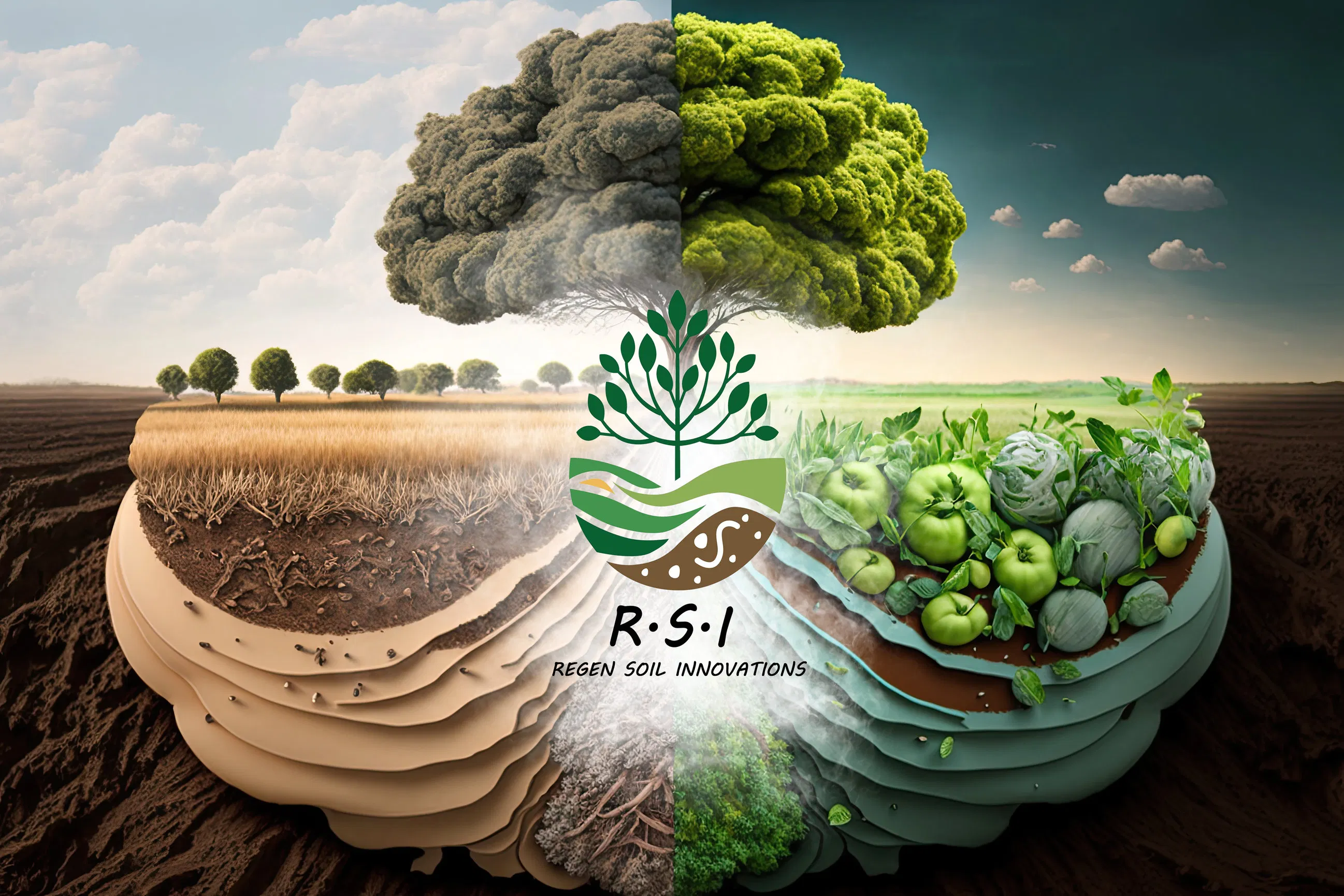
Most people think they have soil, but what they actually have is "dirt." Dirt is what you find under your fingernails after a long day; it’s a dead substrate that requires constant inputs to stay productive. Living soil, on the other hand, is a vibrant, breathing metropolis of billions of organisms working in harmony.
When we talk about soil restoration, we are talking about bringing the biology back to the party. In a regenerative system, we stop focusing on the "this flower, this leaf" mentality, a myth we’ve debunked before, and start focusing on the roots.
Why Regenerative Systems Win
- Carbon Sequestration: Regenerative organic systems build 23% to 40% higher soil carbon stocks than conventional systems. We aren't just growing tomatoes; we’re literally pulling carbon out of the atmosphere and locking it into the ground.
- Water Retention: Healthy soil acts like a sponge. For every 1% increase in organic matter, the soil can hold an additional 20,000 gallons of water per acre.
- Nutrient Density: When the microbial populations are thriving, they "predigest" minerals for the plants, leading to food that actually tastes like food and contains the vitamins your body craves.
The Rhizo Logic® Approach: Harnessing Microbial Intelligence
At the heart of our philosophy is Rhizo Logic®. While many people focus on adding N-P-K (Nitrogen, Phosphorus, Potassium) from a bag, we focus on the Rhizosphere, the area of soil immediately surrounding plant roots.
The plant isn't just sitting there; it’s actively communicating. It pumps out "exudates" (sugars and proteins) to attract specific bacteria and fungi. In exchange, these microbes bring the plant exactly what it needs, exactly when it needs it. This is nutrient cycling at its finest.
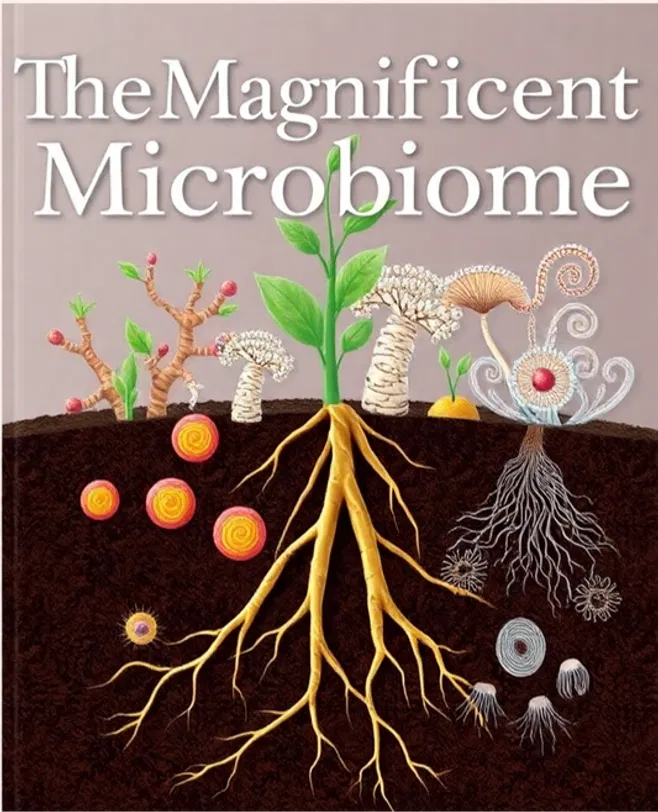
By using our RSI Method, we assess the biological health of your soil and introduce the specific life forms needed to jumpstart this engine. We’ve found that when you stop playing chemist and start playing "microbe manager," the plants take care of themselves.
The Economic Reality: Better Yields, Lower Costs
One of the biggest myths about organic or regenerative systems is that they are "less productive." The data says otherwise. Research shows that while there might be a transition period, regenerative organic systems can earn 3-6 times greater profits for farmers compared to conventional operations.
How? By eliminating the "Chemical Treadmill." When you don't have to buy expensive synthetic fertilizers, pesticides, and herbicides every season, your margins skyrocket. Furthermore, during periods of environmental stress, like the droughts we’re seeing more frequently, regenerative systems produce yields up to 40% higher than conventional ones. Why? Because the living soil has the resilience to handle the heat.
A Systems-Thinking Lens: It’s All Connected
Regenerative agriculture is about systems-thinking. You can’t just change one thing; you have to look at the whole picture. This includes:
- No-Till Practices: Protecting the delicate fungal networks (mycelium) from being shredded by machinery.
- Cover Cropping: Keeping "living roots" in the ground year-round to feed the microbes.
- Biodiversity: Moving away from monocultures and toward a polyculture where different plants support one another.
We don't just want to "sustain" the current state of our land, because the current state is pretty beat up. We want to regenerate it. We want to leave the land better than we found it.

How to Get Started: From Beginner to Pro
Whether you’re growing a single plant on your balcony or managing a 500-acre farm, the principles are the same.
For the Beginner
If you’re just starting, don't overcomplicate it. Start with a 5-gal living soil setup. This allows you to witness the power of a self-sustaining ecosystem on a small scale. Focus on keeping your soil moist (not soaked) and avoid any synthetic "blue juice" fertilizers that kill off your hard-earned microbial community.
For the Experienced Grower
If you’ve been at this a while but feel like you’ve hit a ceiling, it’s time for a Soil Health Assessment. We use data-driven science to see exactly what’s happening under the hood. Are your fungal-to-bacterial ratios off? Do you have enough protozoa to unlock the nitrogen? Stop guessing and start measuring.
For Commercial Operations
Scaling biology is the final frontier. We work with operations to transition away from high-input costs toward bio-integrated systems. By utilizing tools like our Rhizo Logic® line, we can inoculate large areas and restore the natural fertility of the land, ensuring long-term viability and increased land value.

Common Misconceptions (The FAQ)
Q: Isn’t regenerative just another word for organic?
A: Not quite. "Organic" tells you what wasn't used (no synthetic pesticides, etc.). "Regenerative" tells you what is being built (soil health, biodiversity, carbon). You can have a "dead" organic farm that relies on heavy tilling and organic-approved sprays. Regenerative goes deeper.
Q: How long does it take to see results?
A: You’ll see a difference in plant vitality almost immediately, but a full "restoration" of the soil food web typically takes 3 to 5 years. Think of it like physical therapy for the Earth; it takes time to heal the damage done by years of chemical abuse.
Q: Can I use Bio-boost in a regenerative system?
A: Absolutely. While we focus on living soil with Rhizo Logic®, products like Bio-boost (from our friends at Terrabiotics) can provide that extra biological push to get things moving, especially in depleted soils.
Q: Is it more work?
A: In the beginning, yes: because you’re learning a new language. But once the system is established, it’s actually less work. The soil does the weeding, the feeding, and the pest management for you. You become the conductor of the orchestra instead of the guy trying to play every instrument at once.
Join the Movement
We are at a tipping point. The way we’ve been growing food isn't just unsustainable; it’s a dead end. But by embracing regenerative organic systems, we have the chance to heal the planet, improve our health, and secure our food future.
If you’re ready to stop fighting nature and start working with it, meet Jeremy and the team at Regen Soil. We’re here to help you navigate this transition, whether you're looking for soil health consulting or the best biological inputs on the market.
What’s your biggest challenge in the garden right now? Let us know in the comments below, or reach out for a personalized strategy. Let’s grow something that lasts.


