
Sand to Soil Part 2: Measuring the 'Dead' in Dead Sand
By Jeremy Standring
In the first part of our "Sand to Soil" series, we laid out the fundamental problem: sandy soils are essentially "leaky buckets." We watched water pour through a five-gallon cloth pot of garden sand as if it weren't even there. We established that sand lacks the structure to hold moisture, the surface area to hold nutrients, and the organic matter to support life. But at Regen Soil, we don't just rely on visual cues. We rely on data.
To transform this lifeless medium into a high-functioning ecosystem, we first need to know exactly how "dead" it really is. Today, we are performing a comprehensive soil health assessment to establish our baseline. We aren't guessing; we are measuring Electrical Conductivity (EC), Volumetric Water Content (VWC), and microbial biomass using professional-grade tools.
If you want to move beyond "hope-based gardening" and into the realm of regenerative results, you have to embrace the metrics. Let’s dive into the numbers.

The Digital Pulse: Measuring Nutrients and Moisture
Our first step involves the Bluelab Pulse. This handheld meter is a staple in our Initial Soil Health Assessment (ISH) because it provides instantaneous feedback on the physical and chemical state of the root zone. In our pot of garden sand, the readings were exactly what we expected: bleak.
1. Electrical Conductivity (EC): The Nutrient Proxy
In soil science, EC measures the ability of the soil solution to conduct electricity. Why does this matter? Because nutrients like nitrogen, potassium, and calcium are present in the soil as ions (charged particles). High EC typically indicates a high concentration of soluble salts (nutrients), while low EC indicates a nutrient desert.
In our sand sample, the EC was nearly non-existent. Because sand particles are large and chemically inert, they have a very low Cation Exchange Capacity (CEC). This means they can't "grab" onto nutrients. Even if we poured high-quality organic fertilizer into this pot right now, most of it would simply wash away.
2. Volumetric Water Content (VWC): The Hydration Metric
VWC tells us what percentage of the soil volume is currently occupied by water. In a healthy living soil environment, we look for a balance that allows for both hydration and aeration.
Our sand baseline showed a VWC that plummeted almost immediately after watering. Without organic matter or microbial "glues" to hold the water, the sand dries out so rapidly that plant roots would be in a constant state of wilt-stress. For a plant, this is like trying to drink through a straw full of holes.
3. Temperature: The Biological Speedometer
Soil temperature dictates the rate of microbial activity and root respiration. While the temperature in our pot was within a "safe" range for growth, the lack of moisture means that any heat is actually a threat. Dry, hot sand cooks delicate root hairs and prevents beneficial soil microbes from colonizing the area.
Diving into the Biology: The MicroBIOMETER Test
While physical metrics are important, the true heart of the Regen Soil method is biology. To measure the life (or lack thereof) in our sand, we use the MicroBIOMETER. This field-testing kit allows us to move beyond simple "NPK" thinking and look at the soil microbial diversity and biomass.
The results confirmed our fears: the microbial biomass was extremely low. But the most telling metric was the Fungal-to-Bacterial (F:B) ratio.
Why the Fungal-to-Bacterial (F:B) Ratio is the "Secret Sauce"
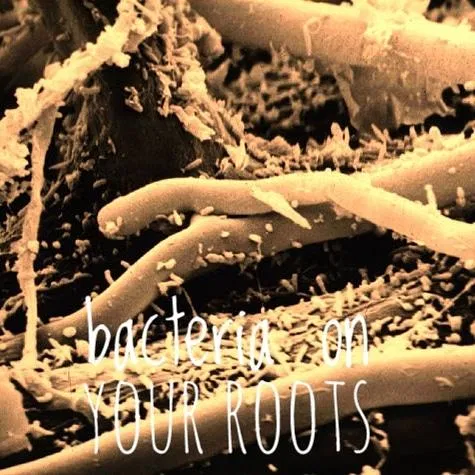
In the world of regenerative agriculture, the F:B ratio is often the difference between a struggling garden and a thriving ecosystem. Most disturbed or "dead" soils, like our garden sand, are heavily skewed toward bacteria, if they have any life at all.
The Role of Bacteria
Bacteria are the "fast food" workers of the soil. They are single-celled organisms that respond quickly to fresh inputs of sugar or simple organic matter. They are excellent at rapid nutrient cycling, especially nitrogen. However, they don't do much for soil structure. A bacteria-dominant soil is often prone to compaction and erosion because bacteria don't have the physical "reach" to tie soil particles together.
The Role of Fungi
Fungi are the "long-term architects." They grow long, thread-like structures called hyphae. These hyphae act like a microscopic web, physically wrapping around sand particles to create aggregates.
Fungi also produce a protein called glomalin, which acts as a biological "glue." This is how we solve the sand problem! By encouraging fungal growth, we create structure where there was none. These aggregates create small pockets (micropores) that hold onto water and nutrients, preventing the "leaky bucket" effect we saw in Episode 1.
Why Fungi Matter for Plant Health:
- Nutrient Transport: Fungi can reach far beyond the root zone to mine minerals and bring them back to the plant.
- Water Retention: Fungal networks significantly increase the soil's ability to hold moisture during droughts.
- Disease Suppression: A robust fungal community often outcompetes pathogens like grey mold or root rot.
In our baseline sand test, the fungal presence was virtually zero. This means the soil has no "infrastructure." It's just a pile of rocks. To turn this sand into soil, our primary goal will be to shift this ratio toward a more balanced, fungal-heavy state.
Systems Thinking: How the Metrics Connect
We must view these measurements as an interconnected system rather than isolated numbers.
- Low EC + Low VWC = A hostile environment where nutrients can't stay and water won't wait.
- Low Biomass + Low Fungi = No one is home to build the "pipes" (hyphae) or "storage tanks" (aggregates) needed to fix the EC and VWC.
When we see these baseline numbers, we aren't discouraged. We are informed. We now know that simply adding liquid fertilizer won't work. We need to build a house (structure) before we can stock the pantry (nutrients).
The Path Forward: Our Remediation Plan
Now that we have our "Before" snapshot, we can begin the work of restoration. Over the next several weeks, we will be implementing a multi-pronged approach to bring this sand back to life:
- Inoculation with Microbe-Rich Compost: We will introduce a diverse community of microbes to serve as the "seed" for our new ecosystem.
- Living Roots (Cover Crops): We’ll be planting legumes. Living roots pump carbon (sugars) into the soil, which acts as the primary food source for our microbes.
- Biological Amendments: We will use compost teas and specialized extracts to boost the fungal population.
- Targeted Nutrition: Using certified organic, balanced fertilizers and products like Bio-boost from Terrabiotics to provide the raw materials the biology needs to thrive.

Summary of Our Baseline Results
| Metric | Result | Interpretation |
|---|---|---|
| EC (Nutrients) | Extremely Low | No nutrient holding capacity. |
| VWC (Moisture) | Very Low | Drains too fast; plants will thirst. |
| Microbial Biomass | Trace | Virtually no biological activity. |
| F:B Ratio | Undetectable Fungi | No soil structure or "biological glue." |
Join the Conversation
Are you struggling with sandy soil on your land? Have you ever had a professional soil health assessment done to see what’s actually happening beneath the surface? Understanding your baseline is the first step toward true soil restoration.
In the next episode, we’re going to get our hands dirty. We’ll start the physical remediation by adding our first layer of high-quality, microbially-active compost and setting the stage for our living roots.
What are your biggest questions about the Fungal-to-Bacterial ratio? Let us know in the comments below!
Frequently Asked Questions
Q: Can I fix sandy soil just by adding more water?
A: No. Adding more water to sand without adding organic matter or biology just washes away more nutrients. You need to build "holding capacity" through microbial aggregates.
Q: Where can I get a MicroBIOMETER?
A: These are available for field use, but if you want a professional interpretation and a custom roadmap for your specific land, we recommend starting with our Initial Soil Health Assessment.
Q: Is "dead" sand actually common in home gardens?
A: More common than you’d think! Many "garden soils" sold in big-box stores are mostly sand and sterilized peat, which lack the beneficial soil microbes necessary for long-term plant health.


