
Why Regenerative Organic Living Systems Will Change the Way You Look at "Waste" Forever
By Jeremy Standring
Let’s have a heart-to-heart about your trash can. Or better yet, let’s talk about why the very concept of a "trash can" is a human invention that nature finds absolutely hilarious. In the natural world, there is no "away" to throw things to. Everything is an input for something else. When a leaf falls in the forest, the forest doesn't call a waste management service; it calls a microbial feast.
At Regen Soil, we spend our days obsessing over this cycle. We’ve realized that the biggest barrier to a thriving garden or a profitable farm isn't a lack of expensive fertilizers, it's a fundamental misunderstanding of "waste." When we shift to regenerative organic living systems, we stop seeing scraps, manure, and clippings as problems to be hauled away and start seeing them as the biological currency they truly are.
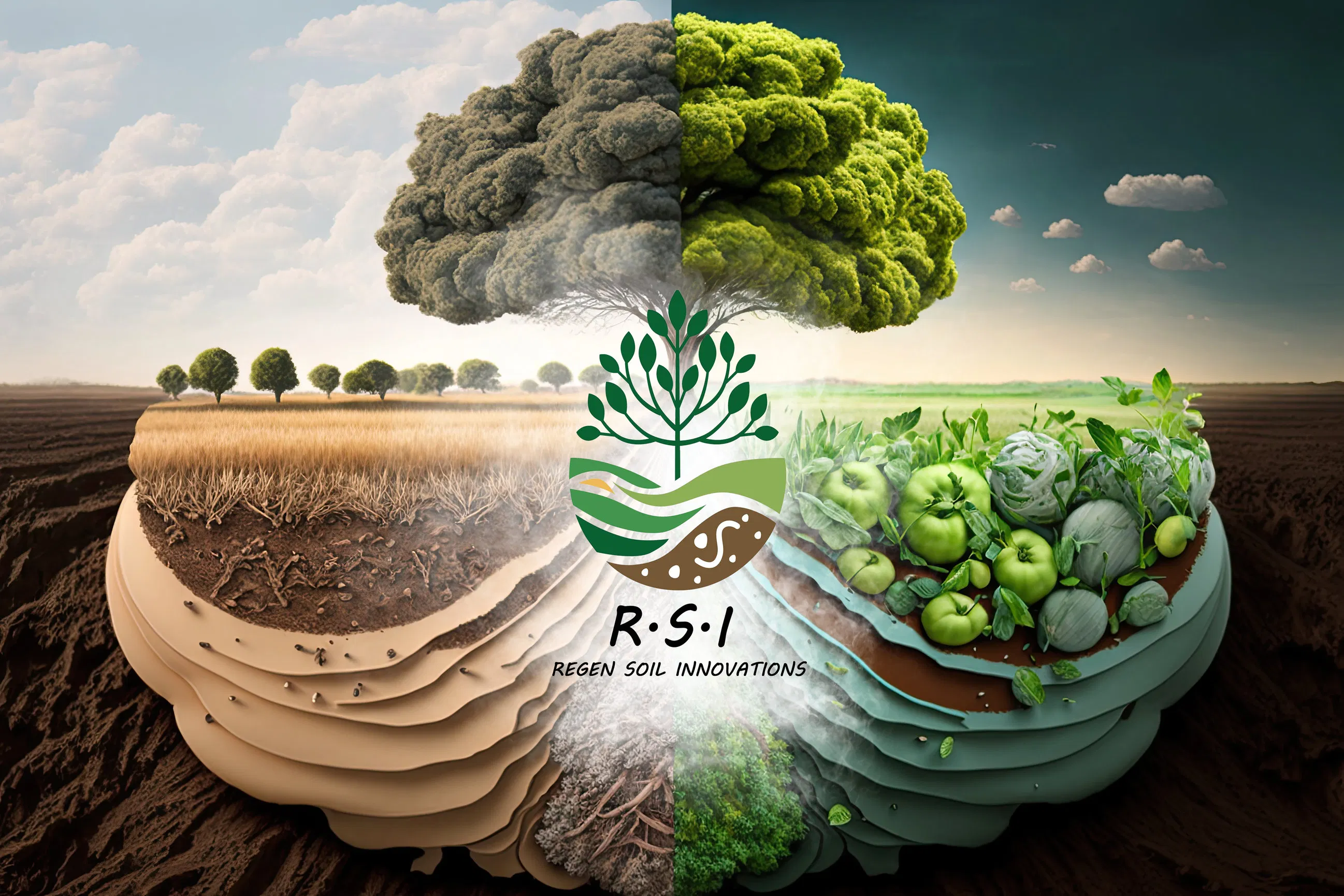
The Linear Lie: Why Modern Agriculture is "Tired"
For the last century, we’ve been sold a linear model of growth. You buy the seeds, you buy the synthetic NPK (Nitrogen, Phosphorus, Potassium), you grow the plant, you harvest the fruit, and you toss the "waste." This is a "take-make-waste" system. It’s expensive, it’s extractive, and frankly, it’s exhausting for the Earth.
When you remove organic matter from your land and replace it with synthetic chemicals, you’re effectively killing the soil's digestive system. Without a living microbiome to process "waste," the soil becomes nothing more than dirt, a sterile medium that holds up a plant but provides zero biological support. This is where soil restoration becomes critical. We aren't just fixing dirt; we are rebuilding an ancient, circular economy that has worked for millions of years.
The Regenerative Paradigm: Waste is Just Energy in Transition
In a regenerative agriculture system, the goal is to close the loop. If you have "waste" leaving your property, you are losing money and fertility. Regenerative organic living systems view every organic byproduct as a resource that can be "upcycled" into high-quality soil amendments.
1. Vermicomposting: The Ultimate Magic Trick
Earthworms are the MVPs of the waste-to-wealth movement. Vermicomposting is the process of using worms to turn organic residues, kitchen scraps, cardboard, even certain manures, into "black gold." These worms don't just break things down; they refine them. The castings (poop) they leave behind are packed with beneficial microbes and plant-available nutrients.
2. The Invisible Workforce: Microbial Decomposition
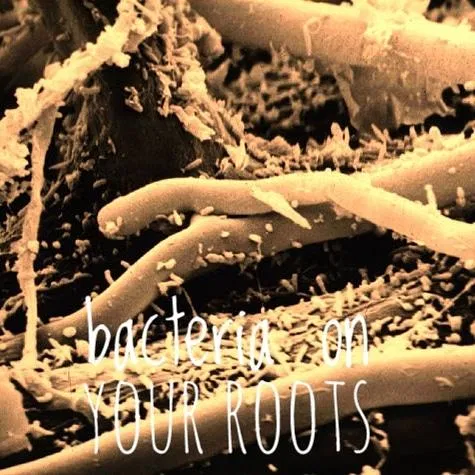
Beyond what you can see with the naked eye, there is a literal universe of bacteria and fungi waiting to work for you. In a healthy ecosystem, these microbes are the primary recyclers. They break down complex carbon chains into simple nutrients that plants can actually absorb. This is the heart of nutrient cycling. When you look at a pile of rotting leaves, don't see decay; see a biological factory running at 100% capacity.
Deep Dive: Rhizo Logic® and the Architecture of Living Soil
If you want to stop looking at waste and start looking at resources, you need a system that can handle the transition. That’s where our Rhizo Logic® Living Soil comes in. Unlike sterilized potting mixes that rely on you to provide every single drop of nutrition, Rhizo Logic® Living Soil is a pre-colonized ecosystem.
It’s designed to be a "living" medium. This means it has the microbial diversity required to take organic matter and turn it into plant food in real-time. By using a biologically active soil, you create a sponge-like environment that sequesters carbon and retains moisture far better than traditional dirt.

How to Apply This (No Matter Your Scale)
We know that "regenerative" can sound like a big, scary word used by scientists in lab coats. But at its core, it’s incredibly practical. Here is how we recommend you look at your "waste" based on your experience level:
For the Beginners (The Patio Pro)
If you’re growing on a balcony or a small backyard, your "waste" is your kitchen scraps. Instead of throwing away coffee grounds and banana peels, consider a small worm bin or simply burying scraps directly into your Living Soil Patio Pro Kit. You’ll see your plants explode with vitality because they’re getting "live" food rather than synthetic salts.
For the Experienced Grower (The Market Gardener)
You likely have access to larger volumes of "waste": grass clippings, fallen leaves, or perhaps spent mushroom blocks from a local grower. These are high-carbon inputs that are essential for building soil structure. We recommend using these as a mulch layer. As they break down, they feed the fungal networks in the soil, creating a subterranean highway for nutrients.
For Commercial Operations
On a larger scale, waste valorization is an economic game-changer. By transitioning to regenerative practices, farms can reduce their dependency on external fertilizers by up to 90%. By composting on-site and focusing on soil health, you aren't just saving the planet; you're significantly increasing your bottom line by reducing input costs.
Recharging the System with Bio-Boost
Even the best regenerative systems sometimes need a "software update." In our RSI method, we focus on maintaining the microbial momentum. When your soil has been working hard all season, it can benefit from a biological recharge.
We recommend using Ultra Bio Boost (a Terrabiotics product) to reintroduce a concentrated blast of beneficial microorganisms. This isn't a fertilizer; it's a microbial inoculant that ensures your "waste-to-wealth" factory keeps running at peak efficiency. You can learn more about how this fits into the bigger picture on our Bio-Boost page.
The Science of Why This Matters: Nutrient Sequestration
Why does this change the way you look at waste? Because "waste" is where the carbon is. In traditional farming, carbon is often lost to the atmosphere as CO2. In a regenerative system, we use living soil to "grab" that carbon and store it in the ground.
This process, known as sequestration, does two things:
- It helps mitigate climate change by keeping carbon in the soil.
- It creates a nutrient-dense environment where plants can thrive without the need for chemical intervention.
When you see a pile of "waste" through this lens, you realize you're looking at a pile of carbon that is waiting to be turned into a tomato, a pepper, or a beautiful flower. It’s the ultimate form of recycling.
Pros vs. Cons: Regenerative Systems vs. Conventional Systems
| Feature | Conventional (Linear) | Regenerative (Circular) |
|---|---|---|
| Input Source | External / Synthetic | Local / Organic / "Waste" |
| Soil Health | Declines over time | Improves over time |
| Water Retention | Poor (requires frequent irrigation) | Excellent (acts like a sponge) |
| Cost | Increasing (due to chemical prices) | Decreasing (self-sustaining) |
| Concept of Waste | A nuisance to be removed | A valuable resource to be cycled |
Success Story: The Lion Fruit Farm Model
Look at examples like Lion Fruit Farms. They operate a zero-waste system by repurposing rabbit manure and spent mushroom blocks to regenerate their soil naturally. They don't have a "trash" problem; they have a "resource" abundance. This is the gold standard we should all be aiming for.

FAQ: Common Questions About Regenerative Waste Management
Q: Doesn't composting "waste" smell bad?
A: If it smells bad, you’re doing it wrong! Foul odors are a sign of anaerobic (oxygen-free) decomposition. In a properly managed regenerative system: especially with living soil: the process is aerobic and smells like a fresh forest floor.
Q: Can I really stop using fertilizer if I use Rhizo Logic®?
A: Rhizo Logic® is designed to be a self-sustaining ecosystem. While you may occasionally add organic inputs or a microbial recharge like Bio-Boost, you can move away from the "add chemicals to get growth" treadmill.
Q: Is this only for organic farmers?
A: Absolutely not. Anyone interested in soil restoration and saving money on inputs can benefit from these principles. Whether you have one pot on a patio or 1,000 acres, the biology works the same way.
Conclusion: Join the Circle
Changing the way you look at "waste" is the first step in becoming a true steward of the land. It’s about moving from a mindset of scarcity to a mindset of abundance. At Regen Soil, we are here to help you make that transition. Whether you need a full Initial Soil Health Assessment or just a bag of the best living soil on the planet, we’ve got your back.
Nature doesn't make mistakes, and it certainly doesn't make trash. It’s time we started following its lead.
Want to learn more about how we can help you transform your soil? Meet Jeremy and the team, or drop a comment below with your biggest "waste" challenge. Let’s figure out how to turn it into your biggest asset together!


