
Why Regenerative Organic Living Systems Will Change the Way You Grow Food Forever
By Jeremy Standring
Let’s be honest: for the last 80 years, we’ve been treating our gardens and farms like a chemistry set rather than a living, breathing ecosystem. We’ve been told that if a plant looks hungry, we should dump some synthetic NPK (Nitrogen, Phosphorus, Potassium) on it. If a bug shows up, we should spray it. If the soil gets hard, we should till it until it looks like coffee grounds.
But here’s the kicker, that approach is failing. It’s expensive, it’s labor-intensive, and it’s stripping the nutrition out of our food.
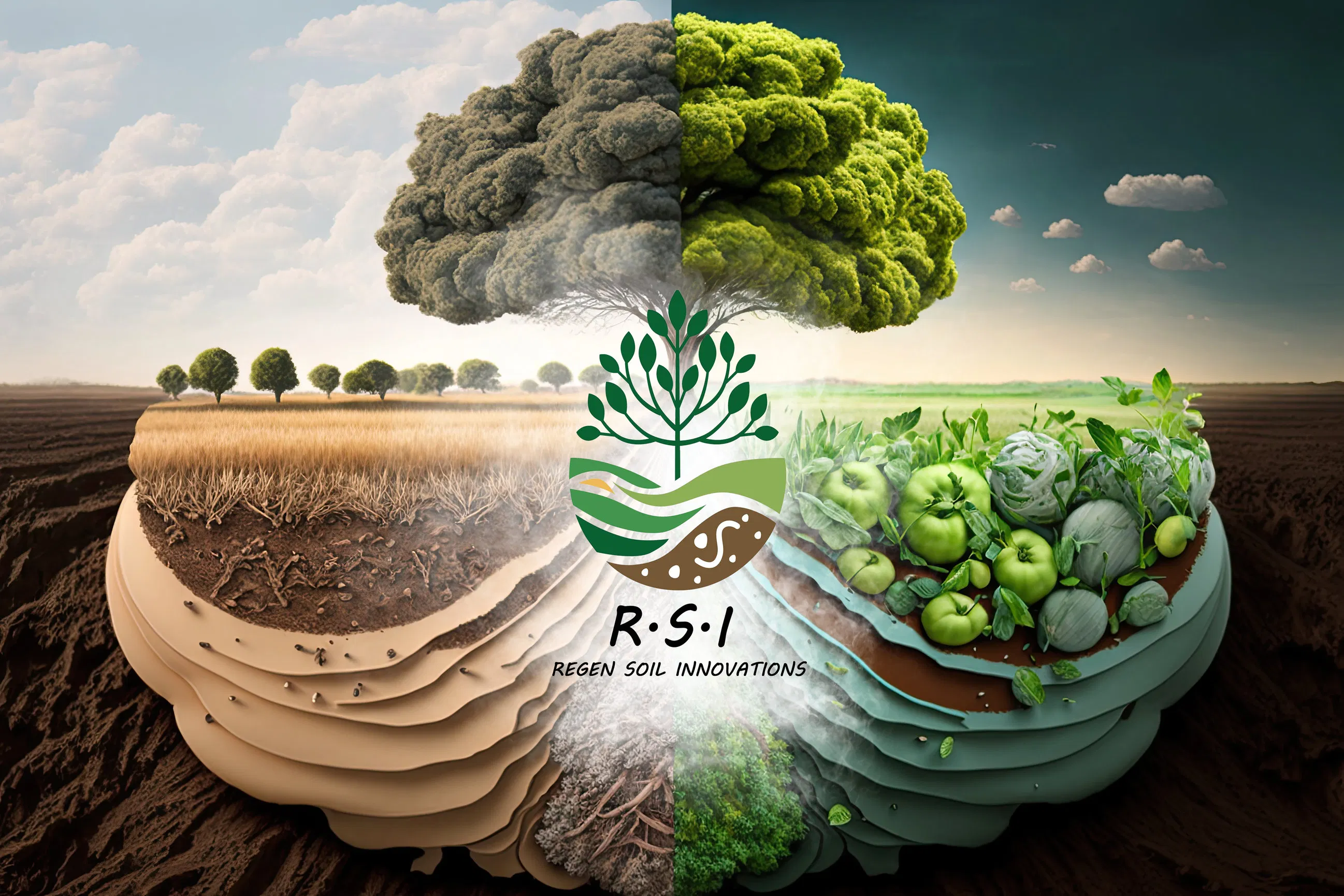
At Regen Soil, we believe there is a better way. We’re talking about Regenerative Organic Living Systems. This isn’t just a fancy buzzword for "organic gardening." It is a fundamental shift in how we interact with the Earth. It’s about moving from a "subtraction" mindset (taking from the soil) to a "multiplication" mindset (building the soil).
Whether you are a backyard hobbyist growing a few tomatoes or a commercial operator managing acres of high-value crops, understanding these systems will change the way you grow food, forever.
The Shift: From Chemistry to Biology
In conventional agriculture, the soil is often treated as nothing more than a medium to hold the plant upright while we pump it full of soluble salts. In a living soil system, the soil is the star of the show.
Regenerative agriculture focuses on one primary goal: restoring the soil microbiome. When we focus on the biology, the chemistry takes care of itself. We stop worrying about whether we have "enough" nitrogen and start focusing on whether we have the microbial workforce necessary to unlock the nutrients already present in the Earth.
Why "Organic" Isn't Enough
Standard organic gardening is a great start, but it often relies on "organic inputs" that still function like a Band-Aid. If you are just swapping synthetic fertilizer for organic bottled nutrients, you are still participating in an input-based system. Regenerative systems go further. We aim to create a closed-loop environment where the soil actually gets better every single year without you having to buy more "stuff."
The Engine Under the Hood: Rhizo Logic®
At the heart of our philosophy at Regen Soil is Rhizo Logic®. This is our proprietary approach to understanding the Rhizosphere, the thin layer of soil directly surrounding the plant roots. This is where the magic happens.
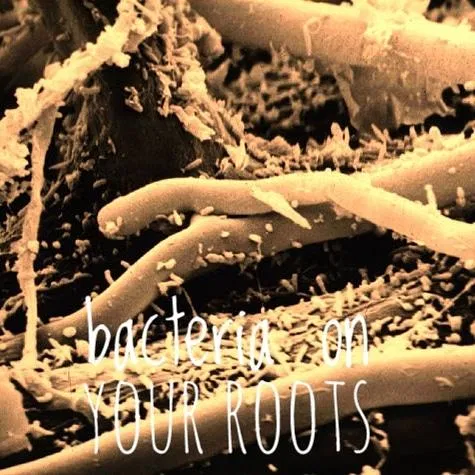
In a healthy system, plants exude sugars (exudates) through their roots to "hire" specific microbes. In exchange for these sugars, the microbes go out into the soil, dissolve minerals, and bring them back to the plant in a form it can actually use.
When you use our Rhizo Logic® products, you aren't just adding "fertilizer." You are introducing a diverse community of microscopic architects that build soil structure, cycle nutrients, and defend your plants against pathogens.
The Three Pillars of a Living System
To successfully transition to a regenerative system, you need to understand the three foundational pillars. We cover these extensively in our RSI Method, but here is the "cheat sheet" version:
1. Zero Tillage (Disturb the Soil as Little as Possible)
Every time you turn the soil, you are essentially like a giant earthquake hitting a city. You destroy the fungal hyphae (the "internet" of the soil) and expose delicate microbes to UV rays that kill them. By leaving the soil intact, you allow the soil restoration process to happen naturally.
2. Living Roots at All Times
Soil microbes need food. Their food is the sugar produced by living plants. If you leave your soil bare over the winter or between seasons, your microbial populations will starve. This is why we advocate for the use of cover crops.
3. Diversity is King
Monocultures (growing just one thing) are an invitation for pests. In a regenerative system, we want a diversity of plants, which leads to a diversity of microbes. This biological diversity creates a "safety net" for your garden.
Why This Matters for Your Health
We’ve all noticed it, the tomatoes from the grocery store taste like water, while the ones from your grandma’s garden taste like heaven. That’s not just nostalgia; it’s science.
Nutrient density is directly linked to soil health. Plants grown in a living soil system have access to a wider array of trace minerals and secondary metabolites that conventional plants simply don't. When the microbes are happy, the plant is healthy. When the plant is healthy, the person eating it gets the full spectrum of nutrition.
A System for Every Scale
One of the biggest myths about regenerative agriculture is that it’s only for "big farms" or "lazy gardeners." The truth is, these principles apply regardless of your setup.
For the Beginner
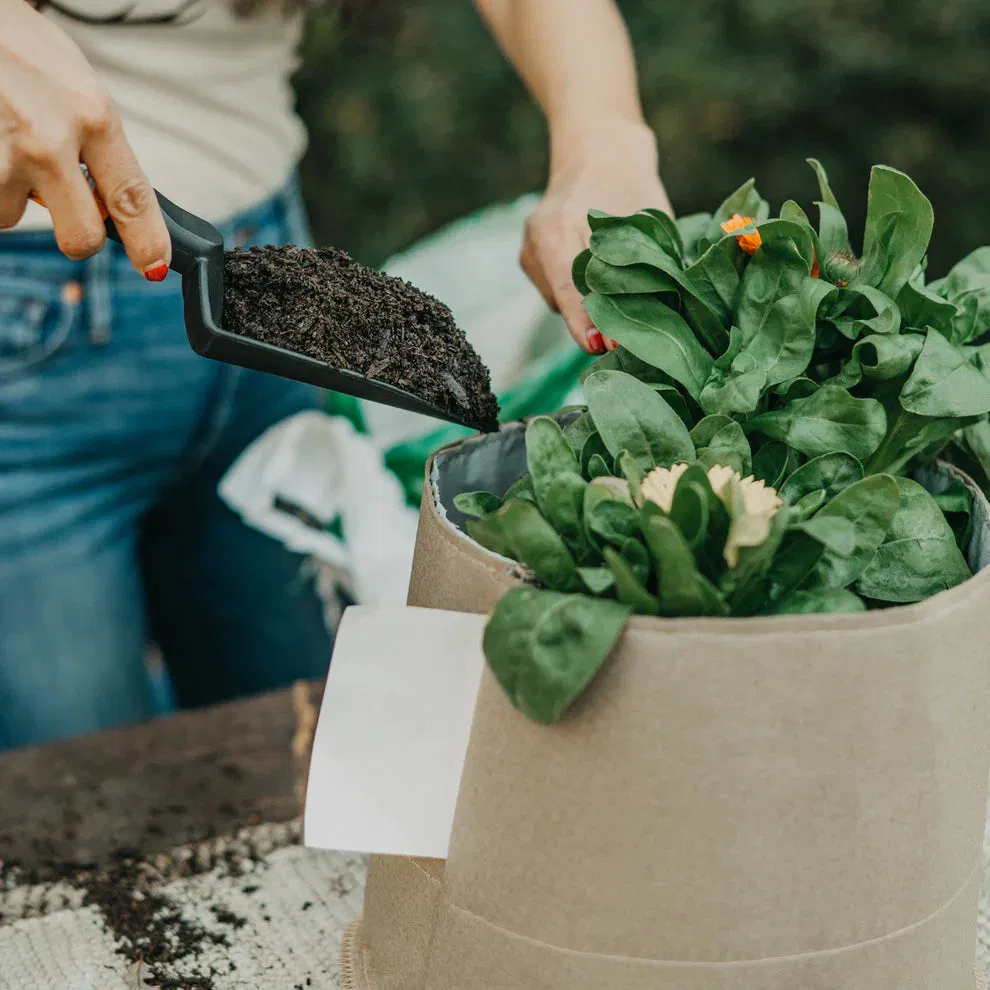
If you’re just starting, don't overthink it. Start with a high-quality 5-gallon living soil setup. Instead of worrying about a 10-part nutrient line, focus on keeping your soil moist (not wet!) and letting the biology do the heavy lifting. You'll be amazed at how much easier it is when you aren't fighting nature.
For the Experienced Grower
If you’ve been growing for years, you might be skeptical about giving up your control over pH and EC levels. We get it. But consider this: by moving to a Living Soil vs. Super Soil approach, you are building a system with a much higher "buffering capacity." This means the soil itself regulates the pH, giving you a wider margin for error and a higher quality end product. Read more about this in our Living Soil vs. Super Soil guide.
For Commercial Operations
In a commercial setting, the goal is often "yield and consistency." Regenerative systems provide both, while significantly lowering overhead costs. By reducing the need for synthetic inputs and pesticides, and improving water retention, the ROI on soil restoration is undeniable. We offer ISH Assessments specifically designed to help commercial growers transition their operations.
The Environmental Impact: Growing Your Way Out of the Climate Crisis
Agriculture is often cited as a major contributor to climate change, but regenerative agriculture is actually one of our best tools for reversing it.
Carbon sequestration is the process of taking CO2 out of the atmosphere and storing it in the soil as organic matter. Healthy, living soil acts like a giant sponge for carbon. By switching to regenerative practices, you aren't just growing food; you are literally helping to cool the planet. It’s a win-win that feels as good as the food tastes.
Comparative Analysis: Living Systems vs. Conventional
| Feature | Conventional Agriculture | Regenerative Living Systems |
|---|---|---|
| Primary Input | Synthetic NPK Fertilizers | Microbial Diversity & Organic Matter |
| Soil Structure | Degraded over time (requires tilling) | Improved over time (self-structuring) |
| Water Needs | High (poor retention) | Low (high organic matter holds water) |
| Pest Control | Chemical Pesticides | Biological Integrated Pest Management |
| Nutrient Quality | Lower (focus on size/yield) | Higher (focus on density/flavor) |
| Cost | Increasing (input dependent) | Decreasing (system builds itself) |
How to Get Started Today
Transitioning to a regenerative organic living system doesn't happen overnight, but the first step is simple: Stop killing your soil.
- Get a baseline: Use an ISH Assessment to see what’s actually happening in your soil under the microscope.
- Inoculate: Introduce beneficial biology using Rhizo Logic® products to jumpstart the nutrient cycle.
- Feed the soil: Use high-quality amendments like Bio-Boost (from our partners at Terrabiotics) to provide the fuel your microbes need to thrive.
- Cover your dirt: Never leave soil bare. Use mulch or cover crops to protect your microbial workforce.
Frequently Asked Questions (FAQ)
Q: Is living soil harder to manage than coco or hydro?
A: Actually, it’s often easier! While there is a learning curve in understanding the biology, you spend far less time mixing nutrients and checking pH levels. The soil does the work for you.
Q: Will I get more pests in a living system?
A: Paradoxically, no. While you have more "life" in your soil, a balanced ecosystem includes "predatory" microbes and insects that keep the "bad" ones in check. Most pest outbreaks in conventional systems are a result of the plant being stressed by salt-based fertilizers.
Q: Can I use my existing pots?
A: Absolutely. However, living soil thrives in larger volumes. We recommend at least a 15-gallon container (or larger) to allow the microbial community enough space to establish a stable colony.
Q: Does Rhizo Logic® work with Bio-Boost?
A: Yes! While they are different brands (Rhizo Logic is our flagship living soil line and Bio-Boost is a Terrabiotics product), they work together beautifully. Think of Rhizo Logic as the workers and Bio-Boost as the high-quality building materials.
Join the Regeneration
The future of food isn't in a lab; it’s beneath our feet. By embracing Regenerative Organic Living Systems, we are choosing a path of abundance, health, and harmony with nature.
We’ve spent years perfecting the RSI Method and developing products that make this transition possible for everyone. If you’re ready to stop "growing" and start "regenerating," we’re here to help.
Have questions about your specific setup? Drop a comment below or reach out to us for a consultation. Let’s grow something amazing together!


