
5 Steps How to Restore Your Soil and Boost Yields (Easy Guide for Regenerative Gardening)
By Jeremy Standring
At Regen Soil, we believe that the secret to a thriving garden doesn't come from a bottle of synthetic fertilizer; it lives within the complex, microscopic world beneath your feet. Regenerative agriculture is more than just a buzzword; it is a holistic land management practice that leverages the power of photosynthesis and healthy microbiology to close the carbon cycle and build soil health, crop resilience, and nutrient density.
If your garden yields have plateaued or your plants seem constantly plagued by pests and disease, your soil is likely "tired", or more accurately, biologically depleted. In this guide, we will walk you through five actionable steps to transition your garden into a high-functioning ecosystem using soil restoration techniques and our signature Rhizo Logic® living soil principles.
Understanding the Living Soil Paradigm
Before we dive into the steps, we must understand what we are trying to achieve. Traditional gardening often treats soil as an inert medium to hold plants upright while we inject chemicals. Regenerative gardening treats soil as a living soil ecosystem.
A healthy ecosystem relies on nutrient cycling, a process where soil microbes break down organic matter into forms plants can actually absorb. When we use products like Bio-boost, a cornerstone of our Terrabiotics line, we are essentially providing the biological fuel necessary to kickstart this cycle.
Step 1: Minimize Soil Disturbance (The No-Till Revolution)
The first and most critical step in soil restoration is to stop tilling. While tilling provides a temporary fluffiness to the dirt, it acts like a localized earthquake for the soil microbiome.
Why Tilling Hurts Your Yields
Tilling shears apart the delicate mycelium networks (fungal threads) that transport water and nutrients to your plants. It also exposes buried weed seeds to light and oxygen, causing a flush of growth that competes with your crops. Most importantly, tilling introduces a massive amount of oxygen into the soil, which causes microbes to "burn through" organic matter too quickly, releasing stored carbon into the atmosphere and leaving the soil depleted.
The Solution: Instead of a tiller, use a broadfork to gently aerate the soil without turning it over. This preserves the soil structure and protects the microscopic architects working below the surface.
Step 2: Keep the Soil Covered (Soil Armor)
Nature abhors a vacuum, and it hates bare soil even more. Bare soil is vulnerable to erosion, extreme temperature fluctuations, and moisture loss. We recommend maintaining "Soil Armor" at all times.
Mulching for Microbial Success
Applying 2–4 inches of organic mulch (straw, wood chips, or chopped leaves) creates a protective buffer.
- Temperature Regulation: Mulch keeps the soil cool in the summer and warm in the winter, extending the activity window for beneficial bacteria.
- Moisture Retention: It significantly reduces evaporation, meaning you spend less on water.
- Weed Suppression: By blocking light, it prevents opportunistic weeds from taking hold.
As this mulch breaks down, it becomes food for the Rhizo Logic® ecosystem, slowly adding organic matter back into the profile.
Step 3: Reintroduce Life with Compost and Inoculants
If your soil has been treated with synthetics for years, the native biology is likely dormant or extinct. You cannot have regenerative agriculture without active biology.
Biological Inoculation: Bio-boost vs. Standard Compost
While standard compost provides organic matter, it doesn't always contain the specific, high-density microbial populations required for high-performance gardening. This is where specialized Terrabiotics come into play.
| Feature | Standard Compost | Bio-boost (Terrabiotics) |
|---|---|---|
| Nutrient Density | Variable | High & Stabilized |
| Microbial Diversity | Low to Moderate | High/Targeted |
| Speed of Result | Slow (months) | Fast (days to weeks) |
| Application | Heavy Top-dress | Targeted Inoculation |
At Regen Soil, we recommend using our ISH Assessment to determine exactly what your soil is missing. Once you have a baseline, applying Bio-boost helps re-establish the fungal-to-bacterial ratios necessary for your specific crops.
Step 4: Maintain Living Roots Year-Round
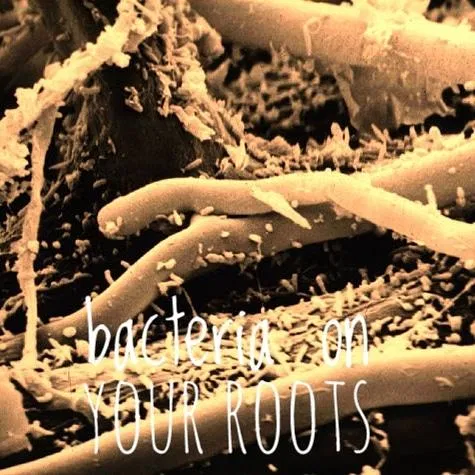
One of the biggest mistakes growers make is leaving the garden "clean" and empty during the off-season. Soil microbes feed on exudates, sugars and proteins secreted by living plant roots. When you pull your plants and leave the ground bare, the microbes starve.
The Power of Cover Crops
Instead of leaving the soil fallow, plant cover crops like clover, vetch, or cereal rye.
- Nitrogen Fixation: Legumes like peas and clover pull nitrogen from the air and store it in the soil.
- Carbon Sequestration: Living roots are the primary way carbon is pumped back into the ground.
- Soil Aeration: Deep-rooted cover crops act as "biological tilth," breaking up compaction layers.
When the season ends, don't pull the roots out. Cut the plants at the base and let the roots rot in place to provide channels for air and water. For more on this, check out our complete guide on cover crops.
Step 5: Increase Biodiversity
Monocultures (growing only one type of plant) are fragile. They attract specific pests and deplete specific nutrients. To boost yields, we must mimic the diversity found in nature.
Intercropping and Polycultures
We have found that planting complementary species together creates a "synergistic effect." For example, planting marigolds near your vegetables provides natural pest deterrence, while planting beans alongside heavy feeders like corn provides a slow-release nitrogen source.
Diversity above ground leads to diversity below ground. Different plants host different types of microbes, creating a more resilient and balanced Rhizo Logic® environment. This prevents any single pathogen from dominating and destroying your crop.

Monitoring Your Progress: The Data-Driven Approach
Soil restoration isn't a "set it and forget it" process. To truly optimize your yields, you need to monitor the health of your ecosystem. In the past, this required sending samples to a lab and waiting weeks. Today, we use tools like the Regen Soil Pulse to get real-time data.
Key Metrics to Watch:
- Electrical Conductivity (EC): This measures the soluble salts and nutrient availability in your soil.
- Moisture Levels: Crucial for ensuring your microbes have enough water to move and reproduce without being "drowned" in anaerobic conditions.
- Soil Temperature: Microbes are most active between 65°F and 85°F.

By tracking these metrics, you can make informed decisions about when to apply a Bio-boost treatment or when to adjust your mulching strategy. If you're unsure where to start, our Initial Soil Health (ISH) Assessment is designed to give you a roadmap for your specific land.
Summary of the Regenerative Path
Restoring soil is a journey of moving from a "subtraction" mindset (how many nutrients can I take out?) to an "addition" mindset (how much life can I put in?). By following these five steps:
- Stop Tilling to protect soil structure.
- Mulch Heavily to provide armor.
- Inoculate with Bio-boost to jumpstart biology.
- Keep Living Roots in the ground to feed the microbes.
- Diversify your plantings to create a resilient ecosystem.
You will see not only an increase in yield but an increase in the quality and flavor of your harvests.
Frequently Asked Questions (FAQ)
Q: How long does it take to see results from soil restoration?
A: While biological changes start immediately, you will typically see a noticeable difference in plant vigor within one growing season. Deep soil structure restoration can take 2–3 years of consistent practice.
Q: Can I use Rhizo Logic® products with synthetic fertilizers?
A: We recommend transitioning away from high-salt synthetics, as they can dehydrate and kill the very microbes you are trying to cultivate. If you must use them, do so sparingly and focus on building the living soil buffer.
Q: Is "Living Soil" the same as potting soil?
A: No. Standard potting soil is often sterilized and peat-based. Rhizo Logic® Living Soil is a biologically active medium designed to sustain a complex food web that feeds the plant naturally.
Q: What is the difference between Rhizo Logic and Bio-boost?
A: Rhizo Logic® refers to our line of products and methodologies centered around Living Soil ecosystems. Bio-boost is a specific Terrabiotics amendment used to provide a concentrated burst of nutrients and microbial fuel to the soil.
If you’re ready to stop guessing and start growing, reach out to us at Regen Soil. We’re here to help you heal your land and grow the best crops of your life. Leave a comment below with your biggest soil challenge( we’d love to help you solve it!)


