
10 Reasons Your Soil Restoration Isn't Working (And How to Fix It)
By Jeremy Standring
At Regen Soil, we see it every day: a passionate grower or land manager invests time, money, and back-breaking labor into soil restoration, only to see their plants plateau or, worse, decline. The frustration is real. You’ve followed the "standard" advice, bought the bags of organic fertilizer, and perhaps even started composting, yet the ground remains stubborn.
The hard truth is that soil restoration is not a linear path of adding "stuff" to the ground. It is a biological transition. Most failures occur because we try to solve biological problems with chemical or mechanical solutions. We need to shift from a "input-output" mindset to a systems-thinking approach.
In this guide, we’re breaking down the ten most common reasons your soil restoration efforts are stalling and providing the technical roadmap to fix them using the principles of regenerative agriculture.
1. You’re Treating Symptoms, Not the System
Most traditional agronomy focuses on "NPK" (Nitrogen, Phosphorus, Potassium). If a leaf turns yellow, you add Nitrogen. This is symptom management. In a living soil system, we look at the underlying biological function. If your plants aren't accessing nutrients, it's likely because the microbial bridge between the soil and the root is broken.
The Fix: Stop looking at nutrients in isolation. Focus on building the Rhizo Logic®, the living ecosystem surrounding the roots. When you restore the biology, the microbes become the delivery system for the minerals.
2. Over-Reliance on Synthetic "Salt" Fertilizers
Even when trying to restore soil, many people continue to use synthetic fertilizers "just in case." These are primarily mineral salts. High salt concentrations create osmotic pressure that literally dehydrates soil microbes and burns delicate root hairs.
The Fix: Transition away from high-salt inputs. Instead, utilize Bio-boost by Terrabiotics to kickstart the microbial metabolism. This allows you to reduce synthetic inputs without sacrificing yield while the soil's natural fertility cycles come back online.

3. Ignoring the Fungal-to-Bacterial (F:B) Ratio
Different plants require different soil environments. Most disturbed or tilled soils are heavily bacterial-dominant. If you are trying to grow perennial crops or high-value medicinal plants in "weedy," bacterial-rich soil, they will struggle.
The Fix: Understand your target F:B ratio. For many of our clients in the cannabis space, achieving a balanced or fungal-leaning ratio is the key to terpene production and pest resistance. You can learn more about this in our deep dive on understanding fungal/bacteria ratios.
4. Physical Compaction is Actually Biological Collapse
When people see "hard" soil, they reach for a tiller. However, physical compaction is often a sign of microbial collapse. Without fungal hyphae and bacterial glues (like glomalin) to create soil aggregates, the soil particles collapse into a dense, anaerobic mass.
The Fix: Stop tilling. Tilling acts like an earthquake to the soil microbiome, shredding the fungal networks. Instead, use biological "drills" like tap-rooted cover crops and high-quality living soil inoculants to rebuild structure from the inside out.

5. The "Silver Bullet" Trap
There is no single product, not even ours, that fixes soil overnight. Restoration is a process of succession. We often see growers buy a single microbial product and expect it to fix years of chemical abuse.
The Fix: Adopt the RSI Method. This involves a sequence:
- Assessment: Knowing what is actually in your soil.
- Inoculation: Introducing the right biology (like our 5-gallon living soil kits).
- Maintenance: Feeding that biology with the right carbon sources.
6. Calcium Lockout and Chemical Imbalance
You might have plenty of Calcium in your soil, but it’s "locked." Traditional soil tests show total minerals, but they don't show available minerals. Without active biology and the right pH at the rhizosphere, your plants remain hungry in a sea of plenty.
The Fix: Focus on microbial solubilization. Fungi and bacteria produce organic acids that break the chemical bonds holding minerals like Calcium and Phosphorus captive. This is why we emphasize the Rhizo Logic® approach, it's about availability, not just presence.
7. Lack of Real-Time Monitoring
Are you guessing or are you measuring? Soil health changes daily based on moisture, temperature, and microbial activity. If you aren't monitoring these metrics, you are flying blind.
The Fix: Use data-driven tools. We utilize the Regen Soil Pulse to track real-time metrics. When you can see your EC (Electrical Conductivity) and moisture levels on your phone, you can make surgical adjustments rather than "spray and pray" applications.

8. Biological Burnout from "Cides"
Herbicides, pesticides, and fungicides are designed to kill life. Even "organic" versions can be broad-spectrum enough to wipe out the beneficial protozoa and nematodes that are critical for nutrient cycling.
The Fix: Move toward Integrated Pest Management (IPM) that focuses on plant health as the first line of defense. Healthy plants in living soil produce secondary metabolites that naturally deter pests. If you are struggling with specific issues, check out our guide on tackling fungus gnats.
9. You Skipped the Assessment
Would you start a journey without a map? Most soil restoration fails because the baseline wasn't established. You might be adding Nitrogen to soil that already has an excess, leading to insect attraction and watery cell growth.
The Fix: Start with an Initial Soil Health Assessment (ISH). We analyze the biological, chemical, and physical properties of your soil to give you a customized roadmap. You can book an ISH Assessment here.
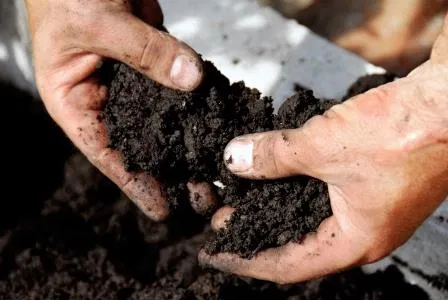
10. Forgetting the "Architects" (Protozoa and Nematodes)
Many people focus only on bacteria and fungi, but the soil food web requires predators. Protozoa and beneficial nematodes eat bacteria and fungi, excreting Nitrogen in a form that plants can immediately use. Without these "microscopic architects," your nutrient cycle is stalled.
The Fix: Ensure your microbial inoculants are diverse. A true living soil isn't just a lab-grown strain of one bacteria; it's a diverse community. Learn more about the hidden world of soil protozoa to understand why they are the "missing link" in your garden.
Comparison: Traditional vs. Regenerative Restoration
| Feature | Traditional Approach | Regenerative (Regen Soil) Approach |
|---|---|---|
| Primary Goal | Yield at any cost | Long-term soil vitality and plant health |
| Input Focus | Synthetic NPK Fertilizers | Microbial Inoculants & Bio-boosts |
| Soil Structure | Mechanical Tilling | Biological Aggregation (Fungal networks) |
| Problem Solving | Chemical intervention | Systems-thinking / Root-cause analysis |
| Testing | Chemistry-only (Soil extraction) | Biological Assessment (Microscopy & Data) |
The Path Forward: How to Start Fixing Your Soil Today
If your soil restoration has stalled, don't lose heart. The biology of the Earth is incredibly resilient; it just needs the right conditions to thrive.
- Stop the Harm: Pause the use of heavy salts and unnecessary tilling.
- Inoculate: Introduce a diverse range of beneficial biology through Rhizo Logic® products.
- Feed the Underground: Use organic matter and Terrabiotics' Bio-boost to ensure those microbes have the energy they need to work.
- Observe and Adjust: Use tools like the Regen Soil Pulse and regular Soil Health Assessments to guide your steps.
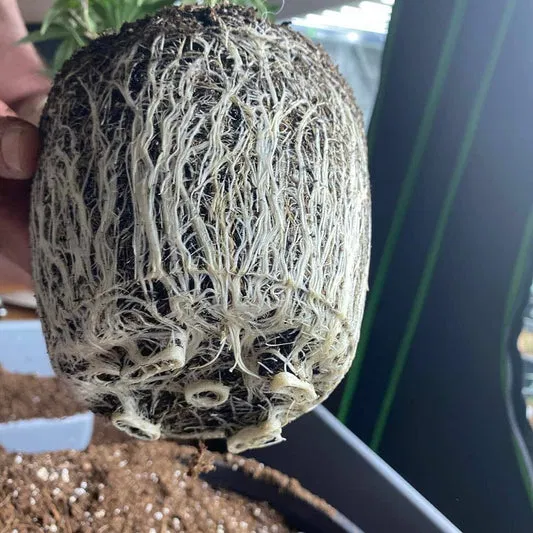
Restoring soil is the most important work we can do, for our gardens, our farms, and our planet. By moving away from "fixing" and toward "nurturing," you’ll find that nature does most of the heavy lifting for you.
Frequently Asked Questions (FAQ)
Q: How long does it take to see results with regenerative soil restoration?
A: While biological shifts begin immediately, visible changes in plant health and soil structure typically take 30 to 90 days of consistent management. True "restoration" is a multi-season process.
Q: Can I use Bio-boost with my existing nutrient line?
A: Yes. Bio-boost is designed to work within your existing system to improve nutrient uptake efficiency. However, we recommend reducing your mineral inputs as the biology becomes more active.
Q: Is "Living Soil" the same as "Super Soil"?
A: Not exactly. Super soil is often a heavily amended peat-based mix designed to last a single cycle. Living Soil is a managed ecosystem that improves over time through microbial cycling. For a deeper breakdown, see our article on Living Soil vs. Super Soil.
Q: Why do I need a biological assessment if my plants look okay?
A: "Okay" isn't the goal: resilience is. An assessment can identify hidden imbalances (like low protozoa counts) that might lead to a crop failure during a heatwave or pest outbreak later in the season.
Ready to stop guessing and start growing?
Explore our RSI Method or reach out to us for a personalized consultation. Let’s bring your soil back to life together.


