
Why Regenerative Agriculture Will Change the Way You View Your Land: Real Success Stories
By Jeremy Standring
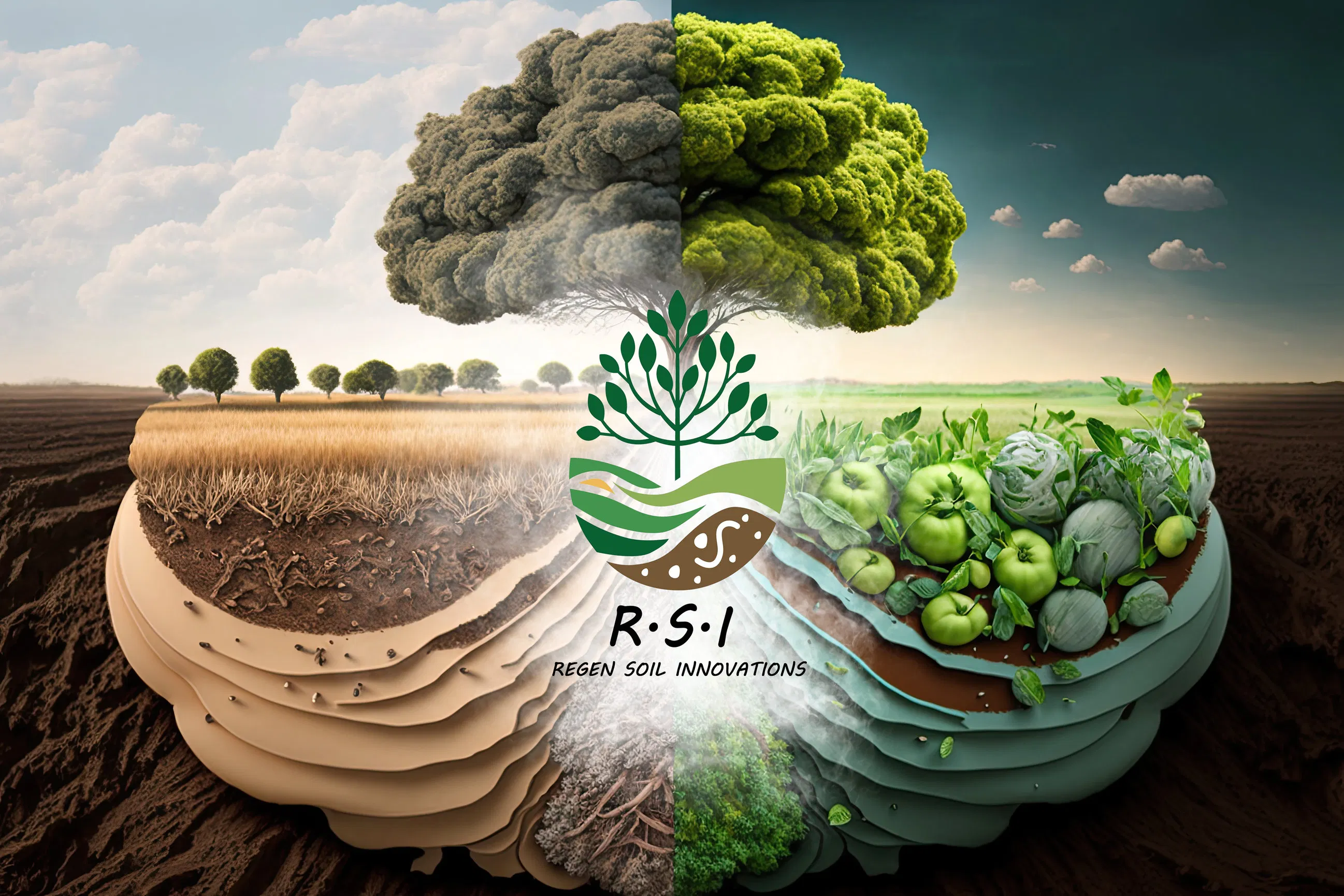
For decades, the standard approach to land management has been one of extraction and chemistry. We treat the soil like a blank slate: a medium that merely holds plants upright while we pump in synthetic fertilizers and pesticides. But we’ve seen the results of this "extractive" mindset: declining yields, increased pest pressure, and a total loss of soil structure.
At Regen Soil, we advocate for a massive perspective shift. We don't view the land as an asset to be mined, but as a living, breathing ecosystem that needs to be nurtured. This is the heart of regenerative agriculture. It’s a systems-thinking approach that prioritizes soil restoration and the return of biological vitality to the earth.
In this post, we’re going to dive into the "why" and "how" of this transformation, backed by real-world success stories that prove living soil isn't just a buzzword: it’s the future of food and land security.
The Core Philosophy: From Chemistry to Biology
To understand why regenerative agriculture changes how you view your land, you first have to understand what Rhizo Logic® (our philosophy of Living Soil) truly means. Conventional farming relies on "The Big Three" (NPK), but this often ignores the trillions of microbes that actually make those nutrients available to the plant.
What is Regenerative Agriculture?
Regenerative agriculture is a holistic land management practice that leverages the power of photosynthesis and healthy soil biology to close the carbon cycle and build soil organic matter. By focusing on soil health, we improve:
- Water Infiltration: Healthy soil acts like a sponge rather than a brick.
- Nutrient Cycling: Microbes break down organic matter into plant-available food.
- Carbon Sequestration: Pulling CO2 from the atmosphere and storing it in the ground.
- Biodiversity: Creating a resilient ecosystem that resists pests naturally.

Real Success Stories: Transformation in Action
It’s easy to talk about theory, but the true power of regenerative agriculture is found in the dirt. Across the globe, farmers are proving that when you stop fighting nature and start working with it, the land responds with incredible vigor.
1. Global Impact: The Mount Kenya Transformation
In 2021 and 2022, smallholder farmers in Kenya began shifting away from monoculture tea and coffee toward integrated regenerative systems. One farmer, Enos, transformed his tea plantation into a fully integrated ecosystem. Instead of relying solely on expensive synthetic inputs, he used livestock manure and fish waste to feed his vegetables. Chicken droppings nourished his tea plants, and he introduced bees to pollinate his avocados.
The Result: By diversifying his "assets" and focusing on a closed-loop system, Enos reduced his dependency on outside markets. His land became more resilient to the shifting climate, and he achieved a level of economic stability that was previously impossible.
2. High-Desert Resilience: Arizona’s Regenerative Pioneer
Many critics argue that regenerative practices only work in lush, temperate climates. Yadi Wang, a farmer in the harsh, dry environment of Arizona, proved them wrong. He converted a degraded, conventional cotton farm into a large-scale regenerative operation.
By implementing cover crops and minimizing soil disturbance, Wang was able to bring life back to soil that had been baked dry by decades of chemical use. This transformation showed that even in the most hostile environments, soil restoration is possible if you focus on the microbial community.
3. The Large-Scale Shift: Schiff Farms, Delaware
In Delaware, T.J. Schiff transitioned a massive conventional farm to regenerative practices. This wasn't a small garden project; this was a large-scale commercial operation. By prioritizing soil biology and using tools like Bio-boost (a powerful Terrabiotics solution) to kickstart microbial activity, Schiff demonstrated that regenerative agriculture is scalable and profitable for modern commercial farmers.
Why This Changes Your Relationship with Your Land
When you start practicing regenerative agriculture, you stop looking at a "weed" as an enemy and start seeing it as a messenger. You stop looking at a pest as something to be eradicated and start seeing it as a symptom of a biological imbalance.
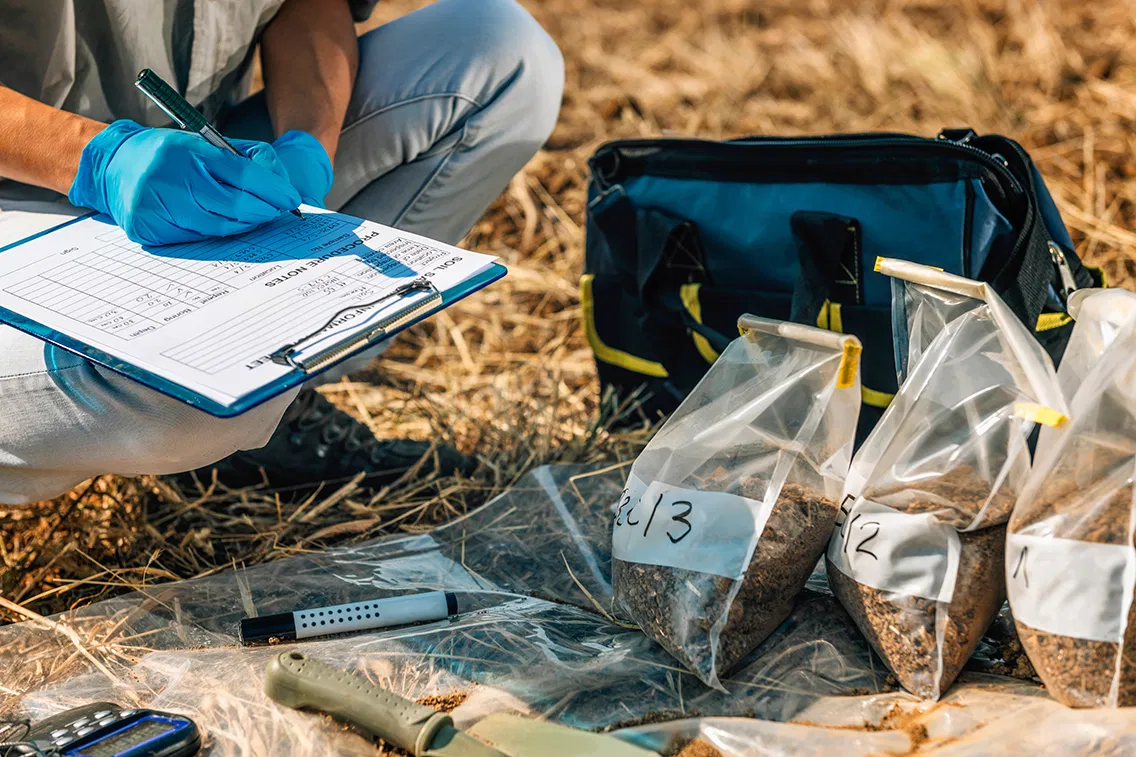
We believe that every piece of land has the potential to thrive if we give it the right biological foundation. This is why we developed the RSI Method. We don't guess; we test. Through our Initial Soil Health (ISH) Assessment, we analyze the existing microbial populations and nutrient levels to create a roadmap for restoration.
Systems-Thinking for Beginners
If you’re just starting out, the shift can feel overwhelming. Here’s how to begin viewing your land through a regenerative lens:
- Keep the Soil Covered: Never leave bare dirt. Use cover crops or mulch.
- Minimize Disturbance: Avoid tilling, which destroys the delicate fungal networks (mycelium).
- Encourage Diversity: Plant various species to support different types of soil microbes.
- Feed the Biology: Use products like Rhizo Logic® Living Soil to introduce beneficial bacteria and fungi.
Technical Deep Dive: The Role of Terrabiotics
A critical component of our success stories involves the use of Terrabiotics, specifically Bio-boost. While Rhizo Logic® represents the living environment itself, Bio-boost acts as a microbial catalyst.
In a degraded field, the native "machinery" (microbes) is often dormant or extinct. Bio-boost reintroduces high-density microbial populations that immediately begin the process of nutrient cycling and soil structure building. We have found that combining biological inoculants with proper physical management accelerates the "regeneration" timeline by years.
Regenerative vs. Conventional: A Comparative Analysis
| Feature | Conventional Agriculture | Regenerative Agriculture |
|---|---|---|
| Primary Goal | Maximize short-term yield | Build long-term soil health |
| Soil View | Inert medium for chemicals | Living biological community |
| Water Usage | High (due to runoff/evaporation) | Efficient (high infiltration/retention) |
| Input Dependency | High (Synthetic NPK, Pesticides) | Low (Biological cycling, Compost) |
| Climate Impact | Net carbon emitter | Net carbon sequesterer |
| Resilience | Low (Vulnerable to drought/pests) | High (Buffering capacity) |
How We Support Your Journey
Whether you are a home grower or a commercial operator, we provide the tools and expertise to help you see your land for what it truly is: a partner in your success.
For those looking to transition their land, we recommend starting with our Soil Health services. By understanding your current baseline, we can prescribe the specific Rhizo Logic® and Bio-boost protocols needed to restore your specific ecosystem.

Frequently Asked Questions (FAQ)
Is regenerative agriculture more expensive than conventional?
Initially, there can be costs associated with testing and biological amendments. However, over time, your costs decrease significantly as you stop buying synthetic fertilizers and pesticides. Regenerative land eventually feeds and protects itself.
How long does it take to see results?
While full soil restoration is a multi-year journey, many of our clients see visible improvements in plant vigor and water retention within the first growing season, especially when using high-quality inoculants like Bio-boost.
Can I do this on a small scale?
Absolutely. Regenerative principles apply to a 5-gallon pot just as much as a 500-acre field. In fact, many home growers find great success using our 5-gallon Living Soil kits to start their journey.
Do I need special equipment?
Not necessarily. The biggest "equipment" you need is a change in mindset. While no-till drills are great for large farms, a home gardener can practice regenerative agriculture with nothing more than a shovel and some mulch.
Join the Regeneration
Regenerative agriculture isn't just about the food we grow; it's about the legacy we leave behind in the soil. When you view your land as a living system, you move from being a consumer to being a steward.
Are you ready to see what your land is truly capable of? We invite you to meet Jeremy and the team to discuss how we can help you implement the Rhizo Logic® system on your property.
What do you think is the biggest challenge to shifting away from conventional methods? Let’s talk about it in the comments below!


