
Regenerative Agriculture at Home: The Ultimate Guide to Growing a Living Ecosystem
By Jeremy Standring
Let’s be honest: for decades, we’ve been taught to treat our gardens like chemistry sets. We buy a bag of "dirt," dump in some synthetic N-P-K crystals, and wonder why our plants look like they’re on life support the second we skip a watering. At Regen Soil, we believe it’s time to stop "growing plants" and start growing ecosystems.
Regenerative agriculture isn't just a buzzword for large-scale farmers; it is a philosophy of restoration that you can apply to a 5-gallon bucket, a raised bed, or a backyard orchard. It’s about moving from an extractive mindset, where we take from the earth, to a restorative one, where the soil gets better, richer, and more alive every single year.
What is Regenerative Agriculture, Anyway?
In the simplest terms, regenerative agriculture is a holistic land management practice that leverages the power of photosynthesis to sequester carbon in the soil while improving soil health, water resilience, and nutrient density.
While "organic" gardening focuses on what you don't use (no synthetic pesticides or fertilizers), regenerative gardening focuses on what you do create: a thriving, underground city of microbes. We are talking about building a living soil system where the plants and the biology work in a symbiotic dance.
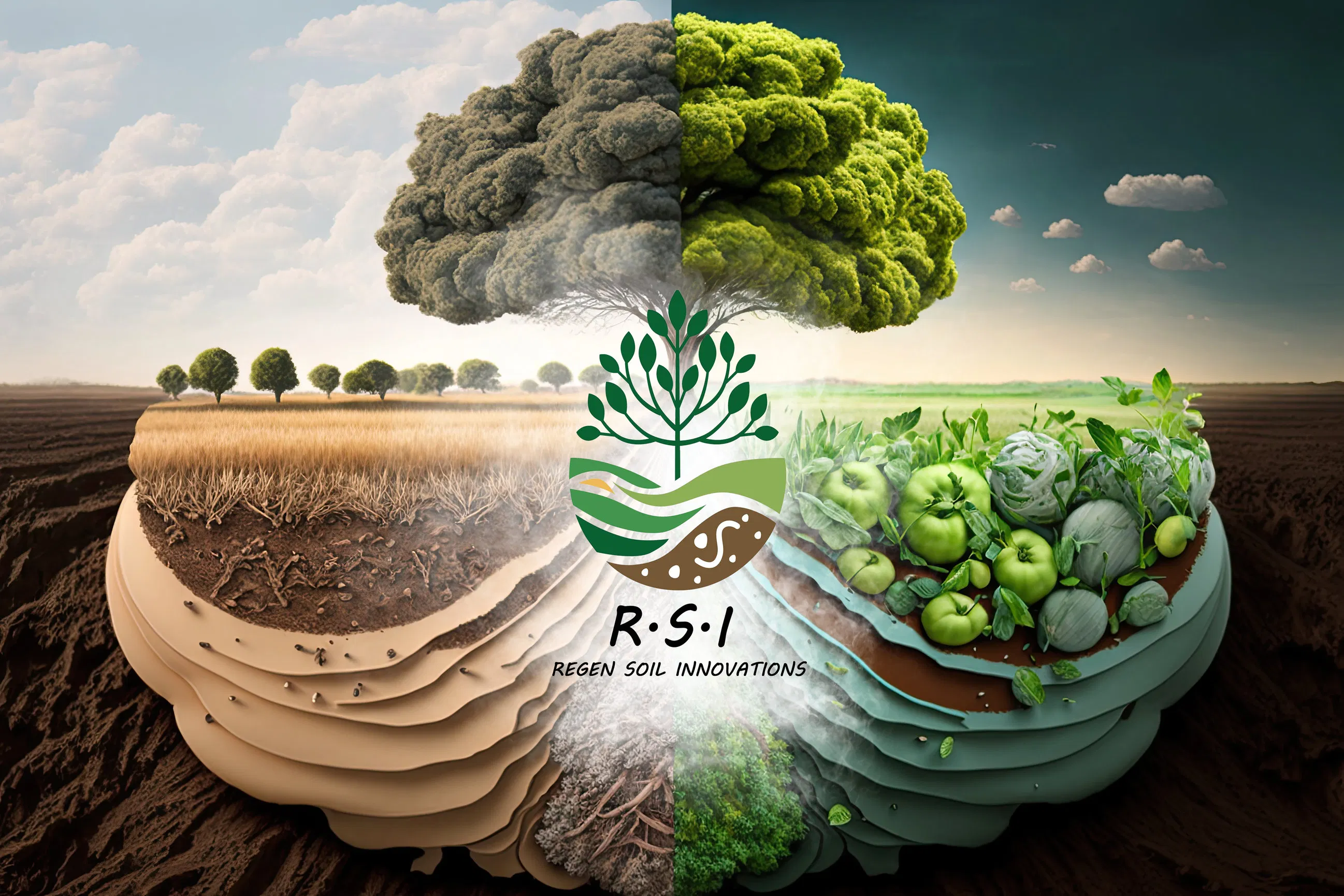
From Extraction to Restoration
In a conventional system, the soil is merely a medium to hold the plant upright while we pump it full of soluble salts. This eventually kills the soil's natural biology, leading to compaction, erosion, and a complete reliance on chemical inputs.
In a regenerative system, we use Rhizo Logic® principles to foster a diverse microbiome. These microbes: bacteria, fungi, protozoa, and nematodes: act as the plant's external digestive system, unlocking minerals and protecting the roots from pathogens.
The Four Pillars of the Home Regenerator
To turn your garden into a carbon-sequestering powerhouse, we follow four core principles. Think of these as the "rules of the jungle" for your backyard.
1. Minimize Soil Disturbance (The "No-Dig" Rule)
Every time you turn the soil with a tiller or a spade, you are essentially setting off a bomb in a microscopic city. Tilling shatters fungal hyphae (the "internet" of the soil) and exposes sequestered carbon to oxygen, which turns it into CO2 and sends it into the atmosphere.
The Fix: Use "No-Dig" or "No-Till" methods. Instead of digging, layer organic matter on top. If your soil is compacted, use a broadfork to gently aerate without flipping the layers. This preserves the delicate fungal-to-bacterial ratios necessary for plant health.
2. Maximize Biodiversity
Monoculture (growing just one thing) is an invitation for pests. In nature, you never see a square mile of just one plant species unless something is wrong.
The Fix: Interplant! Mix your vegetables with flowers, herbs, and perennial shrubs. Diverse plant life above ground leads to diverse microbial life below ground. Different plants exude different "carbon snacks" (exudates) from their roots, which attracts a wider variety of beneficial microbes.
3. Keep Living Roots in the Ground
Bare soil is dying soil. When there are no living roots, the microbes have nothing to eat and either die off or go dormant.
The Fix: Use cover crops. If you have a gap between your summer tomatoes and your spring greens, plant clover, vetch, or cereal rye. These "green manures" keep the soil biology active and prevent erosion.

4. Armor the Soil
In the wild, the earth is always wearing "clothes": usually in the form of fallen leaves or dying grass. This mulch layer regulates temperature, retains moisture, and provides a home for the "shredders" of the soil world, like earthworms.
The Fix: Never leave soil bare. Use wood chips, straw, or even living mulches (low-growing groundcovers) to protect your ecosystem from the baking sun and pelting rain.
The Secret Ingredient: Rhizo Logic® and Microbial Inoculation
You can have the best compost in the world, but if the right "workforce" isn't present, your plants will still struggle. This is where Rhizo Logic® comes in. Our science-backed approach focuses on the Rhizosphere: the area of soil immediately surrounding plant roots.
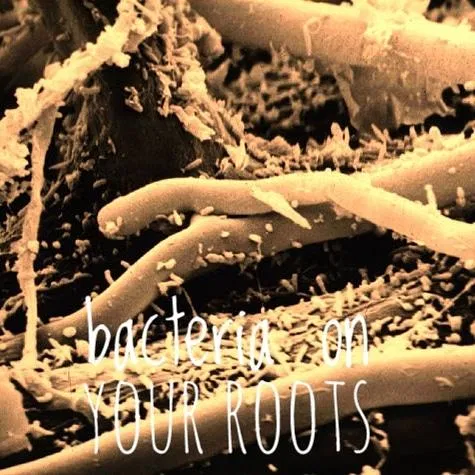
When we talk about Rhizo Logic®, we’re talking about introducing specific, beneficial microbial populations that are designed to thrive in a living soil environment. These aren't just random bacteria; they are the architects of soil structure. They create "glomalin," a biological glue that sticks soil particles together, creating those beautiful, dark crumbles (aggregates) that every gardener dreams of.
How to Start Your Home Regeneration Project
Ready to get your hands dirty? Here is how we recommend starting your journey from "dirt" to "living ecosystem."
Step 1: The Initial Assessment
You can't manage what you don't measure. Most people guess what their soil needs, which leads to nutrient imbalances. We recommend an ISH (Initial Soil Health) Assessment. This goes beyond a basic pH test; it looks at the biological activity and the actual availability of nutrients.
Step 2: Build Your Beds (The Sheet Mulching Method)
If you’re starting a new garden, don't reach for the tiller.
- Mow your grass or weeds as short as possible.
- Layer plain brown cardboard over the area (remove any tape!). This smothers the weeds.
- Water the cardboard thoroughly.
- Add 4-6 inches of high-quality compost or Living Soil.
- Mulch the top with straw or wood chips.
Step 3: Inoculate with Biology
Once your bed is set, it's time to bring in the workers. Applying microbial brews, like those we've developed through our Coral Cal Microbe Brew journey, introduces the fungi and bacteria that will begin building soil structure immediately.
Monitoring the Pulse of Your Garden
Regenerative gardening isn't about "set it and forget it." It’s about observation. We live in an era where we can actually see what’s happening beneath the surface in real-time. Using tools like the Regen Soil Pulse, we can monitor moisture, temperature, and EC (Electrical Conductivity) to ensure our microbial friends are happy.

If your EC is too high, it might mean your soil is too salty for microbes. If it’s too low, your nutrient cycling might have stalled. This data allows you to make precise adjustments rather than playing "guess and check" with your garden's health.
Frequently Asked Questions
Q: Can I do this in pots?
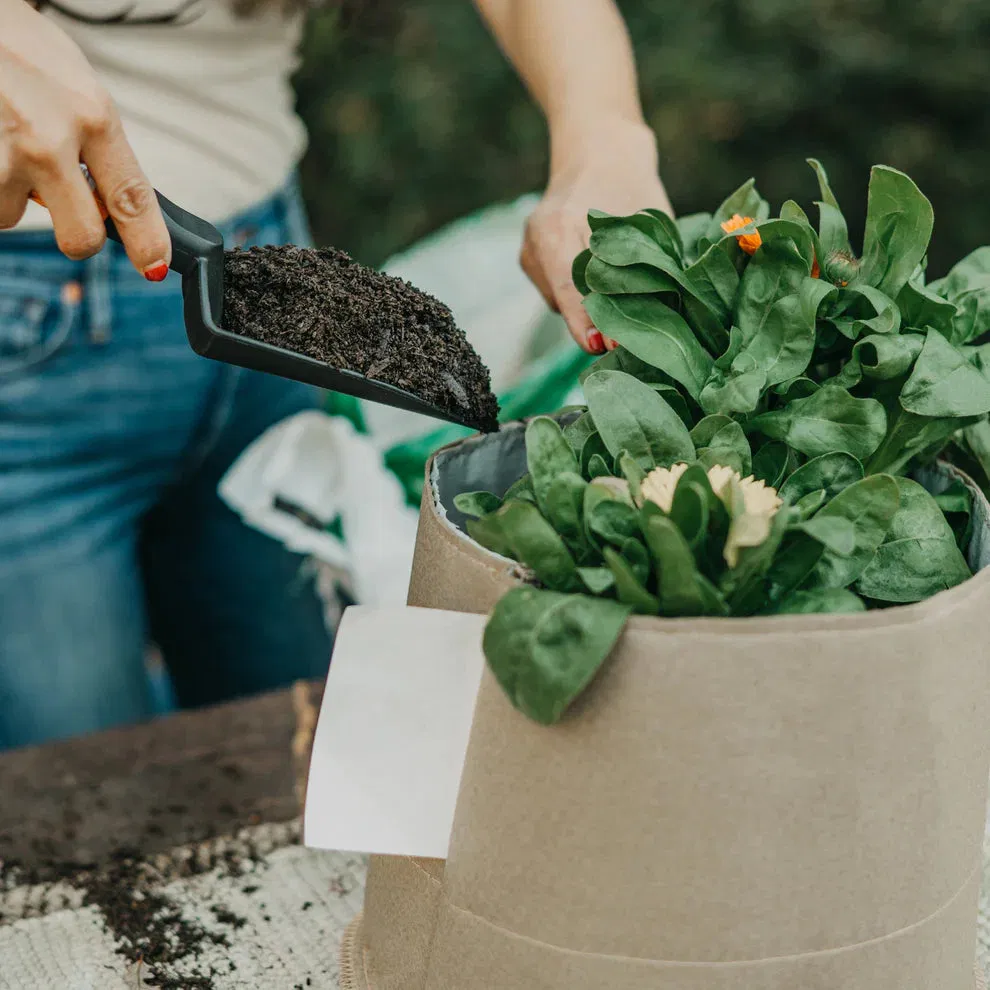
A: Absolutely! In fact, container gardening needs regenerative principles even more because the ecosystem is so small. Using a high-quality living soil in your fabric pots or containers creates a self-sustaining environment that requires fewer liquid inputs.
Q: Is regenerative gardening more expensive?
A: Initially, there might be a cost for high-quality compost or inoculants. However, over time, your costs drop significantly. You won't be buying bags of fertilizer every spring because your soil is recycling its own nutrients. You're building "soil capital."
Q: How long does it take to see results?
A: You’ll see a difference in plant vigor within a few weeks of inoculating with Rhizo Logic® products. However, true soil restoration: building significant organic matter and deep fungal networks: is a 3-to-5-year journey. Enjoy the process!
Q: What about pests?
A: In a regenerative system, we don't aim for 100% eradication of pests. We aim for balance. Healthy plants grown in living soil have stronger cell walls and produce complex compounds (terpenes and alkaloids) that make them less "tasty" to pests and more resistant to diseases like grey mold.
Join the Movement
We are at a crossroads in how we interact with the planet. By adopting regenerative agriculture at home, you aren't just growing better tomatoes or bigger flowers; you are participating in a global movement to heal the earth, one square foot at a time.
If you're ready to dive deeper into the science of soil or need a personalized roadmap for your garden, Meet Jeremy and the team. Let's stop treating our soil like dirt and start treating it like the living, breathing foundation of life that it is.
What’s your first step toward a regenerative garden? Let us know in the comments below, or reach out for a consultation to get your soil restoration journey started!


