
The Ultimate Guide to Living Soil: Success Stories, Technical Deep Dives, and FAQs
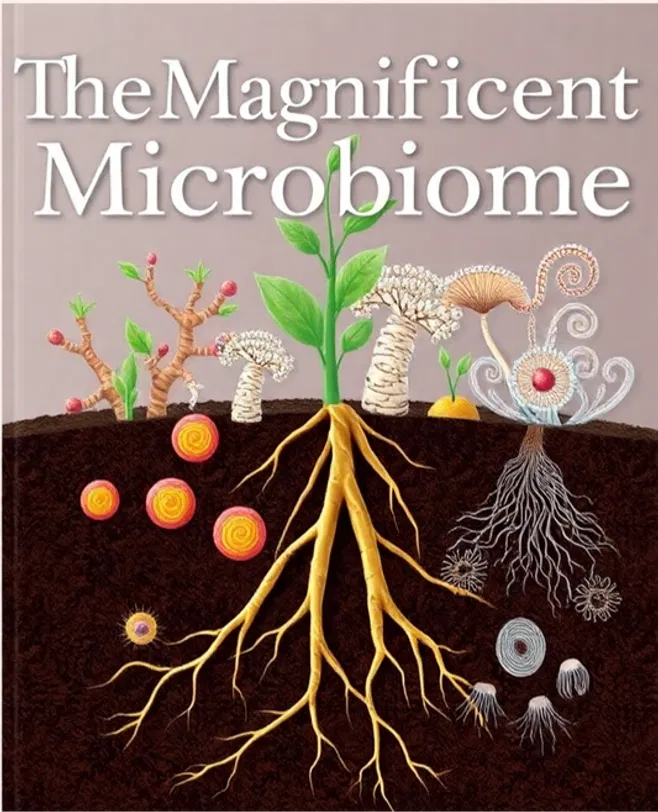
At Regen Soil, we don’t just see dirt; we see a complex, biological engine that powers the vitality of our planet. When we talk about living soil, we are referring to an ecosystem teeming with life: a biological matrix where bacteria, fungi, protozoa, and nematodes work in a symbiotic dance to feed plants and build structure. This is the core of our Rhizo Logic® philosophy.
In this guide, we’re going to pull back the curtain on why moving away from synthetic "dead" dirt and toward a biologically active system is the only way forward for sustainable agriculture. Whether you’re a home grower or managing a multi-thousand-acre commercial operation, understanding these systems-thinking principles is your key to long-term success.
What Exactly is Living Soil? (The Technical Deep Dive)
To understand Rhizo Logic®, you first have to understand the Rhizosphere. This is the zone of soil surrounding a plant root where biological and chemical features are influenced by the root itself. In a living soil system, plants release carbon-rich "exudates" (sugars) to attract specific microbes. In exchange, these microbes mine the soil for minerals: phosphorus, potassium, and micronutrients: and deliver them back to the plant in a bio-available form.
The Soil Food Web Components
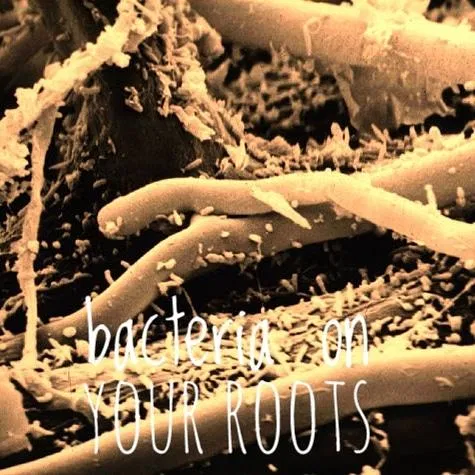
- Bacteria: These are the primary decomposers. They consume simple carbon compounds and are excellent at nutrient cycling, holding onto nitrogen in their bodies so it doesn't leach away.
- Fungi: Specifically Mycorrhizal fungi, which extend the root system's reach by miles, and Saprophytic fungi, which break down complex wood fibers.
- Protozoa and Nematodes: These are the "grazers." By eating bacteria and fungi, they poop out excess nitrogen right at the root zone: a process known as the Microbial Loop. You can learn more about these microscopic architects here.
Success Stories: From Depleted to Diverse
Theory is great, but results are what matter. We’ve seen firsthand how soil restoration can turn a failing enterprise into a thriving ecosystem.
1. The Montana Transition: Saving the Butterflies
Jackson and Tracey Dion were running a 500-acre sugar beet operation in Montana. It was a standard monocrop system: heavy on pesticides and synthetic fertilizers. When their daughter asked them to "save the butterflies," it sparked a radical change. They shifted away from the chemical treadmill and embraced regenerative practices.
Seven years later, the transformation is staggering. By introducing diverse cover crops (alfalfa, oats, and hay) and focusing on soil biology, they’ve seen a massive return of pollinators. More importantly, the economics of the farm have stabilized because they are no longer spending a fortune on synthetic inputs. They didn't just save the butterflies; they saved their legacy.
2. The Urban Magnolia Miracle
We often see "dead dirt" in urban landscaping. A specific case involved a struggling magnolia tree in a compacted, nutrient-void lot. Most "pros" recommended more fertilizer. Instead, we recommended a biological intervention: aeration followed by the introduction of beneficial bacteria and fungal blends.
Within two seasons, the tree didn't just survive; it thrived, growing significantly taller with a canopy density that hadn't been seen in years. This is the power of the RSI Method: fixing the biology first.
Rhizo Logic® vs. Super Soil: The Key Distinction
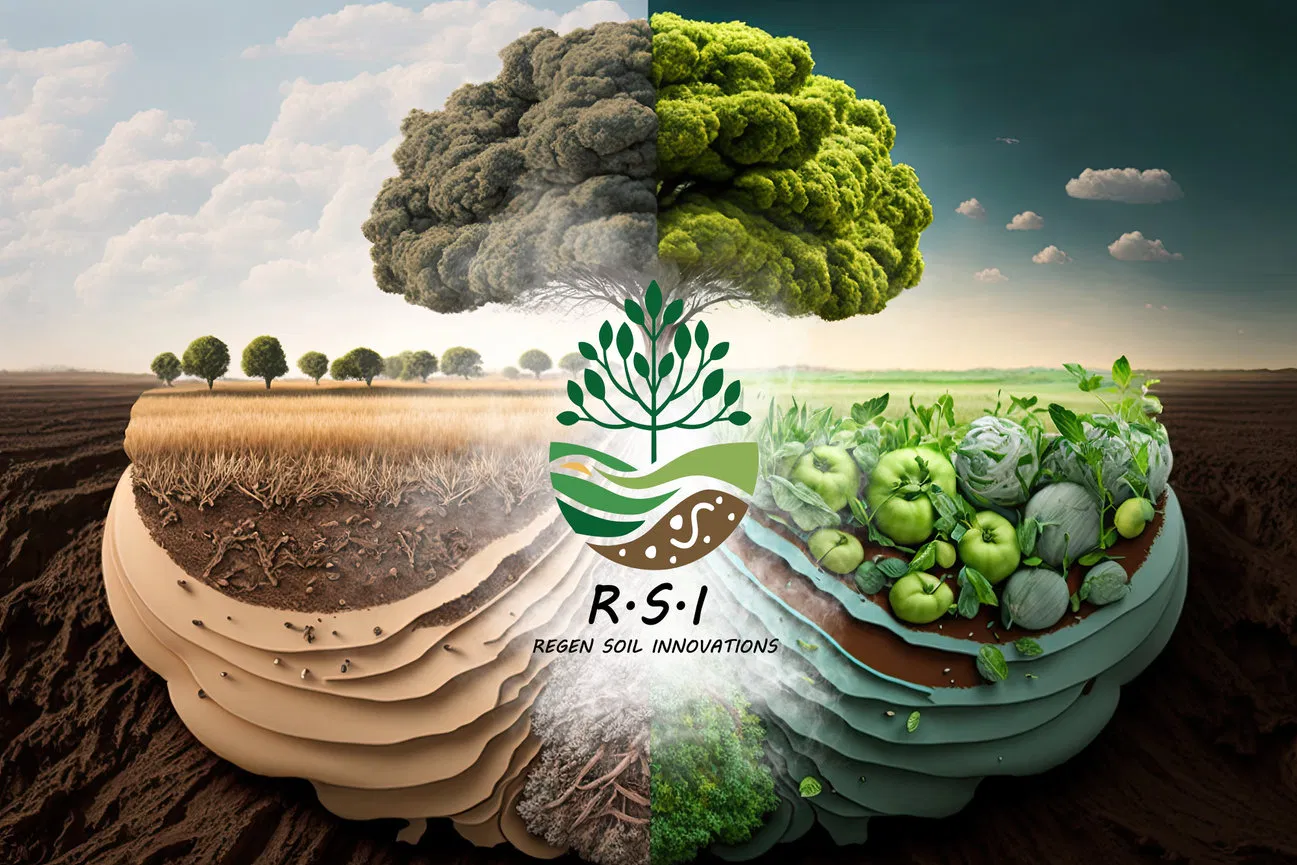
A common mistake we see is people confusing Rhizo Logic® (Living Soil) with "Super Soil." While they might seem similar, the underlying mechanics are different.
- Super Soil: Usually a heavily "amended" soil meant to provide enough nutrients for a plant's entire life cycle. It’s often "hot" (too nutrient-dense) and relies on the breakdown of those amendments.
- Rhizo Logic®: This is a living system. It focuses on the microbial population's ability to cycle nutrients indefinitely. It’s about building a house (soil structure) and moving the right tenants (microbes) in.
For a deeper dive into these differences, check out our article on Living Soil vs. Super Soil.
Strategies for Different Growers
For the Beginner
Start by observing. If your soil is hard, pale, and lacks earthworms, it’s likely biologically depleted. We recommend starting with a high-quality base like our 5gal Living Soil and incorporating Bio-boost (a Terrabiotics product) to jumpstart the microbial activity.
For the Experienced Grower
You know the basics, but are you balancing your fungal-to-bacterial (F:B) ratios? Different plants prefer different ratios. For example, most annual crops prefer a bacterial-heavy soil, while trees and certain perennials thrive in fungal-dominant environments. Understanding this balance is the difference between a good harvest and a legendary one. You can read more about finding balance below.
For Commercial Operations
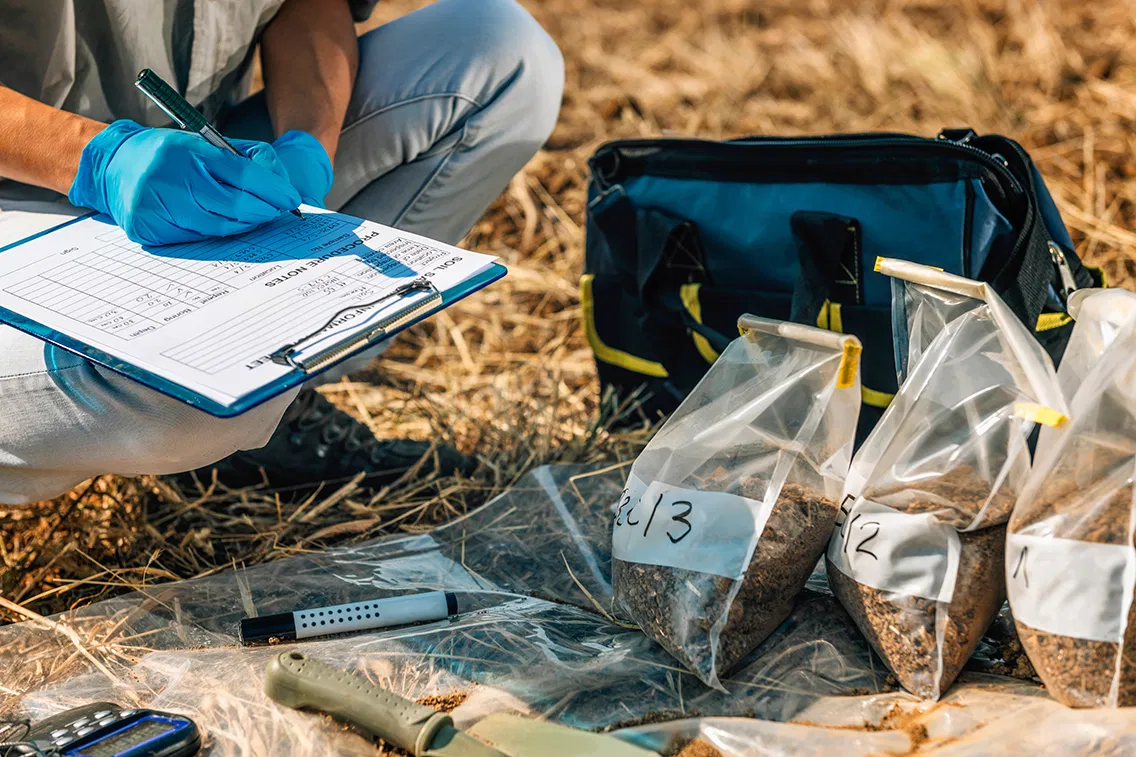
Scale requires precision. We recommend an Initial Soil Health Assessment (ISH). We use data-driven metrics to see exactly what your soil is missing: whether it's specific microbial groups or structural porosity. At this level, carbon sequestration isn't just a buzzword; it’s a way to improve water retention and reduce irrigation costs by up to 30%.
The Biological "Booster": Terrabiotics Bio-boost
While Rhizo Logic® represents the living soil itself, sometimes the system needs a catalyst. This is where Bio-boost comes in. As a Terrabiotics product, it’s designed to provide the specific microbial diversity needed to accelerate the breakdown of organic matter. It’s like sending in a specialized construction crew to repair a damaged building. When used in conjunction with a solid soil health strategy, it ensures your plants have access to nutrients the moment they need them.
Frequently Asked Questions (FAQs)
Q: Will living soil attract pests like fungus gnats?
A: In a balanced ecosystem, predatory microbes and insects usually keep pests in check. However, during the transition phase, imbalances can occur. We’ve put together a comprehensive guide on tackling fungus gnats to help you through it.
Q: Can I use synthetic fertilizers with Rhizo Logic®?
A: We strongly advise against it. High-salt synthetic fertilizers can dehydrate and kill the delicate microbes that make the soil "living." If you use synthetics, you're essentially firing your microbial workforce.
Q: How do I know if my soil is "alive"?
A: Look for signs of life: earthworms, "fluffy" soil texture (aggregation), and a rich, earthy smell (geosmin). For a scientific answer, our ISH Assessment provides a full lab breakdown of your microbial populations.
Q: Does "this flower, this leaf" logic apply here?
A: There is a common myth that specific leaf patterns always dictate specific nutrient deficiencies. In living soil, it's often more complex: usually a biological lockout rather than a lack of minerals. We’ve debunked that myth here.
Join the Regeneration
Transitioning to living soil is more than a cultivation choice; it’s a commitment to the future of our planet. By focusing on systems-thinking and biological vitality, we can restore the land while producing superior crops.
Do you have a success story of your own, or are you struggling with a specific soil issue? We’d love to hear from you. Drop a comment below or reach out to us for a personalized soil health consultation. Let's grow something better, together.


